Chronicling the cultural and economic history of Yonge Street and its enduring importance

Article originally appeared on Torontolife

With its arrow-like purpose, laid out as a great linear axis running north from the edge of Lake Ontario, Yonge Street has been a measure of Toronto’s progress and vitality since its inception, attracting businesses and cultural initiatives that have shaped the city’s identity.

As historians have analyzed, Yonge Street began as an ambition of John Graves Simcoe, Lieutenant-Governor of Upper Canada, who arrived on the irregular fringe of the lake in 1793 as a veteran of the American War of Independence. Accompanied by his wife, Elizabeth, they made the best of their posting, erecting a “canvas house” as their first dwelling. Making use of native trails, he ordered soldiers of the Queen’s Rangers to create a portage route that linked Lake Ontario to Lake Simcoe—which was named after his father. From there, merchants, fur traders and adventurers could travel via the Severn River system to the coveted harbour of Penetanguishene on Georgian Bay. The new route would assure access to the Great Lakes without going through Detroit, a strategic post precariously held by the British at the time from the Americans who were pushing north.

In 1794, Lieutenant Governor John Graves Simcoe ordered a party of Queen’s Rangers to begin cutting a swath through a dense forest to create Yonge Street. Dressed in green waistcoats, white breeches and black gaiters, they occasionally made use of existing native trails. The first section of the road opened in 1796.

The first section opened in 1796 and was named after Sir George Yonge, the British secretary of war. By 1799, Yonge Street stretched from the edge of Lake Ontario to Holland Landing, a rudimentary road that was roughly 20 meters wide, described, in parts, as “a sorry bog.”

Simcoe could not have known what the future would hold, that Yonge Street would become the spine of a thriving city, lined with commercial ambitions, cultural initiatives and architectural expressions of its optimistic spirit. 

Construction of the Yonge Street subway line, Canada’s first subway, began in 1949. Engineers used the cut and cover method under the street rather than adopting the system used in London, England and other cities, where shafts were sunk and tunnels driven underground without tearing up the streets and disrupting traffic.
A first for a street of firsts

 “With care and imagination, the initial sameness of the most prosaic of grids may become the matrix within which interest, diversity and human richness can be provided for,” wrote architectural historian Spiro Kostof in his 1993 book, The City Shaped: Urban Patterns and Meanings Through History.

Yonge Street immediately attracted innovators. The first Eaton’s store in Canada opened on Yonge in 1869; Sam the Record Man’s iconic flagship store stood on the street for nearly 50 years. In 1925, the city’s first set of automated traffic signals were set up at the intersection of Yonge and Bloor. In 1937, Canadian Tire purchased a vacant supermarket building on Yonge just north of Bloor, where store clerks wore roller skates in a promise for speedy service. Furthermore, Canada’s first subway opened along Yonge, running 4.6 miles from Union to Eglinton in 1954. 

The first stretch of the Yonge Street line took four years to build and was designed to move a peak load of 40,000 people per hour in the downtown core. It opened in 1954. Today, over 400,000 subway riders use the north-south east-west lines, which The One has direct access to underground from the base of the tower.
Honouring the history of Yonge Street

As part of the planning for The One, Mizrahi Developments worked with Lord Cultural Resources, a global firm specializing in commemorating cultural capital. The historic storefront of the William Luke Building, which is located south of Bloor Street on the west side, is being restored by Mizrahi and incorporated into the design of the tower. Constructed in 1884, it is representative of the craftsmanship of Toronto’s late 19th century commercial buildings. In the windows of this historic storefront will be an image printed onto the glass of the east side of Yonge Street circa 1929, providing pedestrians a view of how the street once looked.

Memorial plaques celebrating some of the important historic venues on the site of The One will be placed at the base of the tower, including Stollery’s, one of Canada’s oldest independent clothing retailers; His Majesty’s Theatre, the first movie theatre to be established in the Yonge-Bloor area, and the place where Boris Volkoff, a Russian-born choreographer and dancer ran a dance school and where famed teacher, actor and director, Dora Mavor Moore, once taught and performed.   

Embedded into the sidewalk plaza surrounding The One will be tiles, etched with images of shoes representing the types of people who once trod upon the same area—indigenous moccasins, boot spats, ballet shoes, Oxford spectator shoes, militia boots, ankle strap shoes and construction boots.Reminders of the native landscape will also feature in sidewalk tiles, including  images of Canadian Yew Pines, Valley Forge Elms, Princeton Elms, Black Ashes, Sugar Maples and Bunchberry, Sages.

“The location is integral to the identity, heritage and evolution of our great city,” says Sam Mizrahi, president and founder of Mizrahi Developments. “The One stands for the confidence, beauty and vitality of Toronto.”

Article Source:
https://torontolife.com/city/yonge-street-history/?fbclid=IwAR2RLbM4_vLyQ_9M00lia-5N7GOXT3p–IbCD28AnZCxkMKDiQs6X0ZB224
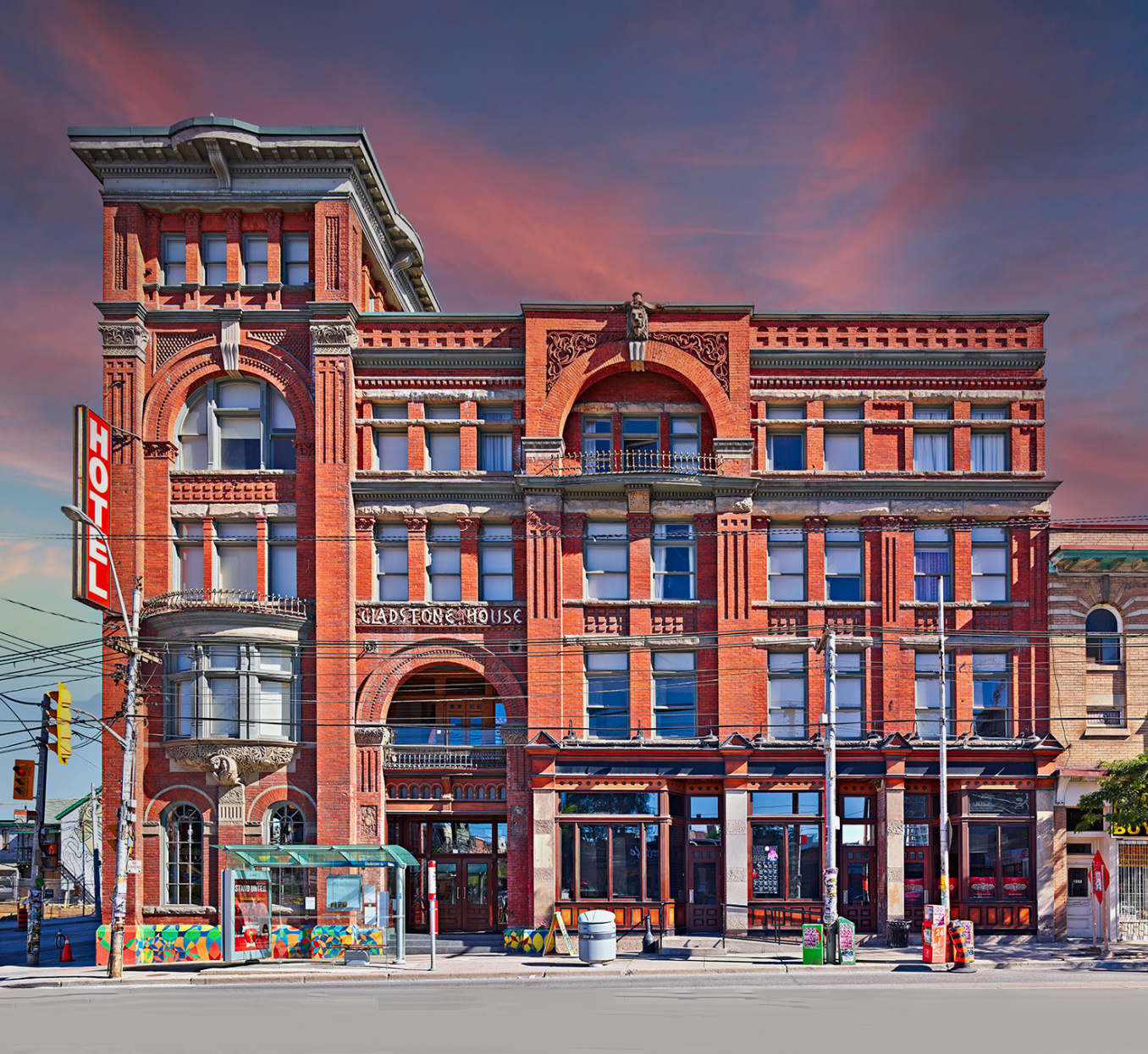
Discover the Coolest Street in the City: A Guide to Exploring Queen Street

A Stroll Through History and Architecture

Queen Street is a place where cool, best, and greatest collide. This vibrant thoroughfare has it all: culture, art, music, shopping, dining, history, architecture, and community events. It’s no wonder that it’s considered one of the premier destinations in the city. But don’t just take our word for it – here are a few interesting facts that prove Queen Street’s superiority:

  • Queen Street is home to over 250 independent businesses, making it one of the most diverse shopping districts in the city.
  • The street is home to numerous art galleries and music venues, including the historic Massey Hall, where legends like Elvis Presley, the Rolling Stones, and Bob Dylan have all performed.
  • In addition to its cultural offerings, Queen Street is home to a wide variety of stores and restaurants, including many locally-owned businesses. In fact, it’s been named one of the top 10 “Foodie Streets” in Canada.
  • Queen Street is also home to many beautiful old buildings and landmarks, including the iconic Campbell House, which dates back to the 1830s and is now a museum.
  • Finally, Queen Street is the site of many community events and festivals, including the wildly popular Toronto International Film Festival, which draws hundreds of thousands of visitors to the street each year.

It’s no wonder that it’s considered one of the premier destinations in the city. One thing that sets Queen Street apart is its cultural diversity. The street is home to a vibrant and diverse community, and this is reflected in the many different shops and restaurants that line the street. From traditional ethnic cuisine to trendy boutiques, there’s something for everyone on Queen Street.

But it’s not just about the shopping and dining – Queen Street is also a hotbed of artistic activity. There are countless art galleries and music venues scattered throughout the neighborhood, making it a great place for art lovers and music aficionados. And with numerous cultural centers and performance spaces, it’s easy to find something interesting and inspiring to do on Queen Street.

Queen Street East and Queen Street West are two separate streets in Toronto, Ontario, Canada. Queen Street East is a major east-west thoroughfare that runs through the city from the Don River in the east to the Etobicoke Creek in the west. Queen Street West is a north-south thoroughfare that runs parallel to the western edge of Toronto’s downtown core.

One of the main differences between Queen Street East and Queen Street West is their location within the city. Queen Street East is located in the eastern part of Toronto and passes through neighborhoods such as Riverside, the Beach, and the Upper Beaches. Queen Street West, on the other hand, is located in the western part of Toronto and passes through neighborhoods such as Parkdale, West Queen West, and Liberty Village.

Another difference between the two streets is the type of businesses and attractions that can be found along them. Queen Street East is home to a variety of residential and commercial properties, as well as a number of parks and recreational facilities. Queen Street West, on the other hand, is known for its vibrant cultural scene and is home to many art galleries, music venues, and independent stores and restaurants.

Overall, while both Queen Street East and Queen Street West are important thoroughfares in Toronto, they offer very different experiences and attractions for visitors and residents alike.

No matter which side East or West, all of Queen Street is also home to a wide variety of stores and restaurants, making it a great place to go shopping and dining out. Whether you’re looking for the latest fashion trends or just want to grab a bite to eat, you’ll find something to suit your tastes on Queen Street.

And then there’s the history and architecture. Queen Street is home to many beautiful old buildings and landmarks, which give the street its unique character and charm. From grand Victorian mansions to Art Deco storefronts, there’s always something interesting to see on Queen Street.

Queen Street in Toronto is home to a diverse range of architectural styles and landmarks, reflecting the city’s rich history and cultural heritage. As one of the city’s oldest and most iconic streets, Queen Street is home to a number of historic buildings and structures that are significant to the city’s architectural and cultural landscape.

One of the most notable architectural landmarks on Queen Street is the Campbell House, a beautifully preserved Georgian-style mansion that was built in the 1830s and is now a museum. The house, which is located at the corner of University Avenue and Queen Street, is a testament to the city’s early history and is an important example of classical revival architecture.

Other notable architectural landmarks on Queen Street include the Gooderham Building, also known as the Flatiron Building, which is an iconic Art Deco structure that was built in the 1890s; the Great Hall, a Victorian-era concert hall that is now a popular event space; and the Old City Hall, a stunning Romanesque Revival building that was completed in 1899 and served as the city’s main civic center for many years.

In addition to these landmarks, Queen Street is home to a variety of other architectural styles, including Victorian, Art Deco, Modernist, and Postmodern. The street is also home to many newer buildings and structures that incorporate contemporary architectural designs and materials.

Overall, Queen Street is a great place to explore and appreciate the city’s rich architectural history and diversity. From its iconic landmarks to its diverse range of styles and eras, the street is a testament to Toronto’s cultural and architectural evolution.

Finally, Queen Street is the site of many community events and festivals, which bring people together and add to the street’s lively atmosphere. From farmers’ markets to parades, there’s always something going on to keep you entertained.

In short, it’s easy to see why Queen Street is considered the coolest, best, greatest street around. With its diverse culture, rich artistic scene, shopping and dining options, historical landmarks, and community events, it’s a destination that has something for everyone. So there you have it – Queen Street is not just the coolest, best, greatest street around – it’s a place that has something for everyone. So next time you’re looking for a fun and vibrant destination, head on down to Queen Street and see for yourself!

The Beauty of Winter: Exploring Toronto in a Snowstorm

Welcome to our 4K walking channel! In this video, we invite you to join us on a snowy stroll down the bustling Yonge Street in Toronto. As the day before Christmas, the city is alive with holiday cheer and the streets are adorned with beautiful Christmas lights and decorations.

As we make our way from Bloor Street towards Yonge Dundas Square, you’ll get to experience the hustle and bustle of the city on the eve of Christmas. The winds howl as we walk through the snowy streets, taking in the festive atmosphere that surrounds us. Along the way, we’ll pass by Toronto’s most iconic landmark and points of interest, Yonge & Dundas Square along with Toronto Eaton Centre, a popular shopping destination.

As we approach Yonge Dundas Square, we’ll take a moment to appreciate the bright lights, giant screens, and bustling energy of the area as shoppers and tourists all pack together in the cold. This popular public square is known for its vibrant atmosphere, and it’s a great place to take in the holiday spirit.

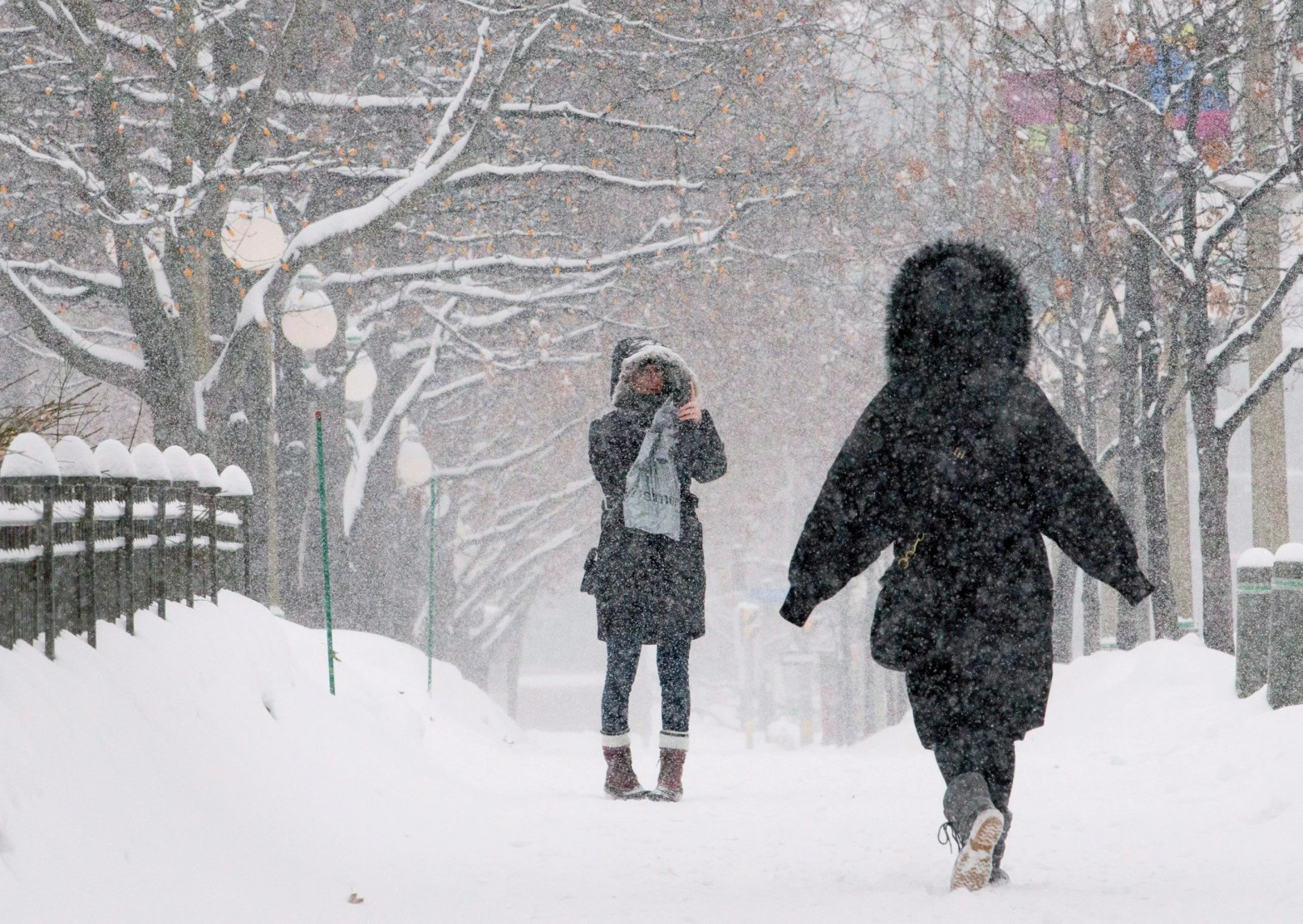
Walking in a Toronto snowstorm can be a magical experience. As the snow falls gently from the sky, the city transforms into a winter wonderland, with the snow-covered streets and buildings creating a picturesque setting. The cold air is invigorating and the crunch of snow underfoot adds to the sense of adventure.

Whether you bundle up in warm layers and brave the elements or take in the snowstorm from the comfort of a cozy coffee shop, there’s something truly special about experiencing Toronto in the winter. So, join us on this wintery walk through Toronto’s downtown core and get in the holiday spirit with us.

A Winter Wonderland: A Night Walk Through Ottawa During a Snowstorm

It was a cold and snowy day in Ottawa, Canada’s capital city, when I decided to take a walk in the midst of an intense snowstorm. As I stepped out into the wintry wonderland, I was immediately struck by the beauty of my friends snow-covered street and the charming brick houses that lined them.

Wrapped up in my warm coat and boots, I set off on my walking tour, determined to capture the magic of the snowstorm on my 4k camera. As I strolled through the quiet, snowy streets, I couldn’t help but marvel at the serene beauty of the scene around me. The snow-covered trees and houses seemed to glow in the soft, white light of the snow, creating a truly magical atmosphere.

As a Canadian who grew up in and around Toronto, I am still a tourist when I’m visiting Ottawa. While the summer is a great party, I am always struck by the beauty of the city during the winter. The brick houses blanketed in snow, the trees and all their branches heavy with snow add to the winter wonderland atmosphere of living in Canada.

As I walked (my fingers literally freezing), I couldn’t help but feel a sense of awe and wonder at the power of Mother Nature. Despite the cold and the blustery winds, I was filled with a sense of joy and peace as I took in the beauty of the snowstorm. It was a truly magical experience, one that I will always treasure.

As I turned to head back home, I knew that I had just had the most incredible and unforgettable winter walk. Whether you’re a seasoned winter warrior or a newcomer to the snow, I highly recommend taking a walk in the midst of a snowstorm – it truly is a once-in-a-lifetime experience that you’ll never forget.

Soundtrack Your Adventure: The Best Travel Playlists for Any Mood

If you know me, you know that I absolutely love to travel, and I LOVE music. There’s something about discovering new places, trying new foods, and immersing myself in different music scenes which truly excites me. But as much as I love the actual act of traveling, I also love the planning and preparation that goes into it.

One of my favourite parts of the planning process is creating the perfect playlist for a trip. Music has the power to transport us to different places and set the mood for any experience, and even to create deep emotional memories. Whether I’m hitting the road for a long drive or jetting off to a far-off destination, the right playlist can make all the difference in setting the tone for my adventure.

That’s why I’ve put together this list of my favourite travel playlists – I hope they can help soundtrack your next adventure too!


Dancing in the Streets

Welcome to our “Dance in the Streets” playlist, where you’ll find a mix of upbeat, energetic tracks that will have you moving in no time. Featuring The Flaming Lips, Bahamas, and Harry Styles, this playlist is perfect for those days when you just can’t sit still.

Expect to hear catchy melodies, funky beats, and plenty of guitar riffs that will have you dancing like nobody’s watching. So put on your coolest sneakers and let these tunes get you moving. Whether you’re in a new city or or just cruising around your hometown, these songs will make you want to bust a move wherever you go.


Insane Mix Tape

This playlist is for those who crave raw, unconventional sounds that push the boundaries of rock music. Expect to hear gritty guitar riffs, abrasive vocals, and unconventional song structures that will keep you on the edge of your seat. So if you’re looking for something a little different, this is the playlist for you.

Crank it up and let these bands take you on a wild ride through the world of art punk, noise rock, and experimental music. Get ready to rock out with our art punk, noise rock, and experimental playlist, featuring bands like Tropical Fuck Storm, TV on the Radio, Tame Impala, and Connan Mockasin.


Acoustic Heartbreak

Heartbreaking Acoustic playlist is a collection of emotional and intimate songs that are stripped down to their raw essence. These songs showcase the true talent and emotion of the artists, and the lyrics explore themes of love and longing.

The playlist features a mix of well-known alongside lesser-known indie artists, all of whom deliver powerful and moving performances. Whether you’re feeling blue or just in the mood for some soul-searching, this playlist is sure to hit you right in the feels. So grab your headphones, get comfortable, and let these heartfelt acoustic tracks take you on an emotional journey.


MY MUSIC THROUGH THE YEARS

Whether you’re planning a trip around the world or just need a soundtrack for your daily commute, music has the power to make any experience more meaningful and memorable. So the next time you hit the road or take to the skies, be sure to bring along a playlist of your favourite tunes. They’ll provide the perfect soundtrack for your adventures and help you create memories that will last a lifetime.

As we begin our next journey through the world of music and travel, I hope that you’ve been inspired to create your own playlists and discover new artists along the way.


The Beauty and Science of Ottoman Astronomy.

The Fascinating World of Ottoman Astronomy: Illuminated Manuscripts and Beyond

During the Ottoman era, Istanbul was home to a thriving community of astronomers and scientists. These scholars were fascinated by the stars and the mysteries of the universe, and they spent their lives studying the skies and recording their observations.

One of the most striking features of Ottoman astronomy was the use of illuminated drawings to record and visualize the movements of the stars and planets. These intricate illustrations, which were often created using gold and silver ink, were not only beautiful to behold, but also served a practical purpose. They allowed astronomers to carefully track the movements of celestial bodies and to make detailed predictions about their future behavior.

In addition to creating illuminated drawings, Ottoman astronomers also used a variety of other tools and techniques to study the heavens. They built observatories, where they could make observations without interference from the city’s lights and smoke. They also developed sophisticated instruments, such as quadrants and astrolabes, which allowed them to measure the positions and movements of the stars with great precision.

Despite the many advances made by Ottoman astronomers, their work was largely unknown outside of the empire. It was not until the 19th and 20th centuries, when Western scholars began to study and translate their writings, that the full extent of their achievements was recognized. Today, the illuminated drawings and other works of Ottoman astronomy are considered to be some of the most important and beautiful examples of scientific illustration in history.

Timber! A guide to woodstuffs

While new materials are always showing up at local building supply centres and big box suppliers, some of the most interest materials and more specialized pieces are a still special order. The advantage, though, is that they can be custom-made to size in many cases, saving labour and creating less waste. Another advantage is how these materials are evolving to better serve designers in the architecture field. Mass timber can also allow quicker, cleaner assembly on site as well as being lighter than traditional construction materials.

Developed for commercial use in Europe in the late 1980s, mass lumber materials are rapidly growing in popularity as an alternative to carbon-intensive concrete and steel that, unlike traditional timber, can be used to construct tall buildings.

Traditional dimensional lumber, two-by-four, two-by-sixes, etc., are sawn from a single log; but Engineered lumber is manufactured to exacting standards. Here’s a rundown:

CLT: Cross Laminated Timbers, also called Mass Timbers. A structural member made up of three to seven layers or more at 90 degrees to each other from strength.

GLT: Glued Laminated Timbers, also called Glulam. Wood whose grains are aligned and bonded under pressure.

PSL: Parallel Strand Lumber, also known as Parallam. Long veneer strands of wood fibres laid parallel and bonded with glue. Commonly used for long-span beams, heavily loaded columns, and beam and header applications where high bending strength is needed.

LSL: Laminated Strand Lumber is made from the shreds of fast-growing, low-value logs (aspen, birch and poplar). It’s been used mainly in smaller dimension applications such as beams, lintels, base/top plates and rim boards.

LVL: Laminated Veneer Lumber is similar to plywood except that the grain is usually only oriented in the longitudinal direction. Engineered to precise design values and with a very high strength-to-weight ratio, LVL columns, beams and lintels often replace dimension lumber or glulam as columns, beams and headers.

I-Joists: Invented in 1969, the engineered wood version of the lumber joist can carry more weight for its size. Made from laminated veneer lumber, plywood or strand board, the pieces resist bowing, twisting, splitting and shrinking and help eliminate squeaks.

Source: Canadian Wood Council

What I Learned Eating Breakfast Around The World

Food is a big part of any culture, and the first meal of the day is important for setting the tone for your new surroundings. In this post I’ve gathered my top breakfast recipes from all the countries I’ve travelled to, including India, Korea, Spain and more.

I recently returned home after spending three years travelling through nearly 40 countries. I’m so grateful to be back with my family, but I can’t help but miss the food that I grew to love over the past few years.

In this post, I’ve put together a roundup of my favourite breakfasts from all the different countries that I visited and experienced. There are recipes for local specialties like Irish boiled eggs with soldiers, Korean pancakes with sesame oil and gochujang, and traditional Moroccan bissara with sweet milk. Enjoy exploring!

After travelling the world for 3 years, I have put together a list of my favourite breakfast dishes from different countries. Breakfast is one of the most important meals of the day, and it reflects local cultures. There are so many ways to make breakfast, but these are my top 10 favourite dishes from around the world:

There are so many wonderful breakfast dishes from all around the globe. It was hard to narrow it down, but these are my favourites from around the wold


Here are My Favourite Breakfast Dishes From Every Country I’ve Travelled To…

Turkish Breakfast

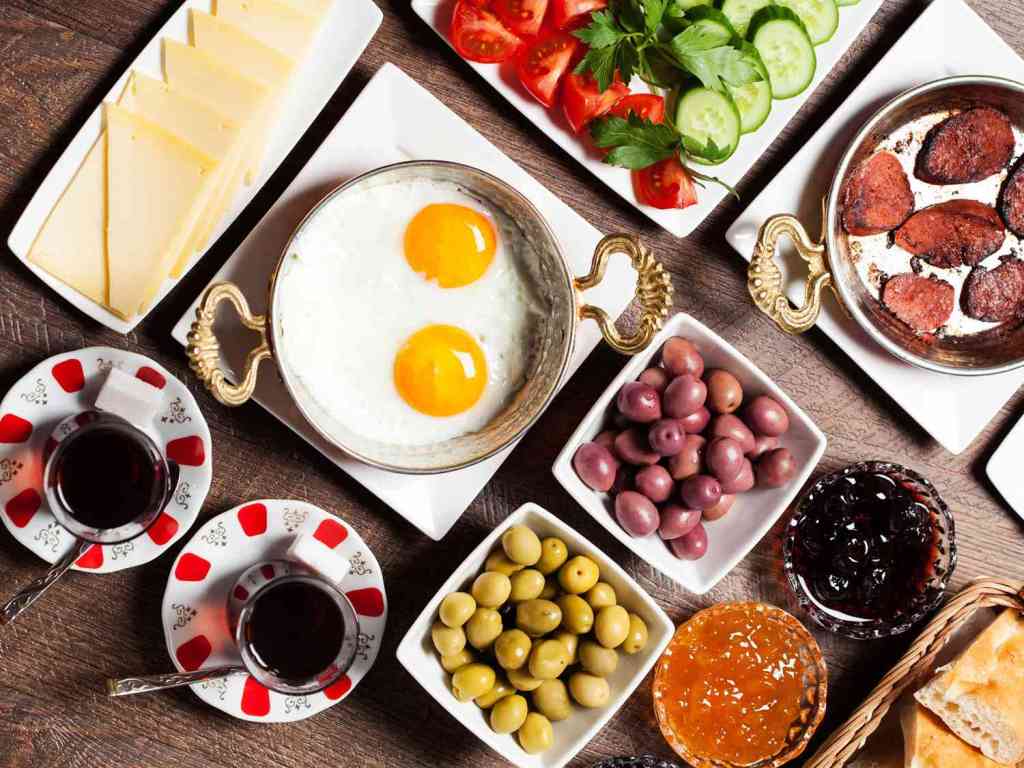
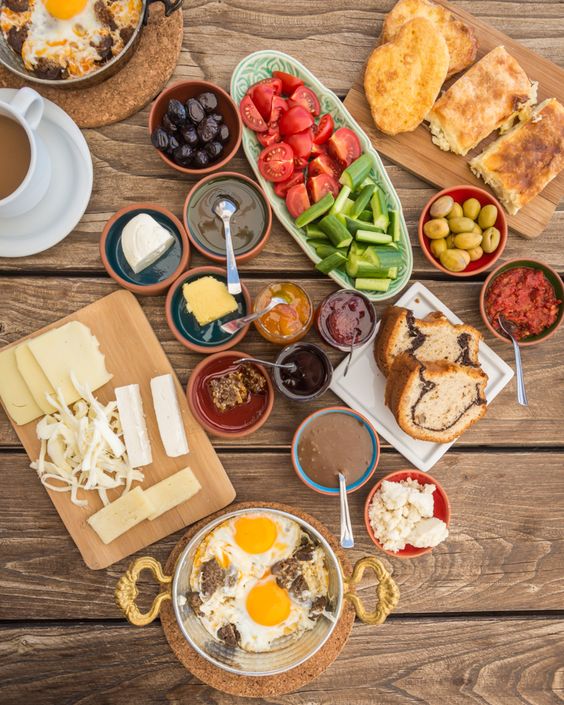
A Turkish breakfast is a feast for the senses. There is a wide variety of traditional dishes to choose from, all of them delicious.Start your day with a cup of strong Turkish coffee or tea. Then help yourself to a selection of meze, small dishes that may include olives, cheese, eggs, and vegetables. The main dish is usually some kind of bread or pastry filled with meat or vegetables. And don’t forget the honey! Turkish breakfast is not complete without a drizzle of this sweet nectar.So why is Turkish breakfast the best? It’s a perfect balance of taste, texture, and nutrition. Whether you’re looking for something light or something hearty, there’s a dish for you. And the best part is that you can enjoy it any time of day.

American Breakfast

When it comes to breakfast, there are few things more all-American than breakfast. A hearty, filling meal to start the day, an American breakfast typically includes eggs, bacon or sausage, pancakes or biscuits and gravy. And of course, coffee.For those not used to cooking such a large meal first thing in the morning, it can seem like a daunting task. But with a little planning and some help from friends or family, it’s easy to whip up a delicious cowboy breakfast that will leave everyone satisfied.One of the best things about a cowboy breakfast is that it can be tailored to everyone’s taste. Whether you like your eggs sunny side up or scrambled, your bacon crispy or chewy, there’s a way to make it just right for you. And don’t forget the pancakes! Add some fruit or chocolate chips to the batter for an extra special treat.So round up your friends and family and enjoy a classic American breakfast today. It’s sure to start your day off right!

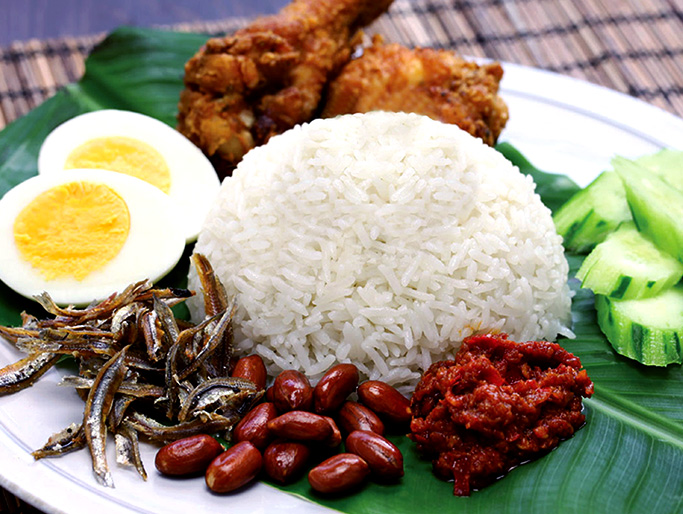
Malaysian Breakfast

Malaysian breakfast is a meal that is enjoyed by many people in Malaysia. It usually consists of rice, eggs, and some type of meat. It can also include other types of food such as vegetables, fruits and drinks. The Malaysian breakfast meal usually consists of rice, eggs, and some type of meat. It can also include other types of food such as vegetables, fruits and drinks.

Nasi Lemak is a dish that originated in Malaysia and Singapore. It is made from steamed rice cooked in coconut milk, and flavoured with pandan leaves. The rice is cooked with coconut milk, turmeric, ginger, ikan bilis (anchovies), peanuts and dried shrimp. The dish can also be served with eggs or chicken pieces.

Mexican Breakfast

Mexican breakfast is a delicious meal that you can have any time of the day. It includes eggs, cheese, beans, tortillas and other ingredients. The best part is that it can be eaten with either sweet or savory toppings.

The reason why Mexican breakfast is so delicious is because it has all the right ingredients. For example, eggs are a great source of protein and they taste great when they are cooked in different ways. Tortillas are also a staple in Mexican breakfasts because they make for a great wrap for all the other ingredients such as beans and cheese.

The best part about mexican breakfast is that it can be eaten with both sweet or savory toppings. This means you don’t have to worry about having to eat your eggs with sugar if you want them on top of toast or if you prefer them scrambled instead of fried.

Canadian Breakfast

Canadians are known for their love of maple syrup. It is a staple in many Canadian households and restaurants. Maple syrup is an integral part of Canada’s history, culture, and economy. Canada produces about three quarters of the world’s maple syrup supply. Quebec alone produces over 40% of the world’s supply.

Breakfast is a meal that I think is a perfect dish for the cold Canadian mornings. The dish is made up of scrambled eggs, bacon, cheese, and bread. It is a hearty breakfast that will keep you full all day long.

Moroccan Breakfast

Moroccan breakfast is usually served in a riad or a traditional Moroccan house. It is made up of several dishes, including bread, olives, cheese, jam and honey.

The Moroccan breakfast is typically served in a Riad or traditional Moroccan house. It consists of several dishes including bread, olives, cheese, jam and honey.

Italian Breakfast

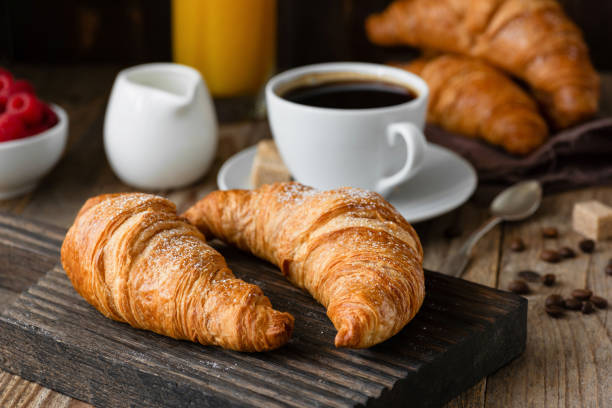
Breakfast with croissants, coffee, orange juice and berries on wooden table. Closeup view, selective focus

The breakfast in Italy is really different from the one we have in the US. Italians don’t eat eggs and bacon for breakfast, instead they enjoy a croissant and a cup of coffee.

Croissants are not as common in Italy as they are in France, but Italians love them. The most popular type of croissant is the “canneloni” which is stuffed with either jam or chocolate cream.

Indian Breakfast

Breakfast is a meal that is often skipped in India, as people are more likely to eat whatever they can find on their way to work. This is because they usually don’t have the time to prepare a meal before leaving for work.

Breakfast in India is usually composed of tea and some kind of bread, such as chapati or toast. A cup of tea with a slice of bread has been found to be the most common breakfast item across all socioeconomic classes in India. In some regions, people eat more traditional fare, like dosa or idli with chutney.

Chinese Breakfast

Beijing is a city that is famous for its food. It has a rich history of imperial cuisine and Beijing breakfast is one of the most iconic dishes. The dish consists of dumplings, congee, and other dishes.

Beijing breakfast also often include dumplings that are boiled or steamed in water to create a soup-like dish. The dish typically has several types of meat and vegetables inside the dumplings with soup poured over it in the bowl.

Egyptian Breakfast

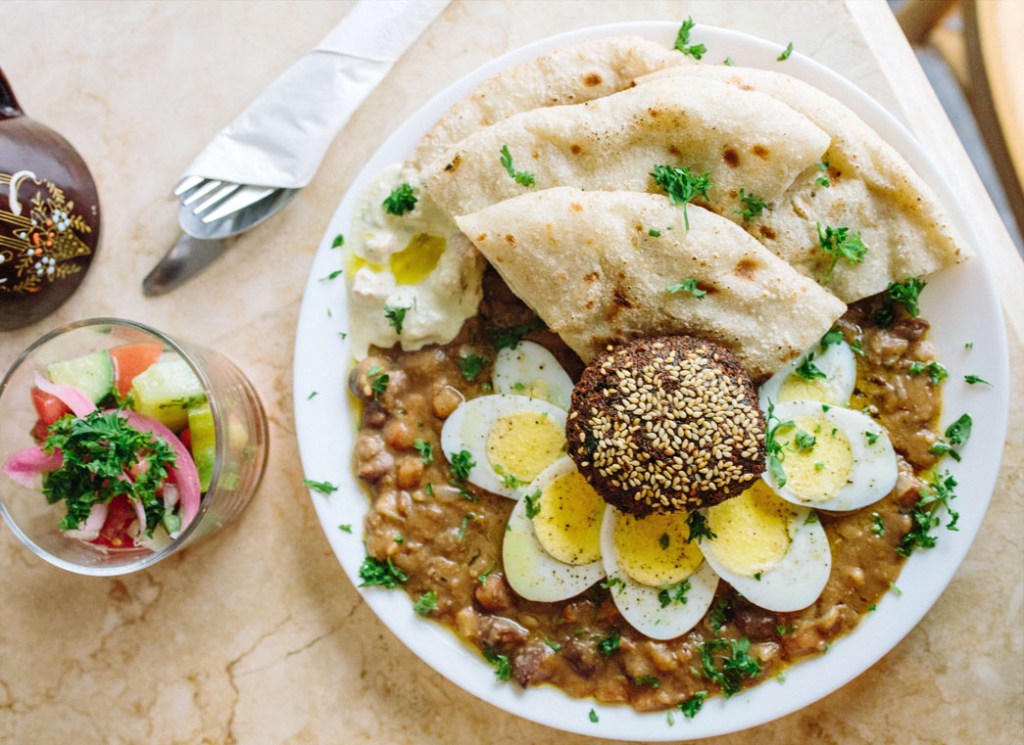
The breakfast in Cairo, Egypt is very different from the breakfast in America. Egyptians typically have a lot of bread with their breakfast and they will eat it with cheese or jam. They also have some eggs, which are usually boiled or fried.

Cairo is one of the most populated cities in the world and it has a population of around 18 million people. The city is located on the east bank of the River Nile and it’s been a center for trade for thousands of years.

Greek Breakfast

In Greece, breakfast is usually a light meal, consisting of bread and coffee. The coffee is usually strong and sweet, with a small amount of milk. The Greeks have a tradition of eating breakfast outside the home. They eat their breakfast on the island’s taverns or in cafes. Greek omelette is a dish that has been eaten in Greece for centuries. It is a popular breakfast item and it can be served as an appetizer or as a main course. The dish consists of eggs, oil, salt, pepper and chopped onion mixed with shredded cheese and then fried in olive oil.


Breakfast is such an important meal of the day, and it can be the best way to try new dishes. In this blog post, I’ve shared my favourite breakfast recipes that I’ve found travelling – you’ll have plenty of inspiration for your next dish!


A Foodie’s Guide to Breakfast Around The World.
My Favourite Breakfast Dishes From Every Country I’ve Travelled To.


Pedestrian Streets are Helping Montréal Move on From from Lockdown.

Walking the Pedestrian Streets of Montréal

Montreal Mayor Valérie Plante has announced that 10 streets in the city will be pedestrian-only this summer. Montréal is a great city for walking and enjoying public places.

Pedestrian streets are very popular in Montréal and are part of the urban landscape, especially during the summer season. They encourage people to connect with places, and ensure the vibrancy of neighbourhoods and their businesses. Their safety is also a big plus. With cars prohibited or tightly controlled, pedestrians feel much safer and the risk of accidents is much lower. Nuisances caused by vehicle traffic, such as stress and air and noise pollution, are also greatly reduced.Finally, the more spacious layout of these streets allows each walker to choose his or her own pace, regardless of physical condition, and encourages active mobility.

The city is capitalizing on the great potential of local streets to create new neighbourhood public places where people can meet. Converting streets to pedestrian malls is part of this process and encourages appropriation of public spaces, discovery of local neighbourhoods and interactions between those who make them come alive.

The city will provide $12-million in funding for the pedestrianization of the commercial arteries spread over a three-year period. Pedestrian and shared-use streets, whether permanent or seasonal, provide a safe, enjoyable walking environment in the heart of the city. These colourful streets have become a signature and a staple of summer in Montreal. Try one out and you’ll discover new meeting places and opportunities for relaxation and entertainment in the heart of your favourite neighbourhoods.

As the COVID-19 pandemic continues to evolve, cities around the world are finding new ways to adapt and recover from the economic impacts of lockdowns and restrictions. In Montréal, one of the strategies that has been implemented to help the city move on from lockdown is the creation of pedestrian streets.

Pedestrian streets, also known as car-free streets or “pink streets,” are streets that are closed to vehicular traffic and are open exclusively to pedestrians and cyclists. The idea behind these streets is to create a safer and more enjoyable environment for people to spend time in, while also supporting local businesses and promoting active transportation.

In Montréal, a number of pedestrian streets have been created in recent months as part of the city’s recovery efforts. These streets are typically located in busy commercial areas and are open during daytime hours, allowing people to walk, shop, and enjoy the city without worrying about traffic. Many of these streets feature outdoor seating and other amenities, such as music, games, and art installations, to create a festive and welcoming atmosphere.

The creation of pedestrian streets in Montréal has had a number of benefits for the city. In addition to supporting local businesses and promoting active transportation, these streets have also helped to create a sense of community and bring people together during a time when social distancing measures are still in place. They have also been popular with tourists, who have been drawn to the city’s lively and pedestrian-friendly atmosphere.

Overall, the creation of pedestrian streets in Montréal is helping the city move on from lockdown and adapt to the challenges of the pandemic. By creating a safe and enjoyable environment for people to spend time in, these streets are helping to support local businesses, promote active transportation, and foster a sense of community in the city.

The Iconic Ottoman Explorers who wandered the Empire

The Ottoman Empire was a vast and powerful state that stretched from the Balkans to the Middle East and beyond. During its long and storied history, the Ottoman Empire was home to a number of intrepid explorers who ventured forth to discover new lands and peoples. These explorers hailed from all walks of life and came from all corners of the Ottoman world, but they all shared a common love of adventure and a desire to learn about the world around them. Some of the most famous Ottoman explorers include Derviş Mehmed Zillî, Abu Abdullah Muhammad ibn Battutah, and Evliya Çelebi, all of whom are remembered for their incredible journeys and the invaluable insights they brought back to the Ottoman Empire.

Derviş Mehmed Zillî

Derviş Mehmed Zillî also known as Evliya Çelebi was a well-known Ottoman explorer who is remembered for his extensive travels and adventures in the late 18th and early 19th centuries.

Born in 1747 in Istanbul, Zillî was a member of the Ottoman aristocracy and received a classical education in Islamic studies and the sciences. From an early age, he showed a keen interest in exploration and travel, and as a young man he set out on a series of expeditions that took him to many parts of the world.

One of Zillî’s most notable trips was his journey to Mecca in 1772, where he made the pilgrimage as a devout Muslim. He also visited other holy cities in the region, such as Medina and Jerusalem, and wrote detailed accounts of his experiences that provide valuable insights into the customs and cultures of the people he encountered.

In addition to his travels in the Middle East, Zillî also ventured further afield, making trips to Europe, Africa, and Asia. He visited many major cities and landmarks, including Paris, London, Cairo, and Delhi, and was always eager to learn about the local cultures and traditions.

Despite the dangers and challenges that he faced on his travels, Zillî remained undaunted and continued to explore the world with a sense of curiosity and wonder. He was a skilled linguist and writer, and his accounts of his adventures were widely read and admired.

Today, Derviş Mehmed Zillî is remembered as one of the great Ottoman explorers of his time, and his contributions to our understanding of the world have made him an enduring figure in the history of exploration.


Abu Abdullah Muhammad ibn Battutah

Ibn Battuta was a Moroccan scholar and explorer who is widely considered one of the greatest travelers of all time. Born in 1304 in the city of Tangier, Battuta set out on a journey of discovery at the age of 21 that would take him to many parts of the world, including Africa, Asia, and Europe.
Battuta’s travels were motivated by his deep curiosity about the world and his desire to learn about different cultures and traditions. He was also a devout Muslim, and his journey was, in part, a religious pilgrimage.

Over the course of his travels, Battuta visited more than 40 countries and covered a distance of around 75,000 miles. He traveled through the Middle East, India, China, and Southeast Asia, and also made trips to Europe, including Spain and the Byzantine Empire.

Battuta was a skilled linguist and a keen observer of the world around him, and he recorded his experiences in great detail in a book called “The Travels of Ibn Battuta.” His accounts provide valuable insights into the customs, cultures, and histories of the places he visited, and are an important source of information about the world in the 14th century.

Today, Ibn Battuta is remembered as one of the great explorers of his time, and his contributions to our understanding of the world have made him an enduring figure in the history of exploration.


Derviş Mehmed Zillî and Abu Abdullah Muhammad ibn Battutah were two of the most famous Ottoman explorers of all time, and their adventures have inspired countless others to follow in their footsteps. Their bravery, curiosity, and thirst for knowledge have made them enduring figures in the history of exploration.