Behind the Red Lights: A Journey into the Architecture of Sex Work

From Tobita Shinchi in Osaka to Amsterdam’s Red Light District: A Cultural Exploration of the Architecture of Sex Work

The architecture of sex work is a complex and fascinating subject that encompasses a multitude of cultural, social, and historical factors. From the neon-lit brothels of Amsterdam’s Red Light District to the discreet massage parlours of Thailand, the design and structure of sex work spaces offer a unique lens through which to explore the intersection of pleasure, desire, and urban environments. Yet, behind the façade of these spaces lies a world of contradictions and complexities, where societal norms clash with individual desires and the built environment becomes a stage for erotic performances. In this blog, we delve into the architecture of sex work, exploring the unique design features and cultural contexts of these spaces while contemplating the deeper implications of the built environment on human sexuality.

The architecture and design of sex work spaces have a complex relationship with the social, cultural, and economic contexts in which they exist. From the traditional brothels in Japan to the modern-day streetwalkers in the US, sex work spaces have been shaped by various factors, including legal frameworks, cultural norms, and societal attitudes towards sex work.

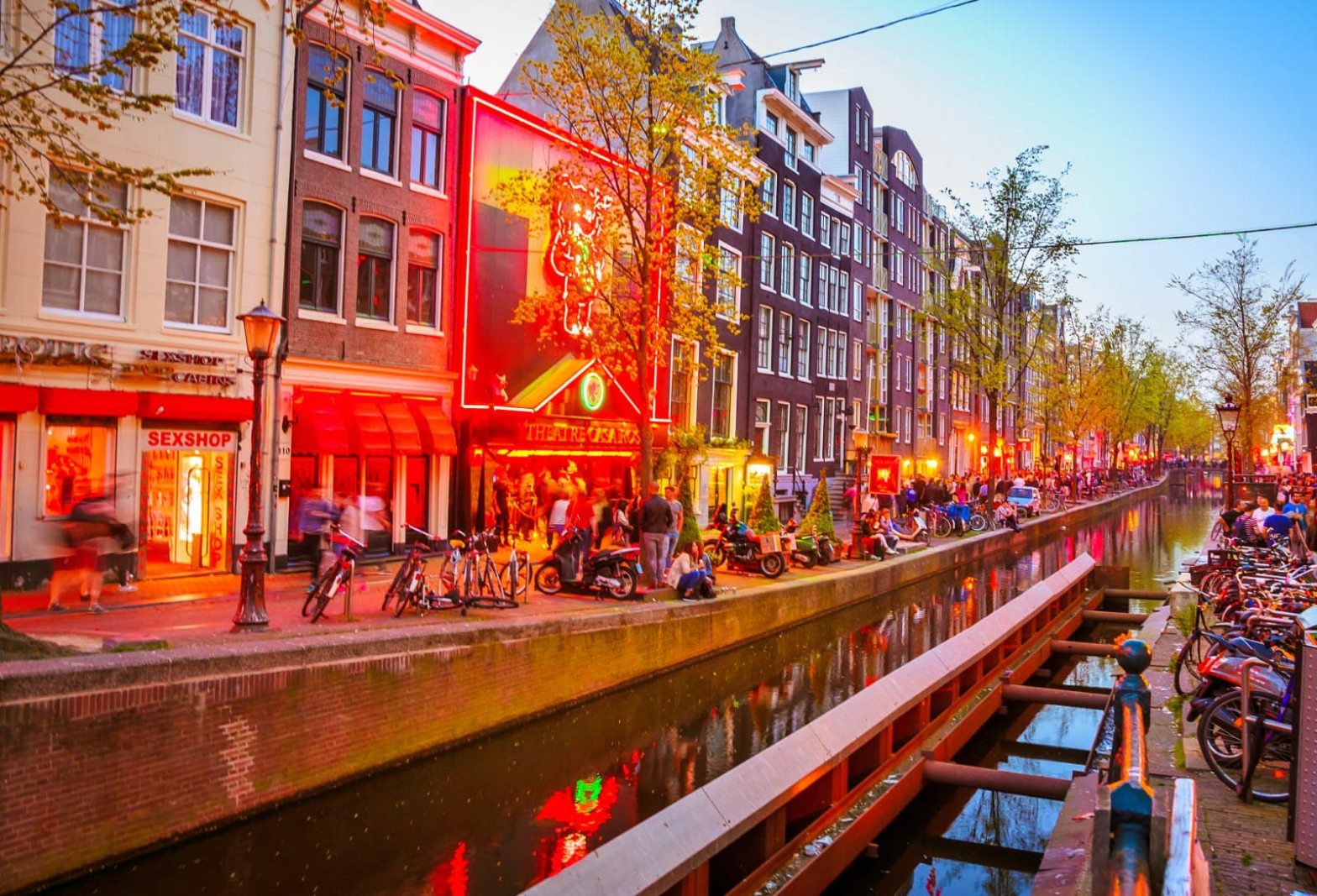
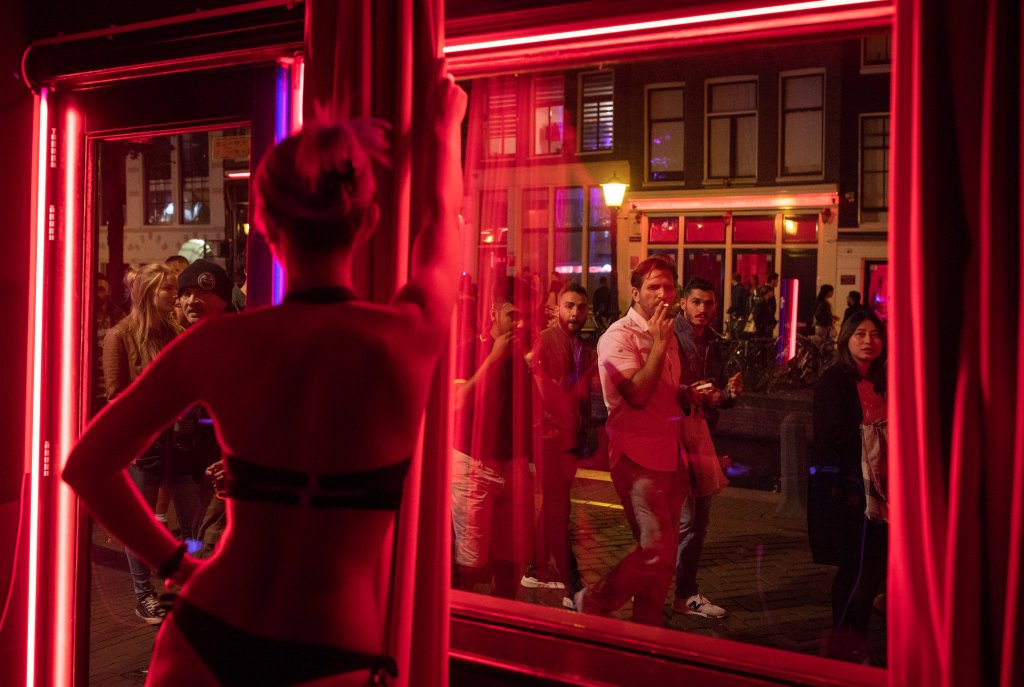
In Amsterdam’s Red Light District, the architecture and design of the brothels and window displays are regulated by the city’s government. The buildings themselves are historic and narrow, with a mix of traditional Dutch architecture and modern interventions. The red-light windows that display the sex workers have distinctive red and blue neon lights, which have become a symbol of Amsterdam’s sex industry. The city has also implemented various design interventions to improve safety and hygiene, such as security cameras, panic buttons, and separate entrances for sex workers and clients.

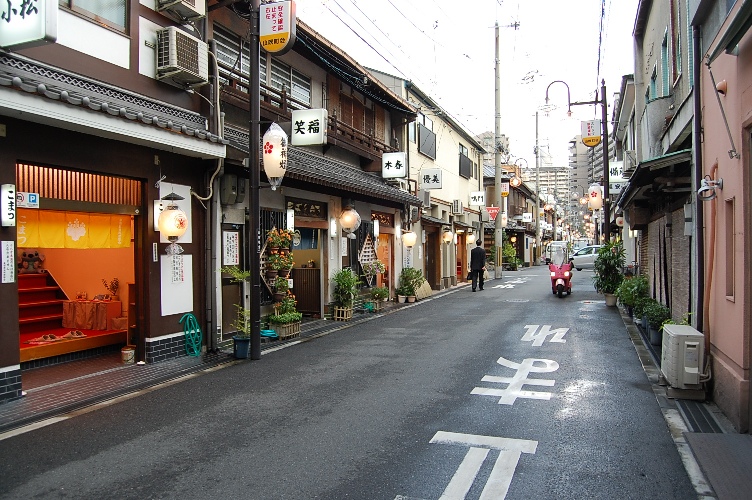
Tobita Shinchi, Japan’s largest red-light district, has a long history dating back to the Edo period. The district is comprised of narrow streets and alleys lined with brothels, bars, and restaurants. The buildings are typically wooden and have a distinctively Japanese architectural style. Each brothel has a unique façade that is often adorned with lanterns and signage, making it easy for customers to identify their preferred establishment. The design of the streets is also important, with the narrow alleys creating a sense of privacy and intimacy.

Stepping into Tobita Shinchi’s recreated traditional streets is like entering a timeless realm where history and desire intertwine. Wooden structures, weathered by time, exude an authentic aura, their graceful curves and intricate details whispering stories of bygone eras. Softly glowing lamps and lanterns cast a warm, inviting light, illuminating hidden corners and enticing passersby. Intimacy pervades the narrow, cloistered alleys, with leaning facades creating a sanctuary from the outside world. Elaborate wooden carvings, depicting love and lust, adorn the facades, while the rhythmic patterns of meticulously crafted beams showcase enduring craftsmanship. The aroma of incense mingles with whispers of secrecy, adding an alluring touch to this symphony of desire, where tradition and modernity converge, and architecture becomes an accomplice to unfolding fantasies.

In Thailand, massage parlours that offer happy endings are often disguised as legitimate businesses, with the sex work aspect hidden from plain view. The design of these spaces is typically modern and minimalist, with subdued lighting and discreet signage. Some parlours may have private rooms or curtained-off areas where the sex work takes place.

In contrast, the architecture and design of American streetwalking and hourly motels are often characterized by a lack of permanence and a focus on anonymity. Many streetwalkers operate in urban environments, using alleyways and abandoned buildings as their workspace. The hourly motels that cater to sex workers are often located in seedy neighborhoods and offer little in the way of amenities or design.

It’s worth noting that the architecture and design of sex work spaces are often influenced by legal frameworks. In countries where sex work is criminalized, the spaces tend to be more discreet and hidden, while in countries where sex work is legalized, the spaces are more visible and regulated.

Overall, the architecture and design of sex work spaces are shaped by a multitude of factors, from cultural norms to legal frameworks. While some spaces have a long history and distinct architectural styles, others are characterized by anonymity and a lack of permanence. As an urban planner, architect, and historian, it’s important to approach this topic with sensitivity and an understanding of the complex social, cultural, and economic contexts that shape these spaces.

The architecture of sex work reveals a fascinating and complex interplay between discretion and visibility, pleasure and power, desire and societal norms. From the historic streets of Tobita Shinchi to the bustling Red Light District of Amsterdam, and the hidden massage parlours of Thailand, the design and structure of these spaces reflect the cultural and social attitudes towards sexuality and prostitution. As urban planners, architects, and historians, it is our responsibility to delve deeper into the design features of these spaces, their cultural and historical contexts, and the impact they have on human sexuality and urban environments. By doing so, we can gain a greater understanding of the complex and often contradictory nature of sex work, and work towards creating more inclusive and equitable cities for all. This exploration of the architecture of sex work in contemporary society highlights the ongoing need for nuanced and thoughtful discussions on the intersection of sexuality and the built environment.

Sources:

  • Hubbard, P. (2011). Sex zones: Intimacy, citizenship and public space. Routledge.
  • Strega, S., & O’Brien, J. (2016). Mapping the terrain of sex work in an era of change. Journal of Sex Research, 53(4-5), 419-437.
  • Williams, L. R. (2016). Sex work, streetwalking, and gentrification in New York City. Urban Geography, 37(6), 855-874.
  • Wilson, G. (2008). Sex in the city: The devaluation of sex in contemporary American street culture. Social Semiotics, 18(3), 361-378.

Discover the Magic of Ramadan Festivities at Cairo’s Khan al-Khalili Market.

A Night to Remember: My First Ramadan in Egypt

Welcome to a mesmerizing journey through the heart of Cairo’s historic Khan el Khalili market during the enchanting Ramadan festivities.

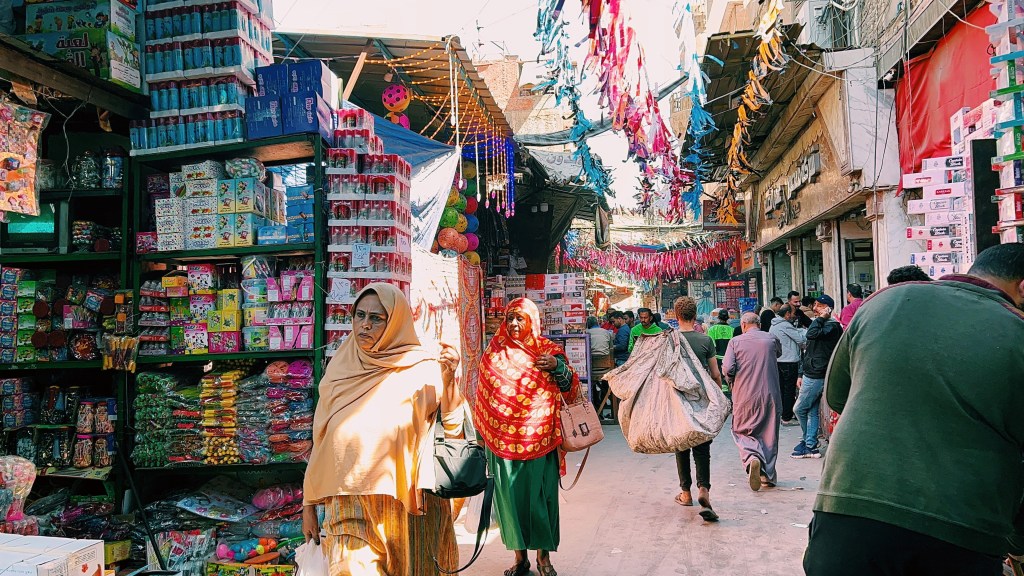
As I embark on this adventure, we will be transported back in time, exploring the narrow, winding streets of Islamic Cairo, a neighbourhood steeped in history and brimming with the rich culture and traditions of this ancient city. The market’s many shops overflow with treasures, from gleaming brass lamps and intricate textiles to delicate glassware and handcrafted jewelry, each piece a testament to the skill and artistry of the local craftsmen.

Spiralling dervishes whirl gracefully, their colourful robes creating mesmerizing patterns as they dance in harmony with the hypnotic melodies. Dancing magis, adorned in their mystical attire, captivate onlookers with their enchanting performances, weaving tales of magic and wonder. 

Traditional musicians, their fingers deftly plucking the strings of their ouds and qanuns, transport listeners to a world of timeless beauty and soul-stirring emotion. The air is filled with the rich aroma of spices, the sweet scent of shisha, and the tantalizing fragrance of freshly brewed mint tea.

The market comes alive with the sounds of laughter, chatter, and the rhythmic beats of traditional music echoing through the ancient alleys. As we wander deeper into the heart of the market, we pass by coffee shops where patrons engage in lively conversation, their faces illuminated by the flickering candlelight.

Shisha bars hum with activity, as friends and families gather to share stories and enjoy each other’s company amidst the fragrant clouds of smoke. From the hypnotic dance of the spiralling dervishes to the captivating performances of dancing magis, and the soulful melodies of traditional musicians, we will immerse ourselves in the magic of the occasion.

So, join me as I step into a world of wonder, illuminated by the warm glow of lanterns and the spirit of Ramadan, and let us be swept away by the timeless beauty and charm of Khan el Khalili market.

As the sun sets over the ancient city of Cairo, the vibrant colours of the sky give way to the twinkling stars above. The air is filled with the aroma of sweet dates and savoury dishes, as the bustling Khan el Khalili market comes alive with the spirit of Ramadan. The historic neighbourhood of Islamic Cairo, with its narrow cobblestone streets and towering minarets, is a testament to the rich history and culture that has thrived here for over a thousand years.

As we begin our adventure, the melodic call to prayer echoes through the air, signalling the end of the day’s fast. Families gather to break their fast together, sharing in the joy and gratitude of the holy month. The market’s alleyways are illuminated by the warm glow of brass lanterns, casting intricate patterns of light and shadow on the walls.

Spiralling dervishes, their flowing garments creating a mesmerizing dance of colour and movement, whirl to the rhythm of the traditional music that fills the air. Dancing magis, their eyes alight with the secrets of the ages, captivate onlookers with their enchanting performances. The hypnotic beats of the tabla and the soulful melodies of the oud weave a tapestry of sound that transports you to a time long past.

As you wander deeper into the market, the scent of strong, spiced tea and fragrant shisha smoke beckons you to pause and savor the moment. The lively chatter of patrons in tea shops and shisha bars creates a symphony of voices, each with their own story to tell. The market’s stalls overflow with treasures, from gleaming brass lamps and intricate textiles to fragrant spices and delicate sweets.

The spirit of Ramadan is palpable in every corner of Khan el Khalili, as people come together to celebrate their faith, their community, and their shared history. The joy and warmth of the festivities envelop you, inviting you to become a part of this timeless tapestry of culture and tradition. As you continue your journey through the market, you are swept away by the magic of the occasion, forever touched by the enchanting beauty of this ancient city during the holy month of Ramadan.

Cairo Unveiled: A Journey Through the Heart of the City

My Unforgettable Walk Through Downtown Cairo

A few weeks ago, I embarked on an unforgettable journey through the labyrinthine market streets of downtown Cairo during the vibrant month of Ramadan. The heart was heavy with anticipation and excitement, as the city pulsed with life and energy imploring me to explore.

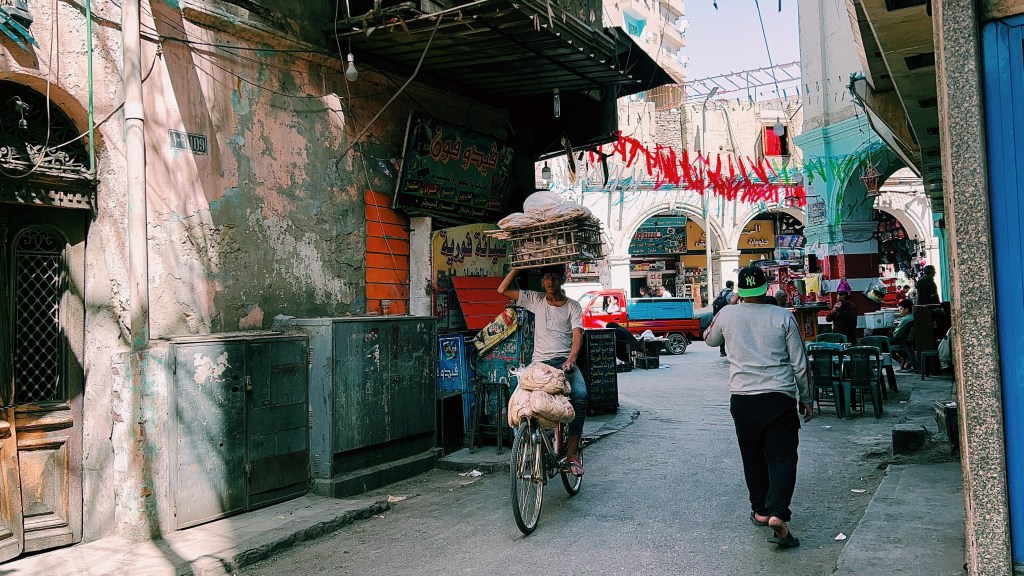
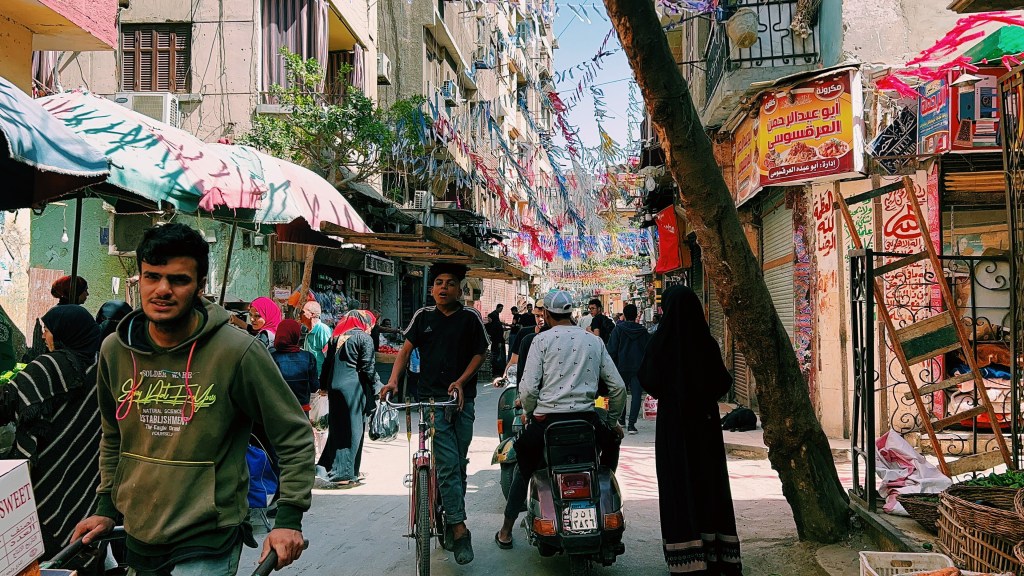
My tour began in the bustling electrical market between ‘Abdin and Al-Muski, the neighbourhood a treasure trove of wonders. The narrow streets were lined with shops overflowing with household appliances, cell phones, flat screens, and accessories. The cacophony of sounds was almost overwhelming, as vendors shouted out their wares and customers haggled passionately over prices. The air was filled with the scent of solder and warm plastic, mingling with the aroma of strong coffee and sweet pastries from nearby street vendors.

As I ventured deeper into the heart of the city, I stumbled upon a hidden gem: a classical arcade nestled among the chaos. The arcade was a time capsule, with a handful of old shops that seemed to have been frozen in time. The sunlight filtered through the dusty windows, casting a warm glow on the worn wooden floors and illuminating the framed view of the city outside. Here, I was able to immerse myself in the rich history of Cairo’s markets, feeling the weight of centuries of commerce and culture.

Continuing my journey, I headed up Abd El-Khaleq Tharwat Street towards the Ramses area, drawn by the majestic silhouette of Al Fath Mosque and its soaring minarets. As I explored the winding backstreets, I was greeted by a kaleidoscope of colours and textures. Merchants displayed their wares proudly, offering everything from vibrant clothing and shoes to fresh produce and fragrant spices. The real focus, however, was on power tools, parts, and construction equipment. The air was filled with the sounds of metal clanging and machinery whirring, as skilled craftsmen demonstrated their expertise to potential buyers.

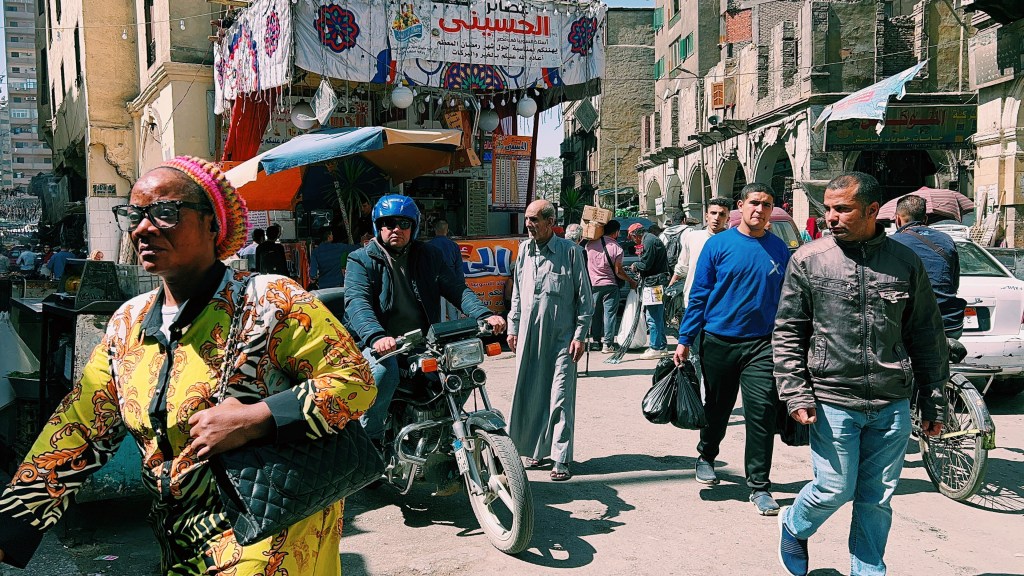
Finally, I arrived at the bustling markets along Kamel Sedky Street, known simply as Cairo Market. The atmosphere here was electric, as people from all walks of life came together to buy and sell a dizzying array of goods. Countless packs of cigarettes and piles of tobacco were stacked high, alongside fresh cuts of meat, fish, and seafood that glistened in the sunlight. The scent of exotic spices wafted through the air, mingling with the earthy aroma of textiles and the rich scent of polished wood from the furniture stalls.

As I wandered through the market, I marvelled at the intricate craftsmanship of the traditional handicrafts on display. Delicate glass lanterns, hand-painted pottery, and finely woven carpets caught my eye, each piece telling a story of the skilled artisans who had created them. The market was a living tapestry of Cairo’s rich cultural heritage, a testament to the city’s enduring spirit and resilience.

The World’s Best Water Fight: Three Days of Songkran Festival.

Get Ready to Get Wet: My Epic Experience at Three Days of Songkran Festival in Chiang Mai, Thailand.

From water buckets and super soakers to hoses and cups, the people of Chiang Mai pull out all the stops to drench each other in water. And as I walk through the walled city and moat, I capture it all while getting completely soaked. It’s an action-packed adventure that you won’t want to miss. So grab your own water gun and get ready to immerse yourself in the festivities by watching my video.

When I first heard about the Songkran Festival in Chiang Mai, Thailand, I knew I had to experience it for myself. So, I booked a flight from Cairo during Ramadan and set out on an adventure like no other.

As I arrived in Chiang Mai, I was greeted with the festive atmosphere that only Songkran can provide. Everywhere I looked, people were drenched in water, laughing, and having fun. I made my way to the walled city, where the festivities were in full swing.

As I walked around, I couldn’t help but feel completely immersed in the water fight. Buckets of water were being thrown from all directions, and people were armed with water guns and super soakers, ready to drench anyone in their path. I couldn’t help but join in on the fun, and before I knew it, I was soaked from head to toe.

The best part of my experience was being able to document it all through my 4k walking tour. I captured every moment, from the joyful laughter to the water splashing, and the vibrant colours of the traditional Thai costumes.

As a traveler, I’ve seen and experienced many incredible things, but the Songkran Festival in Chiang Mai was truly one of the most unique and unforgettable experiences of my life. Being able to join in on the festivities and capture it all on camera was an adventure I will never forget. If you ever get the chance to experience the Songkran Festival for yourself, I highly recommend it.

Experience the Magic of the Winter City of Lights

Relaxing walk in Downtown Montréal at Night

Experience the night magic of Montreal in the winter with this 4K walking tour of the city’s best light installations. From the colourful displays at the Place des Festivals to the mesmerizing projections at the Quartier des Spectacles, this tour will take you on a journey through the heart of Montreal’s vibrant winter cultural scene.

Walking around Montreal in the winter can be a truly unique and magical experience. The city transforms into a winter wonderland, with icy streets, frosty air and an abundance of holiday lights. The locals bundle up in warm winter clothing, from cozy parkas to fur-lined boots, to brave the cold.

As you wander through the streets, you’ll be surrounded by the hustle and bustle of the holiday season. Shop windows are adorned with twinkling lights and festive decorations, inviting you to explore the city’s many charming boutiques and shops. The streets are filled with people out enjoying the holiday season, whether they’re ice skating at the local rink, or taking a horse-drawn carriage ride through the city.

The main attractions are also beautifully decorated with colourful lights creating a magical ambiance. All in all, walking around Montreal in the winter is a must-do experience that will leave you feeling festive and full of holiday cheer.

A Journey Through the Centre Pompidou’s Dynamic Architecture and Revolutionary Structure

The Art of Locomotion: A Walking Tour of the Centre Pompidou’s Kinetic Facade

The Centre Pompidou is a cultural centre located in Paris, France, and was designed by the British architect Richard Rogers in collaboration with Italian architect Renzo Piano. The building is known for its unique design, which features a steel structure, brightly coloured exterior pipes, and an exposed skeleton that reveals the building’s inner workings.

Richard Rogers was a British architect renowned for his modernist and high-tech architectural style, which emphasized functionality, transparency, and technological innovation.

Throughout his career, Rogers focused on creating buildings that were not only visually striking but also sustainable and responsive to urban life. He was a strong advocate for urban regeneration and believed that architecture should contribute positively to the public realm. Some of his other prominent works include the Millennium Dome (now The O2) in London and one of his most iconic works is the Lloyd’s Building also in London.

The design principles Rogers established with the Centre Pompidou were influenced by the functionalist and modernist movements of the 20th century. The building was designed to be a flexible and adaptable space, capable of accommodating a wide range of cultural activities. To achieve this, the architects created an open-plan interior with few fixed partitions, allowing for a variety of layouts and uses.

Another key design principle of the Centre Pompidou is the idea of revealing the building’s inner workings. The steel structure, pipes, and other building systems are all exposed on the exterior of the building, giving it a distinctive industrial look. This design also allowed for easy maintenance and repair of the building’s systems.

The brightly coloured pipes on the exterior of the building are not just decorative, but also serve a functional purpose. The colours indicate the different building systems, with blue pipes for air conditioning, green pipes for plumbing, yellow pipes for electrical wiring, and red pipes for elevators and escalators.

Overall, the design of the Centre Pompidou represents a departure from traditional approaches to building design. By exposing the building’s inner workings and creating a flexible and adaptable space, Richard Rogers and Renzo Piano created a building that is both functional and visually striking.

The Cities Meeting Space in Main Square & Ground Floor of Paris’s Most Public Facing Cultural Centre

The main square outside the Centre Pompidou, also known as the Place Georges Pompidou, is a unique and dynamic public space located in the heart of Paris. The square was designed by the architects Renzo Piano and Richard Rogers, who also designed the Centre Pompidou itself.

The architects envisioned the square as an open and inclusive public space, where people could come together and engage in a variety of cultural, social, and educational activities. The square is a popular destination for tourists and locals alike, and it serves as a hub of activity and creativity in the city.

The square is characterized by its bold and colourful design, with large expanses of concrete and glass, and a distinctive network of metal pipes and ducts that provide ventilation for the Centre Pompidou. The design of the square reflects the architects’ commitment to transparency and accessibility, as well as their desire to create a space that would be both functional and aesthetically pleasing.

The ground floor of the Centre Pompidou is also an important public meeting space and open event zone. The architects envisioned the ground floor as a flexible and adaptable space that could be used for a variety of purposes, including exhibitions, performances, and public lectures.

The ground floor features a large, open-plan design, with flexible partitions that can be reconfigured to suit different types of events. The space is also equipped with state-of-the-art audiovisual equipment, which allows for high-quality sound and video presentations.

Overall, the design of the main square and the ground floor of the Centre Pompidou reflect the architects’ vision for an open and inclusive public space that would promote creativity, innovation, and cultural exchange. Today, the square and the ground floor continue to serve as important gathering places for people from all walks of life, and they remain a testament to the enduring legacy of the Centre Pompidou as a hub of cultural and intellectual activity.

Entering the ground floor of the Centre Pompidou is a highly visible and dynamic space that serves as the main entrance and information hub for the building. It is a large, open-plan area with a distinctive industrial feel, thanks in part to the exposed steel structure and brightly coloured pipes that run along the walls and ceilings.

The pipes on the first floor serve both a functional and aesthetic purpose. They are colour-coded to indicate the different building systems, such as air conditioning, plumbing, and electrical wiring. The blue pipes indicate the air conditioning, the green pipes represent plumbing, the yellow pipes are for electrical wiring, and the red pipes denote the elevators and escalators. This colour-coding system not only provides visual interest but also helps visitors to navigate the building.

The elevators themselves are a prominent feature of the first floor. Rather than being hidden away in a service area, the elevators are located in the center of the space, enclosed in a glass shaft that provides a clear view of the building’s internal workings. This design choice emphasizes the building’s openness and transparency, inviting visitors to explore and engage with the space.

The first floor of the Centre Pompidou also features a range of information and service desks, including ticketing, information, and cloakroom facilities. These are arranged in a semi-circular configuration, creating a sense of flow and movement through the space. The walls are decorated with large-scale murals and colourful graphics, adding to the building’s overall sense of vibrancy and energy.

Overall, the first floor of the Centre Pompidou is a striking and functional space that reflects the building’s innovative design principles. With its exposed pipes, central elevators, and bold colour scheme, it sets the tone for the rest of the building, inviting visitors to explore and engage with this unique cultural centre.

Wandering External Walkways, Escalators and Elevators of the Centre Pompidou’s Dynamic and Electric Facade.

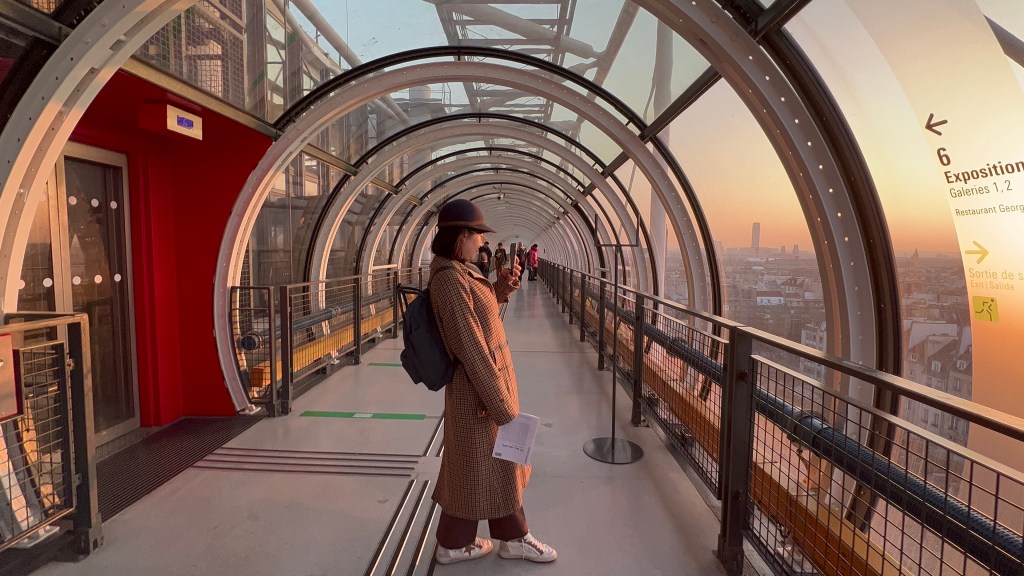
The Centre Pompidou is unique in the way it allows visitors to move from floor to floor. The building features a series of external escalators and a moving walkway, all of which are visible from the building’s facade.

The external escalators are located on the north side of the building and provide access to the upper floors. They are housed in a distinctive glass tube that runs along the exterior of the building, creating a dramatic visual effect. As visitors ride the escalators, they can enjoy panoramic views of the surrounding cityscape, including the nearby Saint-Merri Church and the iconic Eiffel Tower.

The moving walkway, or travelator, is located on the east side of the building and provides access to the first floor. It is housed in a similar glass tube, which runs parallel to the external escalator tube. This design creates a dynamic interplay between the two tubes, further emphasizing the building’s innovative approach to design.

The tubes that encase the escalators and the moving walkway are also brightly coloured, following the same colour-coding system as the pipes on the building’s exterior. The tubes are painted in shades of blue, green, yellow, and red, making them visually striking and adding to the building’s overall sense of playfulness and creativity.

Overall, the external escalators and moving walkway at the Centre Pompidou are a key feature of the building’s design. They provide a unique and memorable way of moving between floors, while also offering visitors stunning views of the city. The use of coloured tubes adds to the building’s distinctive aesthetic, making it stand out from other buildings and further cementing its status as a landmark of modern architecture.

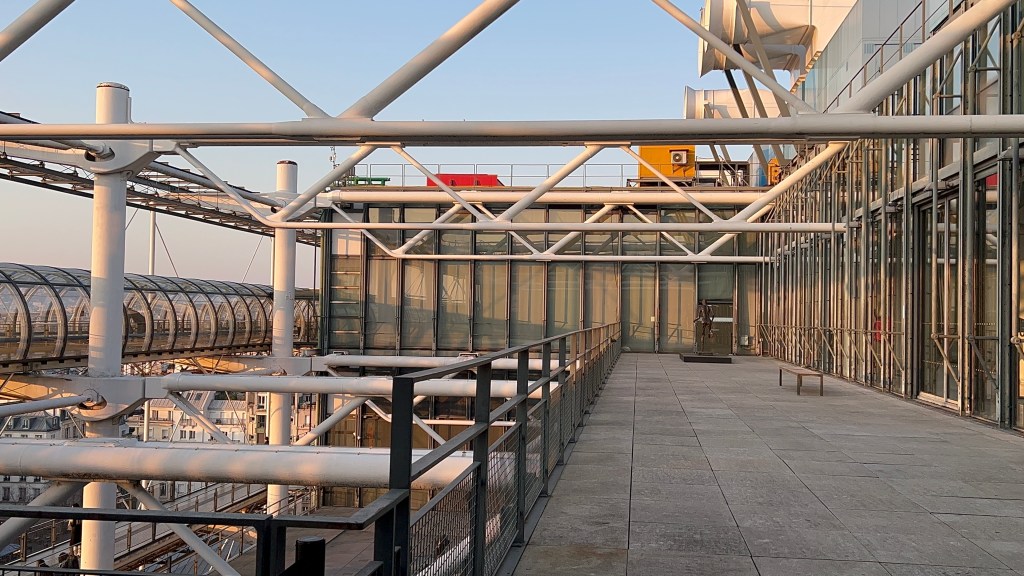
The rooftop square, also known as the Piazza, is one of the Centre Pompidou’s most iconic features. This open-air space is located on the top floor of the building and offers panoramic views of the city.

The Piazza is designed to be a flexible space, capable of hosting a range of events, from art exhibitions and performances to public gatherings and protests. It is paved with brightly coloured tiles and features a number of sculptures and installations, including works by Alexander Calder and Joan Miró.

In addition to the Piazza, the rooftop level also houses a sculpture gallery, which features a rotating selection of works from the Centre Pompidou’s extensive collection. The gallery is housed in a series of interconnected pavilions, which are arranged around a central courtyard. Visitors can enjoy both the art and the stunning views of Paris as they move through the gallery space.

The rooftop level is also notable for its horizontal walkways, which are suspended above the Piazza and provide additional opportunities for visitors to take in the views. The walkways are partially enclosed in glass, creating a sense of openness and transparency.

Finally, the rooftop level includes a restaurant, called Georges, which is housed in a striking glass box that juts out from the building’s exterior. The restaurant offers panoramic views of the city and is a popular destination for both tourists and locals.

Overall, the rooftop level of the Centre Pompidou is a vibrant and dynamic space, offering stunning views, unique artworks, and a range of activities and events. The horizontal walkways, sculpture gallery, and restaurant all contribute to the building’s sense of innovation and creativity, making it a must-visit destination for anyone interested in modern architecture and contemporary art.

Wanderlust from Home: Virtual Walking Tours to Satisfy Your Travel Cravings.

Explore the World with Our Stunning Collection of Virtual Walking Tours

Are you looking for a way to explore the world without leaving your home? Look no further than our collection of stunning walking tours, captured in stunning HDR, 4K resolution.

Embark on a virtual adventure around the world with our first person videos of both bustling city streets and tranquil nature trails. From the vibrant energy of New York’s Soho district to the lush gardens of Topkapi Palace, there’s something for everyone. Each video is carefully crafted to provide an immersive and engaging experience, featuring high-quality visuals and immersive soundscapes that transport you to the location. Whether you’re looking for travel inspiration or a way to unwind, our walking tours have you covered. So sit back, relax, and let us take you on a virtual journey around the world.

Uncovering the History and Culture of Maastricht

Exploring the Historic Centre of Maastricht: A Walk Through the Dutch City

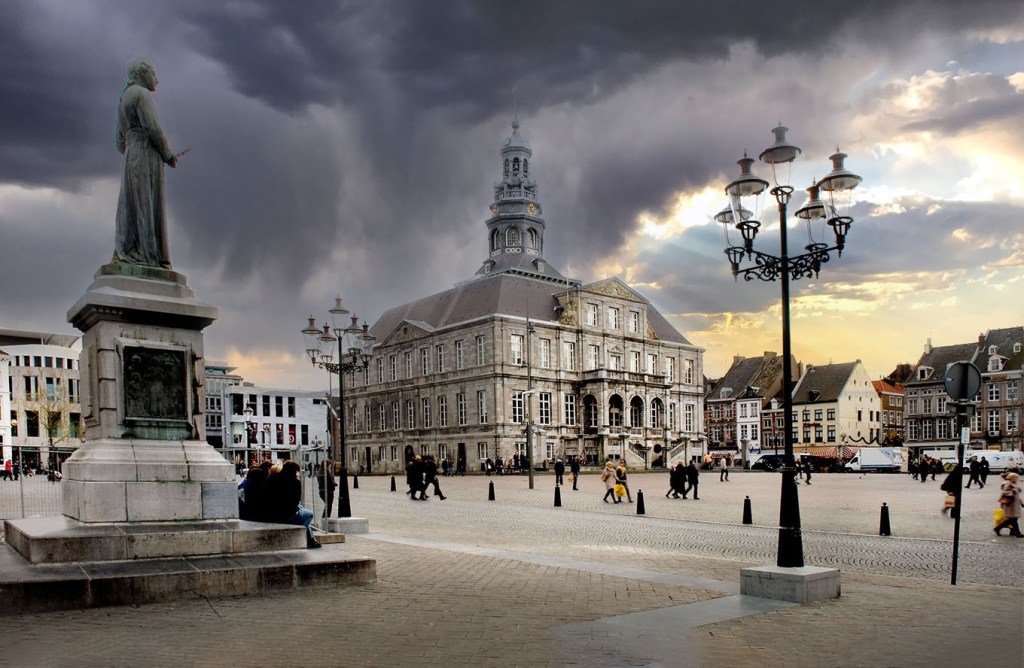
Welcome to Maastricht, the charming and historic city located in the southernmost part of the Netherlands. As an architect with a passion for history and urban design, I was excited to explore this city and soak up its unique atmosphere. Join me as we take a virtual 4k walking tour through Maastricht and discover its fascinating history, stunning architecture, and vibrant culture.

Our journey begins in the heart of the city’s historic town center, where we are immediately captivated by the lively Carnival marching bands that take over the streets each year. We witness colourful Carnival processions with lively marching bands and flamboyant costumes, adding to the excitement of our adventure. Despite the change in weather, the city’s beauty still shines through with its charming cobblestone streets, medieval architecture, and delightful red light-lit cafes.

As we wander through the charming streets of Maastricht, we take in the sights and sounds of Carnival and encounter colourful processions that are a testament to the town’s vibrant culture. One of the several permanent Carnival reminders is the ‘T Zaat Hermenieke, a collection of five colourful and oddly-shaped sculptures by Dutch artists Han van Weterine. They depict players from the first Carnival marching band: a drummer, a trumpeter, a tuba player, a cymbals player, and the biggest figure leading the march holding up a baton topped with a skull mask. So wacky!

Our journey takes us through a maze of streets, where we search for the most beautiful book store in the world, the award-winning Dominicanen Book Store located inside a stunning 13th century Gothic church. The architecture of this church is a testament to the city’s rich history and the ingenuity of its builders, who used brick and timber to keep the buildings from sinking below sea level. This stunning book store is a perfect example of how Maastricht blends its historical past with modern innovation.

We stop by the city’s bustling main squares, where life and activity abound regardless of the rainy weather. We set out on a quest to find that hidden gem of knowledge and commerce, and we are not disappointed. Our journey leads us down a medieval side street lined with warmly lit cafes and table-lined cobblestone roads, before circling back to get a closer look at the massive churches and basilicas of Maastricht.

Turning our attention to the soaring pinkish-red tower on the 13th century Sint Janskerk (Saint John Church), we note that the tower has not always been painted with the current distinctive red colour. However, it clearly defines a unique architectural feature specific to the Netherlands, a country located below sea level. Traditional grand churches would be constructed with heavy cut stone, but the structural elements of these buildings had to be lightened, which is why brick and timber were used to supplement them.

Finally, we reach our destination, the grand 13th century Gothic church that houses the breathtaking Dominicanen Book Store. We are awed by the grandeur of the bookcases set within the church’s intricate architecture, resulting in a truly magical atmosphere. Stunning details of the church’s interior are revealed between elegant reading spots, rows of bookshelves, and direct access to the magnificent vaulted ceiling above. No where else in the world can you experience a church’s architecture this way!

Maastricht is a city that is rich in history, architecture, and culture, and this is just a small glimpse of what it has to offer. As we conclude our virtual walking tour, we are left with a sense of awe and appreciation for the city’s unique charm, history, and fun-loving energy. If you’re a lover of history, architecture, and culture, then Maastricht is a must-visit destination that should

From Swordfish to Sardines, A Window into Sicilian Food Culture.

Exploring the Soul of Italy: A 4k Walking Tour of the Fish Market in Catania

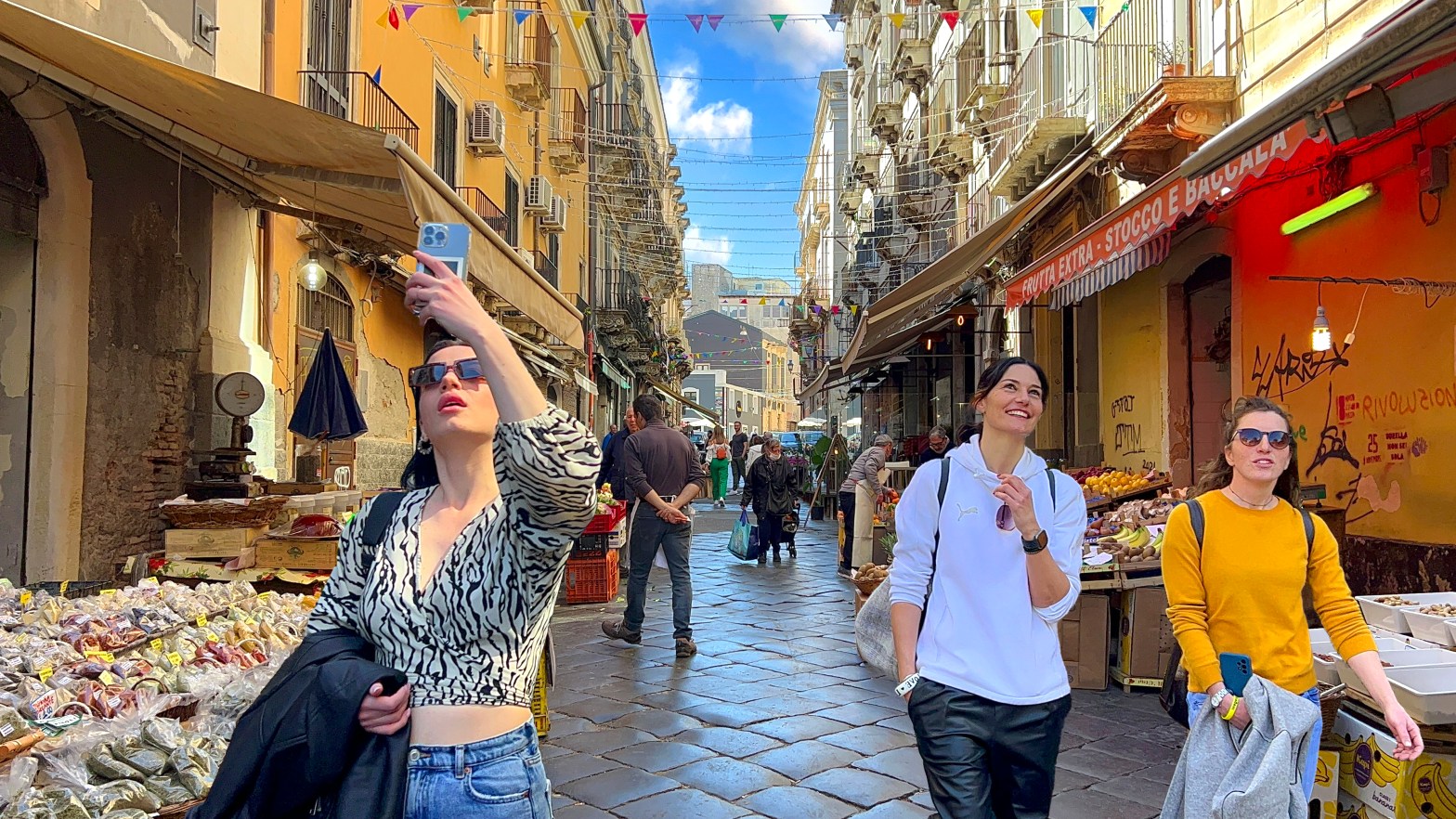
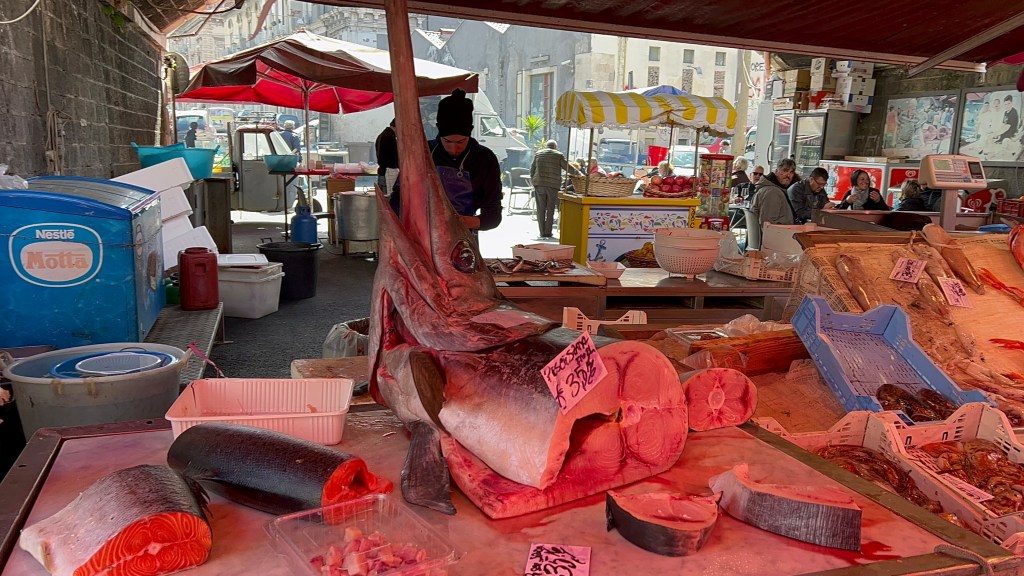
Eager to experience the authentic flavours and vibrant culture of Italy? Join us as we navigate the lively crowds and colourful stalls, taking in the sights and sounds of one of the most beloved markets in the country. From giant swordfish and tuna to tiny sardines and anchovies, the fish market is a feast for the senses, offering an incredible variety of fresh seafood and other products at affordable prices.

Whether you’re a foodie, a culture enthusiast, or just looking for a unique adventure, our walking tour is the perfect way to experience the heart and soul of this iconic Italian market. So grab your backpack and join us on a journey you’ll never forget. Watch now and experience the historic fish market in Catania like a true backpacker.

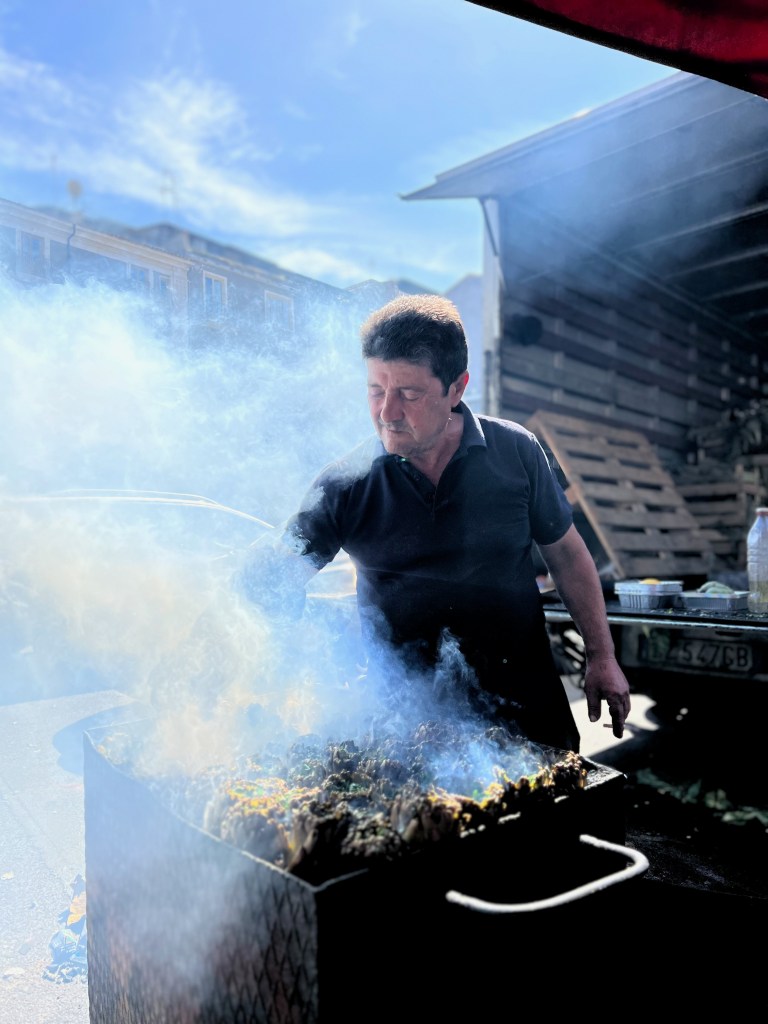
As soon as I stepped into the historic market in Catania, I was overwhelmed by the sights, sounds, and smells that surrounded me. The bustling crowds of people, the vendors shouting out their wares, and the incredible variety of fresh seafood and other products on display were all a feast for the senses.

I made my way through the market, taking in everything around me. The fish market was the first section I came to, and I was amazed by the colourful array of fish and shellfish on offer. There were huge swordfish and tuna, their gleaming scales catching the sunlight, as well as tiny sardines and anchovies, piled high in baskets. The smell of the sea was in the air, and I could see the glistening eyes of the fish, still fresh from the ocean.

As I walked further into the market, I came across the general market, where vendors were selling everything from fresh fruits and vegetables to meats, cheeses, and other specialty foods. I saw mounds of brightly coloured peppers and tomatoes, giant heads of lettuce, and plump grapes and oranges. The smell of roasted meats and fresh bread wafted through the air, making my stomach growl with hunger.

The people in the market were just as colourful as the products they were selling. There were older men and women, weathered by years of hard work, their faces etched with lines of experience. There were young families, pushing strollers through the crowded aisles, and groups of friends laughing and chatting as they shopped for ingredients for their evening meal. Everyone seemed to be in good spirits, enjoying the hustle and bustle of the market and the camaraderie of their fellow shoppers.

As I made my way back out of the market, my arms laden with bags of fresh produce and fish, I felt a sense of gratitude for the experience. It had been a sensory overload, to be sure, but it had also been a glimpse into the heart of Sicilian culture and cuisine. I knew I would be back to the historic market in Catania many times in the future, to explore even more of its treasures and to soak up the lively atmosphere of this unique corner of the world.

A Day in the Streets of Amsterdam: Experiencing the City’s Kinetic Energy Through its Central Station

REINVENTING THE URBAN SPACE

Amsterdam is a city that is constantly in motion, well known for its wide range of transportation options available for both locals and visitors. From bicycles and boats to buses and trams, the city’s kinetic energy is truly unparalleled. In this blog post, we’ll explore the different ways to navigate Amsterdam’s bustling streets, canals, and alleyways.

The original station building, designed by Pierre Cuypers and delivered in 1889, was built on an artificial island in the river IJ. Its position at the open harbor front was controversial from the start: seen from the city, it blocked the view of the open water and it disconnected the city from Amsterdam Noord. It would take more than a century and the Benthem Crouwel Architects masterplan to reestablish the connection between the city and the water, and to give the station a distinctive and worthy second entrance on the IJ side. Now, the back and front of the station are equally important, and Station Island is a vibrant urban hub – not just a transport node, but a public building and a valued destination in and of itself.

When you arrive in the Central Station from a regional train that shuttles you directly from the airport, you enter one of the most kinetic stations in the world. With regional trains passing below and buses looping above, street trams gliding along the streets and ferries shuttling people across the river, the city’s kinetic energy is unmatched.

Cyclists are the most common sight coasting alongside pedestrians, automobiles, and even boats in the canals, creating a bustling and lively atmosphere. The city’s urban design is further enhanced by its rich history, with historic buildings, charming cafes, and unique specialty shops to explore.

Bicycles: A Dutch Way of Life

Bicycles are synonymous with Amsterdam, and for good reason. The city has an extensive network of bike lanes that make cycling a safe and convenient mode of transportation. Renting a bike is a great way to explore Amsterdam, and there are many bike rental shops throughout the city. You can cycle along the scenic canals, explore the parks and gardens, and even venture out of the city to nearby towns and villages.

Trams and Buses: Efficient and Reliable

Amsterdam’s public transportation system is efficient, reliable, and affordable. The city has an extensive network of trams and buses that can take you to all the major attractions and neighbourhoods. You can purchase a ticket at the station or use a contactless card, which is a convenient way to pay for multiple rides. The trams and buses also offer a great way to people-watch and take in the city’s bustling streets.

This project is not about architecture, it’s about solving a complex puzzle, with an outcome that makes sense to everyone.

Joost Vos, Architect.
— Benthem Crouwel
Ferries: A Unique Perspective

Amsterdam is a city of canals, and ferries offer a unique perspective on the city’s waterways. The ferries are free and run frequently, shuttling passengers between different parts of the city. You can take a ferry to the trendy neighbourhood of Amsterdam-Noord, where you’ll find art galleries, cafes, and restaurants. Alternatively, you can take a ferry to the NDSM Wharf, a former shipyard that has been transformed into a creative hub.

Boats: A Nostalgic Adventure through the Canals

If you want to explore Amsterdam’s canals in style, then a boat tour is the way to go. There are many boat tours available, ranging from large tour boats to smaller, more intimate vessels. A boat tour is a great way to see the city from a different perspective and learn about its history and culture. Some boat tours even offer drinks and snacks, making it a relaxing and enjoyable experience.

Amsterdam is a city that is best explored through curious eyes, regardless of any one of its many kinetic transportation options. Whether you’re cycling along the canals, taking a tram to a trendy neighbourhood, or cruising on a boat tour, there are endless ways to experience Amsterdam’s vibrant energy. So, grab a bike, hop on a tram, or take a ferry, and discover all that Amsterdam has to offer.