Why not to post opinions online and how your digital profile should not be a public soapbox.
Over the past four years, and in a loose fitting tolerance, ever since I left my family home, I have been travelling the world, sharing ideas, exchanges of opinions, learning from others experiences, and doing that great ‘humany’ thing we called living and learning.
As an extravert I have always felt confident seeking out social stimulation and opportunities to engage with others. Sociability, talkativeness, assertiveness, and excitability are the characteristics that nearly everyone who knows me would also define me as (though those who know be best are keenly aware of my creative introverted state).
Unfortunately, many individuals don’t have that confidence, and tend to express their opinions on social media without necessarily taking active steps to support their beliefs in real-life situations. In other words, far too many people coward behind the safety of posting their opinions on social networks while simultaneously being passive agents in real life.
The immediate problem is users who do not want to see this content, or disagree with your opinion can quickly click away, and either temporarily or permanently mute you (some even just delete you as a ‘friend’).
This creation of echo chambers has become the default further exasperated by social media platforms need to compartmentalize user blocks for paying advertisers.
The lack of human empathy afforded by digital platforms makes this all too easy. A button to block a friend is too simple, far easier than looking another person in their eyes, or feeling the emotions coming from the tone of their voice, or the handshake and touch from their skin.
It’s far too painless to ignore that these feelings come from real human sharing their views. One doesn’t have to give up their time to listen to a complete thought before ignoring it. One doesn’t have to experience the nuisance and or justification on how these opinions were reached. We loose any chance of understanding, be it to further develop our own opinions or possibly having our own opinion changed.
The medium flattens the message. When your neighbours point is presented in the very same channel as Trumps, or worse, that carry’s with it its own embedded meaning (when you hear someone refer to a ‘tweet’, ones eyes are already rolling).
All of these concerns still do not include the effects of editing and staging, the deliberate manipulation of viewers emotions through visual cultural techniques used to set the emotional state of a user before optimally presenting your one’s viewpoint.
The courageous act of expressing your opinion in real-time, in real life, in front of someone has been lost or allocated exclusively to the extremes of Christmas tables and the gates of abortion clinics.
Not particularly surprising nothing of value is ever achieved during these intense moments on the battlefield of ideas.
Unfortunately Universities have scrapped impassioned debate in favour of educated confirmatory. Righteous conviction fuelled by investor relations in the fear of public outrage from non other but the very people incapable of very debate the academies were established to serve.
The benefit of testing ideas or exploring thought has given way to the tolerance of the weakest emotional resilience in the crowd. A perfectly articulated complaint is ironically not debated, but a signal of the pin being pulled before the bomb goes off.
Have we as a society swung so far from following the biggest bully to being ruled by the weakest winer?
For me, I’ve decidedly focused my digital profile on sharing the best world has shown me while reserving my challenging ideas are to moments of legitimate discussion with the highest potential comprehension (though as an outlier this affect has not always been to the best of effect as too many have lost their ability to tolerate even a moment of opinion without being able to quickly scroll away retreating to their moral caves).
People are already bombarded with visual culture and the rampant vehemence produced by the 24 hour news cycle, algorithmic extremism, and opinion bubbles that I don’t need to contribute any more to it.
That is not to say I relinquish my right to ever have a public opinion, or want to limit others who struggle with in-the-moment thinking/public speaking, however for old times sake I would implore those to utilize more effect tools like long form writing or podcasting.
In the end this is a plea for everyone to reflect on the measurable benefits of digital social activism and ask themselves –
Has more been lost or gained by broadcasting divisions. Do we understand each other better or just think we do? Are you actually better than them?
From Venice to Toronto: The Inspiration Behind Harbour City
Since its founding, Toronto has been grappling with what to do with its sprawling fresh water lakefront, and its identity as a Global City. The waterfront of Toronto has long been a source of both inspiration and frustration for urban planners and residents alike. From the early days of the city’s founding, the vast expanse of Lake Ontario has represented both an opportunity for growth and development, as well as a daunting challenge in terms of how best to utilize and connect with this valuable and cultural resource.
This sentiment is not new, as the waterfront of Toronto has been a meeting place for Indigenous peoples well before Europeans arrived. Serving as a hub for trade, transportation and community for centuries, the natural harbour formed by sediment blown from Scarborough Bluffs created a protective harbour, cradled by both the Don and Humber Rivers providing ample routes to this formidable meeting place.
With this long and varied history, culminating with the cities formal founding as the town of York in 1793. The late 19th century saw a boom in industrialization and trade, and by the 1970s, Toronto was competing with Montréal to become the leading Canadian city. The 1990s brought a wave of condo development, and the city continued to grow and evolve in the 2000s as a globalized metropolis. More recently, Sidewalk Labs proposed a tech-driven urban utopia.
1793 – The Founding of the Town of York 1889 – Industrial Revolution hits Toronto 1970’s – Competing with Montréal 1990’s – Condo-fication of Downtown 2010 – Sidewalk Labs, AirBNB, & Drake. 2020 – Covid-19 Lockdowns Toronto
In the 1970s, two ambitious projects were proposed that aimed to revolutionize the waterfront and bring new life to the city: Harbour City and Ontario Place. Although one was ultimately abandoned and the other met with mixed success, the story of these projects offers a fascinating glimpse into the possibilities and pitfalls of waterfront development, and the enduring struggle to create a meaningful connection between Toronto and its lakefront.
Brief overview of Harbour City and Ontario Place
Harbour City was a master plan for a new waterfront community in Toronto, designed by Canadian architect Eberhard Zeidler and proposed in the late 1960s. The plan called for the relocation of the city’s island airport and the use of the reclaimed land to create a series of canals and bays, reminiscent of Venice or Amsterdam. The vision for Harbour City included low-rise, mixed-use buildings, a separation of pedestrian and vehicular traffic, and an emphasis on public transit and density. The project was also intended to be fully integrated with public transit and to have a view of the water for everyone, regardless of their economic status.
Ontario Place, on the other hand, was a theme park that opened in 1971, also designed by Eberhard Zeidler. It was built on artificial islands in Lake Ontario, east of downtown Toronto. The park featured a number of unique architectural elements, including a series of interconnected “pods” suspended above the water and a large, geodesic dome. It was intended to showcase the province’s industrial and agricultural prowess, as well as to provide a variety of entertainment and recreational options for visitors.
Comparison to other waterfront development projects such as Dubai’s “floating cities” and Venice
Dubai’s “floating cities” are a prime example of ambitious waterfront development projects that have faced criticism. The Palm Jumeirah and The World islands, built in the 2000s, are man-made islands in the shape of a palm tree and the world map respectively, intended to be luxury residential and tourist destinations. However, they have been criticized for being environmentally and financially unsustainable, as well as not being regionally appropriate, and ultimately a failure in terms of livability.
Similarly, Venice, with its maze of canals, bridges, and historic buildings, is a unique and popular tourist destination, but it also faces major challenges such as overcrowding, rising sea levels, and erosion. Both Dubai and Venice have faced criticism for the negative impact of tourism on the environment and local communities.
On the other hand, Harbour City, designed by Canadian architect Eberhard Zeidler and consulted by Jane Jacobs, was intended to be a livable and sustainable waterfront community that would have included everyone, regardless of their economic status, and would have had a positive impact on the environment, by using public transit and separating pedestrian and vehicular traffic. Similarly, Ontario Place was designed to showcase the province’s industrial and agricultural prowess and to provide a variety of entertainment and recreational options for visitors, in a sustainable and unique way.
Toronto’s historical relationship with its lakefront and the challenges in developing it.
Toronto’s historical relationship with its lakefront has been marked by a tension between the desire to make the most of this valuable resource, and the challenges of doing so. From the earliest days of the city’s founding, the lakefront has represented both an opportunity for growth and development, as well as a daunting obstacle in terms of how best to utilize and connect with it. This challenge was further exacerbated by the fact that much of the lakefront was taken up by heavy industry, making it an uninviting and inaccessible place for residents and visitors alike.
Over the years, various plans and proposals have been put forward to try to address these issues and revitalize the waterfront, but many have faced significant obstacles in terms of funding, political support, and community opposition. Harbour City and Ontario Place were among the most ambitious and high-profile of these efforts, and although they ultimately took very different paths, both attempted to tackle the waterfront development challenge in their own unique way.
II. The Design of Harbour City
The design of Harbour City was heavily influenced by the architectural zeitgeist of the 1960s and 1970s, which saw a renewed interest in modernism and futuristic design. The master plan, created by Canadian architect Eberhard Zeidler and consulted by Jane Jacobs, Hans Blumenfeld and others, proposed a low-rise, mixed-use development that would be connected to the rest of Toronto via a ring road, with public transit, canals, and an assortment of modular buildings short on height, varied in use, and high in density. The design also separated pedestrian and vehicular traffic, with buildings planned to straddle the street.
This embrace of modernism and futuristic design was evident in other notable architectural projects in Toronto of that time, such as the new City Hall, designed by Finnish architect Viljo Revell, the Eaton Centre, designed by Spanish architect Santiago Calatrava, and the CN Tower, designed by Canadian engineer John Andrews, all of which were built in the 60s and 70s. All of these buildings showcase the futuristic design of the era, and is a testament to the city’s embrace of modern architecture, and its willingness to take bold steps in planning for the future.
The master plan and architectural design
The master plan for Harbour City, commissioned by the provincial government of Ontario and designed by Canadian architect Eberhard Zeidler and his architectural firm Craig, Zeidler & Strong, proposed a waterfront community of 60,000 residents on a man-made island adjacent to Ontario Place. The island was to be created by relocating the city’s island airport and filling in parts of the lake to form a series of canals and bays, creating a water city similar to Venice or Amsterdam.
The development was intended to be a low-rise, horizontal groundscraper, with buildings no taller than 10 stories. The residential areas were designed to be single-family, low-rise and mixed-use, and the commercial areas were designed to be mixed-use, with shops, restaurants, and other amenities. A terrace level was intended to conceal the car movement. The plan also included a ring road to connect the community to the city proper, and a public transit system to connect residents to the rest of the city.
The architectural design of Harbour City was heavily influenced by the modernist and futuristic design of the era, and incorporated clean lines, geometric shapes, and an emphasis on functionality and efficiency. The buildings were designed to be modular, with a variety of different footprints and uses, and the emphasis was on creating a dense and walkable community. The development also included a canal system that would provide every resident with a view of the water. The architects, consultants, and the province of Ontario worked together to create a plan that will be inclusive to all, regardless of economic status, and environmentally friendly, in order to create a sustainable and livable waterfront community.
Jane Jacobs and her consulting role on the project
The master plan for Harbour City was developed in consultation with renowned urban thinker Jane Jacobs, who had recently moved to Toronto in 1968. Jacobs was known for her influential book, “The Death and Life of Great American Cities,” in which she advocated for mixed-use, walkable communities and the importance of a diversity of people and uses in urban neighbourhoods.
As a consultant on the Harbour City project, Jacobs had the opportunity to put her theories into practice and help shape the development into a model of sustainable urbanism. She was excited about the project and even appeared in a promotional film for Harbour City in 1970, where she proclaimed, “It may well be the most important advance in city planning that’s been made this century.” In the film, she even pointed out the exact building she wanted to live in.
Jacobs’ input on the project helped to ensure that the development would be inclusive and accessible to all, with an emphasis on affordability and walkable streets. She also helped to advocate for the separation of pedestrian and vehicular traffic and the integration of public transit. Her vision for the project would have been a “liveable” and “emotionally rich” community where people of all backgrounds could live, work and play.
Comparison to Habitat ’67 in Montreal
The design of Harbour City, with its emphasis on low-rise, modular buildings and a network of canals, has some similarities to the architectural design of Habitat ’67 in Montreal. Habitat ’67, designed by Canadian architect Moshe Safdie, was a housing complex built for the 1967 World Exposition. It was also an experimental housing project that aimed to create a new kind of urban living, with a mix of private and public spaces, and a focus on creating a sense of community.
Like Harbour City, Habitat ’67 was designed to be a low-rise, mixed-use development, with residential units stacked on top of each other in a modular fashion. Both developments also incorporated a network of open spaces and water elements, with Habitat ’67 featuring a series of interconnected terraces and Harbour City featuring a system of canals. Both developments were also designed to be inclusive and accessible, with a mix of affordable and market-rate housing.
However, there are also some key differences between the two developments. Habitat ’67 was built for a specific event and was intended to be a temporary housing solution, whereas Harbour City was planned as a permanent development. Habitat ’67 also had a more sculptural, organic form, whereas Harbour City had a more geometric, modernist aesthetic. But overall, both developments were a reflection of their time and a vision for new forms of urban living, and it is interesting to see the similarities and differences between the two projects.
III. The Failure of Harbour City
Despite having the support of the province of Ontario and urban thinker Jane Jacobs, Harbour City was ultimately never built. The project faced several challenges, including public opposition to the proposed Spadina Expressway and concerns about the environmental impact of filling in parts of the lake to create the development.
Many opponents feared that Harbour City would bring the proposed expressway closer to reality, stretching into downtown and connecting with the Gardiner Expressway that still runs along Toronto’s waterfront today. There were also concerns about the impact of filling in parts of the lake on the environment and the potential for pollution.
The failure of Harbour City reflects the historical challenges of developing Toronto’s lakefront. From the city’s founding, the region has grappled with how to best use and develop its sprawling lakefront. The waterfront has long been seen as a valuable asset, but its development has been hindered by competing interests and challenges, including concerns about the environment, accessibility, and the need to balance development with preservation.
In recent years, there have been renewed efforts to develop the waterfront, with initiatives such as the Sidewalk Labs’ project, which has proposed a bold vision for a mixed-use, sustainable neighbourhood on the waterfront. However, the challenges of developing the waterfront remain, and the failure of Harbour City serves as a reminder of the difficulties of balancing competing interests and creating a truly inclusive and sustainable development that reflects the needs and desires of the community
Reasons for the project’s cancellation, including public opposition to the Spadina Expressway and concerns about environmental impact
Impact on Toronto’s waterfront development
Mention of how the failure of Harbour City reflects the historical challenges of developing Toronto’s lakefront
IV. The Success of Ontario Place
Despite the failure of Harbour City, the province of Ontario was able to successfully open Ontario Place in 1971, just one year after the failure of Harbour City. The development was designed to be a showcase of the province’s prowess as an industrial and agricultural leader, highlighting its history, geography and future potential. The park featured a variety of attractions, including a five-pod pavilion, the world’s first IMAX theatre, an open-air forum and a marina, that provided a wide range of options for visitors.
The design of Ontario Place is considered a masterpiece of futuristic and space age architecture, the geodesic dome and the pods still look modern and unique even 70 years later. This is a testament to the architect Eberhard Zeidler’s vision, who was able to create a unique and exciting place that attracted thousands of visitors every year.
Ontario Place was a direct response to the success of Montreal’s Expo 67, which was held on a man-made island and attracted millions of visitors. The province of Ontario was keen to compete with Quebec and Montreal in terms of tourism, and Ontario Place was seen as a way to do this. The success of Ontario Place was due in part to the province’s embrace of modernism and futuristic design, which was reflected in other iconic buildings in the city such as the new city hall and the Eatons centre.
Ontario Place was a great success and was a popular destination for many years, it’s a shame that the park was closed down in 2012 due to lack of funds, however, the memories and the architectural legacy of the park still remains today.
The design and construction of the pods and geodesic dome
The design of Ontario Place’s five pods and geodesic dome was a major architectural achievement. The pods were designed to be lightweight and modular, with each one housing a different attraction or activity. The geodesic dome, which was the largest of its kind at the time, was used as an IMAX theatre and was considered a marvel of engineering.
The pods were constructed using a combination of steel and aluminum, and were suspended above the water on steel pilings. Each pod was shaped like a triangular prism and was connected to the others by a series of walkways and bridges. The geodesic dome was made of a steel framework and covered in a Teflon-coated fiberglass fabric.
The construction of the pods and dome was a challenging and complex process, as they had to be built on the water and withstand the harsh conditions of Lake Ontario. The engineers and architects had to take into account the wind, waves, and ice, as well as the possible effects of boat traffic and the weight of the visitors. The pods and dome were also designed to be easily accessible by the public, with ramps and elevators leading to the upper levels.
The combination of the unique design, the engineering and the construction of the pods and dome make Ontario Place a truly unique and iconic place, it’s a monument to the architectural and engineering skills of Eberhard Zeidler and his team, and it remains a legacy of the province’s vision and ambition to create a world-class waterfront destination.
Comparison to other iconic buildings and structures around the world
The design of Ontario Place’s pods and geodesic dome can be compared to other iconic buildings and structures built around the same era, such as the Centre Georges Pompidou in Paris, designed by Renzo Piano and Richard Rogers, and the Lloyd’s building in London, designed by Richard Rogers. Both of these structures feature bold, futuristic designs that incorporate the use of exposed mechanical systems and other innovative architectural elements.
Another example is the Capsule Hotel in Tokyo, designed by Kisho Kurokawa, which was built in 1979, is a prime example of the Metabolist architectural movement. The hotel is composed of small, modular units that can be stacked to create a variety of different configurations.
In more recent years, the concept of modular, prefabricated structures has been adopted by several high-profile architecture firms and projects, such as the Bjarke Ingels Group’s proposal for a modular housing development in New York City, and the work of Japanese architect Shigeru Ban, who has designed several emergency housing projects using modular, reusable elements.
In conclusion, the design of Ontario Place’s pods and geodesic dome is a unique and iconic structure that was ahead of its time in terms of its innovative design, construction and engineering. Its legacy continues to inspire architects and designers around the world to push the boundaries of what is possible with modular, prefabricated structures.
V. Conclusion
Summary of the potential benefits and drawbacks of large-scale waterfront development projects such as Harbour City and Ontario Place
Reflection on the uniqueness and architectural significance of the pods and geodesic dome at Ontario Place
Perspective on the ongoing efforts to develop and revitalize Toronto’s lakefront and how the lessons learned from Harbour City and Ontario Place can be applied.
In conclusion, large-scale waterfront development projects such as Harbour City and Ontario Place have the potential to bring economic, social and cultural benefits to a city, but also come with certain drawbacks. The design and construction of Harbour City, and its consultation with urban thinker Jane Jacobs, represented a new approach to urban planning that incorporated principles of density, mixed-use, and public transit integration. However, the project was ultimately cancelled due to public opposition to the Spadina Expressway and concerns about environmental impact.
Ontario Place, on the other hand, was a successful project that brought an innovative and futuristic design to the waterfront. Its iconic pods and geodesic dome continue to be an architectural marvel and a popular tourist attraction. However, in recent years, the park has seen a decline in attendance, and efforts to revitalize the area are ongoing.
The ongoing efforts to develop and revitalize Toronto’s lakefront, such as Sidewalk Labs, serve as a reminder of the challenges and opportunities that come with large-scale waterfront development projects. Toronto’s position as a global architecture destination for imagination and creativity is undeniable, as seen in the many other iconic buildings and structures in the city, from the CN Tower to the AGO, the ROM and the Royal York Hotel. The lessons learned from Harbour City and Ontario Place can be applied to future waterfront development projects to create sustainable, livable, and unique spaces for residents and visitors alike.
As Toronto continues to grow and evolve, it is important to remember the lessons learned from the Harbour City and Ontario Place projects. While these ambitious endeavours ultimately fell short, they served as a testament to the city’s potential for imagination and creativity in design and architecture. It is crucial that we continue to strive for bold and innovative ideas in the development of our waterfront and city as a whole. With a rich history of design excellence, from the Royal York Hotel to the CN Tower, Toronto has the potential to re-establish itself as a global leader in architecture and urban planning. Let us continue to push the boundaries and think outside the box, creating a city that is not only livable and functional, but also a source of inspiration and wonder for generations to come.
Harbour City (1970) Archives of Ontario
Harbour City is an idea for a new kind of urban community built around water on a location west of Toronto Islands. With re-development of the Island Airport, it would eventually house some 45,000 – 50,000 people. Prepared by the Ontario Government, the concept for Harbour City could begin the re-development of Toronto’s lakefront to make it one of the most exciting waterfronts in the world.
Original Toronto Star caption: Trade and Development Minister Stanley Randall unveiled on Wednesday the Ontario government’s proposed, $500 million Harbor City, a waterfront mini-city of tree-lined streets and clear lagoons. Harbor City is one of several new waterfront projects.
Project Toronto’ by Buckminster Fuller, 1968 – A redesign of Toronto’s waterfront, featuring an over-the-water miniature city, giant pyramid, and more
Project Toronto
Proposed: 1968 Fizzled: 1968 Why it wasn’t meant to be: Buckminster Fuller’s plan to build a waterfront university that would feature a 20-storey pyramid and “Pro-To-Cities” built in the inner harbour, would have profoundly changed this city’s downtown core. With plans for Metro Centre arising at the same time, however, Project Toronto never really went anywhere.
Graduate Hotels is taking the college-town experience to new heights by infusing it with local flavour and showcasing antique gems.
My partner and I, two Canadians with a passion for adventure, design and architecture, have traveled extensively around the world. However, this time we decided to explore our own backyard and embark on a journey that would allow us to experience the thrill of the open road, the roar of a powerful engine, and the freedom that comes with all of it. So when we finally got our hands on a Dodge Challenger RT, we knew we had to take full advantage of the opportunity. Our plan was simple: hit the road, take in the sights, and find the best architecture, design, and landscapes America’s highways had to offer.
As we set out on our journey, we had no idea that we would stumble upon a hidden gem in the form of the Graduate Hotel brand. We were immediately drawn to the quirky, colourful and playful design aesthetic of these boutique hotels located only in college towns across the country. Each hotel was a surprise and a delight. From bold use of pattern on pattern, clashing colours and collections of local objects and artifacts, we knew we had to make it our mission to visit as many of these hotels as possible.
I have always dreamed of driving around America in a classic muscle car, and with that we wanted to immerse ourselves in the culture and spirit of each college town, and become more and more inspired by the kitschy All American experience this trip was shaping up into. As a designer I personally wanted to see how Graduate Hotels was able to capture the essence of the town and put it on display for guests to see. So, we packed our bags, ditched they Greyhound schedule, and jumped in our all white Dodge Challenger and set off on an adventure of a lifetime.
Our first stop was The Graduate Hotel in Fayetteville, Arkansas. It is the perfect example of the brand’s unique design aesthetic, which emphasizes bold use of pattern on pattern, pattern clashing, colourful interiors covered in American Flags and other collections of objects of interest. The hotel’s public spaces are adorned with vintage photographs, deer horns, bar signs, and artwork that pay homage to the University of Arkansas and the local community.
As soon as you step into the hotel, you are greeted with a vibrant and colourful lobby that features a bold patterned wallpaper that perfectly matches the upholstery on the sofas, a mix of vintage and modern furniture that could be your grandmas basement, or your buddies dorm room and frat house.
The hotel’s bar and restaurant, The Wilson, features a large mural of the university’s famous mascot, Tusk and serves southern comfort food. The hotel’s bar, The Punch Bowl, features a collection of vintage punch bowls, and serves signature cocktails inspired by the local area.
The hotel also features a unique collection of objects and artifacts that pay homage to the university and the local community. For example, in guest rooms you can find vintage maps of the area, and in the public spaces, you can find a collection of vintage photographs and artwork that pay homage to the university and the local community.
This unique design aesthetic is not limited to just the Fayetteville location, but it’s a common trend across all Graduate Hotels. The brand is known for its playful approach to design, and for incorporating elements of the local university and surrounding community into the design of each property. Graduate Hotels’ approach to design is to immerse themselves in the community and to source furniture and decor from flea markets and antique stores. This creates a unique and memorable experience for guests, that captures the spirit of the town and makes them feel like they’re part of it.
One of the key elements of Graduate Hotels’ strategy is its focus on immersing itself in the community. The company takes the time to understand the local culture, customs, and psyche, and uses this knowledge to inform its design and decor choices. By sourcing local decor and artifacts, Graduate Hotels is able to create a sense of place and to tell the story of the community in which it is located. This approach helps to differentiate the brand from other hotel chains and creates a unique and memorable experience for guests.
Another important aspect of Graduate Hotels’ strategy is its focus on customer service. The company trains its staff to be knowledgeable about the art and design details of each property, turning them into informal town ambassadors. This helps guests to feel more connected to the community and to gain a deeper understanding of the local culture.
Graduate Hotels’ unique design aesthetic, interiors, and vibe are injecting fresh perspectives on the American college town experience. The brand’s approach to design is to immerse themselves in the community and to source furniture and decor from flea markets and antique stores. This creates a unique and memorable experience for guests, that captures the spirit of the town and makes them feel like they’re part of it.
As travellers, my partner and I were struck by the unique and memorable experiences we had at each Graduate Hotel. The hotels were not only comfortable and convenient places to stay, but they also served as a window into the local culture and customs. Each hotel was a reflection of the community in which it was located, and it was clear that the brand had taken great care to capture the spirit of the town.
For example, at the Graduate Hotel in Fayetteville, Arkansas, we were impressed by the hotel’s collection of vintage maps and photographs that paid homage to the University of Arkansas and the local community. The hotel’s restaurant, The Wilson, featured a large mural of the university’s famous mascot, Tusk and served southern comfort food. The hotel’s bar, The Punch Bowl, featured a collection of vintage punch bowls, and served signature cocktails inspired by the local area. These unique touches helped to create a sense of place and gave us a deeper understanding of the local culture.
At the Graduate Hotel in Athens, Georgia, we were impressed by the hotel’s use of the University of Georgia’s red and black colours and the hotel’s restaurant, The Foundry, featured a mural of the university’s famous bulldog mascot, Uga and served southern comfort food. The hotel also featured a collection of vintage photographs and artwork that paid homage to the university’s rich history.
Overall, Graduate Hotels’ approach to design and customer service helped us to gain a deeper understanding of the local culture and customs, and provided us with unique and memorable experiences. The brand’s ability to capture the spirit of the town, made us feel like we were part of it, and gave us a fresh perspective on the American college town experience.
our journey around America in our Dodge Challenger RT was an experience of a lifetime. From the wide highways and the diners, to the small towns, and of course staying at Graduate Hotels, we were able to truly experience the best of what America has to offer. The Graduate Hotels brand, with its unique design aesthetic, interiors, and vibe, offered us a fresh perspective on the American college town experience. Each hotel was a reflection of the community in which it was located, and it was clear that the brand had taken great care to capture the spirit of the town.
The hotels were not only comfortable and convenient places to stay, but they also served as a window into the local culture and customs. The brand’s ability to capture the spirit of the town made us feel like we were part of it and provided us with unique and memorable experiences that we will cherish forever.
We highly recommend Graduate Hotels for anyone looking for a unique and memorable college town experience. The brand’s focus on immersing themselves in the community and sourcing local decor and artifacts, as well as their exceptional customer service, sets them apart from other hotel chains. So pack your bags, jump in your muscle car and set off on an adventure of a lifetime, one that will take you on a journey of discovery, inspiration, and truly iconic memories.
Walking on a typical Istanbul street, as if any street in Istanbul could ever be considered typical, is like stepping back in time. How far back in time just depends on which corner you turn. The cobblestone roads lined with Ottoman-era buildings; bakeries, mosques, spice souqs and fake luxury shops, fish markets beside tool shops, chicken restaurants and popcorn stands, all of which work together to transport you to one of the last Great Empires stretching back centuries. The streets are always narrow, and the tall wooden buildings tower over you, creating an intense sense of intimacy and enclosure. As you walk, you’ll notice one truly unique architectural feature.
Poking out over your head, wooden extensions built onto the upper levels of buildings, creating an extra living space in the crowded Turkish apartments, adding an extra layer of texture to the streetscape. Known as Cumbas, the origins can be traced back to the Ottoman Empire. These ornamental little boxes are typically found in the older neighbourhoods of the city. These neighbourhoods were characterized by high population density and limited space, and the cumbas were a creative solution to this problem.
During the Ottoman era, there were strict regulations on the height of buildings, and the kumbas were a way to add extra living space while still complying with these regulations. They were typically built on the edges of buildings and were often cantilevered, meaning they protruded out from the building without visible support. They were also used as storage rooms, bedrooms, and other types of living spaces.
It is believed that the use of wooden structures in this way was influenced by the traditional architecture of the nomadic tribes of Central Asia, where wooden structures were commonly used for housing and storage. The kumbas of Istanbul have been adapted to the Ottoman-style architecture and have become a unique architectural feature of the city.
Cumbas are also found in other historic cities in the Mediterranean region and the Middle East, such as Jerusalem, Aleppo and Damascus. However, the ones in Istanbul are considered to be the most unique, as they are often much more cramped than those in other cities, and due to their numbers and the way they are integrated in the city, they add a distinctive feature of the city.
As we continue to explore, take notice of the Ottoman mosques with their minarets reaching towards the sky, their intricate tilework and calligraphy mesmerizing. The mosques are a reminder of Istanbul’s rich Islamic history, and they provide a stark contrast to the Byzantine ruins that can also be found throughout the city. The ancient and the old overlap here like a palimpsest, each layer adding to the rich tapestry of the city’s history.
As you walk, you’ll notice the people of Istanbul, a diverse array of individuals from all around the world. You’ll see Muslim men and women, Christians, Jews, queer people, old men and young children all living and working alongside one another. The streets are alive with activity, vendors selling tobacco and simit, a sesame-covered Turkish bread that I can’t help myself from stocking up on. You’ll see men sipping çay (tea) in glass tulip cups and women dressed in beautiful fabrics. The energy of the city is palpable, and it’s hard not to be swept up in the hustle and bustle of it all.
In Egypt, the cumbas, also known as “kushk” or “qushk”, have been adopted and adapted to fit the local architecture and culture. They are typically found in historic cities such as Cairo and Luxor, and are often ornate and decorative.
In Egypt, cumbas are used as a decorative element on the facades of traditional houses, rather than as functional extensions of living spaces like in Istanbul. They often have intricate wooden carvings, painted designs, and colourful tilework. They are also used as a way to add a sense of elegance and grandeur to the buildings.
Some cumbas in Egypt are also used as balconies, and they provide a place for residents to sit and enjoy the views of the city. They are also often used as a place to hang laundry or display flowers.
Additionally, Cumbas are also found in other Islamic architectural traditions, where they are known as “mashrabiyya”. They are a common feature in traditional Islamic architecture across the Middle East, North Africa and Central Asia, used both as functional and decorative element. They can be found in different shapes and forms, such as wooden lattice screens, openwork wooden screens, and ornate wooden balconies.
Overall, the cumbas in Egypt have been adapted and transformed into a truly decorative and ornate architectural feature, which adds to the unique aesthetic of the cities where they are found. They are a reflection of the local culture and traditions, and they provide a sense of elegance and beauty to the streets.
Overall, walking on a typical Turkish street in Istanbul is an immersive and multi-sensory experience. The city’s rich history and culture are on full display, and the diverse population adds to the vibrant atmosphere. It’s a place where the ancient and the modern coexist, and where the beauty of the past is intertwined with the energy of the present.
From Factories to Self-Storage: U-Haul’s repurposing of iconic heritage buildings is preserving architectural heritage while expanding their business.
As our cities continue to evolve and grow, it becomes increasingly important to find ways to preserve our architectural heritage while adapting it to modern needs. One solution that has been gaining popularity in recent years is the adaptive reuse of heritage buildings. This approach not only preserves important cultural and architectural heritage sites, but also revitalizes neighbourhoods and communities by providing new uses for these spaces. From repurposing former factories and schools into trendy apartments and coworking spaces, to transforming historic churches into community centers, adaptive reuse is proving to be a powerful tool for preserving our architectural legacy while also creating new economic opportunities.
Adaptive reuse of heritage buildings is a powerful tool for preserving architectural legacy while also creating new economic opportunities. One example of adaptive reuse in America is the U-Haul’s strategy of repurposing iconic and historically significant buildings into storage facilities. However, not all adaptive reuse projects are alike, and the design of private storage facilities can have both positive and negative effects on cities. In the following section, we will delve deeper into the design aspect of private storage facilities and explore the importance of striking a balance between providing necessary storage space and preserving the aesthetic appeal of a city.
The design and architecture of private storage buildings can have a significant impact on the overall aesthetic and character of a city, and how they are designed can affect how they are perceived by the public.
When private storage buildings are designed to blend in with the surrounding architecture, they can be less obtrusive and less likely to be seen as an eyesore. They may use materials, colours, and architectural styles that are consistent with the surrounding area, making them less noticeable and less disruptive to the urban landscape. This type of design can help to preserve the visual continuity and character of a neighbourhood or city.
On the other hand, when private storage buildings are designed to stand out, they can be more noticeable and potentially more divisive. They may use bold or unusual architectural elements, bright colours, or large signs, making them more of a focal point in the urban landscape. This type of design may be seen as a positive addition to the city, adding visual interest and a sense of modernity, but it can also be considered as a negative impact on the city’s aesthetic.
To address this, some cities have implemented regulations and guidelines for the design of private storage buildings, with the aim of ensuring they blend in with the surrounding urban fabric, or to make them stand out in a positive way. This can include requirements for certain materials, colours, or architectural elements, as well as guidelines for building heights, setbacks, and other factors that can affect the visual impact of the building.
Overall, the design and architecture of private storage buildings can have a significant impact on the visual character of a city, and it is important to consider how they are designed in relation to the surrounding area.
U-Haul is an American moving and storage company that provides rental trucks, trailers, and other equipment for people who are moving. The company was founded in 1945 by Leonard Shoen, and has grown to become one of the largest moving and storage companies in the world.
U-Haul’s business model centers around providing moving and storage services to customers. The company operates a large fleet of rental trucks and trailers, as well as offering storage options for customers in need of extra space for their belongings. They also offer a variety of other moving-related services such as packing supplies and vehicle towing equipment.
In recent years, U-Haul has begun to purchase and repurpose heritage buildings for use as storage facilities. This has allowed the company to expand its storage capacity while also preserving historically significant buildings. The company has purchased a number of former schools, factories, and other industrial buildings, converting them into storage facilities with the help of adaptive reuse architecture.
U-Haul’s decision to purchase heritage buildings for use as storage facilities is driven by a number of factors. One is the need for additional storage capacity as their business grew. Another is the opportunity to preserve important historical and cultural sites, while also providing a useful service to the community. Additionally, it’s a cost-effective way to expand their business as they can purchase these buildings at a lower cost than building new storage facilities.
The adaptive reuse of heritage buildings by U-Haul not only preserves the architectural heritage of the building but also provides a new purpose and function to it, which can help revitalize neighbourhoods and communities. It also allows U-Haul to differentiate itself from other storage companies by offering unique and interesting storage spaces.
U-Haul has acquired a number of iconic and historically significant buildings for use as storage facilities over the years. Some of the most notable include:
The former Ford Motor Company assembly plant in Richmond, California. This Art Deco building was built in the 1930s and was used as an assembly plant for Ford vehicles until the 1950s. U-Haul repurposed the building into a large self-storage facility.
The former United States Post Office in Phoenix, Arizona. This Beaux-Arts style building was built in the 1920s and was used as a post office until the 1980s. U-Haul repurposed it into a storage facility.
The former Sacred Heart Roman Catholic Church in Detroit, Michigan. This Gothic Revival style building was built in the early 1900s and was used as a church until the 1990s. U-Haul repurposed it into a storage facility.
The former Sears Roebuck and Co. catalog distribution center in Memphis, Tennessee. This Art Deco building was built in the 1920s and was used as a catalog distribution center until the 1990s. U-Haul repurposed it into a mixed-use development including storage, residential units, and offices.
The former City National Bank building in Los Angeles, California. This Art Deco building was built in the 1920s and was used as a bank until the 1990s. U-Haul repurposed it into a storage facility.
The former J.C. Penney department store in St. Louis, Missouri. This Art Deco building was built in the 1930s and was used as a department store until the 1980s. U-Haul repurposed it into a storage facility.
The former City Hall building in San Diego, California. This Spanish Colonial Revival style building was built in the 1920s and was used as the city hall until the 1960s. U-Haul repurposed it into a storage facility.
The former First National Bank building in Denver, Colorado. This Beaux-Arts style building was built in the 1920s and was used as a bank until the 1980s. U-Haul repurposed it into a storage facility.
The former G.C. Murphy Co. department store in Pittsburgh, Pennsylvania. This Art Deco building was built in the 1920s and was used as a department store until the 1980s. U-Haul repurposed it into a storage facility.
The former Woolworth’s department store in Birmingham, Alabama. This Art Deco building was built in the 1920s and was used as a department store until the 1980s. U-Haul repurposed it into a storage facility.
While adaptive reuse of heritage buildings can be a powerful tool for preserving architectural legacy and creating new economic opportunities, there are concerns about companies like U-Haul converting valuable architectural heritage buildings into storage units. Some argue that these buildings are important cultural and historical assets that should be preserved for future generations to enjoy, and that repurposing them into storage facilities is a missed opportunity to put them to a more meaningful use.
Others also argue that the oversupply of storage units can drive down property values, and that private storage facilities can negatively affect the aesthetic appeal of a city. In addition, there is also the issue of displacement of existing businesses, residents or community uses that can cause negative impact on the community. Many argue that it is important for these buildings to be repurposed in a way that is sensitive to their historical and cultural significance, and that maximizes their potential for community benefit. It’s also important to consider the impact of private storage facilities on the surrounding community, such as provision of public space and amenities, green spaces and accessibility.
While there are valid concerns about the adaptive reuse of heritage buildings for storage purposes, it’s also worth noting that companies like U-Haul are providing much-needed storage space for residents and businesses. They also help to reduce clutter and improve quality of life. Furthermore, many of these buildings were abandoned and falling into disrepair before U-Haul acquired them. The company’s adaptive reuse approach has helped to preserve important cultural and architectural heritage sites that might otherwise have been lost.
However, it is also important to acknowledge that U-Haul could do even better, by making sure they are repurposing these buildings in a way that is sensitive to their historical and cultural significance, and that maximizes their potential for community benefit. The company could also take a more proactive approach to working with local communities and city officials to ensure that their adaptive reuse projects are well-designed and contribute positively to the city. They could also consider incorporating public spaces, amenities and green spaces that would benefit the community. Additionally, U-Haul could also consider using a percentage of the revenue generated from these facilities to help maintain and preserve the historical buildings.
Overall, While there are valid concerns about the adaptive reuse of heritage buildings for storage purposes, it’s also important to consider the benefits these companies are providing and to find ways to strike a balance between preserving architectural heritage and providing necessary storage space.
The architectural debate between conservation and preservation refers to two different approaches to the treatment and management of historic buildings and sites.
Preservation is the approach to maintain and upkeep a building or site in its existing condition, with the goal of keeping it as close to its original state as possible. This approach emphasizes the retention of the building’s original materials, design, and character, and often involves the use of traditional techniques and materials in repairs and maintenance. An example of this approach would be a National Park Service preserving a historic building by only using traditional techniques and materials, and keeping the original layout and design of the building.
Conservation, on the other hand, refers to the process of managing change to a building or site in a way that recognizes its historical and cultural significance, while also ensuring its continued use and relevance. This approach often involves the use of modern materials and techniques in repairs and maintenance, and may include some changes to the building’s original design or layout in order to adapt it for new uses. An example of this approach is the adaptive reuse of heritage buildings, such as U-Haul’s approach of repurposing iconic and historically significant buildings into storage facilities, while keeping the historical significance of the building in mind and adapting it for new uses.
The key distinction between preservation and conservation is that preservation aims to keep the building as close to its original condition as possible, while conservation allows for some changes to be made to the building in order to adapt it for new uses, but always taking into account the historical and cultural significance of the building. Both preservation and conservation have their need.
Adaptive reuse of heritage buildings is a valuable opportunity to preserve architectural legacy, create new economic opportunities and revitalize neighbourhoods and communities. Companies like U-Haul have been successful in repurposing iconic and historically significant buildings into storage facilities while maintaining the historical significance of the building. The architectural debate between preservation and conservation highlights the importance of finding the right balance between preserving the original state of a building and adapting it for new uses while taking into account its historical and cultural significance. As architects and urban planners, it is an exciting opportunity to find ways to preserve our cultural heritage while adapting it to modern needs, and to make sure that these buildings are repurposed in a way that is sensitive to their historical and cultural significance, and that maximizes their potential for community benefit. We can make sure that preservation and conservation work hand in hand to bring new life and new opportunities to our built heritage.
There have been many successful adaptive reuse projects in the United States, but some notable examples include:
The High Line in New York City: An abandoned elevated railroad track was converted into a public park and walkway, providing a new recreational space for the city and preserving a piece of its industrial history.
The Standard Oil Building in Cleveland: This former office building was converted into a luxury hotel, preserving the building’s Art Deco architecture and showcasing it to a new generation of visitors.
The Pizitz Building in Birmingham: This former department store was converted into a mixed-use development, including offices, residential units, and retail space, helping to revitalize the downtown area.
The Ford Assembly Plant in Richmond: This former automobile factory was converted into a mixed-use development, including offices, residential units, and retail space, preserving the industrial history of the area.
The Wrigley Building in Chicago: This historic building was repurposed from office space to luxury apartments, preserving the iconic architecture of the building and making it accessible to a new generation of residents.
These are just a few examples of many adaptive reuse projects in America, there are many other successful ones in different cities and states that have helped to preserve the heritage of the country while also providing new uses for these spaces.
A Walking Tour of the City’s Best Light Art Installations and Pedestrian-Friendly Streets
Montreal is a city that truly comes to life at night, with its vibrant light art installations illuminating the streets and adding an extra layer of magic to the already charming city. Whether you’re a local or a visitor, taking a walking tour to explore these mesmerizing works of art is a must-do. Not only will you get to see some of the most impressive light installations in the city, but you’ll also get to experience Montreal’s pedestrian-friendly streets and the unique atmosphere they offer. In this post, we’ll take you on a journey through some of the best light art installations and most picturesque streets in Montreal, giving you a taste of the city’s vibrant culture and history.
Experience the night magic of Montreal in the winter with this 4K walking tour of the city’s best light installations. From the colourful displays at the Place des Festivals to the mesmerizing projections at the Quartier des Spectacles, this tour will take you on a journey through the heart of Montreal’s vibrant winter cultural scene.
Walking around Montreal in the winter can be a truly unique and magical experience. The city transforms into a winter wonderland, with icy streets, frosty air and an abundance of holiday lights. The locals bundle up in warm winter clothing, from cozy parkas to fur-lined boots, to brave the cold.
As you wander through the streets, you’ll be surrounded by the hustle and bustle of the holiday season. Shop windows are adorned with twinkling lights and festive decorations, inviting you to explore the city’s many charming boutiques and shops.
The streets are filled with people out enjoying the holiday season, whether they’re ice skating at the local rink, or taking a horse-drawn carriage ride through the city. The main attractions are also beautifully decorated with colourful lights creating a magical ambiance. All in all, walking around Montreal in the winter is a must-do experience that will leave you feeling festive and full of holiday cheer.
Vibrant light art installations: Montreal is known for its stunning light art installations that illuminate the streets at night and create a mesmerizing atmosphere. These temporary installations add a dynamic and ever-changing element to the city’s design.
Pedestrian-friendly streets: Montreal’s city design prioritizes pedestrians, making it easy to explore the city on foot. The wide sidewalks and well-maintained streets make it a pleasure to stroll through the city, taking in the sights and sounds.
Interactive art: Montreal’s art scene is not only about permanent installations, but also about temporary and interactive pieces that engage the public. These types of art encourage participation and create a sense of community, making art accessible to everyone, regardless of age or background.
High technology integration: Montreal’s art installations often incorporate high technology such as lights, projections, and sound, creating a truly immersive experience. This captures the attention of all ages and backgrounds, making it an enjoyable experience for everyone.
Use of public spaces: Montreal’s city design emphasizes the use of public spaces, and encourages community gathering by providing spaces like parks, squares, and plazas. These spaces are frequently used for temporary art installations, festivals, and events, creating a lively atmosphere in the city.
Urban renewal : Montreal’s city design is constantly evolving and adapting, revitalizing old neighborhoods, and preserving historical buildings. This creates a harmonious balance between the old and the new, and makes the city a unique and dynamic place to visit.
Montreal’s city design is truly one-of-a-kind, with its emphasis on temporary art installations, pedestrian-friendly streets, interactive art, and high technology integration. These elements come together to create a vibrant and dynamic atmosphere that is unique to Montreal. Whether you’re a local or a visitor, taking a walking tour to explore the city’s light art installations and other hidden gems is a must-do. Not only will you get to experience the beauty of the city at night, but you’ll also get a taste of the culture and history that make Montreal such a special place. So next time you’re in Montreal, take a walk and discover all the ways the city exceeds at city design.
Welcome to the beautiful city of Toronto! If you’re a fan of architecture and people-watching, then you’re in for a treat on this walking tour of downtown Toronto. We’ll be starting our walk in front of the Royal York Hotel, which is located across from Union Station.
The Royal York Hotel is a grand and elegant building, with a stately façade and a rich history. Built in 1929, it was once the tallest building in the British Empire and remains one of the most iconic hotels in Toronto to this day. The hotel is a prime example of the Beaux-Arts style of architecture, which is characterized by its ornate decorations, grandeur, and symmetry.
As we begin our walk, we’ll pass by a number of other beautiful buildings in the surrounding area. You’ll notice that the architecture in this part of Toronto is quite diverse, with a mix of old and new, and a range of different styles. You’ll see everything from Victorian mansions to modern skyscrapers, and everything in between.
As we make our way through the streets, keep an eye out for the people of Toronto. This is a vibrant and diverse city, and you’ll see all sorts of people going about their day as you walk along. Whether it’s businessmen and women rushing to work, or families out for a leisurely stroll, there’s always something interesting to see on the streets of Toronto.
As we continue our walk, we’ll head into the financial district, where we’ll visit the five major Canadian banks. These banks are some of the largest and most influential financial institutions in the country, and play a key role in shaping the economy of Canada. We’ll see the Bank of Montreal, the Bank of Nova Scotia, the Canadian Imperial Bank of Commerce, the Royal Bank of Canada, and the Toronto-Dominion Bank.
Our next stop will be Brookfield Place, an iconic building designed by Santiago Calatrava. This stunning interior space is located in the heart of the financial district and is home to a variety of shops, restaurants, and other amenities. The interior of Brookfield Place is defined by its spacious and airy design, with high ceilings and plenty of natural light.
As we continue our walk, we’ll have the opportunity to see a variety of other beautiful buildings and fascinating neighbourhoods. Along the way, we’ll also have the chance to watch the people of Toronto going about their day, and get a sense of the vibrant and diverse culture of the city.
After visiting Brookfield Place, our walking tour will continue along Yonge Street and onto Queen Street, where we’ll make our way to Nathan Phillips Square and Toronto City Hall. Nathan Phillips Square is a large public plaza located in front of Toronto City Hall, and is a popular destination for tourists and locals alike.
The square is home to a number of important landmarks, including the Toronto sign, which has become an iconic symbol of the city. The square is also home to the Peace Garden, which features a fountain and a number of sculptures and other artworks. During the winter months, the square is transformed into a popular skating rink.
After exploring Nathan Phillips Square, we’ll head over to Osgoode Hall, which is located just a short distance away. Osgoode Hall is an historic building that serves as the home of the Law Society of Ontario, and is known for its beautiful architecture and rich history. The building is a prime example of the Gothic Revival style, and is surrounded by beautifully landscaped gardens.
From Osgoode Hall, our tour will continue along Queen Street, where we’ll pass by the MuchMusic building and make our way up into Grange Park. Grange Park is a small, urban park located in the heart of downtown Toronto, and is home to a number of interesting artworks and sculptures.
We’ll also pass by the Ontario College of Art and Design (OCAD), and the Art Gallery of Ontario (AGO), two of Toronto’s premier cultural institutions. The AGO is home to an impressive collection of artworks from around the world, including works by famous artists such as Vincent van Gogh and Pablo Picasso.
As our walking tour continues, we’ll make our way to Dundas Street, where we’ll explore the vibrant neighbourhood of Chinatown. Chinatown is one of Toronto’s most vibrant and colourful neighbourhoods, and is home to a large and thriving Chinese community.
As we walk through Chinatown, you’ll see a wide variety of colourful markets, shops, and restaurants, offering everything from traditional Chinese goods and cuisine to modern consumer products. The markets are a great place to find unique and unusual souvenirs, and are always bustling with activity.
After exploring Chinatown, we’ll make our way to Kensington Market, which is located just a short distance away. Kensington Market is a vibrant and eclectic neighbourhood known for its bohemian atmosphere and colourful streets. The market is home to a variety of independent shops, cafes, and restaurants, and is a popular destination for tourists and locals alike.
Whether you’re looking for unique and unusual souvenirs, delicious food, or simply want to soak up the atmosphere of these vibrant neighbourhoods, Chinatown and Kensington Market are must-see destinations on any walking tour of downtown Toronto.
From Functional to Fascinating: Unveiling the World’s Urban Artifacts and Deciphering Their Secrets
As a curious designer and passionate explorer of, well everything, I am constantly in awe of the rich diversity of local histories and expressions of creativity that I encounter on my journeys. From the grandiose historical buildings of Europe to the electrically clad structures of Asia, each city has its own unique character and way to do things. But as I wander the streets and explore the corners of each new destination, there is one aspect of city design that always captures my attention and something I want you to notice too: sewer design and manhole covers.
Yes, you read that right. Manhole covers may seem like a small and insignificant detail, but they are actually a fascinating window into the history, culture, and character of a city. As I’ve traveled around the globe, I’ve discovered that each city has its own unique manhole covers, and they can tell us so much about the history of the city and place you’re standing anywhere in the world!
To peak you, let’s explore post-Soviet cities like Odessa and Kyiv. There you will find manhole covers with Soviet-style graphic design, a testament to the region’s recent past and bold artistic ambition to create a new world free from European classicalism.
Nearby in Istanbul, each neighbourhood has its own distinctive manhole cover design, inspired by the local culture and history of the communities that make up Constantinople over the centuries. And in Cairo, you can find manhole covers that date back to the early days of the city’s first electrical services, a reminder of a city even as ancient as Cairo, having to evolve through the eras of technological and industrial evolutions.
But manhole covers aren’t just a historical curiosity. They are a vital part of the functioning of our cities and towns, protecting and maintaining the integrity of our water supply and sewage system. We don’t have to go too far back when our roads were simply made of dirt and ruble. Even in the most advanced cities such as Rome, water mitigation was an essential part of keeping a city functioning.
However as we move past utility, some governing bodies have began to think of these as opportunities to create true works of art. In Sapporo, Japan, for example, there are over 300 unique manhole cover designs created by local artists, in Tokyo you may find Pokemon adorned on covers, and in Osaka, a nod to its 1970’s exhibition and upcoming 2025 Worlds Fair.
Another little ‘did you know’ about these heavy utilitarian objects, is that they serve as unique markers of industry, date, and local manufacturing. From ancient civilizations to the present day, sewer manhole covers have been an integral part of urban infrastructure, protecting and maintaining the integrity of the sewage system over decades and even centuries. Think about it, even if service in a tunnel is updated, such as how phone lines evolved to provide television, and then of course, internet, and then even faster internet, it is unlikely that the access to the underground network would ever change. These tunnels remain fixed even as the world quickly evolves around it.
One interesting example is the Bell Telephone Company. Bell has a long and storied history in Canada, and this history can be traced through their custom manhole covers that dot the country from one ocean to the other. Throughout the years, the designs of Bell’s manhole covers have changed to reflect the evolution of the company’s brand and services. For example, early manhole covers may feature the company’s original bell shaped logo dating back to the patent of Alexander Graham Bell’s invention of the telephone, while more modern covers may feature the sleek and futuristic designs addressing their technological evolution providing fax, email, and internet services, then finally their current bold branding as Bell expanded to become a massive media empire. By examining the changes in Bell’s manhole cover designs over the years, we can gain a unique perspective on the history and evolution of this iconic Canadian company.
While my adventure continues, I will add to this blog, and continue to rope in new stories about what these otherwise invisible pieces of urban decor contribute to the urban fabric of our everyday lives.
Exploring the Art Nouveau and Indian Influences in Heliopolis.
The Baron Empain Palace, also known as the Heliopolis Palace, is a stunning architectural landmark located in the Heliopolis neighbourhood of Cairo, Egypt. Built in the early 20th century, the palace is a unique blend of Egyptian, Indian, and Art Nouveau styles, making it a truly one of a kind structure, and a must-see destination for everyone interested in architecture.
The Heliopolis palace, which was built by Baron Edouard Empain, reflects the personality and vision of a man who transformed a desert into a thriving city in the early 20th century. This city, known as Heliopolis, blended Islamic architecture with the latest advancements in construction technology and urban planning to create a unique and dynamic model. The palace itself represents a fusion of architectural styles, which when brought together, is rooted in European tradition of World Exhibition Pavilions. The palace and the city of Heliopolis both demonstrate the ability of talented individuals to create something extraordinary out of a seemingly barren landscape, and invite visitors to experience the mood and spirit of the Belle Époque.
In the 1860s, the Egyptian ruler Khedive Ismail was inspired by the transformation of Paris into a modern city, and he sought to recreate this transformation in his own capital. He wanted to create a “Paris on the Nile,” and to a large extent, he succeeded in building a Western-style Downtown district with an opera house, hotels, banks, and department stores on newly accessible land made available by the shifting of the Nile River. By 1900, this new Cairo was a thriving, modern city, with land prices that were comparable to those in Brussels and Paris. Transport magnate Edouard Empain had the idea to purchase cheap, outlying land, connect it to Downtown Cairo, and build a new city, which became known as Heliopolis.
Located in Heliopolis, this dramatic neighbourhood is known for its eclectic history and huge cultural importance to the region, as well as its role in the development of modern infrastructure and technology in the country. Founded in the 19th century, Heliopolis was a separate city that was named after the ancient Egyptian city of Heliopolis, the centre of sun worship in ancient Egypt.
One of the key features of Heliopolis was its innovative infrastructure, which included the first airport in Egypt, the Heliopolis Aerodrome, and the first tramway in the country, the Heliopolis Tramway. These modern transportation systems played a significant role in the development of Heliopolis and helped to make it a thriving and vibrant city.
The Heliopolis Electrical Tram
Another important aspect of Heliopolis’s infrastructure was its electrical system, which was one of the first in the country. The Heliopolis Electricity Company, founded in 1906, was responsible for bringing electricity to the city and played a key role in its growth and development.
Today, Heliopolis is a thriving and vibrant neighbourhood that is home to a diverse range of businesses, restaurants, and cultural attractions. Its rich history and innovative infrastructure make it a fascinating and destination not to be overlooked by tourists interested in the history and development of modern Egypt.
The palace was commissioned by Baron Edouard Empain, a Belgian businessman and developer who was instrumental in the creation of the Heliopolis neighbourhood. The palace was designed by French architect Alexandre Marcel, who combined elements of traditional Egyptian architecture with Art Nouveau and Indian motifs to create a distinctive and opulent building.
One of the standout features of the Baron Empain Palace is its ornate and detailed exterior, which is decorated with intricate carvings, mosaics, and other decorative elements. The entire building is covered in intricate patterns and designs with the main entrance offset from the soaring dome topped tower structure.
Baron Edouard Empain built his palace in the Hindu/Khmer style during a time when buildings often featured various architectural styles that may not have been related to their construction or function. It is possible that Empain was drawn to this style due to his interest in the exotic pavilions exhibited at the Paris International Exposition in 1900. Alternatively, the palace’s design could have been meant to symbolize the global reach of Empain’s business empire, which may have had connections in Asia.
Baron Empian Palace, Custom Manhole Cover.
Despite the palace’s traditional appearance, it actually contained a modern, reinforced concrete structure, which was innovative for the time. This structure was created using the “Système Hennebique,” a method developed by the François Hennebique company, which specialized in reinforced concrete. The palace also featured an electric lift and a tower with elephant figures on it. Empain’s wealth was partially generated through the use of modern technology, and this is reflected in the combination of traditional and modern elements in the construction of his palace.
Inside, the palace is just as impressive, with lavish and ornate interiors that feature marble floors, intricate plasterwork, and ornately-carved wood and stone details. The palace’s central courtyard is a particularly striking feature, with a fountain and marble columns adorned with intricate carvings and gold leaf.
Today, the Baron Empain Palace is open to the public and serves as a museum, showcasing the history and architecture of the Heliopolis neighborhood. Visitors can explore the palace’s ornate interiors and learn more about its fascinating history and architectural significance.
Overall, the Baron Empain Palace is a must-see destination for tourists interested in architecture and history. Its unique blend of Egyptian, Indian, and Art Nouveau styles and its lavish and ornate interiors make it a truly memorable and breathtaking experience.
The Gladstone Hotel, located in Toronto, Canada, has a rich cultural history that spans over a century.
The hotel was originally built in 1889 by architect George Gooderham, son of the prominent financier William Gooderham. It was designed in the Victorian Romanesque style and was named after William Ewart Gladstone, a British statesman and four-time Prime Minister. The hotel was intended to cater to the upper-class and quickly became a popular destination for wealthy travellers.
Throughout the early 20th century, the Gladstone Hotel continued to be a hub of social and cultural activity in Toronto. It played host to numerous events and gatherings, including balls, concerts, and exhibitions. In the 1920s and 1930s, the hotel was known for its jazz and blues music scene, attracting top performers from around the country.
In the post-war period, the Gladstone Hotel underwent a period of decline as newer and more modern hotels began to spring up in the city. However, it was eventually purchased by artist and activist Christina Zeidler in 2002, who set out to restore the hotel to its former glory. Under Zeidler’s ownership, the Gladstone Hotel became a hub for the arts community in Toronto, hosting exhibitions, concerts, and other events.
Today, the Gladstone Hotel continues to be a vital part of Toronto’s cultural scene. It is known for its commitment to sustainability and supporting local artists, with many of the hotel’s rooms decorated by local artists. The hotel also hosts a variety of events and exhibitions throughout the year, making it a popular destination for both tourists and locals alike.
The “Come Up to My Room” exhibitions at the Gladstone are a biennial event that showcase the work of local and international artists. The exhibitions, which take place in the hotel’s guest rooms and public spaces, are known for their unique and immersive installations that push the boundaries of traditional art exhibitions.
The first “Come Up to My Room” exhibition took place in 2004, and since then it has become a highly anticipated event in Toronto’s art scene. Each exhibition features a diverse range of artistic mediums, including sculpture, installation, performance, and video art. The exhibitions are curated by a panel of local artists and curators, who work closely with the participating artists to create thought-provoking and visually stunning installations.
One of the key aspects of the “Come Up to My Room” exhibitions is their immersive nature. Rather than simply viewing art from a distance, visitors are invited to interact with the installations and become part of the artwork themselves. This creates a unique and interactive experience for visitors, allowing them to fully engage with the art and the ideas it presents.
In addition to the main exhibitions, the “Come Up to My Room” events also feature a variety of related programming, including artist talks, workshops, and performances. These events provide a platform for artists to engage with the public and share their creative process and ideas.
Overall, the “Come Up to My Room” exhibitions at the Gladstone Hotel are a vital part of Toronto’s art scene, offering a unique and immersive experience for both artists and visitors. They continue to draw crowds and critical acclaim, cementing their place as a must-see event for anyone interested in contemporary art.
Nuit Blanche is an annual all-night contemporary art event that takes place in Toronto, Canada. The event, which occurs on the first Saturday in October, features a variety of exhibitions, performances, and installations at venues throughout the city, including the Gladstone Hotel.
The Gladstone Hotel has played host to a number of Nuit Blanche events over the years, with both indoor and outdoor installations and performances. Some examples of past Nuit Blanche events at the Gladstone Hotel include:
“The Gladstone Hotel’s Nuit Blanche Sleepover” (2013): This event featured a series of immersive installations and performances in the hotel’s guest rooms and public spaces, as well as a sleepover option for visitors.
“The Gladstone Hotel’s Nuit Blanche Art Party” (2014): This event featured live music, interactive installations, and a variety of art-themed activities and performances, including a “paint fight” in the hotel’s courtyard.
“The Gladstone Hotel’s Nuit Blanche Art Hotel” (2015): This event featured a series of installations and performances throughout the hotel, including a projection mapping installation on the hotel’s facade.
“The Gladstone Hotel’s Nuit Blanche Art Hotel: Reimagined” (2016): This event featured a series of installations and performances that reinterpreted and reimagined the hotel’s spaces and architecture.
Overall, the Gladstone Hotel has played a significant role in Toronto’s Nuit Blanche events, offering a unique and immersive experience for visitors and participating artists. The hotel’s diverse array of spaces and its commitment to supporting local artists make it an ideal venue for Nuit Blanche events.
As Toronto’s oldest continually operating hotel, the Gladstone Hotel has seen much in its 125 years. Its long and rich cultural history that has made it an important part of Toronto’s arts and entertainment scene. From its origins as a destination for wealthy travelers to its current role as a hub for the arts community, the Gladstone Hotel has always been a place where culture and creativity can thrive.

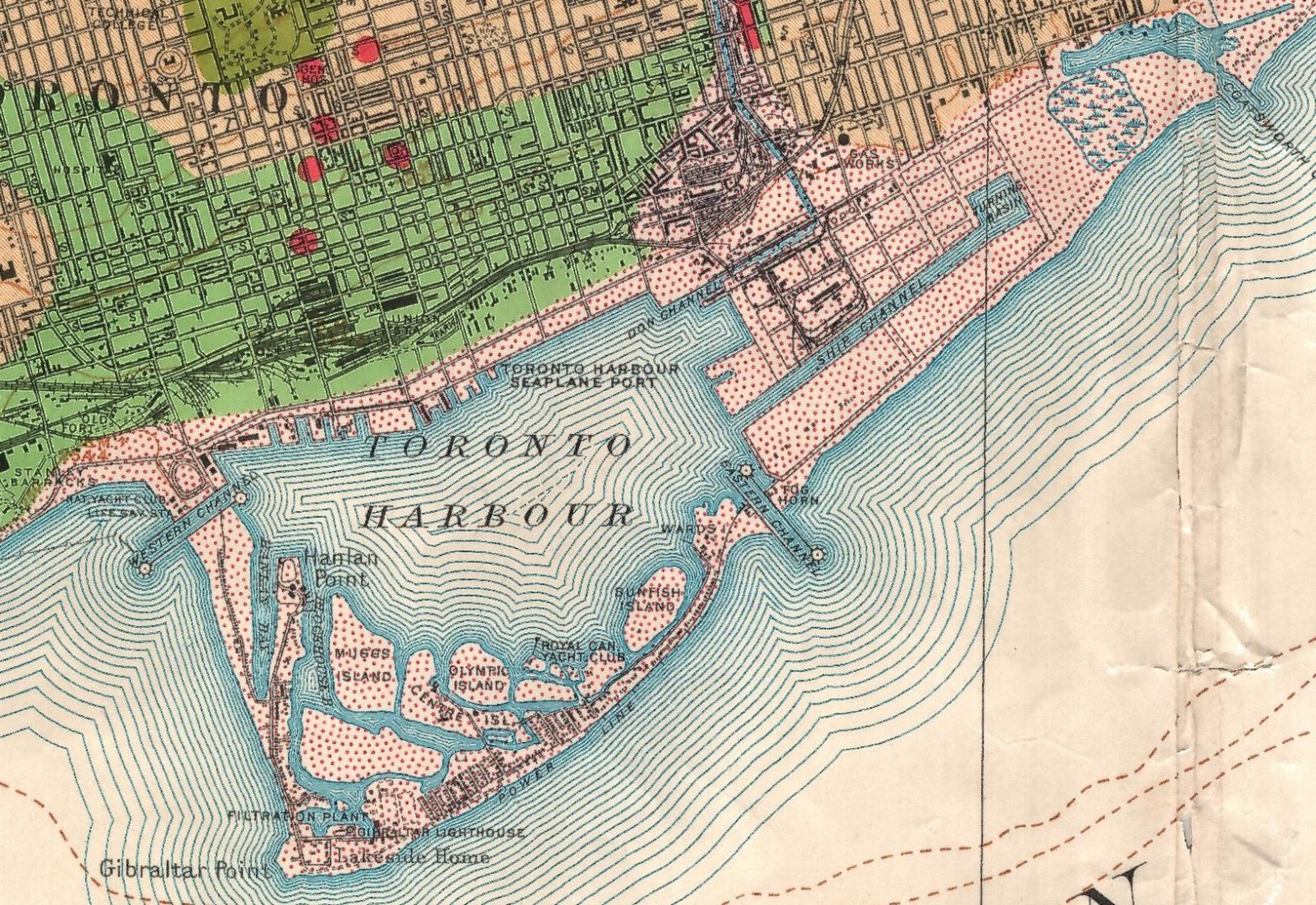


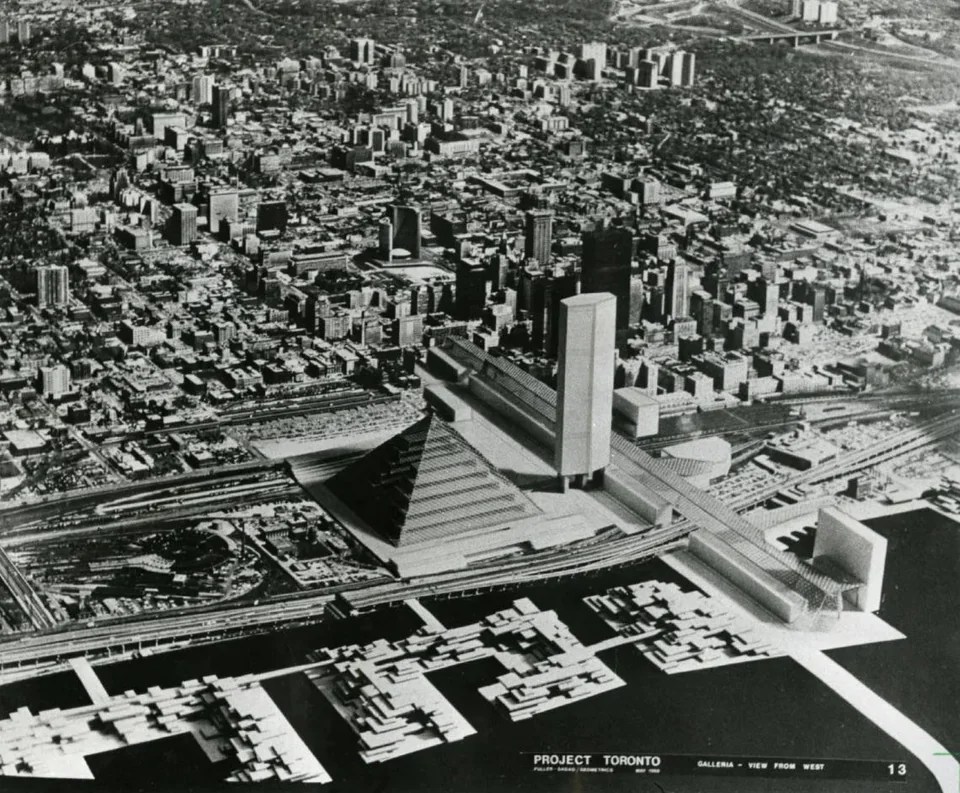




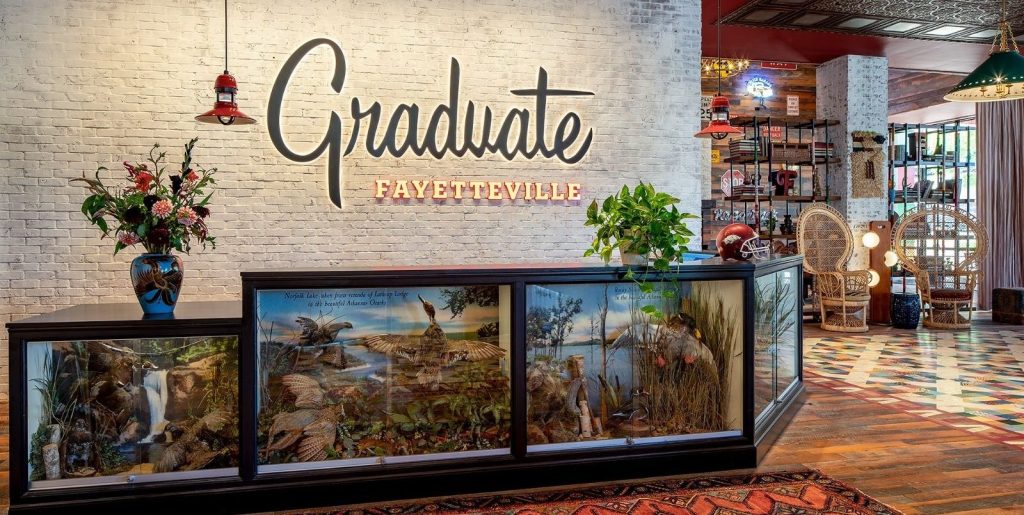
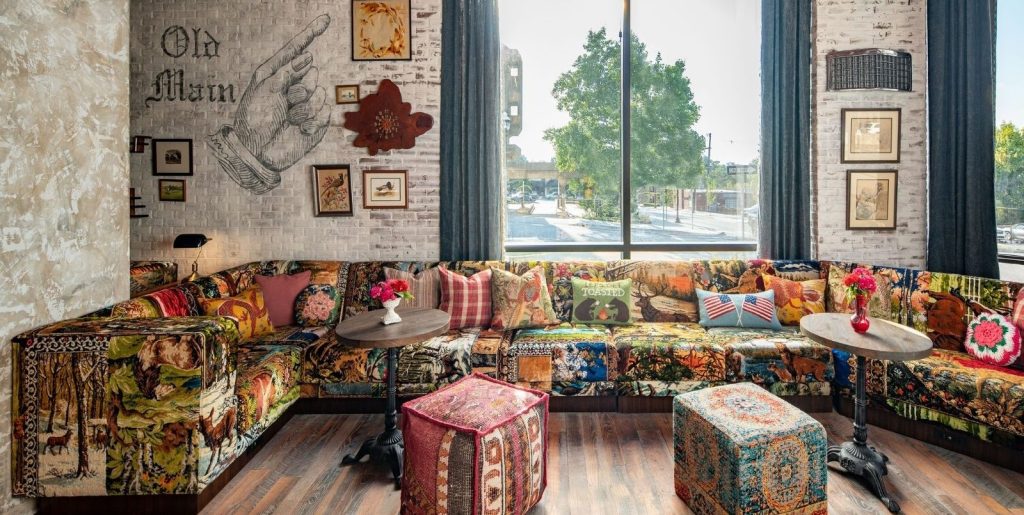

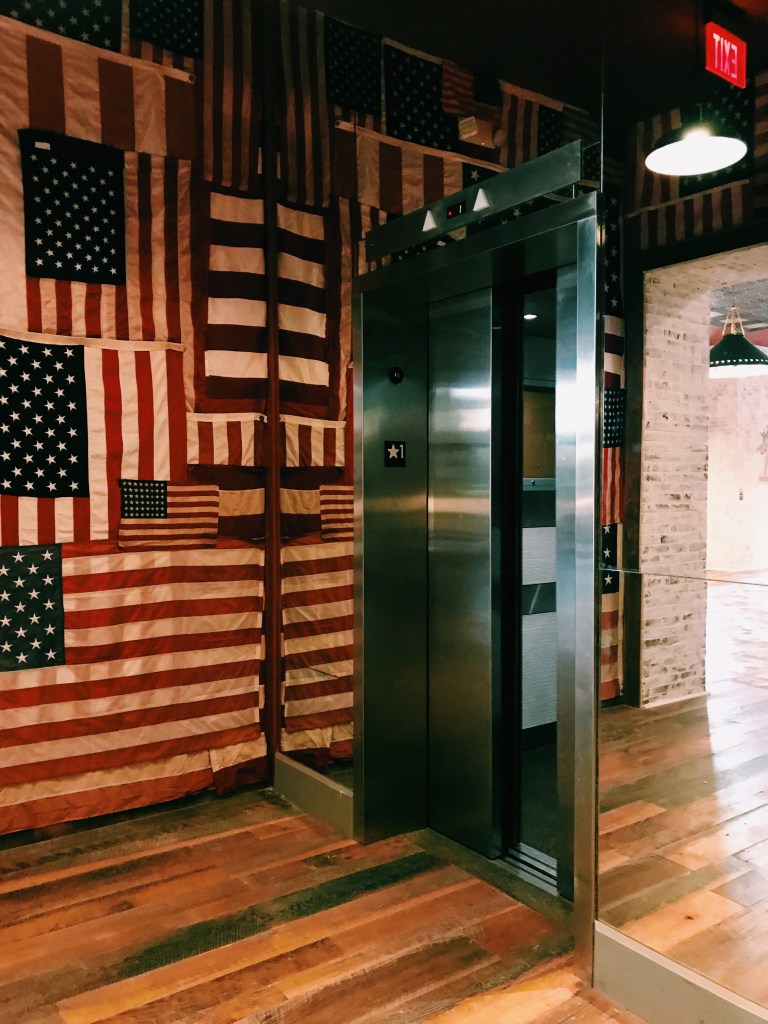
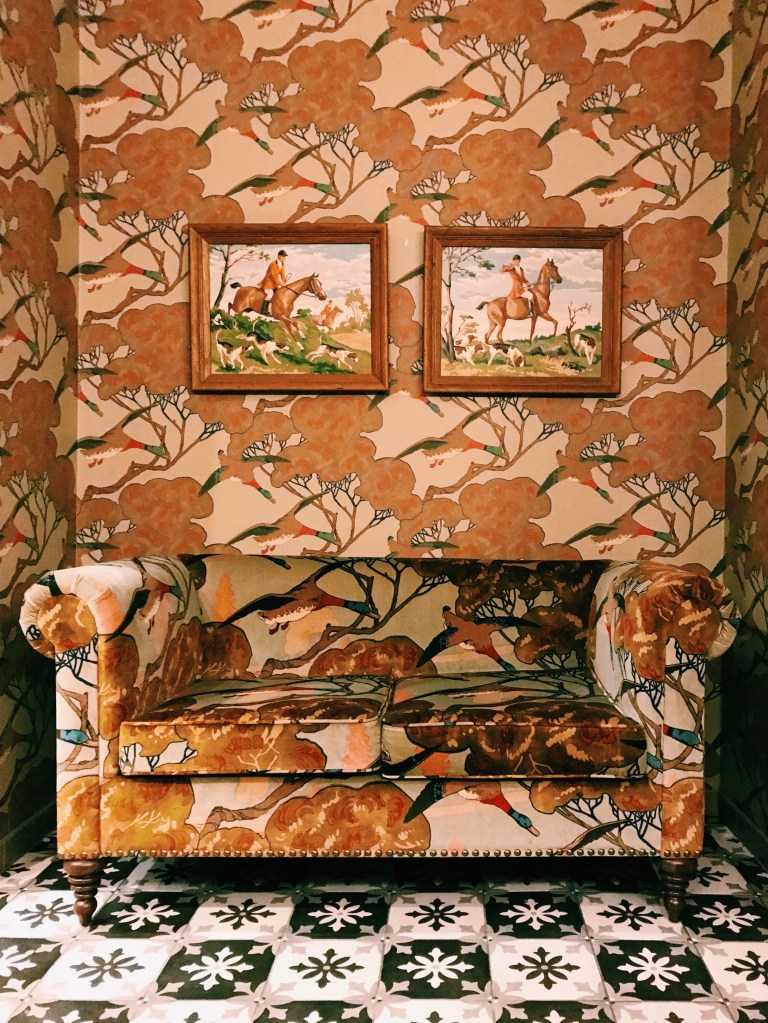
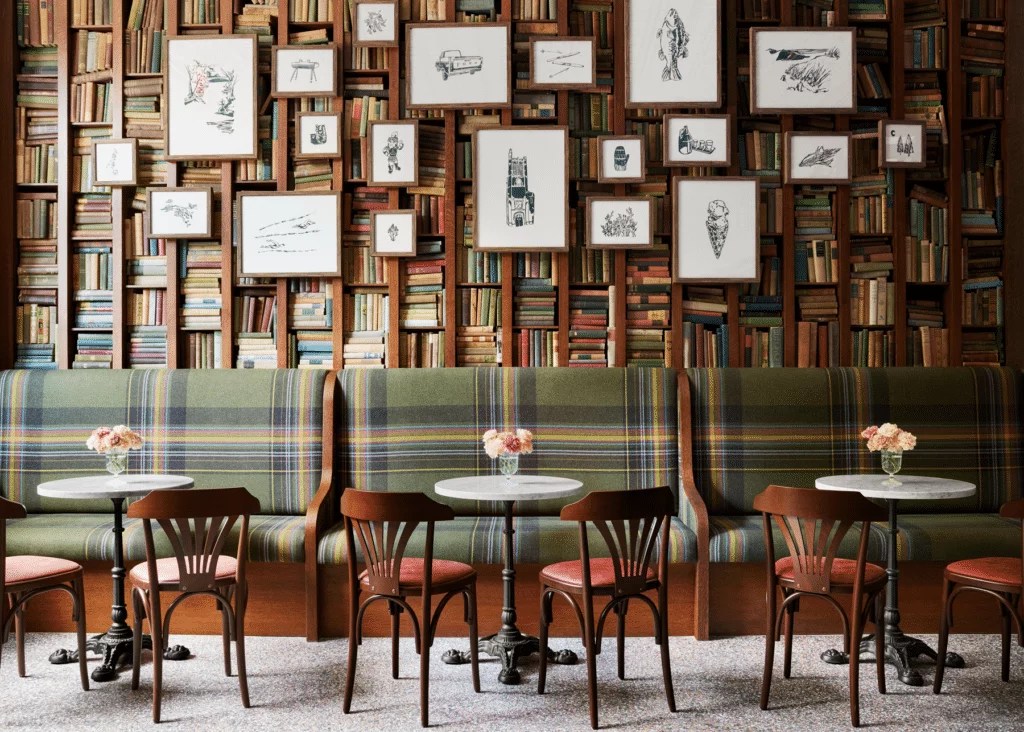
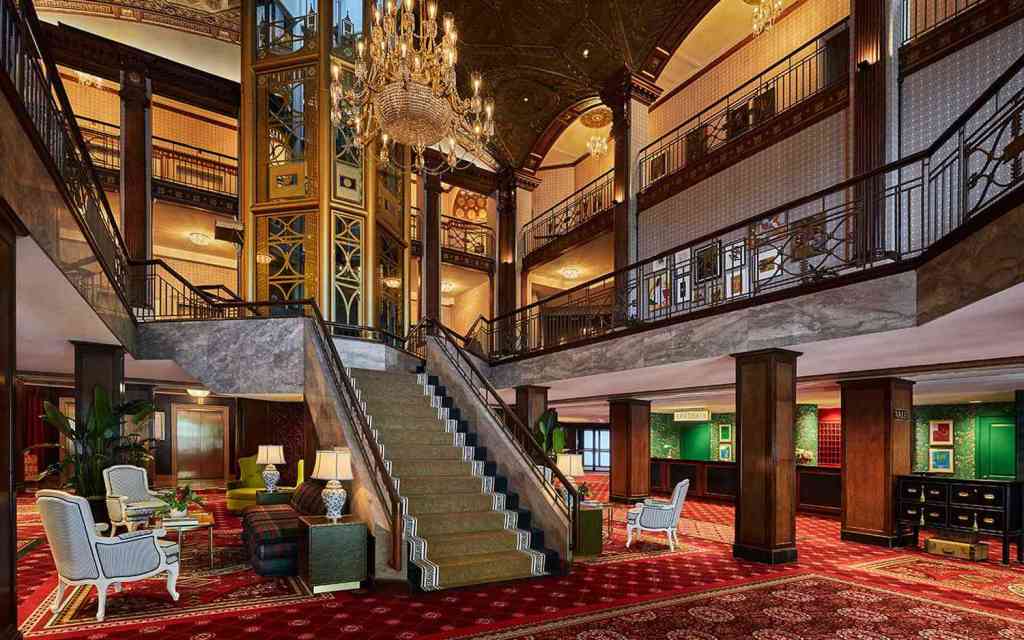
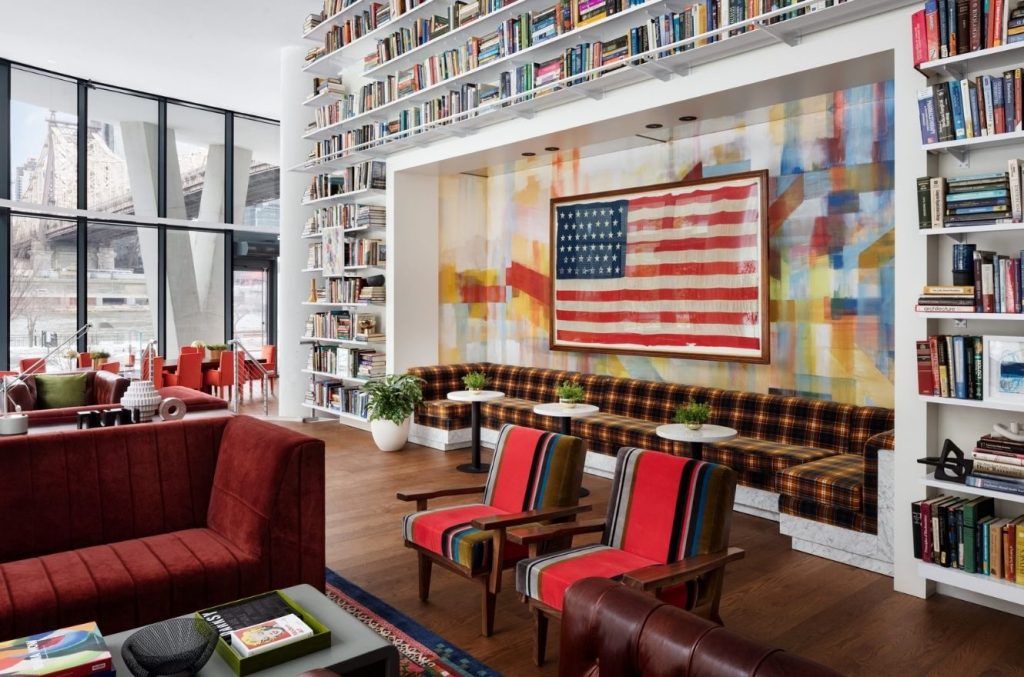
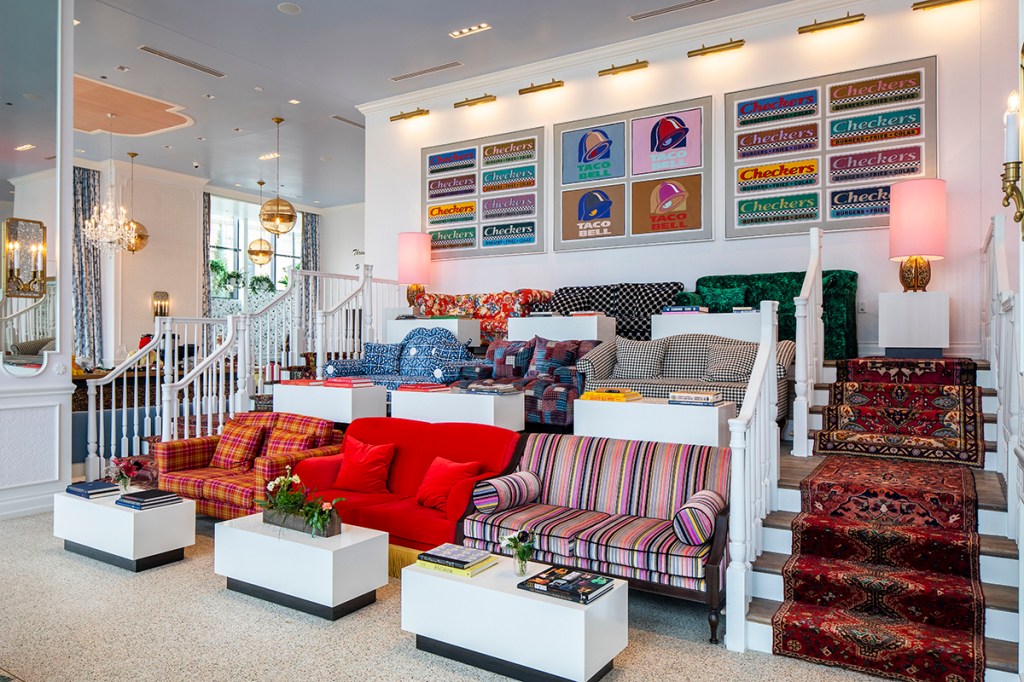
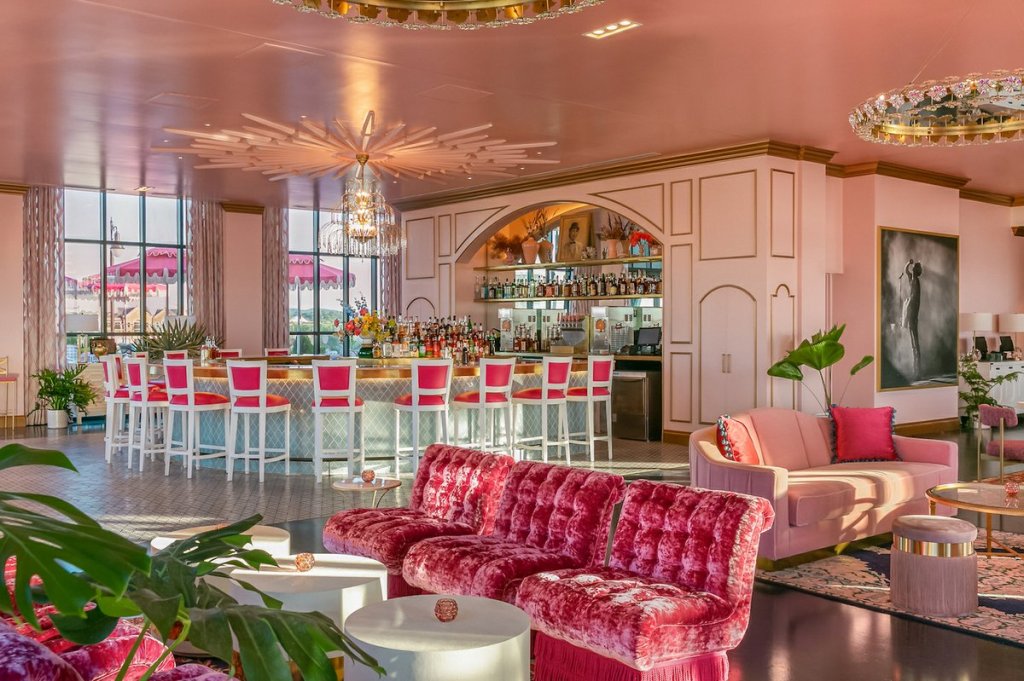
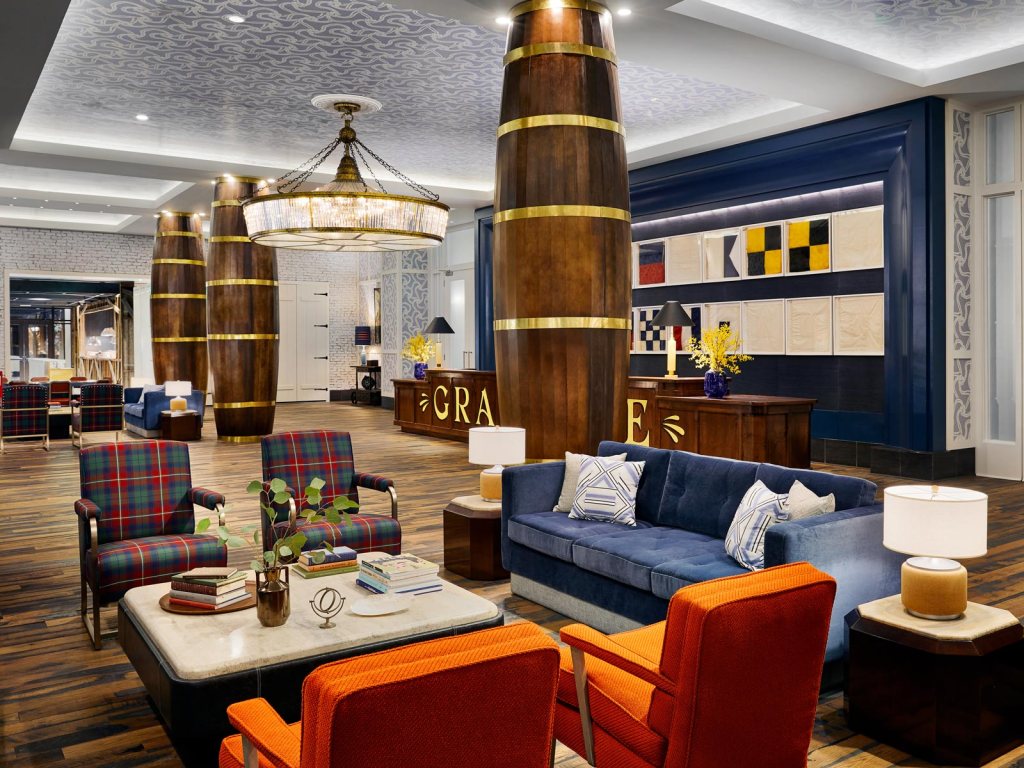
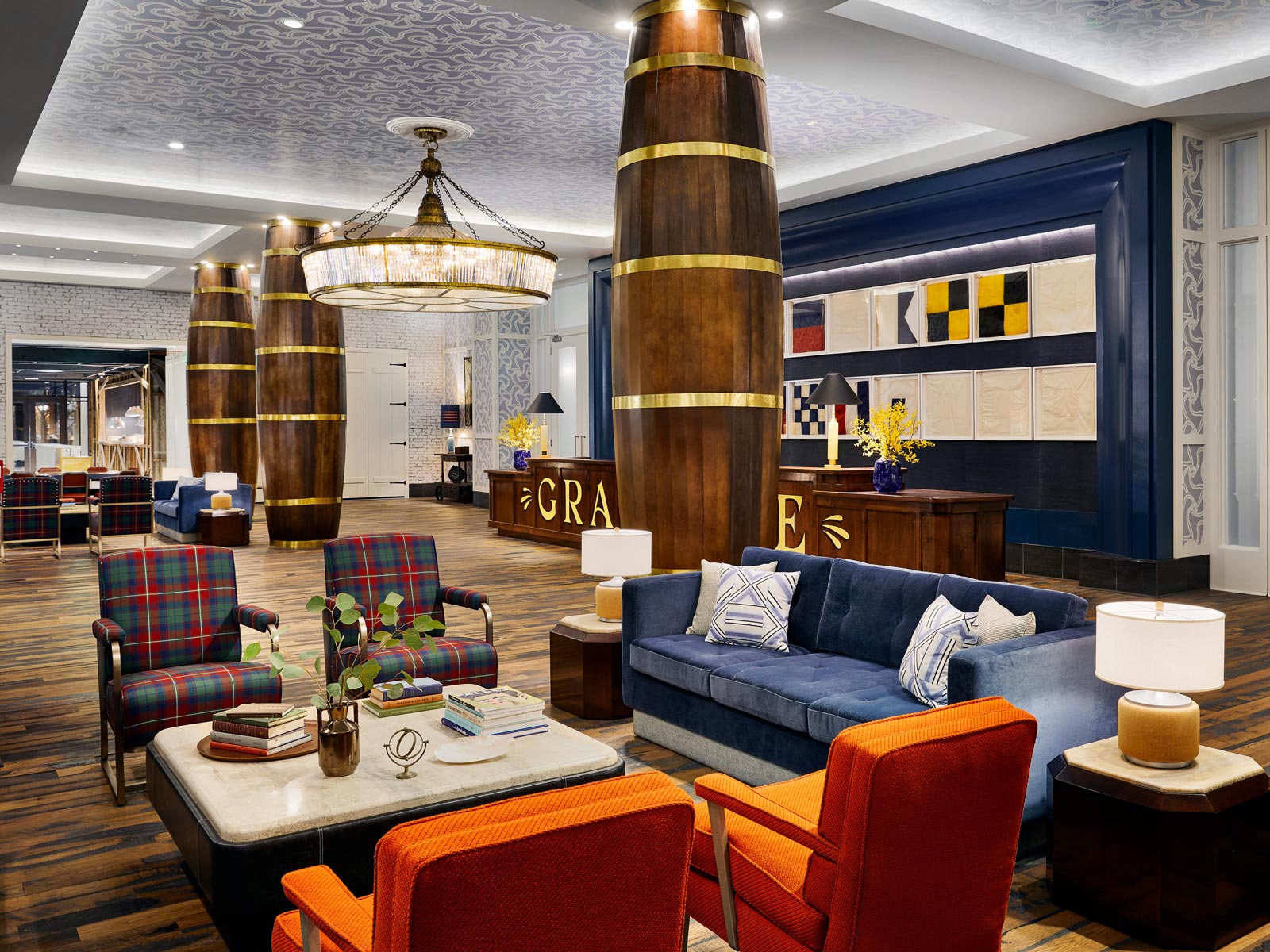
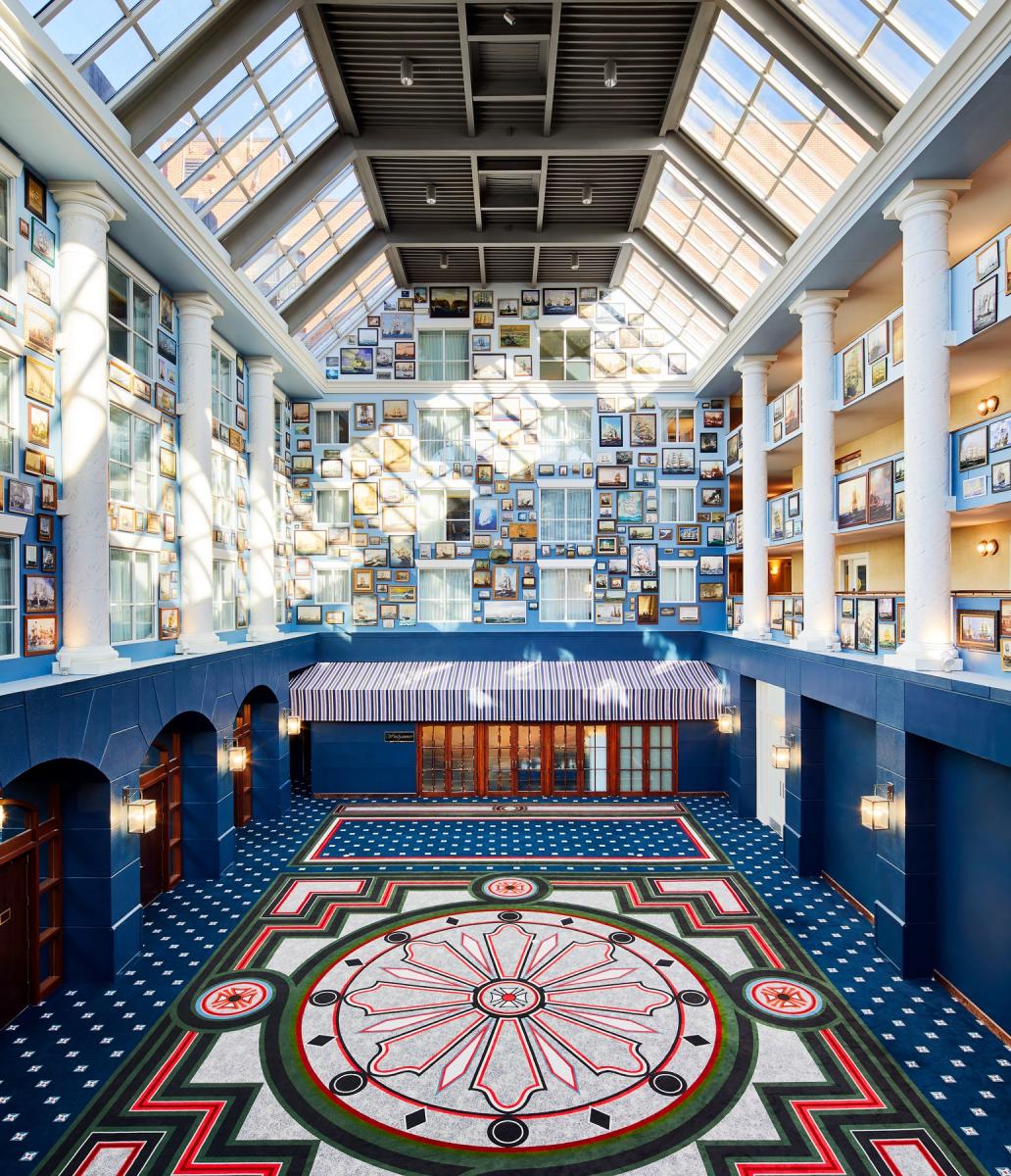
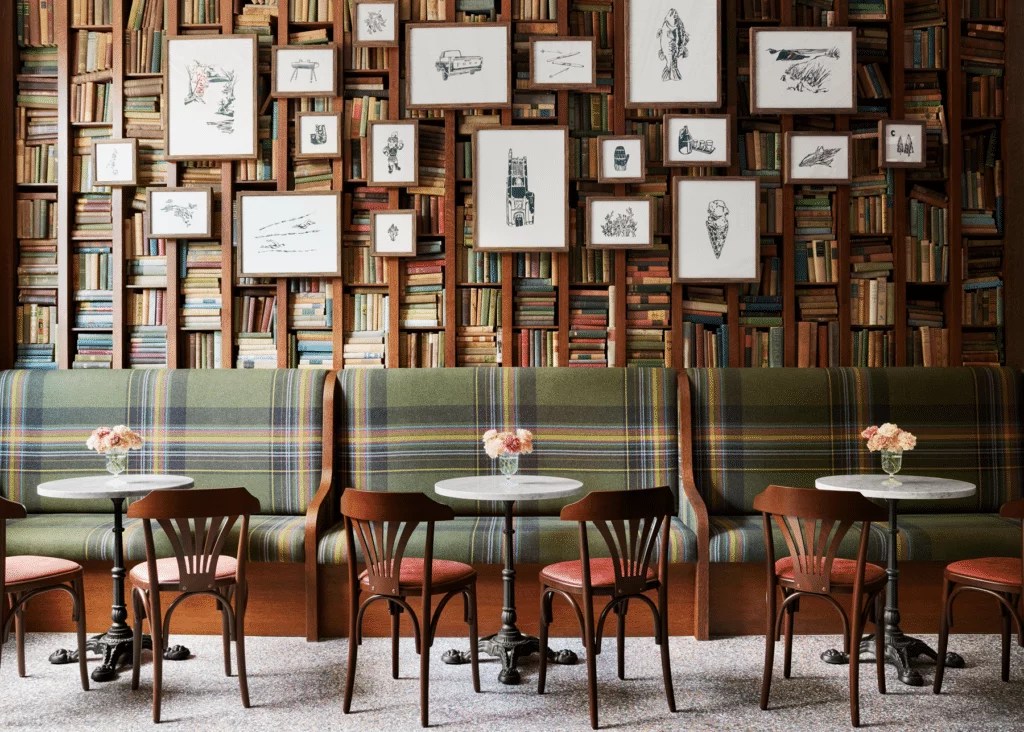
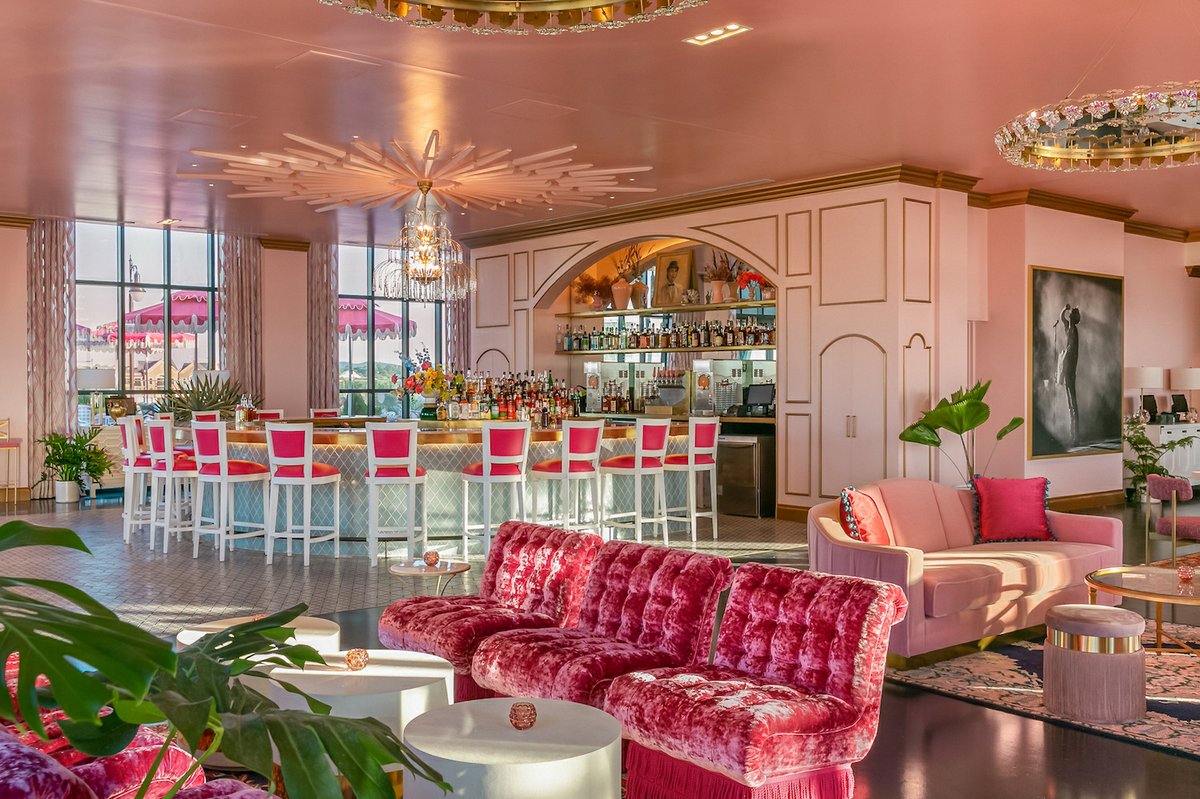
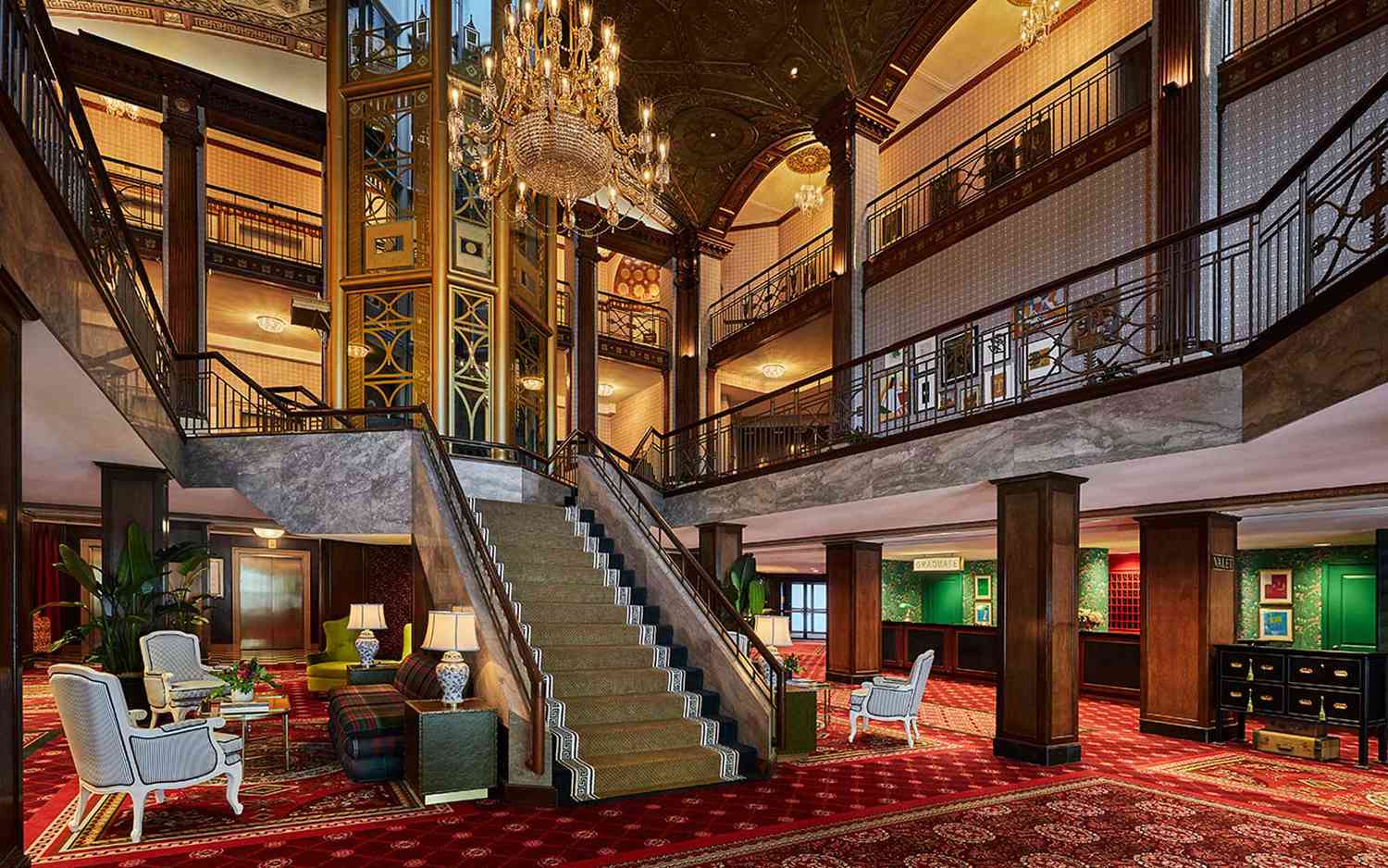
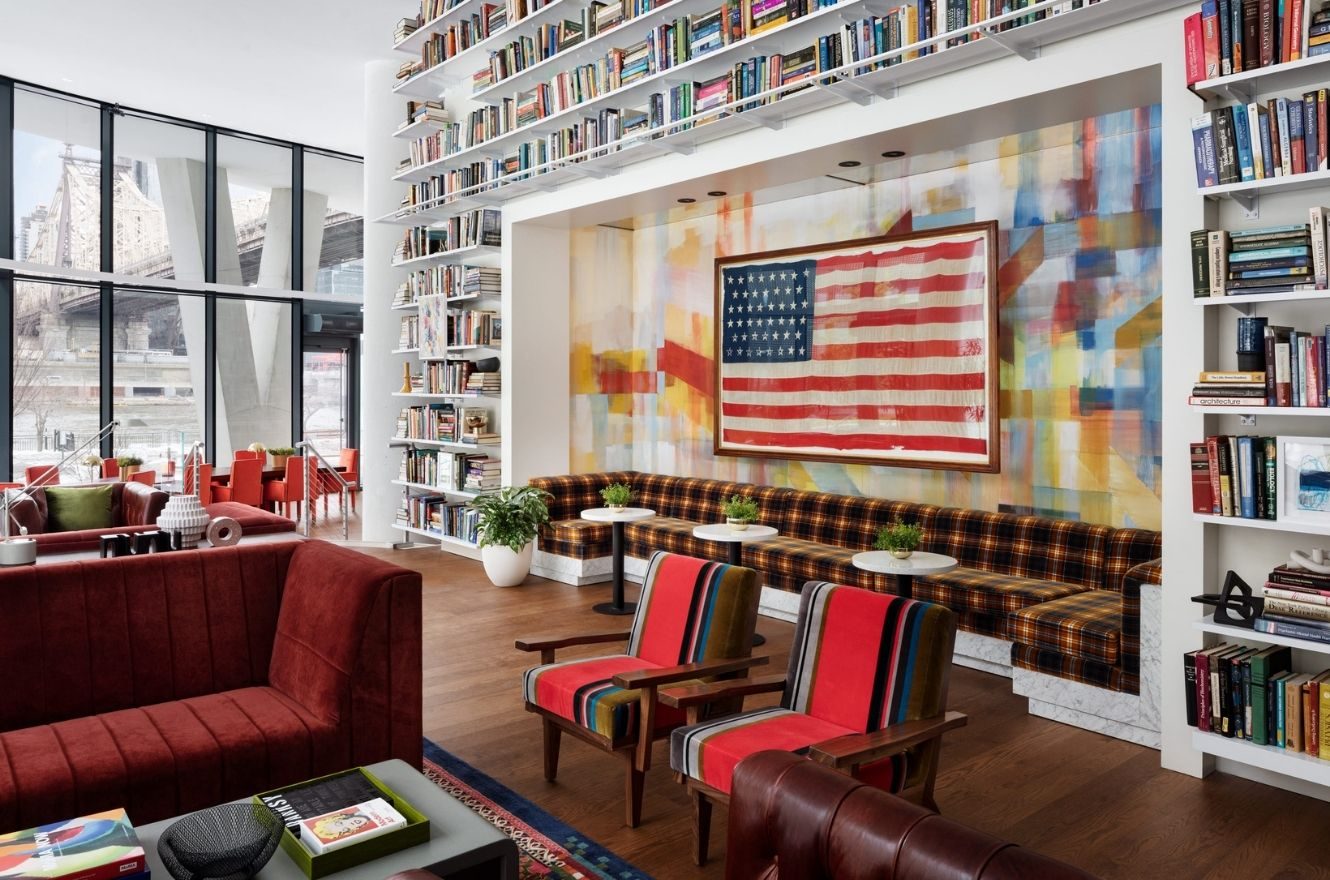
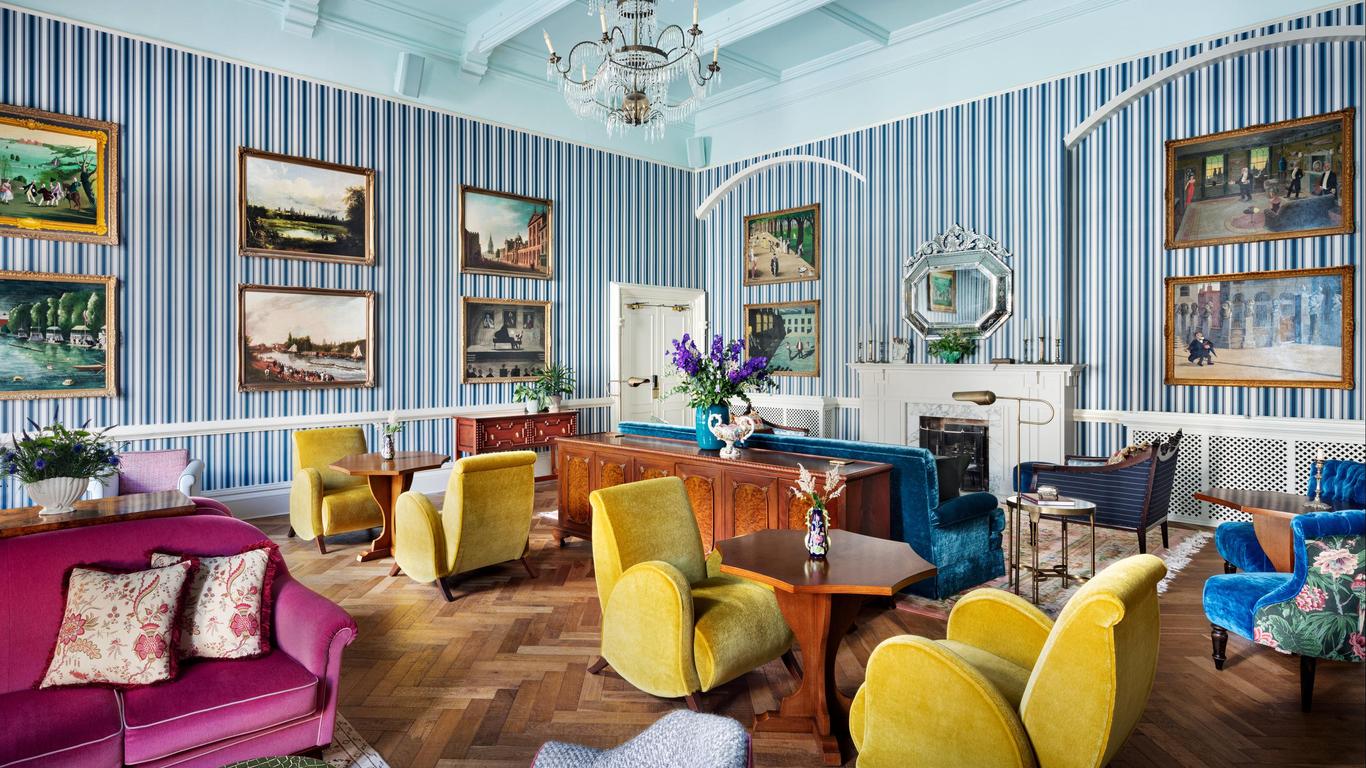
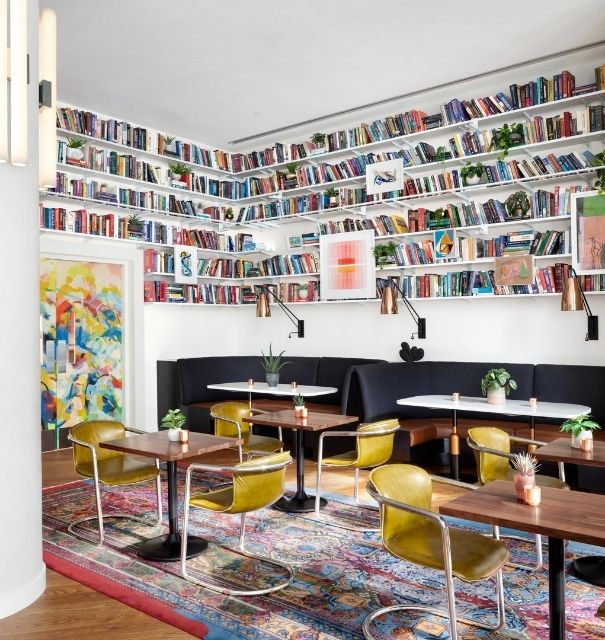
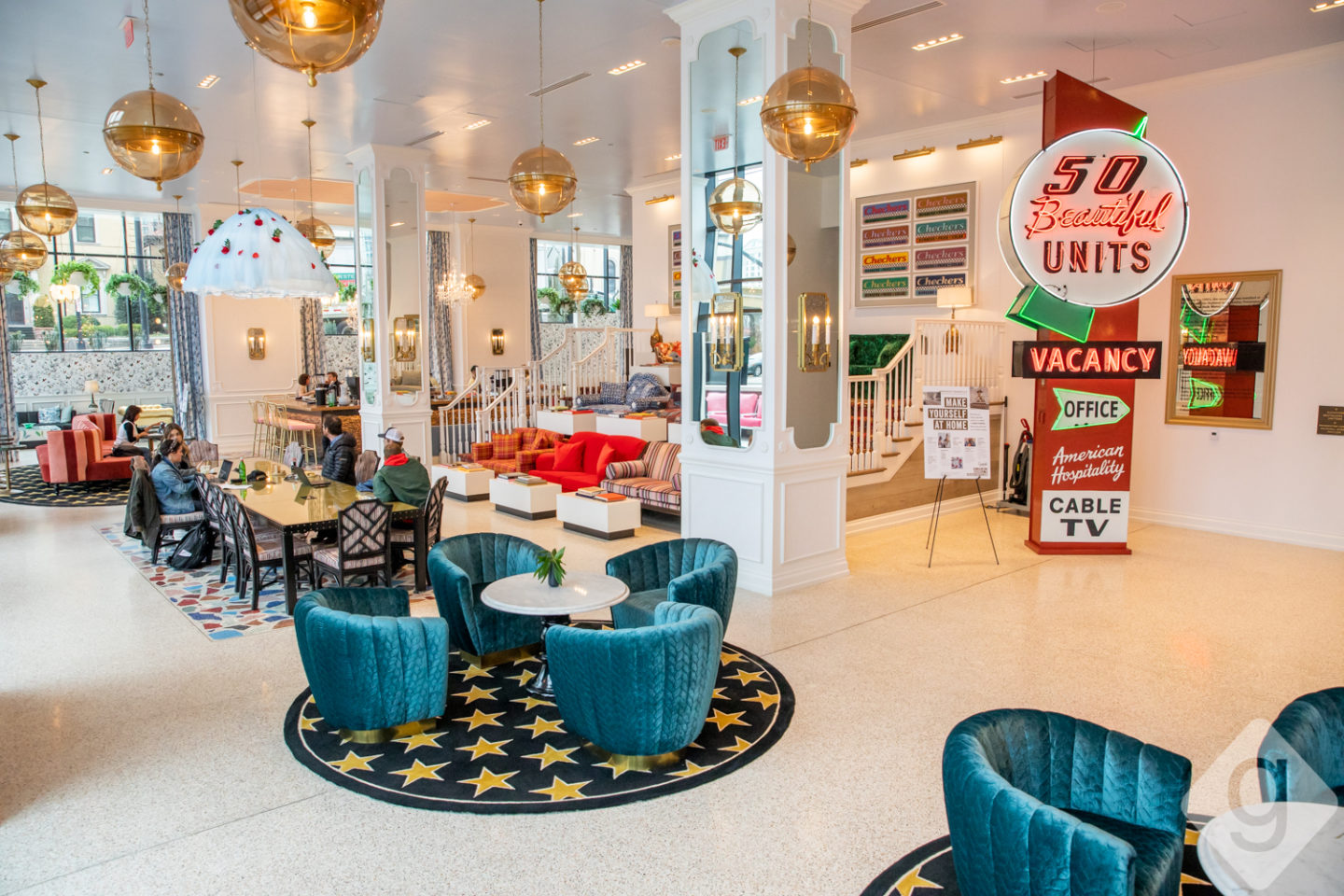
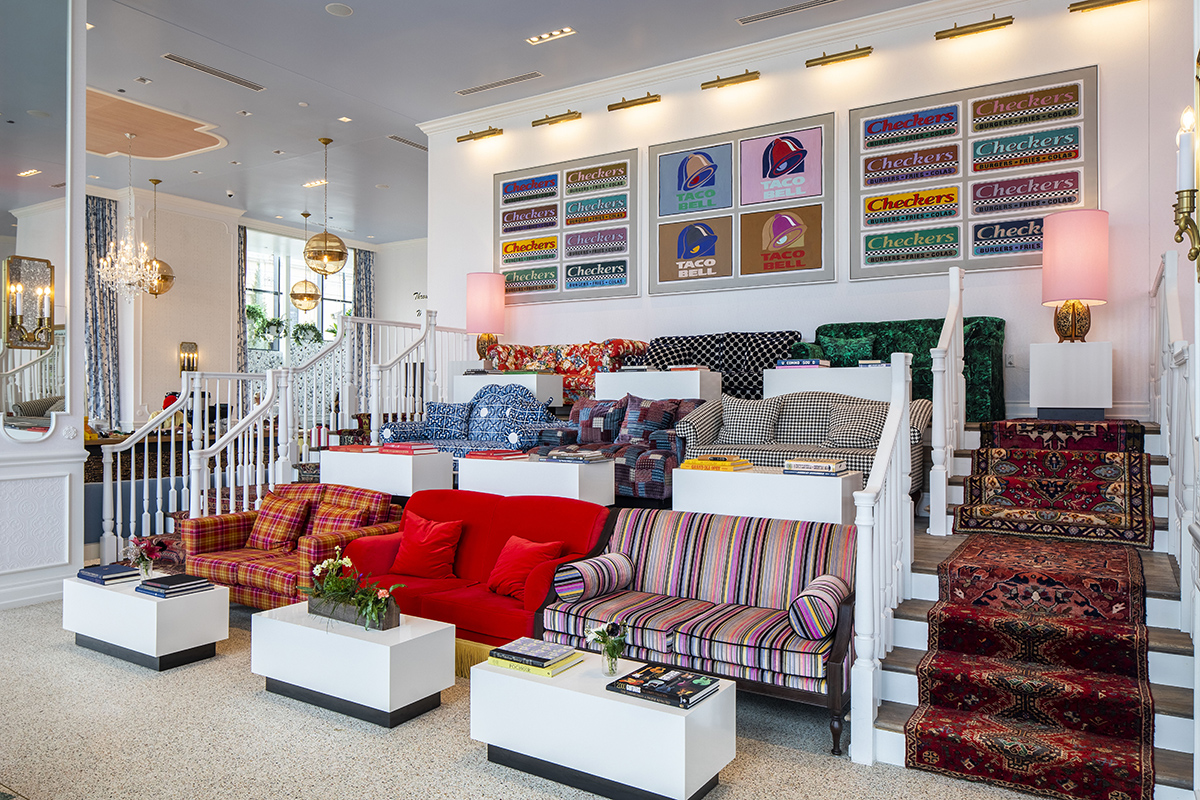


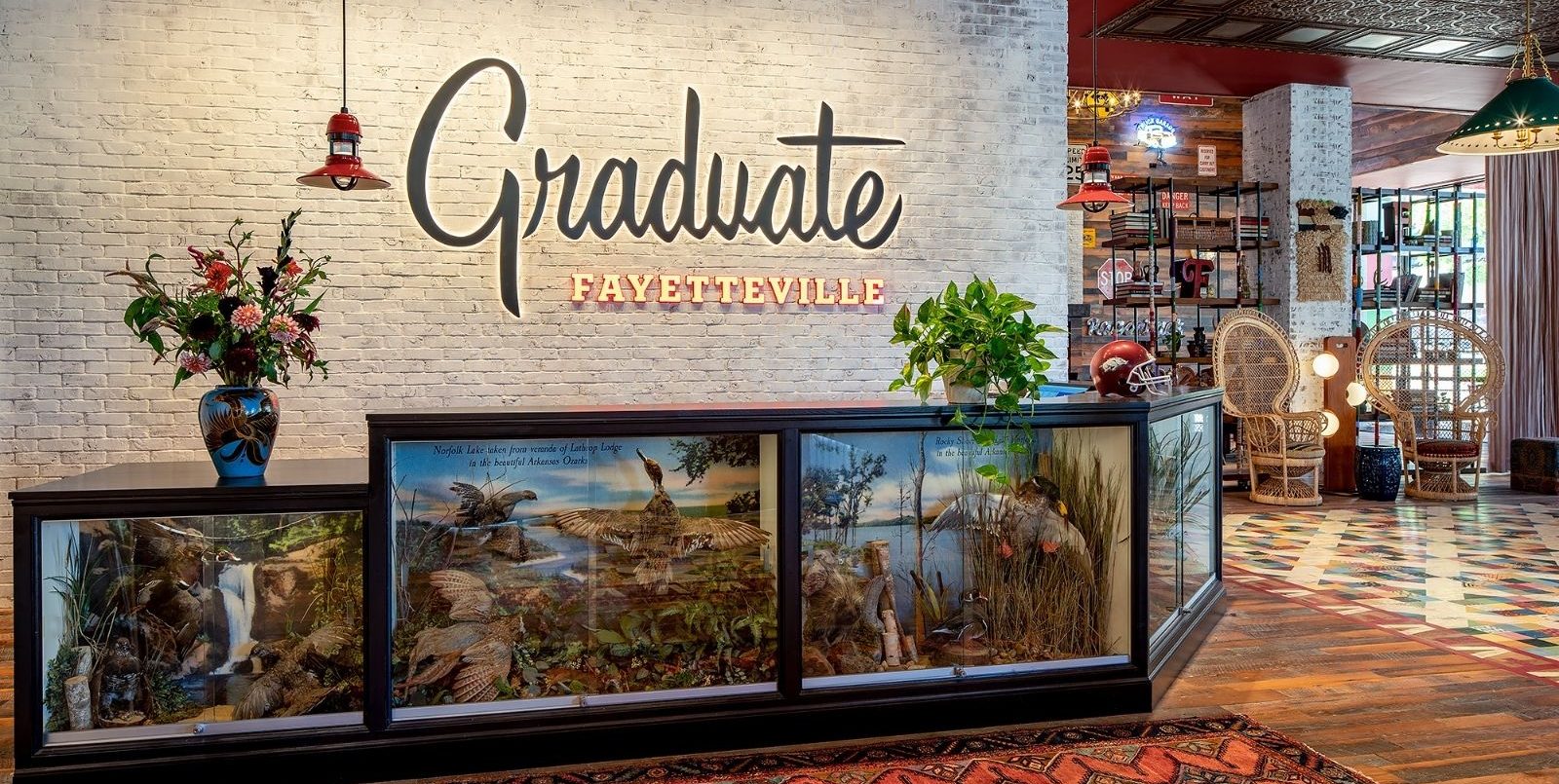

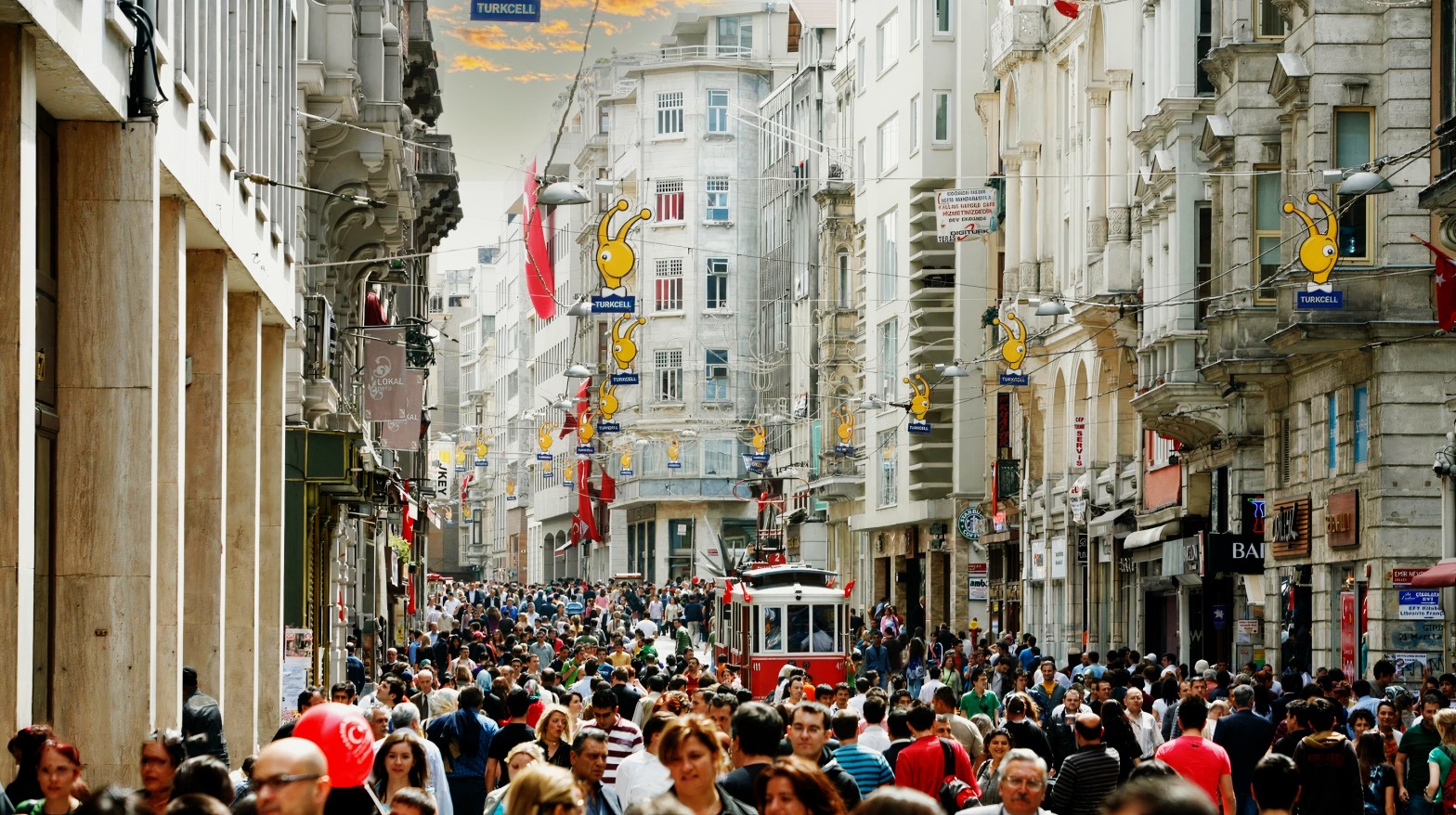


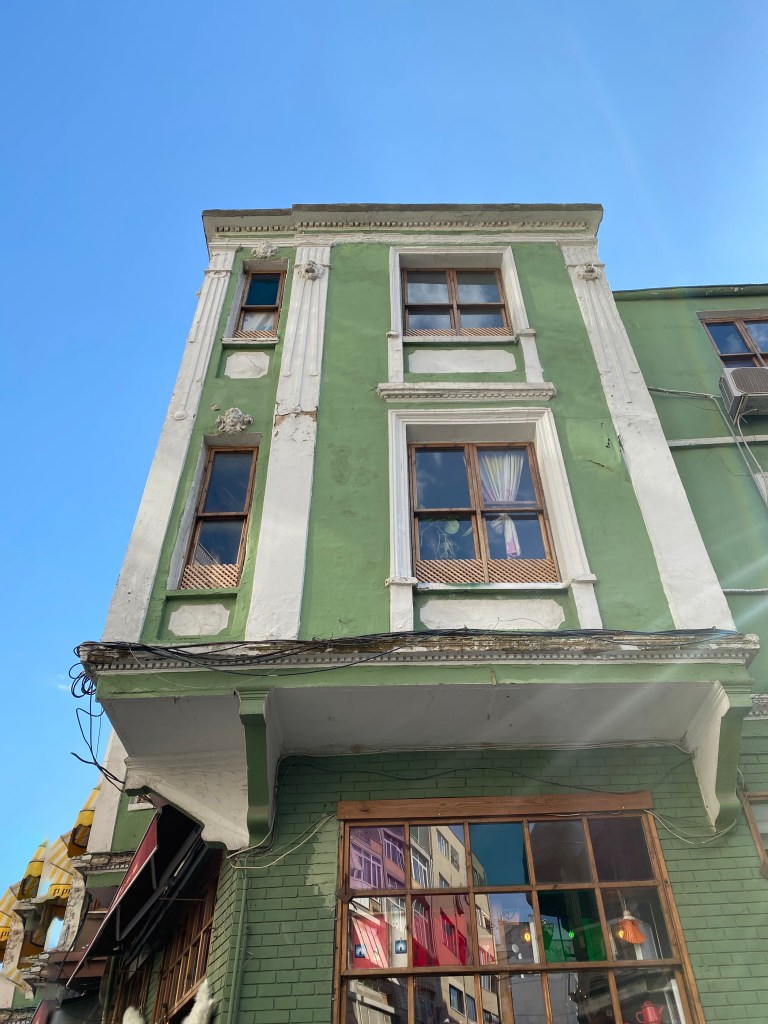

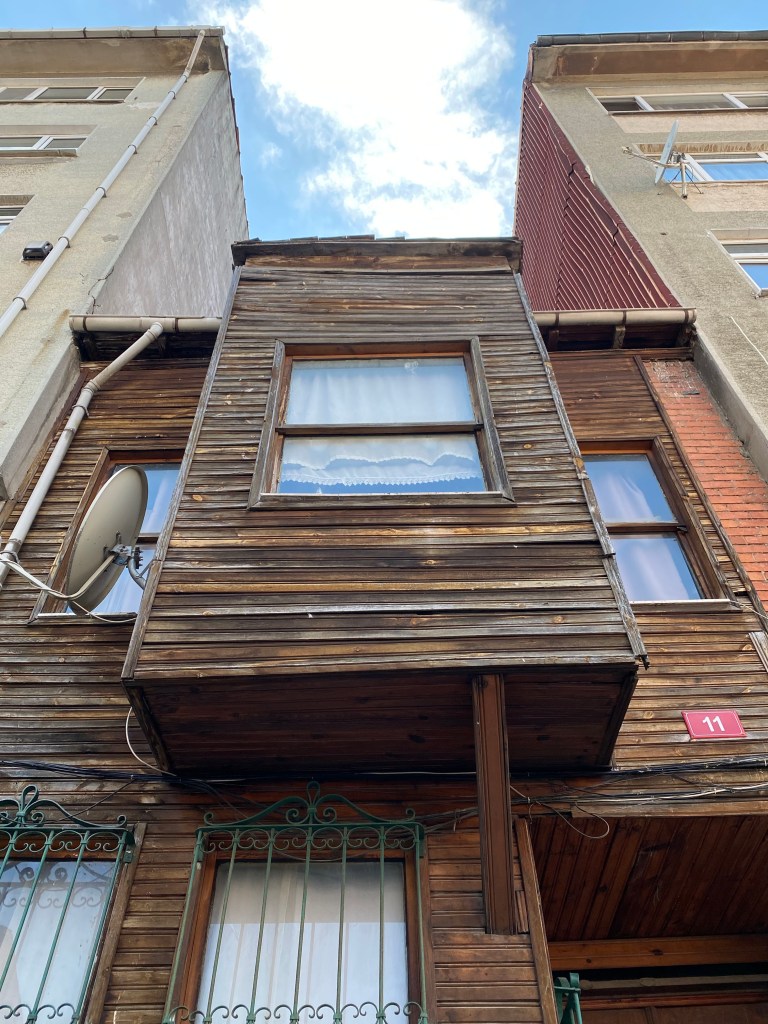

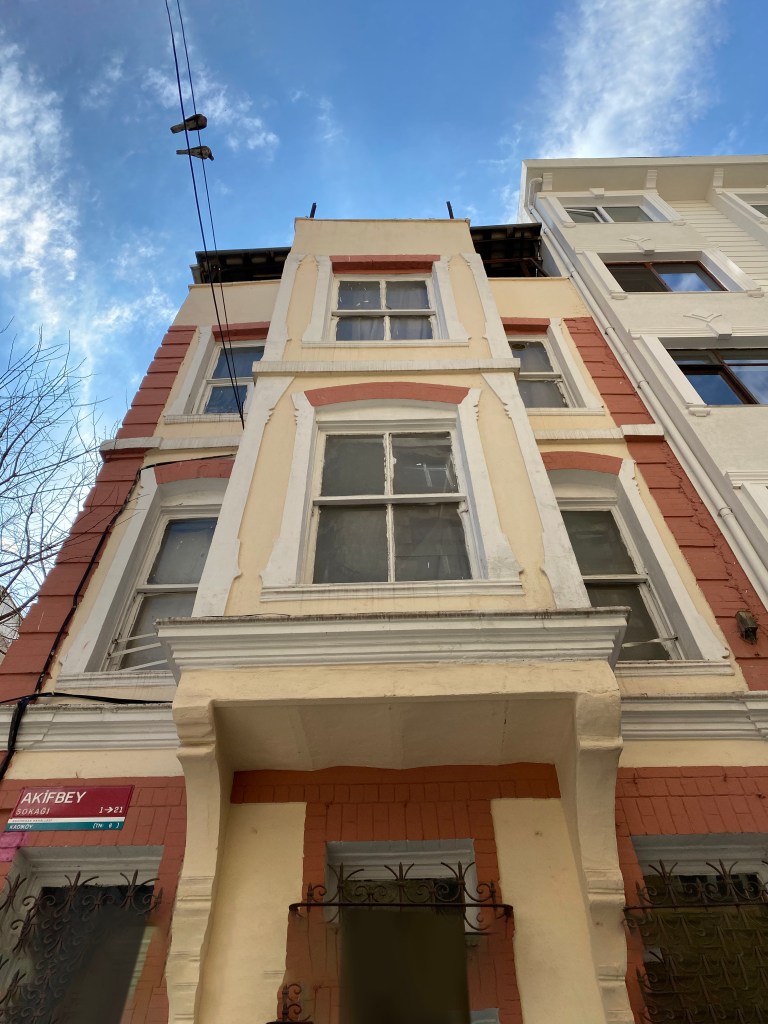
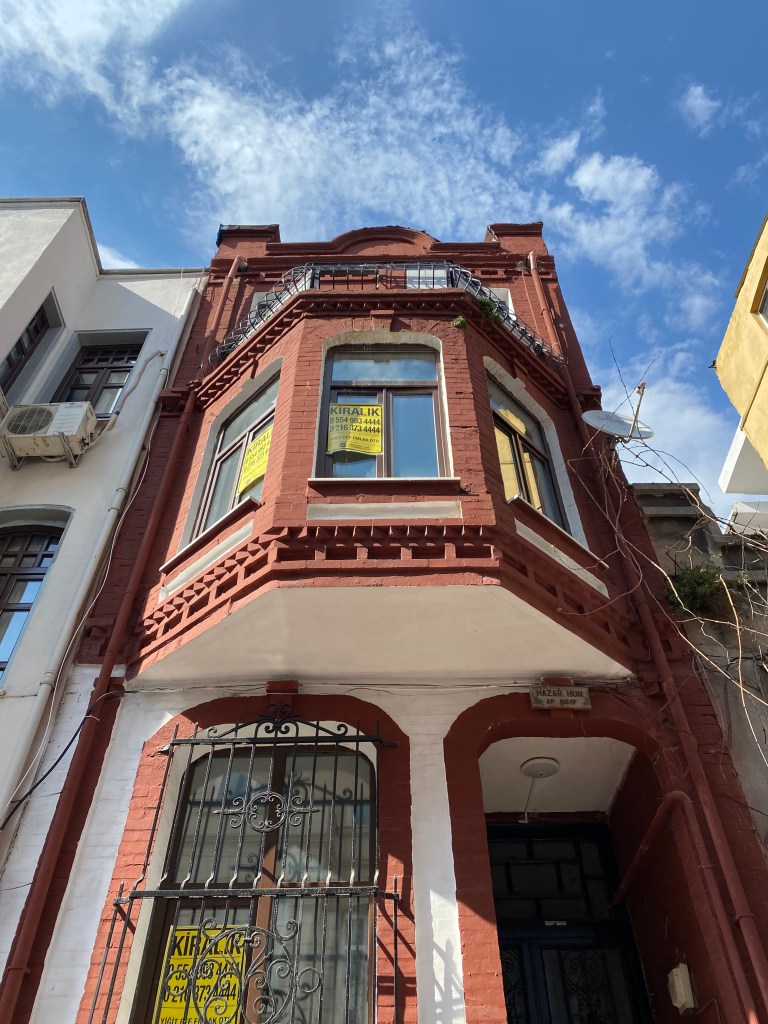


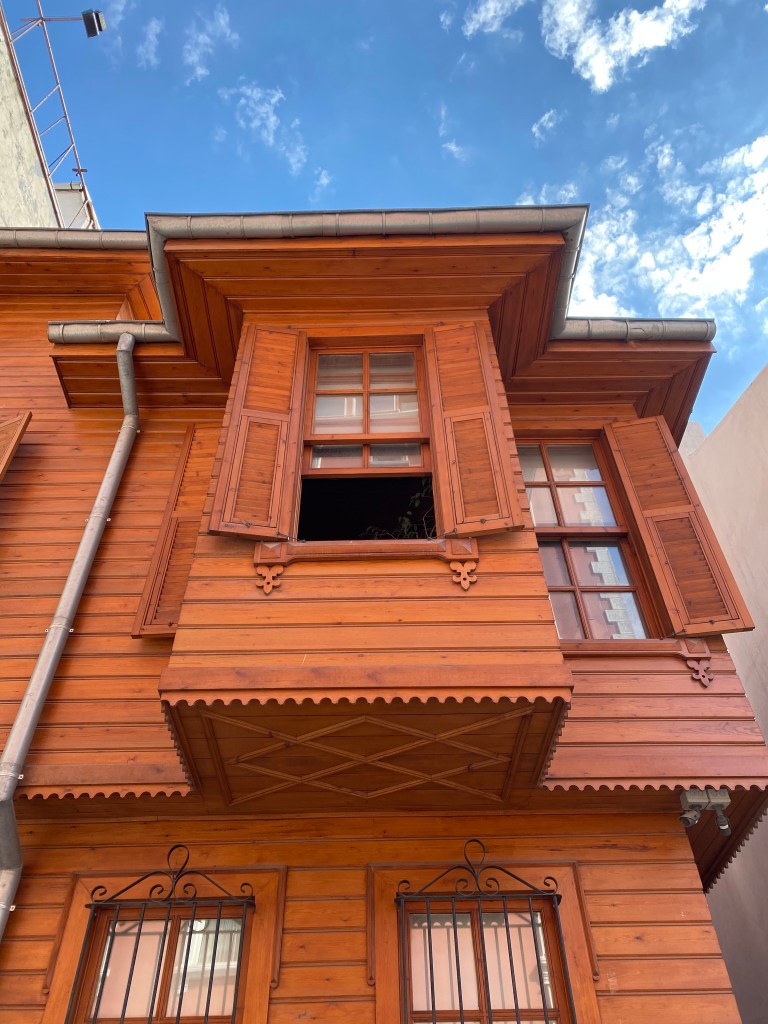


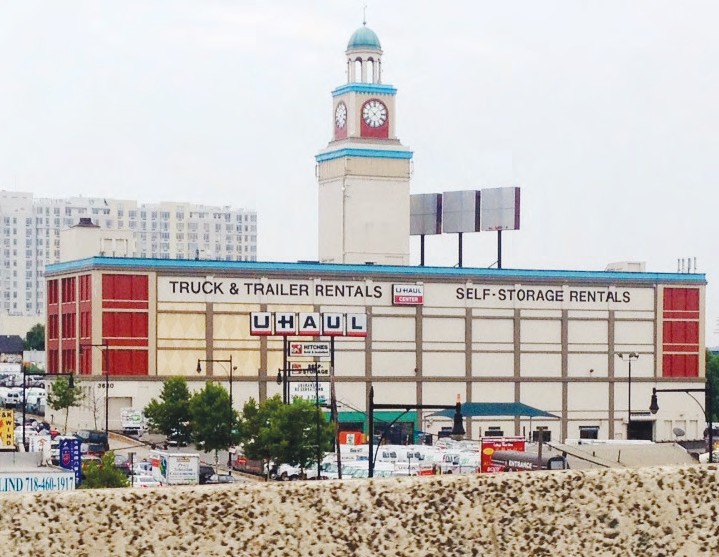


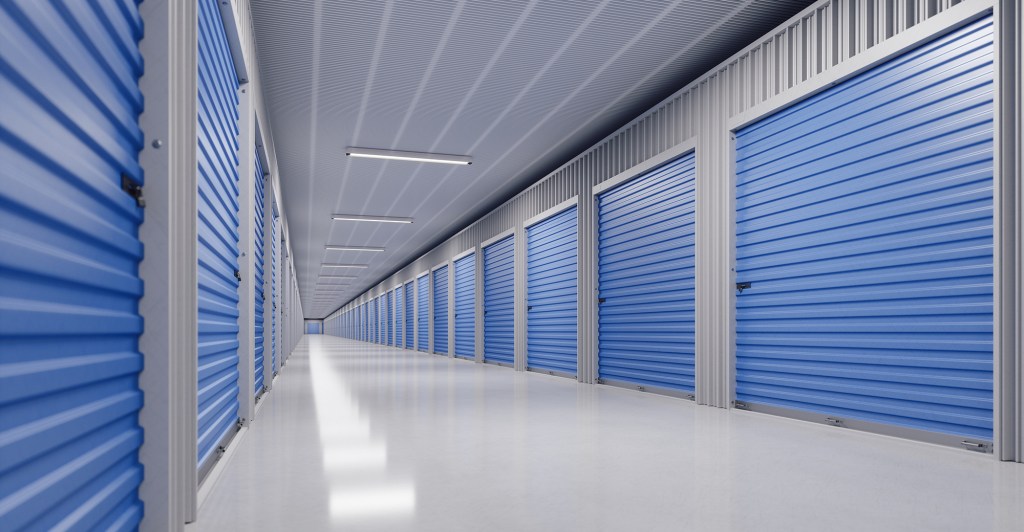

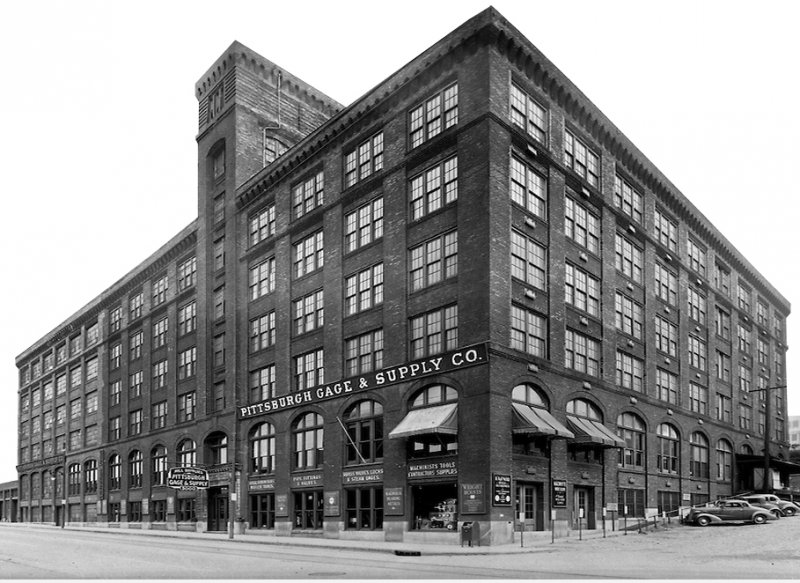

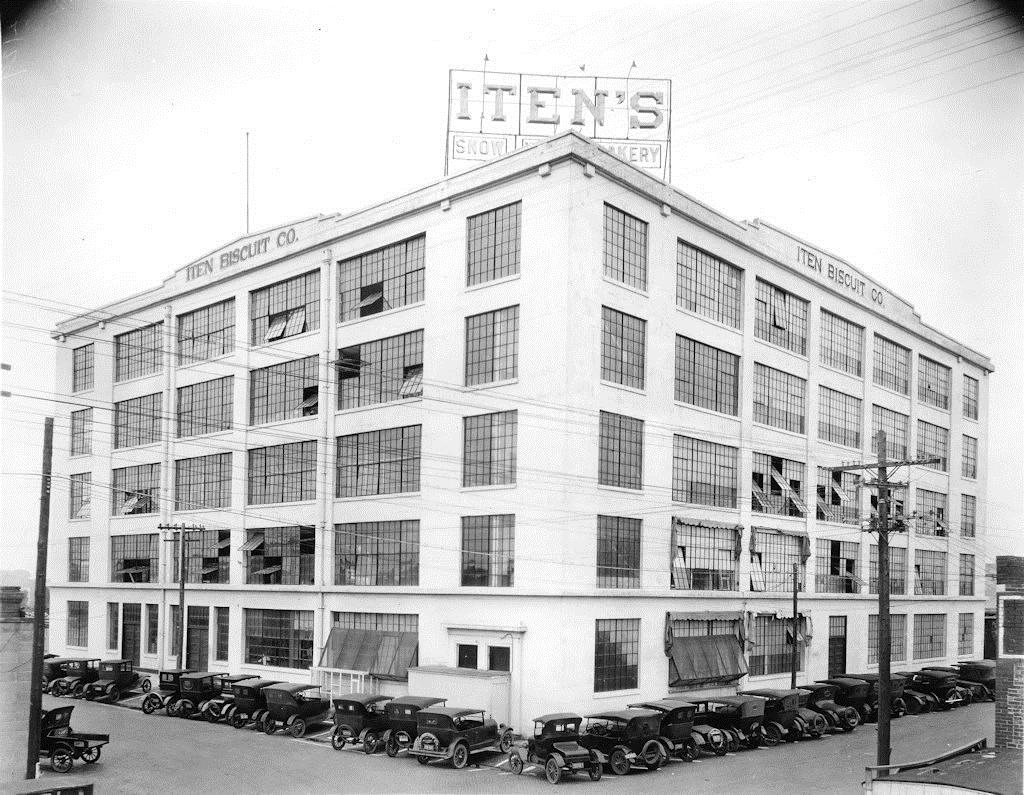


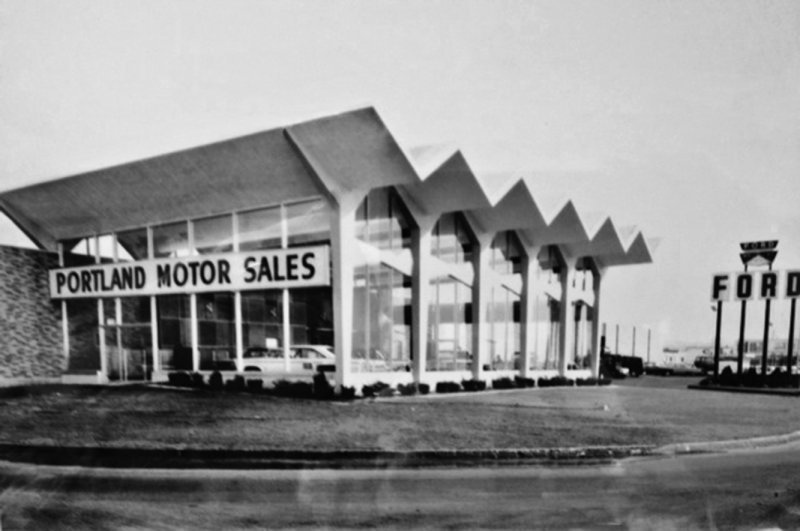


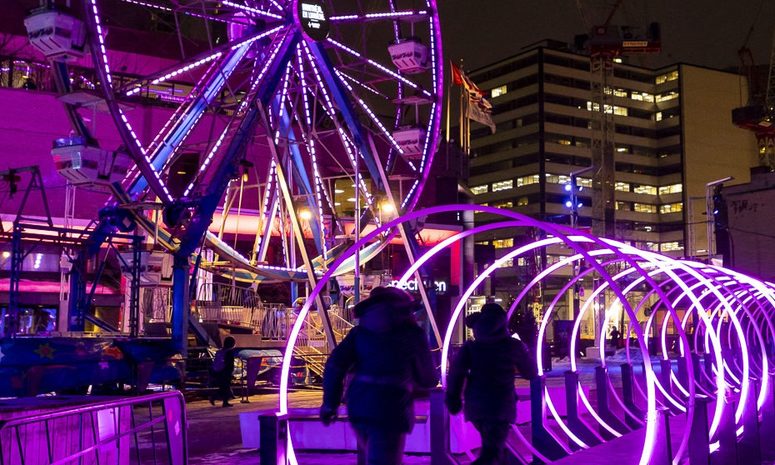
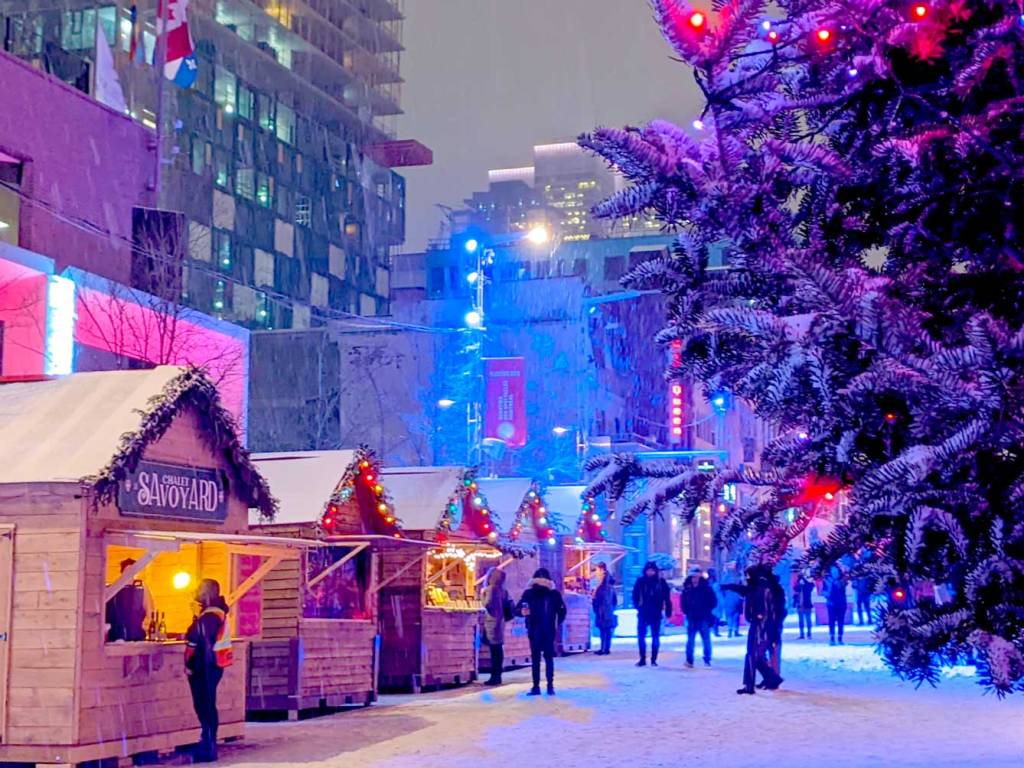
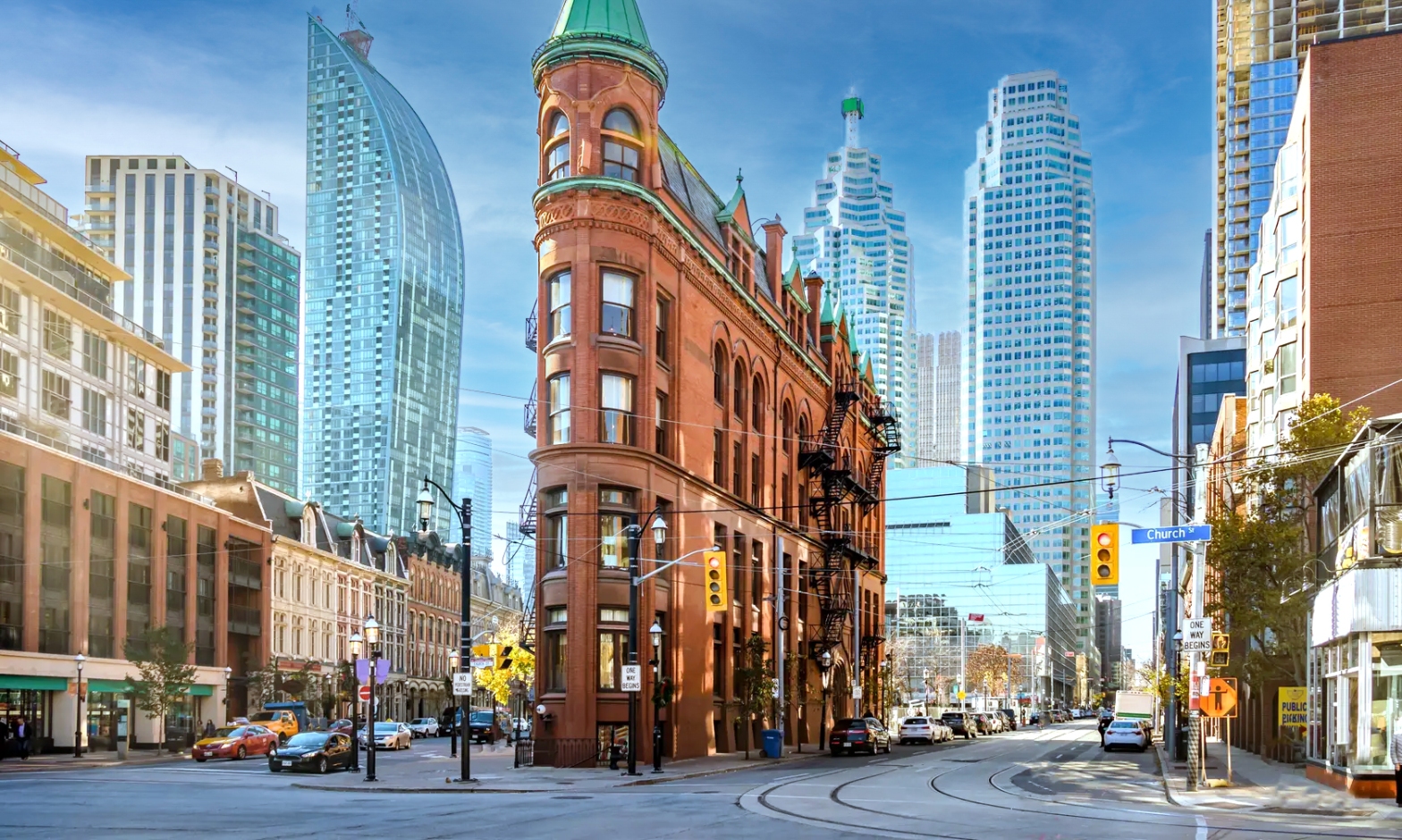



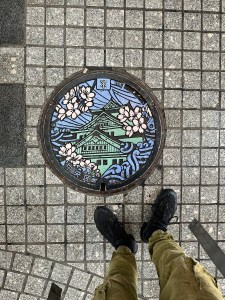


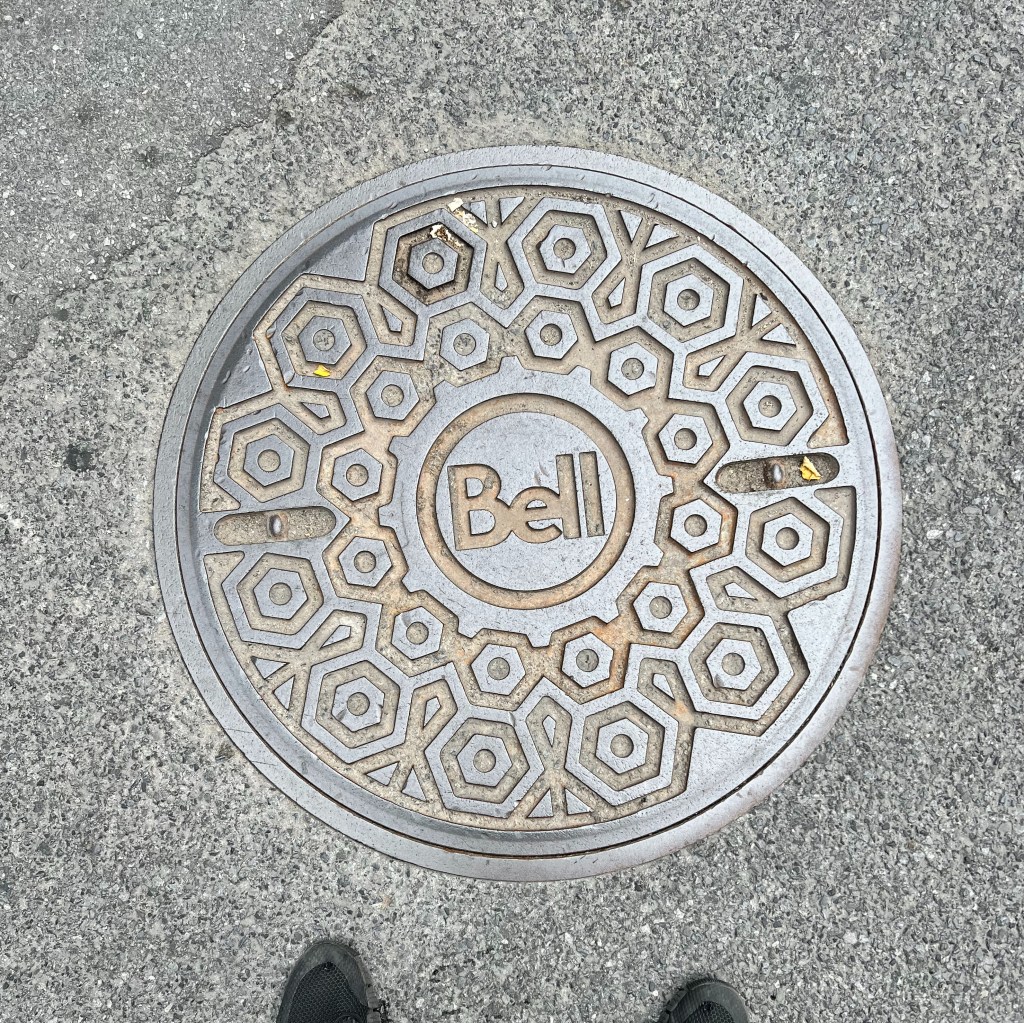

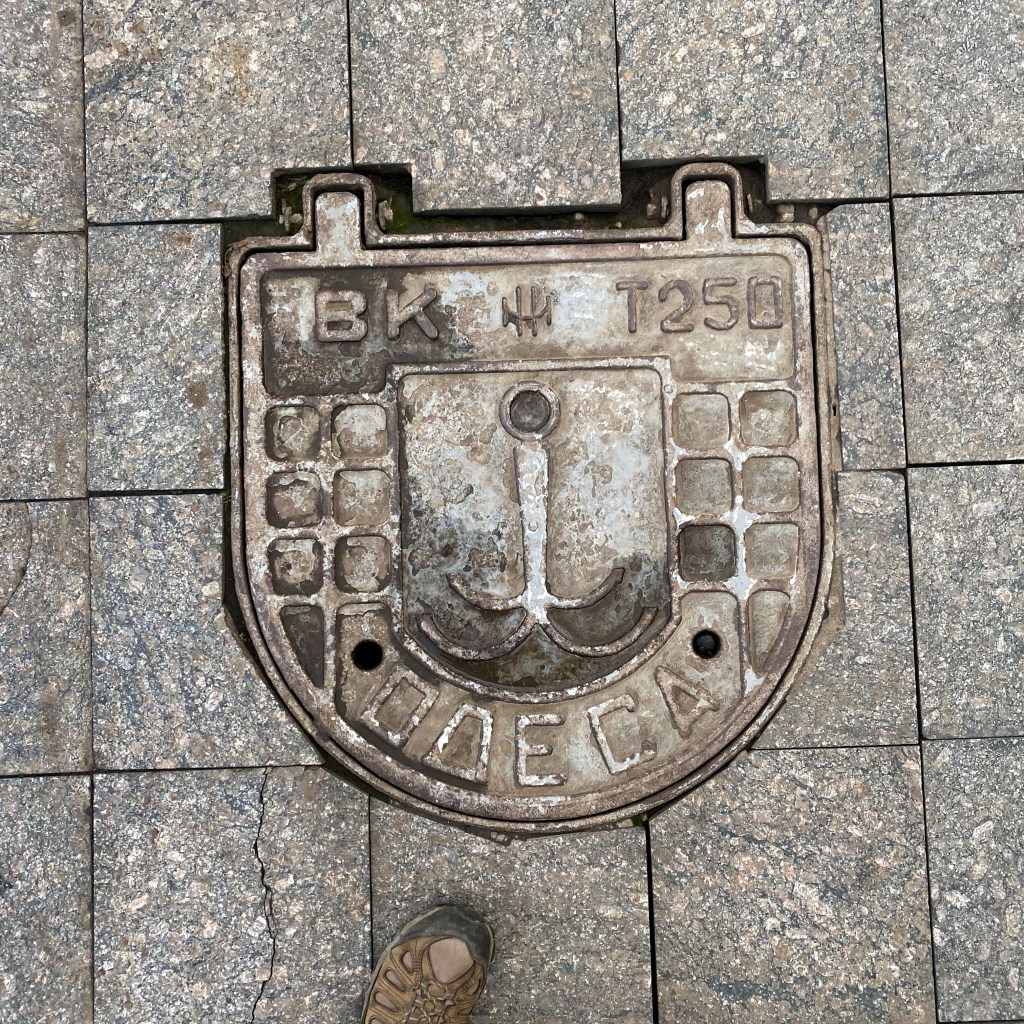


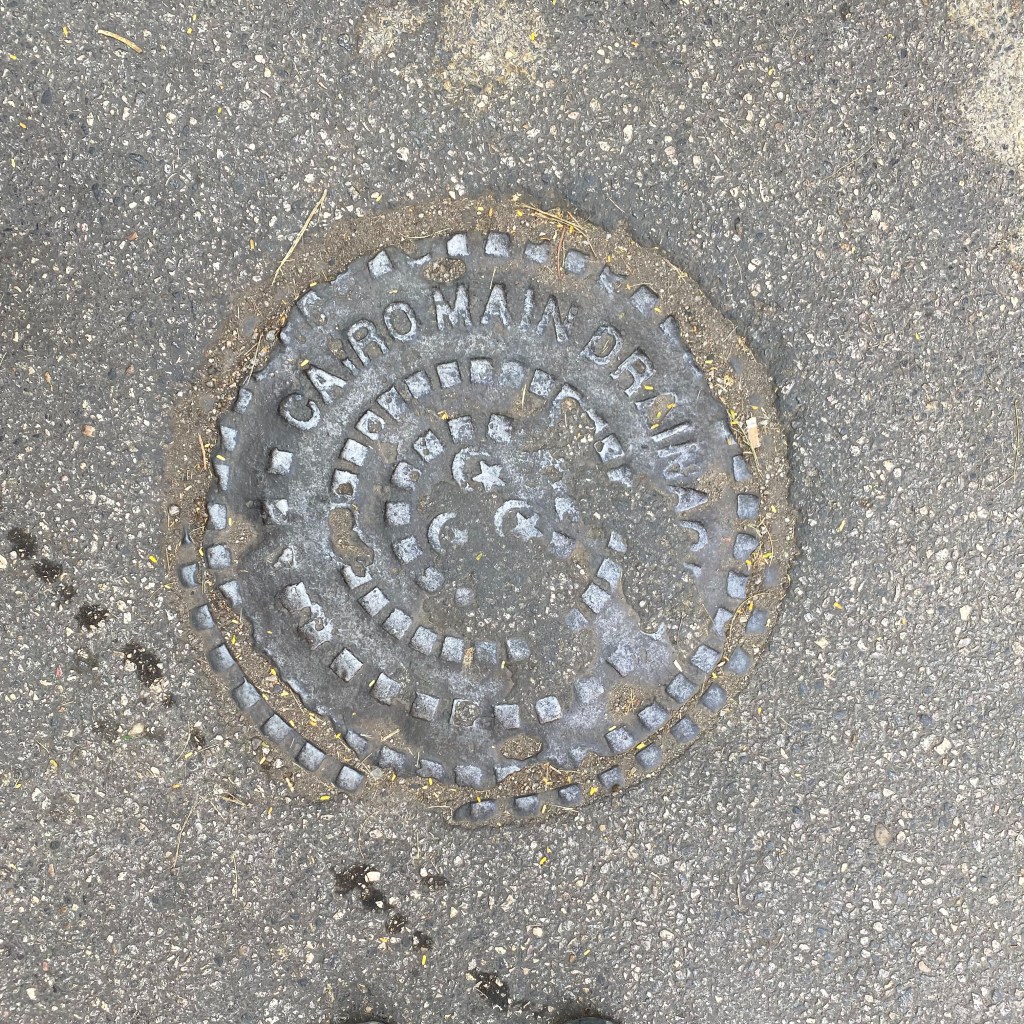
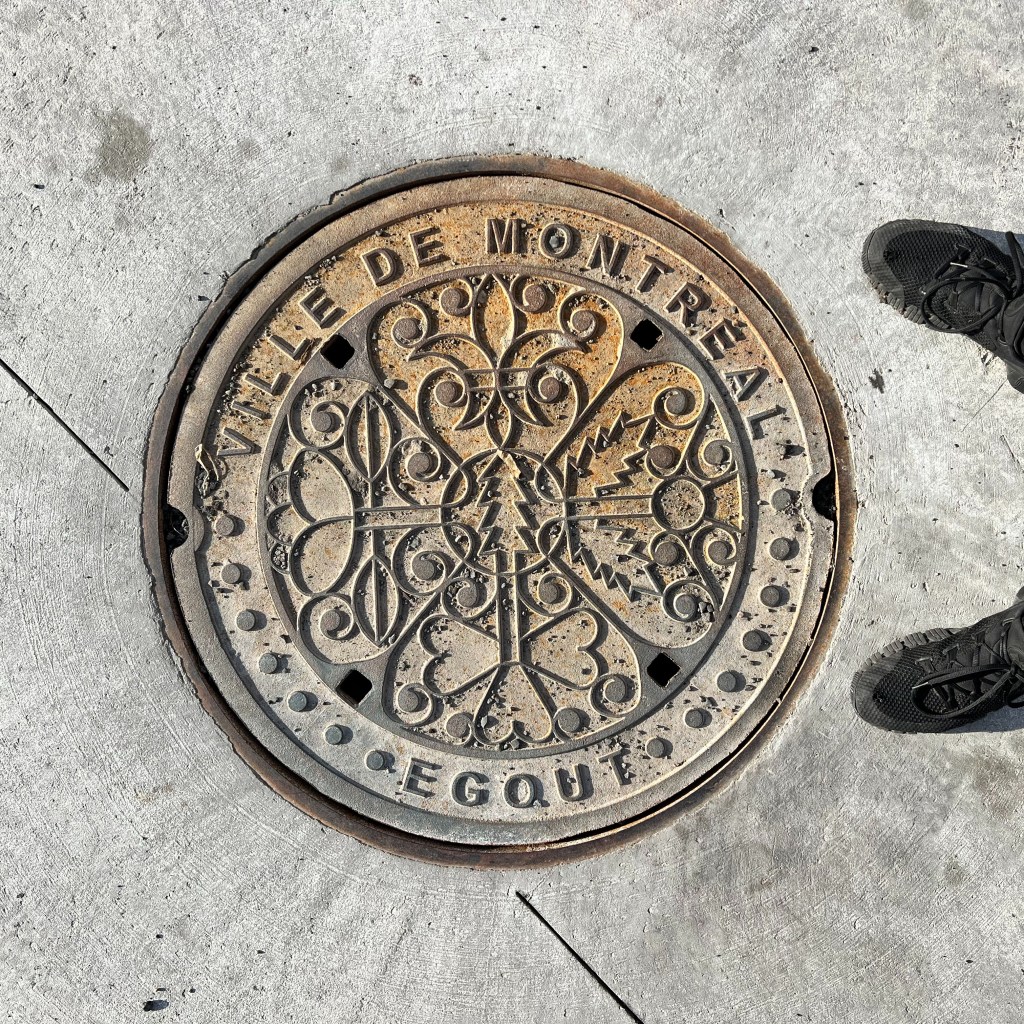
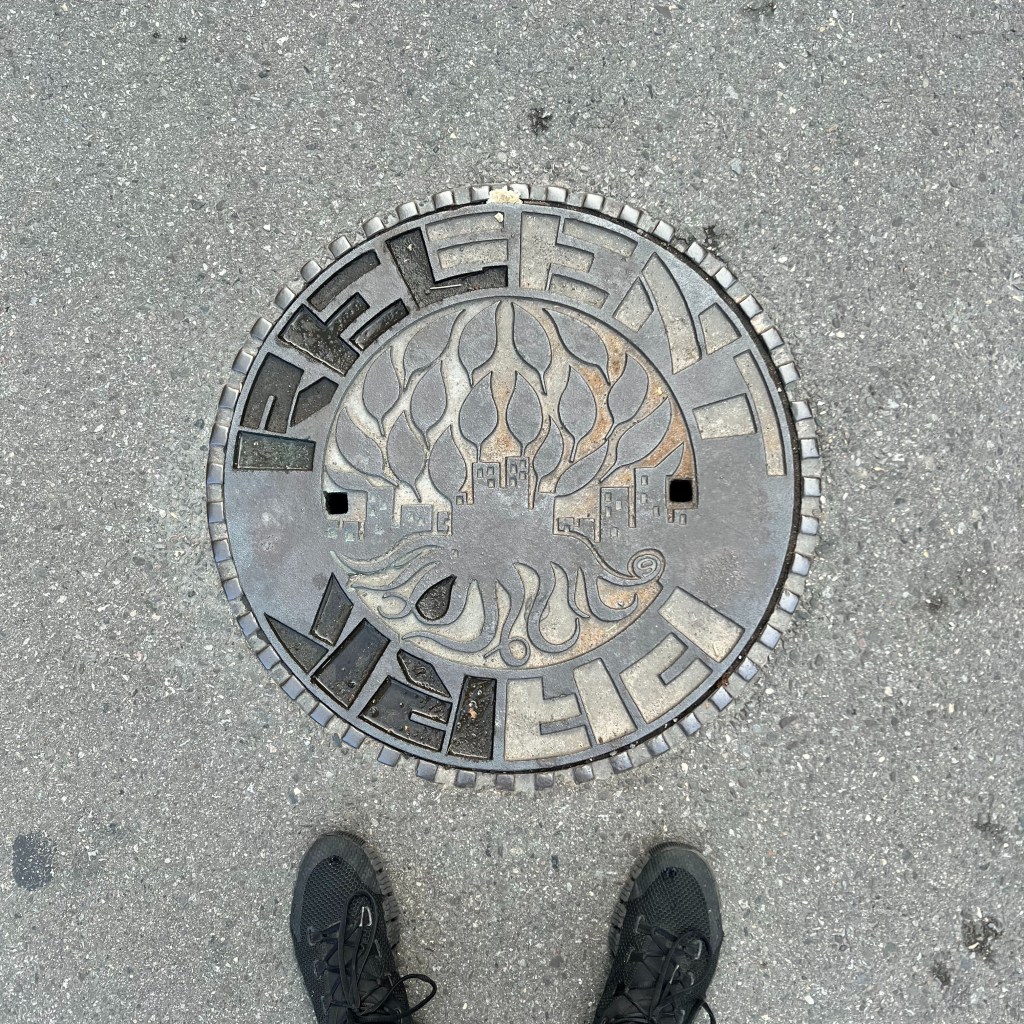


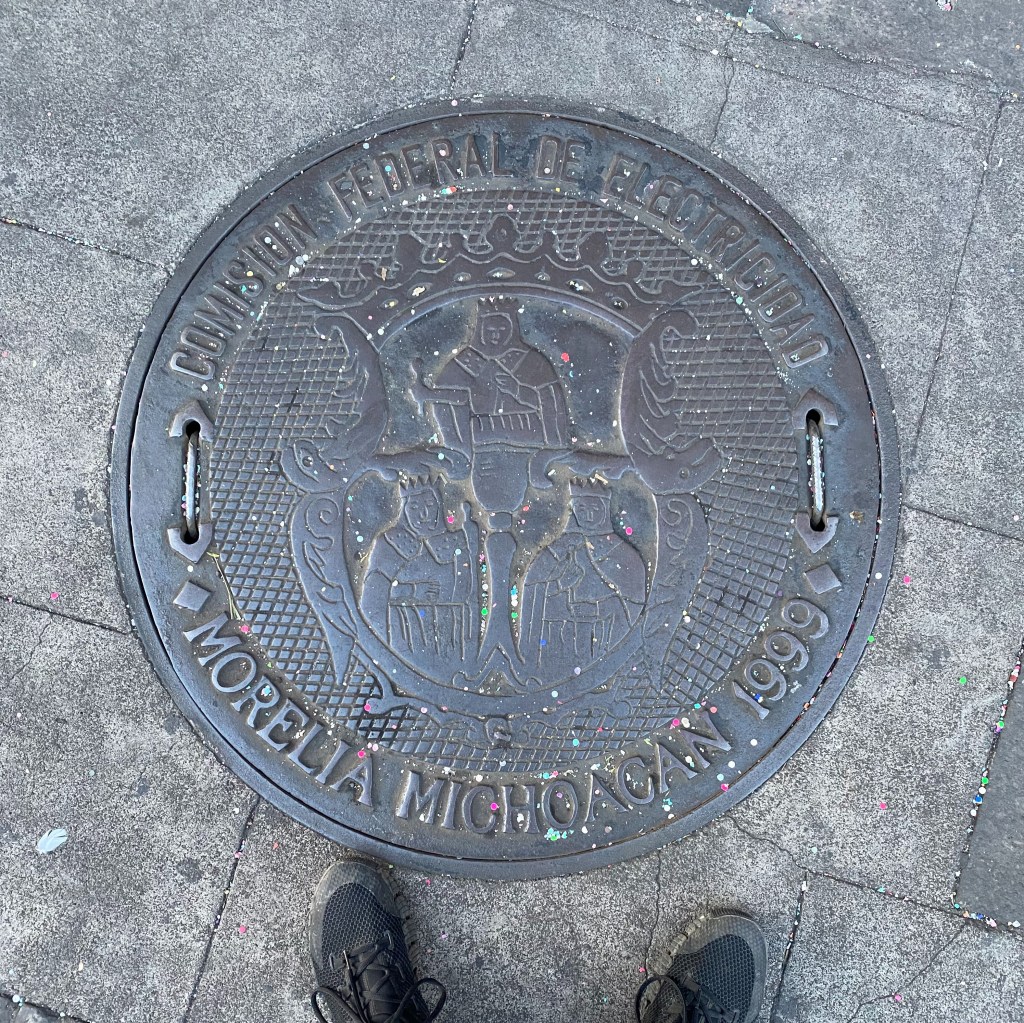


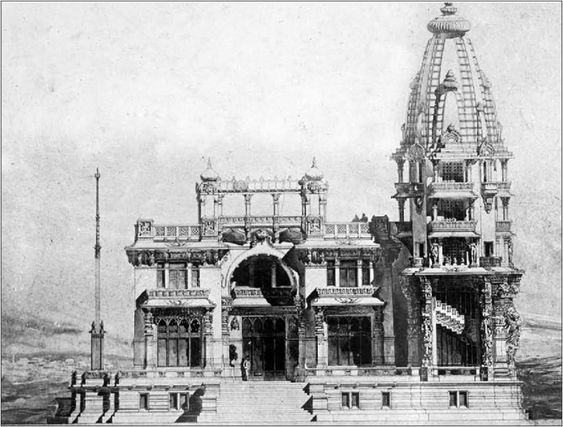


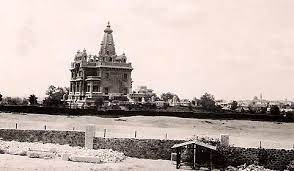

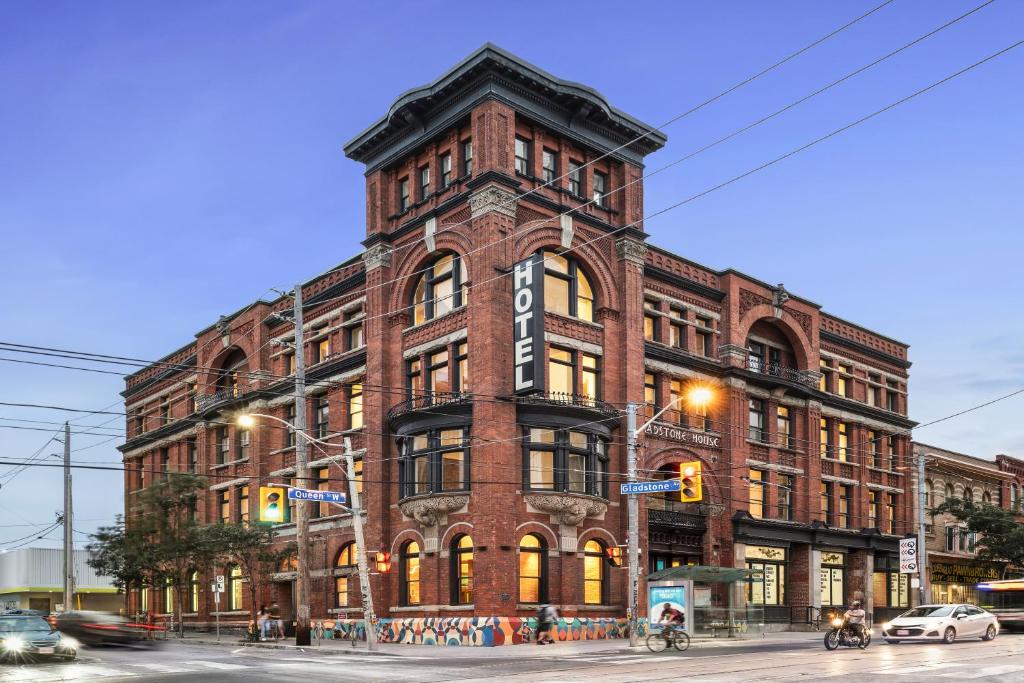
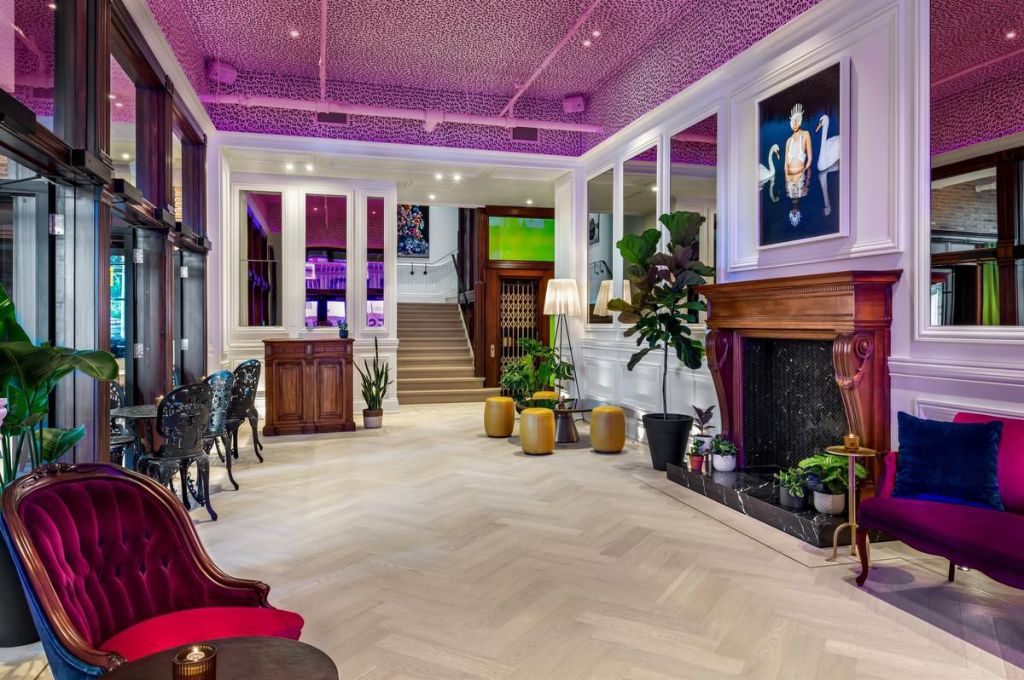

 NOMAD SKETCHBOOK