Stroll through Süleymaniye Mosque and Gardens

A first person perspective walk around the Süleymaniye Mosque. Experience all the architectural spaces and wonderful views, courtyards, and gardens of Istanbuls Suleymaniye mosque. The Süleymaniye Mosque is one of the grandest Ottoman imperial mosques and is located on the Third Hill of Istanbul, Turkey.

The mosque was commissioned by Suleiman the Magnificent and designed by the imperial architect Mimar Sinan. For 462 years, the Süleymaniye Mosque was the largest mosque in the city, until it was surpassed by the Çamlıca Mosque in 2019.

The Süleymaniye Mosque is one of the best-known sights of Istanbul, and from its location on the Third Hill, it commands an extensive view of the city around the Golden Horn.

Footage recorded March 2021

Walking Istanbul | Counterfeit Market at The Grand Bazaar | 4K 60FPS

Istanbuls Grand Bazaar has been a market destination for centuries. Experience all the hustle and bustle as I walk past counterfeit Nike shoes, Prada Bags, Gucci Belts and so much more.

Let me know in the comments how many counterfeit brands you can spot. From the start, we see the historic entrance of the Grand Bazaar before we start down an alleyway side market then enter Gate 5 and into the Grand Bazaar.

Most people are wearing masks but it’s still extremely busy compared to other markers around the world.

Footage recorded March 2021

The Church of St Anthony of Padua Basilica, Istanbuls Largest Catholic Church.

St. Anthony of Padua Church, alternatively known as the Sent Antuan Bazilikası, is a basilica and the largest church of the Roman Catholic Church in Istanbul, Turkey. The magnificent church is located on İstiklal Avenue in the Beyoğlu district. St. Anthony of Padua is one of the most important Catholic churches in Istanbul, and among them has the largest community following its Masses.

The building was designed by the Istanbulite Levantine architect Giulio Mongeri. The original St. Anthony of Padua Church was built in 1725 by the local Italian community of Istanbul, but was later demolished and replaced with the current building which was constructed on the same location.

The current St. Anthony of Padua, along with its adjacent buildings (known as the St. Antoine Apartmanları) on İstiklal Avenue, was built between 1906 and 1912 in the Venetian Neo-Gothic style, and was likewise edificed by the local Italian community of the city. The church is considered a minor basilica,[1] and is run by Italian priests. Saturday Mass is in Italian and begins at 19:00, Sunday Mass is 9:30 in Polish, 10:00 in English and 17:00 in Turkish, and Tuesday Mass is in Turkish and begins at 11:00. Weekday Masses are in English at 8:00

We visit the Historic Topkapi Palace in Istanbul Turkey

A visitors guide to Topkapi Palace in Istanbul. The Topkapı Palace (Turkish: Topkapı Sarayı) is an expansive museum in the east of the Fatih district of Istanbul in Turkey. We start our tour at the Gate of Salutation, the grand entrance to the Second courtyard of the fortress.

A walk through the sultans gate and you will notice we are almost entirely alone. Because of Covid-19 restrictions, we will have the palace almost entirely to ourselves — you will never see Topkapi so serene. In the 15th and 16th centuries, the Palace served as the main residence and administrative headquarters of the Ottoman sultans.

After the end of the Ottoman Empire in 1923, a government decree dated April 3, 1924 transformed Topkapı into a museum. The palace complex has hundreds of rooms and chambers, but only the most important are accessible to the public as of 2021.

WELCOME TO 2020

IDEO is a global design studio that aims creates positive impact through design. At the end of 2019, IDEO’s editorial director Shoshana Berger outlined Eight emerging trends to be aware of.

1. Attention Economy Backlash

We love our phones, but will they ever love us back? Despite round-the-clock connectedness, millennials are being called “the loneliest generation,” suffering endemic anxiety and depression as social media activity replaces in-person interactions. Along with our privacy and attention, we give away our data—which is for sale, but we don’t get the profits. Clickbait lures us with content that causes outrage, disgust, or anguish; but we click anyway, and that has measurable impacts on our mental and physical health (not to mention society). 

Such concerns have spawned a movement to regulate big tech. We see it already in the growing practice among tech moguls of sending their children to Waldorf schools and insulating them from technology, even as it’s the root of their fortune. Meanwhile scientists at Northeastern University and MIT-IBM Watson AI Lab are working on “adversarial T-shirts,” printed with a specific pattern that can confuse facial-recognition algorithms, thereby protecting people’s identity in surveilled public spaces.

As we watch these phenomena unfold, new questions help us begin to fill in our picture of the future: Will all organizations soon have a Chief Ethics Officer? Will “surveillance-free space” become the new “non-nuclear zone?” Will there be a course-correction in social media, where “positive antisocial” digital experiences emerge?

2. Multi-Track Mind

It’s increasingly common to have multiple careers, many side gigs, and several simultaneous committed relationships over the course of adult life. As digital tools become the means to finding work, partners, and new interests, the bios we use to present ourselves on social media reflect the hybridity and fluidity of the moment. Identity itself is often a composite that includes profession, religion, gender, family, geography, ethnicity, personal passions, and the list goes on. 

These currents are already taking shape through organizations like Live in the Grey, which empowers people to blend what they like to do with what earns them a living. As AI replaces many tasks, there will be less need for full-time work, and employers may offer part-time roles to retain people. 

To help think through these evolving identities and aspirations, we’re asking: Will banks have to design “rainy-day” funds as people increasingly lack one consistent stream of employment? Will universities have to create hybrid departments, teaching positions, and curricula sourced from multiple disciplines? Will people identify as both their physical and digital identities in the world?

3. Distributed Devotion

Although younger generations are less affiliated with organized religion, they have no less drive to find a sense of belonging, meaning, and spiritual connection. But they’re finding it in a much wider array of locations and communities. Yoga studios, supper clubs, and forest bathing all offer a sense of communion. Megachurches hold rock concerts and sell Starbucks; Kanye West has his own ministry. For some, transcendence can be found at CrossFit. 

Sacred Design Lab, a research and design consultancy, explores how modern millennials “gather” to seek out meaning, community, and ritual in the absence of organized religion. The People’s Supper uses shared meals to build trust and connection among people of different identities and perspectives. Intentional communities are having a resurgence among people who want to live and raise children beyond the nuclear family, and reduce consumption by sharing resources. One example, Kin, is a co-living concept specifically for people with young families. 

This prompts us to wonder: Will brands soon have a Chief Belief Creator? Will micro spiritual sects replace organized religion? And will physically distributed workforces and the growing gig economy generate a new longing for community at work?

4. The New Normal

Transgression is the new norm. In large U.S. cities, cannabis has replaced alcohol for recreation and relaxation; psychedelics are administered in therapeutic settings; and gender is understood to exist on a spectrum. Aid in dying is now law in nine states (plus DC). This will be a slow moving pattern in many cultures, but is a fast moving train in many major cities. 

Last year, Oakland, California unanimously passed a resolution to decriminalize hallucinogenic fungi, otherwise known as “magic mushrooms.” Aside from academic clinical trials at Johns Hopkins, NYU, and elsewhere, German company ATAI Life Sciences and Compass Pathways (for-profit biotech platforms) are testing psilocybin and other psychedelic substances for therapeutic use. The Multidisciplinary Association for Psychedelic Studies (MAPS) is pioneering the use of MDMA for anxiety.

All this has us asking: Will cannabis corporations trade on the S&P 500? Will the option of assisted dying be part of any conversation on end-of-life care?

5. G.R.A.S.-fed*

The threat of climate-induced food scarcity is driving a rise in precision agriculture, analytics, IoT, and CRISPR gene editing. Indoor farming heralds a future where even food deserts can produce nourishment. Lab-grown meat and fish have arrived, as have molecular whiskey and wine. 

Clara Foods is a so-called “cellular agriculture” company that produces egg whites without hens, using yeast to grow proteins that mimic the animal-derived version. Aleph Farms is growing cultured meat in a lab. And a company called Glyph is creating whiskey in a test tube rather than a barrel, mapping the flavor profile at a molecular level and building the product in less time and with fewer resources than its traditional predecessor. 

We wonder: Will GRAS become the new “natural” on food packaging? Will prehistoric life forms be replicated for contemporary consumption? Will prescription diets be the norm?

*The FDA’s acronym GRAS, or “generally regarded as safe,” is emerging as the framework for accepting scientifically modified food.

6. Peter-Panning

As boomers age, lifespans extend, and full-grown adults reject “growing up,” typical kid activities—video games, escape rooms, summer camp—are marketed to every age. Many millennials shun “adulting” and choose not to have children. Meanwhile, people are working into their 70s and 80s as “middle age” extends and salaries stagnate. Must we “do it all” in our 20s, 30s, and 40s only to peter-pan for 30+ years afterward? As younger people prioritize careers over children, perhaps hearty elders will do the child-rearing while parents play. 

Google, Facebook, and other startups choose office design that mimics college dorms. Silvernest is an online home sharing service geared towards seniors. Papa, a service that bills itself as “grandkids on demand,” offers assistance and socialization for seniors. And in 2014, Google launched Calico, a billion-dollar longevity lab.

It begs the question: Will retirement plans have to be redesigned to accommodate longer work lives? Will multi-generational “village” housing become the norm? Will people upload their brains, holograms, and other likenesses to the cloud to gain a form of eternal life?

7. Blue Marble Thinking

Climate anxiety is real and it’s changing behavior. Swedish advertisements shame jet travelers. Consumers at the top of Maslow’s pyramid make decisions based on organizational ethics and potential waste streams. Corporations are being held to account by employees on every front, from sustainability to privacy; and “benefit corporations” (B-Corps) are increasingly common. 

Technologies like Rumii allow people to collaborate in VR, preventing the need to travel to meetings, and Microsoft’s Hololens is developing holograms to stand in for in-person meetings. H&M, Everlane, Patagonia, and other clothing lines are focusing on circularity and sustainability in their supply chain.

In a climate-conscious, globalized world, what sacrifices might the West have to make to help developing economies catch up without the pollution toll? Will “Circular” become a product designation, like HE (high-efficiency) washing machines? Will Thunberg-activated youth drive new consumption patterns?

8. Skipping School

The fourth industrial revolution demands new skills, which entails different approaches to how and where we learn. Corporations have brought learning and development programs in-house. In some countries, the aging population means fewer college applicants. Students are also rethinking the investment in and financial burden of college, and instead heading to coding bootcamps; while budding entrepreneurs follow the Zuckerberg/Thiel route and quit school to launch and learn in startups.

Amazon and Salesforce are starting programs to train their internal employees for roles that are hard to fill. There is a profusion of coding bootcamps like CodingDojo, and institutions like General Assembly, that are reinventing vocational education and providing alternatives to college. Lambda School and Flatiron take the ROI of education literally, only charging after graduates find a job. 

In the near future, will we see vocational education replace the B.A.? Will kids apply to Google straight out of high school? Will cities—alongside corporations—invest in reskilling their workforces with new guilds and trade schools? Will teachers end up ditching schools in favor of teaching for plum salaries in private industry?

READ MORE HERE
https://www.ideo.com/journal/8-emerging-trends-that-can-help-companies-understand-their-future-consumer?utm_source=The+IDEO+Journal&utm_campaign=7b757b0e4d-EMAIL_CAMPAIGN_2019_12_16_08_21&utm_medium=email&utm_term=0_3ad7ba1b70-7b757b0e4d-181570821

Holidays at Eco-Logic Thailand

For the holidays Stas and I hadn’t planned anything specifically festive, being our first year on the road we were still getting used to moving around so much. 

Our schedule after leaving Koh Tao was two sided: 1) While we loved the sun, beaches and diving, we wanted to break from the island partiers, the in your face travellers, and the sometimes toxic aspects of tourism. 2) We needed to recharge our batteries, escape back into nature after weeks of city living, and kick start some of work-life goals. 

Stas found an amazing eco resort halfway from Koh Tao and the Malaysian boarder in the Paksong Jungle that focuses on returning to nature and permaculture farming. There we’d be able to do yoga twice and day and the best part, the organization operated as a not for profit that funded an on site school for children with disabilities. 

Fast forward through an amazing few days you all hopefully saw in story and it was Christmas Day. After five years together but families apart, this is our first shared Christmas and it’s unlike either of us had done before. Stas and I wake up in our tent, just a few meters from the river blanketed in the jungle mist. The sounds of the jungle completely surrounds us. 

After making our way to morning yoga, and up to the main house for breakfast the volunteers and I make our way over to the school to hand out presents and spend the afternoon with the kids. 

Fast forward a few hours to the evening dinner and the great hall is decorated in tinsel, banners, and pastries. Ingrid the owner and host has gone all out for the community and we barely believe our eyes. Between handing out welcoming cocktails made from fresh fruit and filling our stomachs with delicious food and treats, the kids are passing around candies and little gifts and all the guests are sharing stories of their traditions. 

We end the evening with the Krathong ceremony (traditionally done to celebrate the end of the rice harvest and to give thanks to water and the rivers). For us we adopted the ritual to give thanks to each other and our families, and to send our intent for the following year before sailing a dozen banana trunk, leaf decorated candle lit boats down the river. 

At this point in the evening, it’s becoming morning back home in Canada and our family is waking up and it’s time to wish everyone a Merry Christmas. For us it truly was and one I’ll never forget. 

Forever grateful and many thanks to Ecologic and to all the other guests staying at the centre that became our family this year. 

Essaouria | Atlantic Hostel

When we were in Marrakech everyone was talking about the guys at Atlantic Hostel. It sounded like the same old same old type of back packer ramblings but after six months on the road ‘The Best This’ and ‘The Best That’ really looses all meaning. 

Fast forward a week later, we’re walking through the market street of Essaouria looking for our turn into the medina. Between the fruit displays, food carts and mixed shops we see the obeachy and well aged sign for Atlantic Hostel. From there its only a 50 meters to the door but the guys have already spotted your backpack and are all cheering you in. 

More like a Japanese Izakaya than a reception, everyone is shouting your name, introducing themselves, and horsing around. Between jokes and paper work someone has offered you tea, a guitar is being strummed and you’re five friends into your new home. 

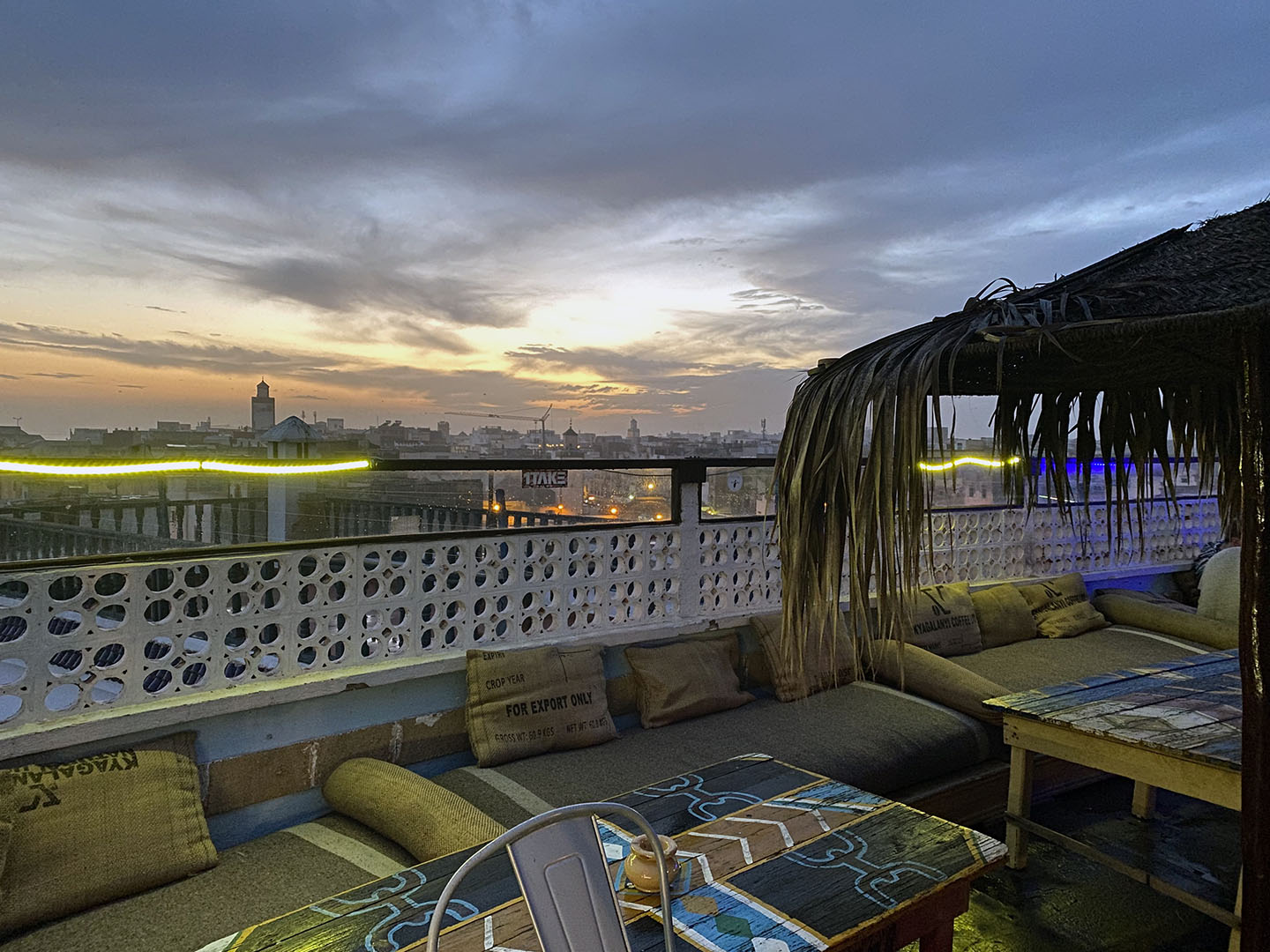
Spiral your way up the eight, nine or five storeys (who’s keeping track) to the rooftop terrace. This is where all the magic happens. Whether your gazing out at the smoke rising from the bakery chimneys, the mist coming in from the ocean or letting your eyes hop along the countless rooftops of the Moroccan skyline, there’s no doubt that this is the rooftop you want to be on. 

ISLAND LIVING IN KOH TAO’S MOONDANCE MAGIC VIEW BUNGALOW

The Moondance Magicview celebrates the Koh Tao terrain with wonderfully landscaped paths and traditional bamboo bungalows. Perched on ocean side granite cliffs that overlook the crashing waves and tinier islands, we truly loved staying in these amazing structures. 

The entire construction of a each site is made of bamboo with concrete corridors surrounding it for privacy. The walls are made of interwoven bamboo sticks, while the roof is covered with wrapped bamboo-straw clamped by bamboo sticks. The unit is complete with a private terrace, hammock and small sitting table. 

The restaurant and common areas features a series of cascading patios meandering down the cliffside to the ocean (be sure to take it all the way down through a mini cave to the waters edge). 

Each morning you’ll be treated to coffee, juice and complete breakfast. The host cooks right there and we highly recommend staying in for dinner at least once. 

After a week on the island I feel Moondance Magicview was the perfect place to get away from the main strip of tourists, parties and rally get to experience island living to the fullest. 

Was there anything you didn’t like about this hotel?

I don’t think we could have expected anything more from the Moondance. Their staff was very kind, the included breakfast was truly delicious and their help managing the way to and from the many beaches around the island was very much appreciated. 

The $1 New York Pizza

It’s 3pm, I’ve just walked out of the fifth art gallery filled with weighty greats picked by Gagosian Gallery, David Zwirner, or Gavin Brown, and your passing a row of buildings by Frank Gehry, Zaha Hadid, and Thomas Heatherwick and deciding between a cocktail stop atop the Social, Manhattans newest rooftop bar perfect to watch the world end, or to silence the angry beast growing within and grab something else to eat. 

At this point of a jet setting scheduled day your expecting one of the countless Michelin Star options within walking distance of Chelsea but my stomach has other needs. 

It’s hungry and there’s only one thing that will silent it’s often nameless rage. 

Pizza. 

And there’s a no better place in the world to be when stomach sends that call. 

Looking up to the sky I’m in the hunt for the bat signal of pizzas. No not the red roof of my child hood pizza huts, and no not the terrible orange pizza pizza signs that sadly dominate Canada’s pizza scene, I’m looking for the bat signal of signs, the red white and blue flag of pizzas, I’ve got my eyes set on the $1 Slice. 

The $1 slice is the purest form the three essential ingredients can create. Thin crust, traditional red tomato sauce and mozzarella cheese. 

Yea there are gourmet slice joints with their plethora of cheeses. The fantastic spreads of toppings from olives or sundried tomatoes, even serving up one of my favourites – roasted garlic. Then of course foodies would hang me for leaving out wood fire stone ovens with its formidable toasty delicate crunchy crust. 

However dollar for dollar, bite for bite, the classic $1 slice is absolute perfection. Walk in, hand the guy a single USD, no change, no tax, he hands you a slice then walk your smiley ass back out to the grungy streets of New York. 

For those not in the know, this is not a corporate gimmick exclusive to one chain or specific to only one neighbourhood. It’s an all American, any joint on the street can do it, all you gotta do is walk a block scarfing down one greasy slice and pop into the next one testing it for the subtle changes of that greasy slice. 

By my math I can do this a up to four times before reaching the typical cost of other pizza slices which puts me well above what a normal human would consider a meal and definitely above my government suggested calorie intake.

But no no, this is America, and I’m Josh Nelson and this stomach is hungry for more, next stop, Jamaican Patty with coco bread. Who’s coming with me? 

Meknès and the One Hour Shot of Espresso

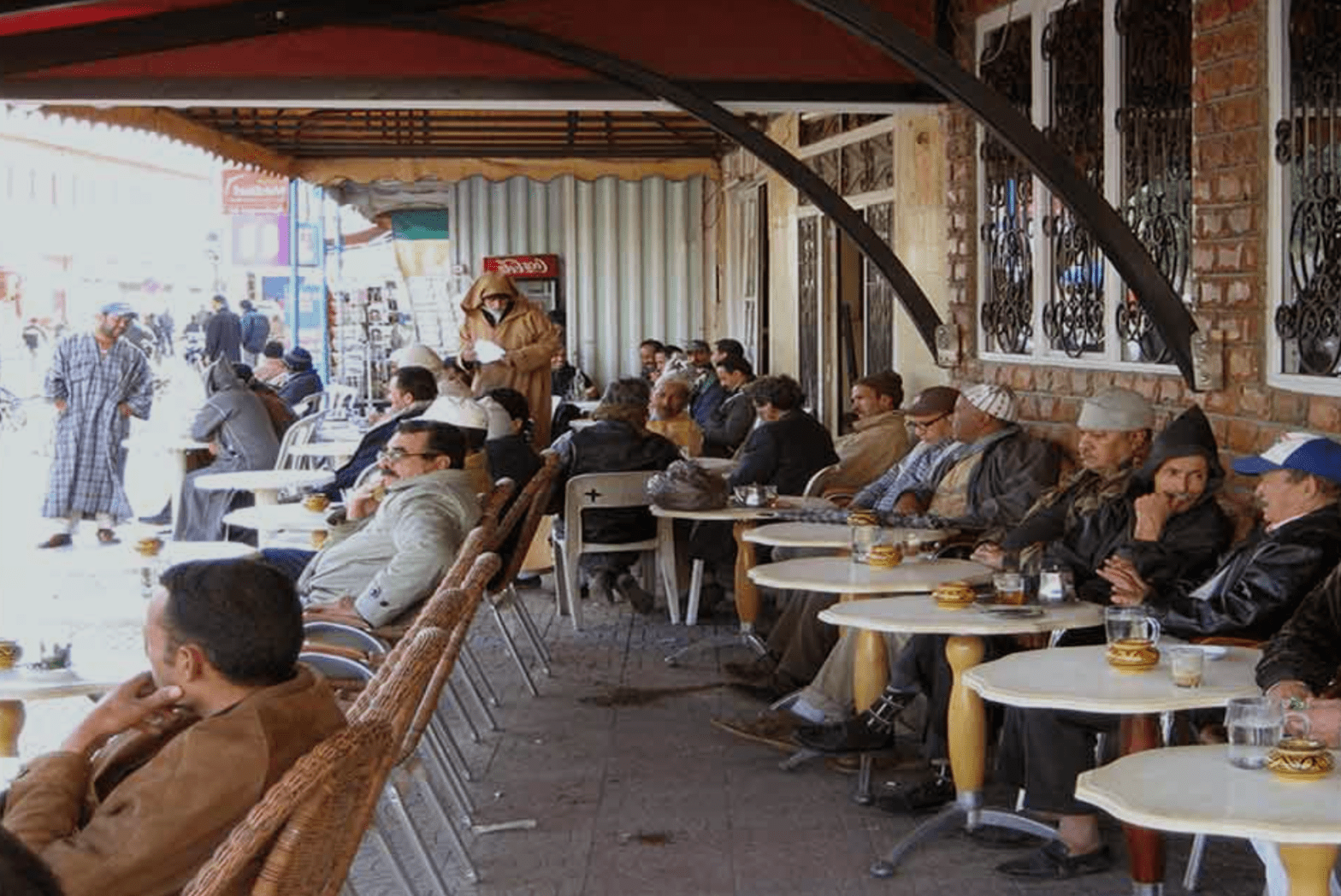
People watching from behind a small cup of milky coffee helps slow down time. Side by side, each of us men, gaze out at passerbyers, traffic, watching the wind. 

The brutally strong concrete buildings provide an ideal backdrop for leaves to cast shaky shadows on sun bleached walls. 

Soft insanity is yours, back out of your head or behind your eyes when a beggar scuffles onto the patio and into the shop pawning everything from knock off brands to jewel encrusted rings and watches. 

Un sheepishly they implore each and every person to inspect their items insisting the upmost quality. Fools we’must be to miss this opportunity. La shuckron I shake my head dismissing him through thanks. 

How to get my head back into the wind. How to dissolve those tv screens buzzing around us. How to ignore the waiters glide from table to table. With his tray of goods, my curiosity demands a glance over. Another man comes in with cigarettes for sale — it’s the speed his body and speech moves at that is breaks the connection from the peace found behind this little cup. 

Another slow sip. Now… how to pace myself.