An Underappreciated Masterpiece of Canadian Architecture
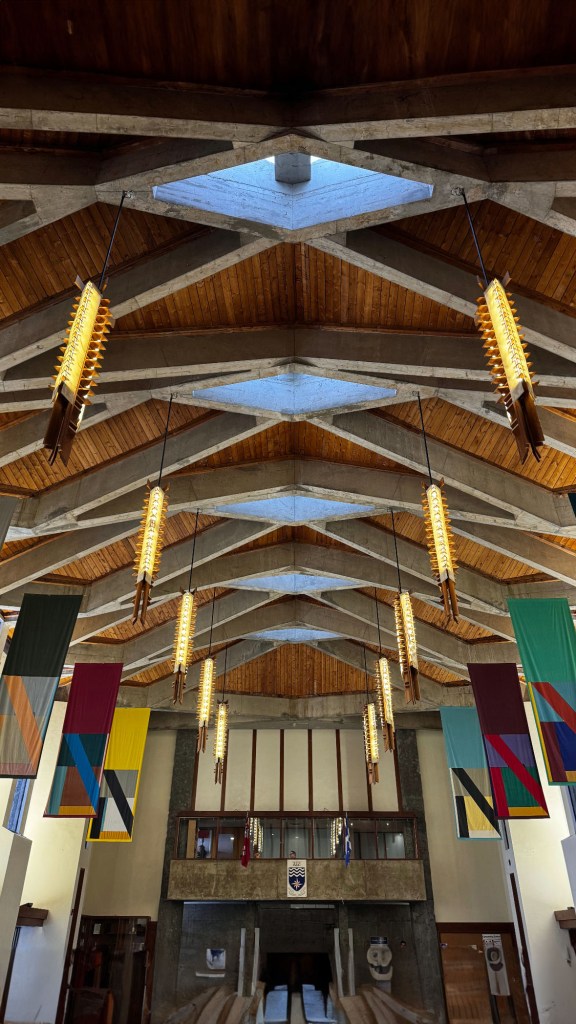
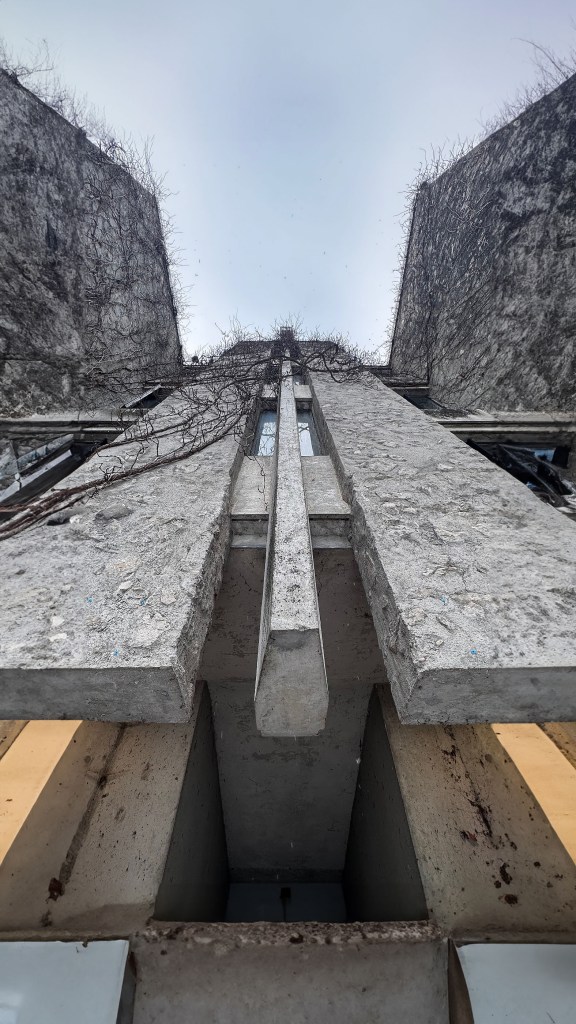
Trent University’s architecture stands as a remarkable yet often overlooked achievement in Canadian modernism. Designed by Ron Thom, it exemplifies how brutalist principles can harmonize with the rugged landscape of Southern Ontario. More than just a collection of buildings, Trent embodies a masterfully planned environment that responds to both its natural surroundings and the needs of its students.
As someone deeply passionate about architecture, my journey to Trent was fuelled by an admiration for the holistic design philosophies of Frank Lloyd Wright. Wright’s influence on Thom is evident not just in aesthetic choices but in a broader commitment to crafting an immersive experience—one where materiality, structure, and landscape become inseparable.
The Influence of Massey College and Master Planning
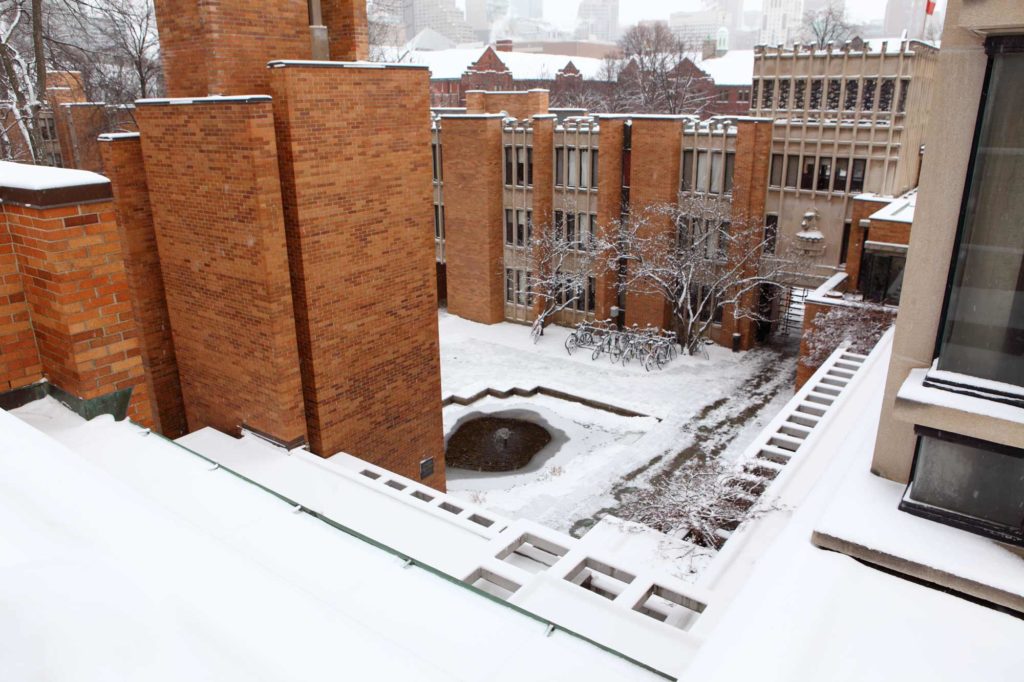
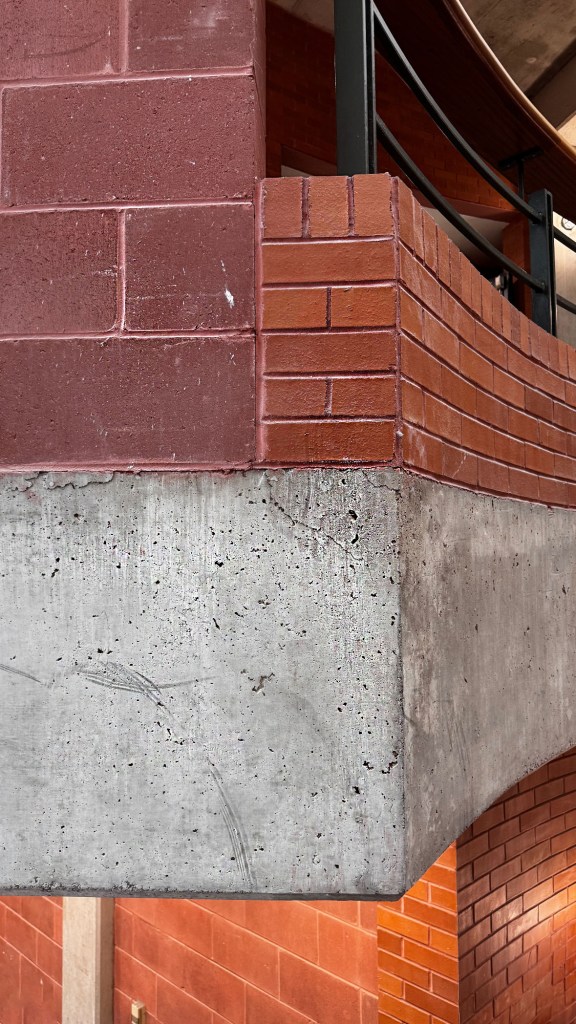
Before embarking on Trent University, Ron Thom designed Massey College in Toronto, a project that deeply informed his approach to educational architecture. Massey College’s enclosed courtyards, intricate use of brick, and emphasis on human-scaled spaces demonstrated how academic environments could foster both community and contemplation. Trent takes these ideas further, expanding them across a sprawling riverside setting.
Ron Thom, Massey College, UofT. Toronto, Canada.
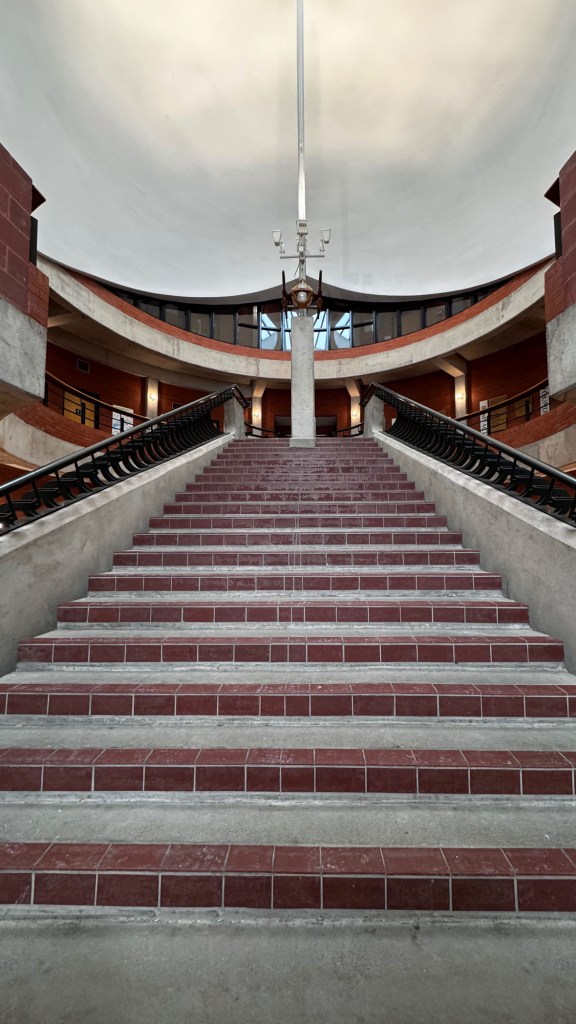
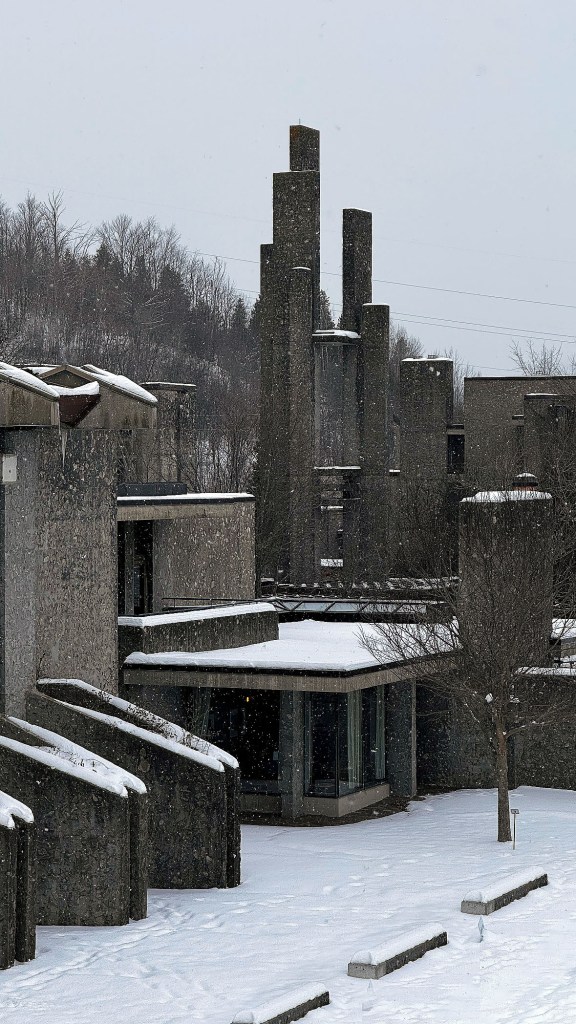
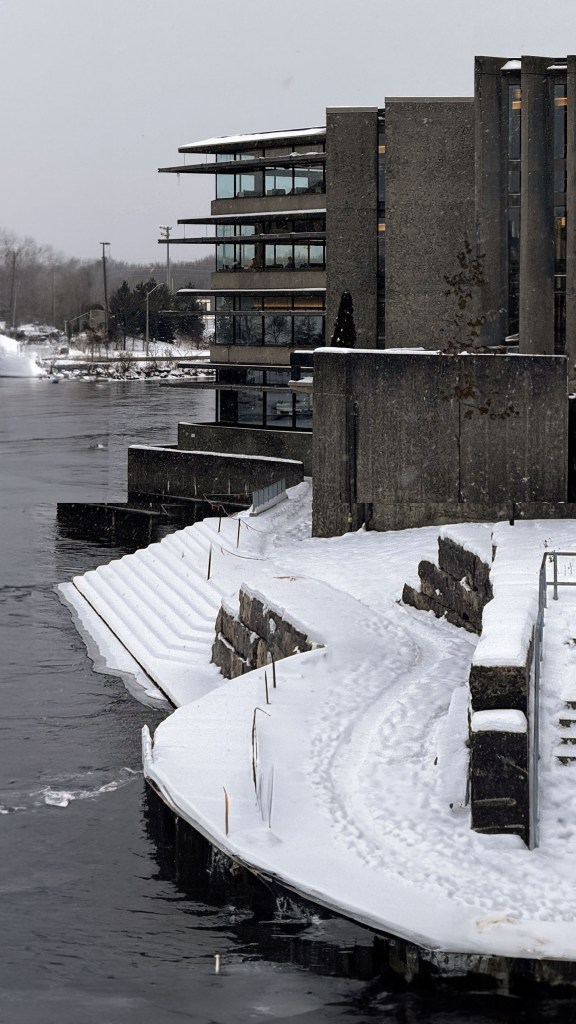
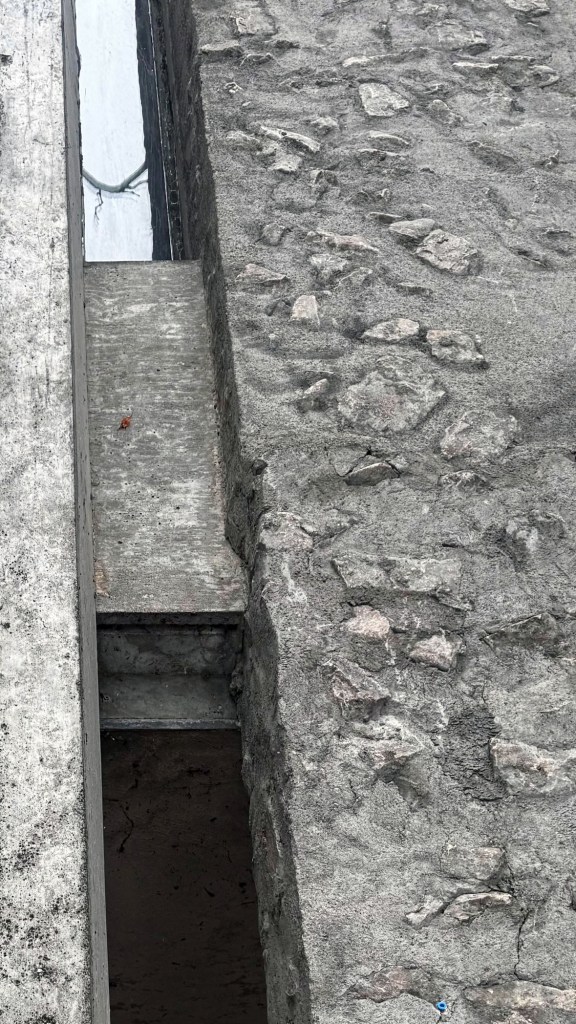
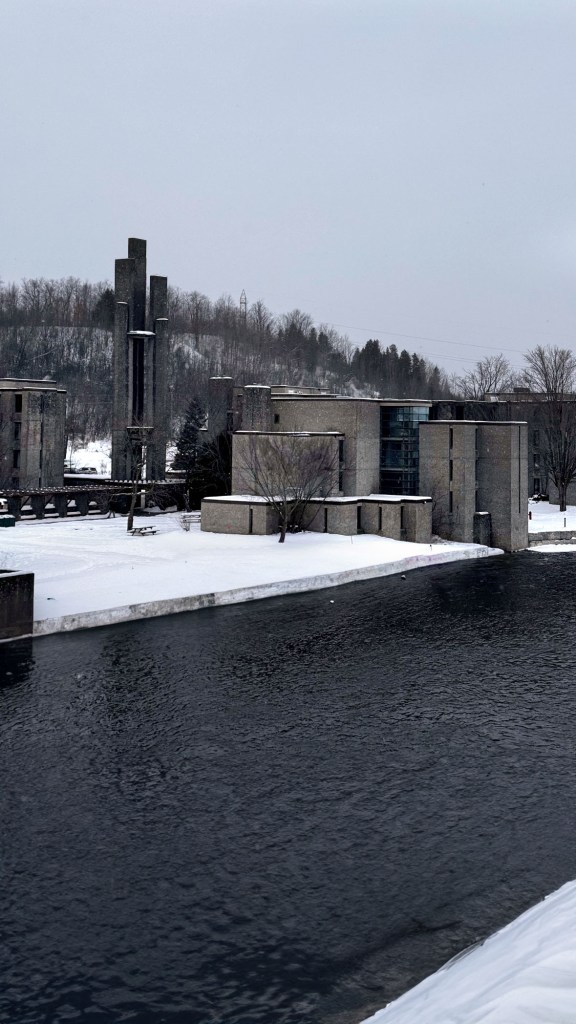
Unlike many brutalist projects that impose a singular monolithic presence, Trent’s design feels organic. The rough-hewn concrete and local stone echo the rocky shores of the Otonabee River, creating a sense that the university is an extension of the landscape rather than an interruption. The layout—characterized by multi-levelled paths, staircases, and intimate pockets of space—encourages exploration and movement, much like walking through a dense forest.
The Brutalist Language: Honesty of Materials and Light Play
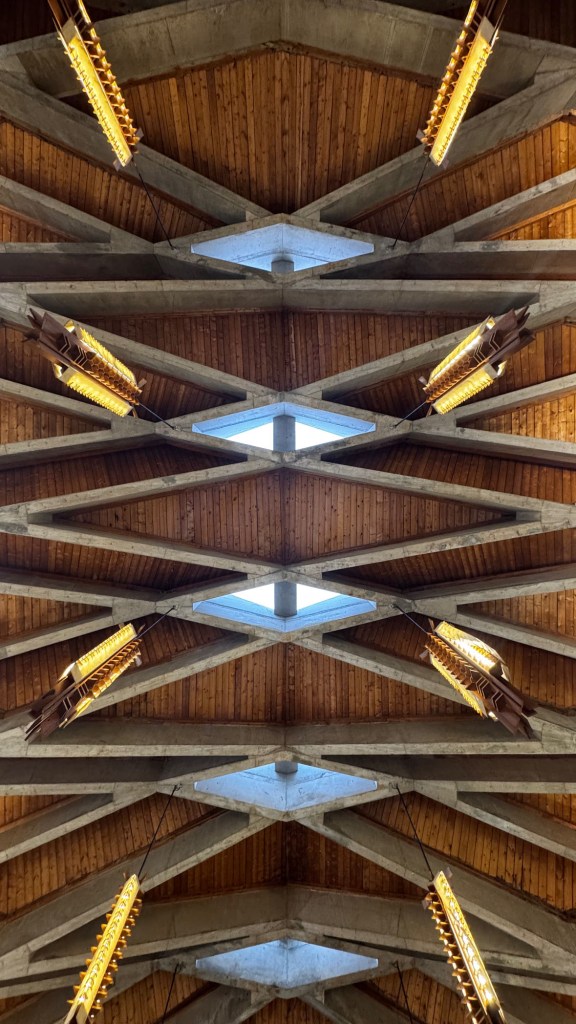
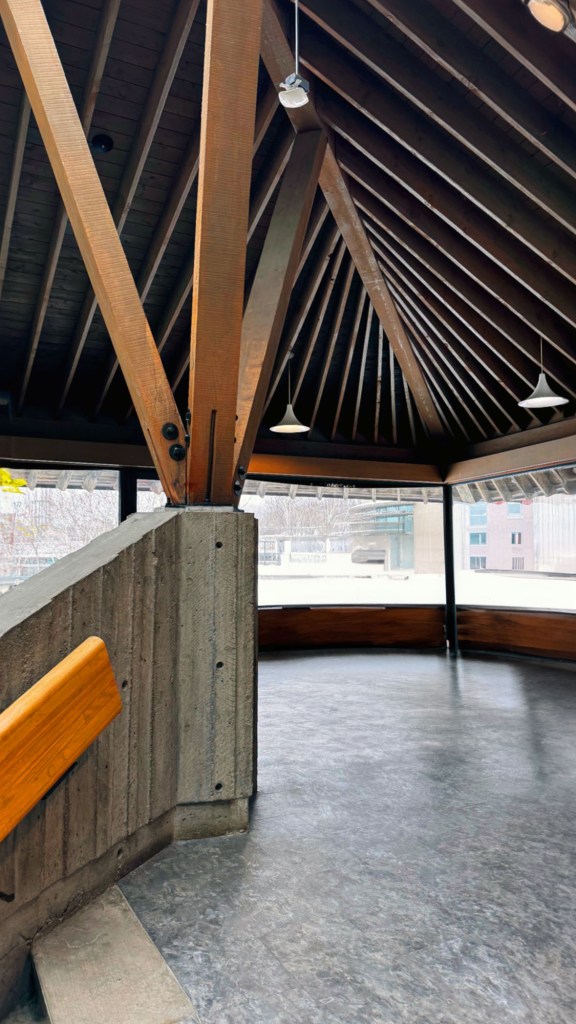
One of the most compelling aspects of Trent’s architecture is its treatment of materials. Brutalism is often criticized for its perceived coldness, but here, exposed concrete and wood interiors create a tactile warmth. The raw textures are celebrated rather than concealed, lending the campus an honesty that resonates with Wright’s philosophy of organic architecture.
Trent also defies the stereotype of brutalist buildings as oppressive by embracing apertures—windows, skylights, and unexpected openings that invite natural light into the spaces. These carefully considered voids punctuate the structures, softening the weight of the concrete and producing dynamic shifts in light throughout the day. The result is a campus that feels both fortress-like and deeply human, its nooks and passageways offering moments of solitude and reflection.
A Canadian Identity in Concrete and Stone
What makes Trent University feel uniquely Canadian? While brutalism exists worldwide, Trent’s design is distinctly rooted in the modernist traditions of Quebec and Ontario. Unlike the heavy timber focus of West Coast modernism or the quiet practicality of Maritime architecture, Trent’s identity lies in its interplay of raw stone, wood, and concrete. The campus’s levels and terraces evoke the undulating geography of the Canadian Shield, while covered walkways and overhangs respond to the country’s varied climate.
As I walked through the snow-covered campus on my visit, I was struck by how seamlessly the structures adapted to the elements. The buildings don’t just endure the weather—they seem to welcome it, framing views of the river and landscape in ways that make even the harshest conditions feel poetic.
Comparisons and Context
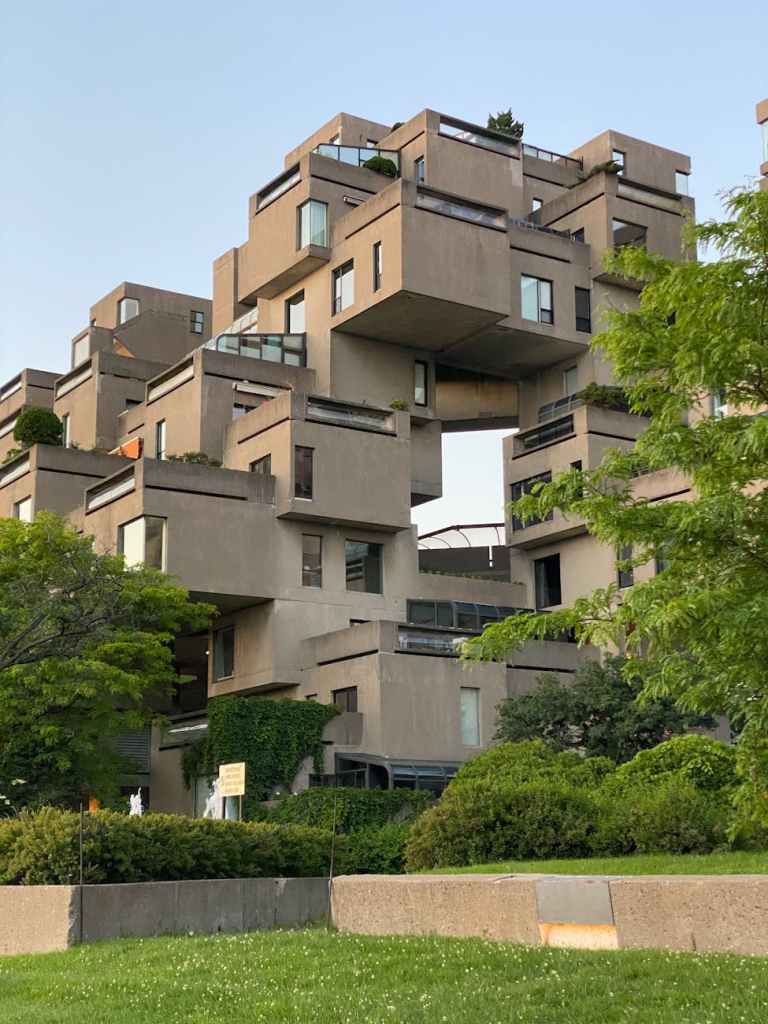
Trent University exists within a broader context of Canadian brutalism, yet it stands apart from many of its contemporaries. While Montreal’s Habitat 67 by Moshe Safdie and Toronto’s Robarts Library are often cited as brutalist icons, they embody a more monumental, imposing approach. Similarly, the University of Toronto Scarborough’s Humanities Wing and Simon Fraser University in British Columbia showcase the grand scale often associated with brutalist educational architecture.
What distinguishes Trent is its deeply personal scale and its sensitivity to place. Unlike the corporate brutalism of Toronto’s Manulife Centre or Sheraton Centre, Trent prioritizes human experience over sheer mass. This approach aligns more closely with Wright’s belief in designing spaces that serve people first and foremost.
Conclusion: A Hidden Architectural Treasure
In Canada’s vast landscape of modernist and brutalist architecture, Trent University remains an under appreciated masterpiece. Ron Thom’s vision for the campus was not simply to create striking buildings, but to cultivate an experience—one where education, nature, and design intertwine seamlessly.
For those who appreciate architecture that is both intellectually rigorous and emotionally resonant, Trent is a place worth exploring. It may not have the immediate recognition of Habitat 67 or Robarts Library, but for those who walk its paths and traverse its staircases, it offers something rarer: a built environment that is profoundly, unmistakably human.
Discover Alexandria’s vibrant markets, rich history, and stunning coastal beauty.
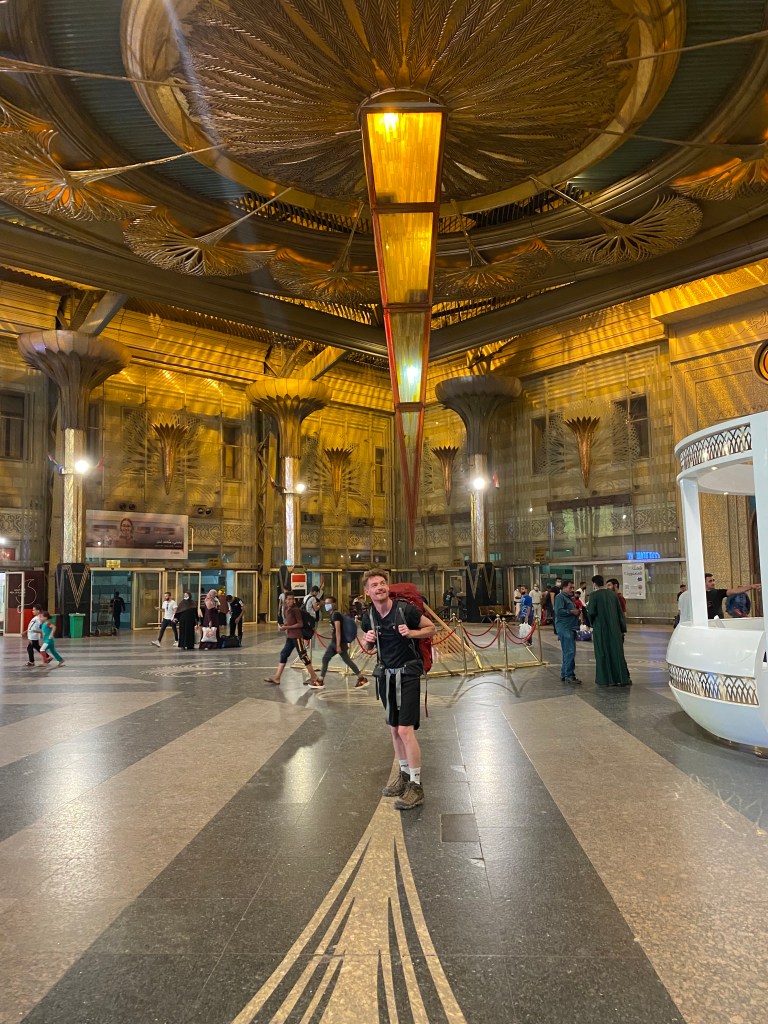
The journey begins at Ramses Train Station in Cairo, where the platforms are as chaotic as the streets outside, voices rising over the screech of steel and the rush of travellers moving in every direction. The train pulls away, racing along the Nile rushing along beside us. Cutting through desert plains, the sun casting long shadows across rebar crowned villages and endless fields of lush green farmlands. Hours pass, the landscape shifts, and then—finally—the sea emerges. Alexandria.
Many backpackers I met had dismissed Alexandria. “Not much to see, just a quick stop,” a buddy who ran the hostel told me one night back in Cairo. But I’ve never been one to rush through a place. I booked a week in a hostel overlooking the water, drawn by the city’s reputation as a gateway between worlds—the old and the new, the Egypt and Greece. Alexandria wasn’t Cairo. The architecture stood prouder, the air carried salt instead of sand, and the streets hummed with a different kind of rhythm.
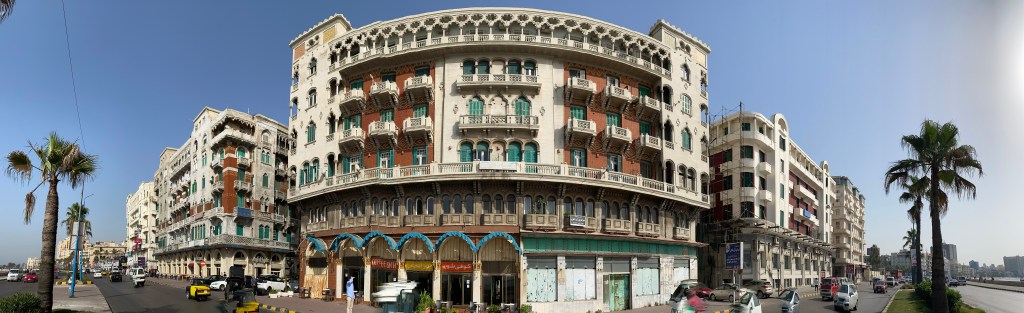
From the moment I stepped outside, I was hooked. The ochre glow of fading facades, the intricate ironwork of aging balconies, the way the golden afternoon light slanted against the weathered stone of colonial-era buildings—everything felt drenched in a grand, masculine nostalgia. The streets were alive, but not chaotic. Black-and-yellow taxis wove between trams, men crowded into cafés, deep in conversation, their voices thick with smoke and the weight of long histories.
A Walk Through Alexandria’s Heart
I started at the Navy Monument, a towering sentinel over the city, a reminder of Alexandria’s long command of the Mediterranean. From there, the streets pulled me forward, lined with weathered buildings that bore the scars of time yet stood defiant against the sea air.
At Nobar Souq, the market engulfed me. The air was thick with spice, sweat, and the metallic scent of fresh fish. Stalls overflowed with sun-dried dates, pyramids of saffron and cumin, and copper trays stacked with pastries dripping in honey. Vendors shouted over each other in the art of the deal, their hands moving fast, their expressions sharp but warm. The market wasn’t just commerce—it was ritual, tradition, and survival wrapped into one relentless energy.
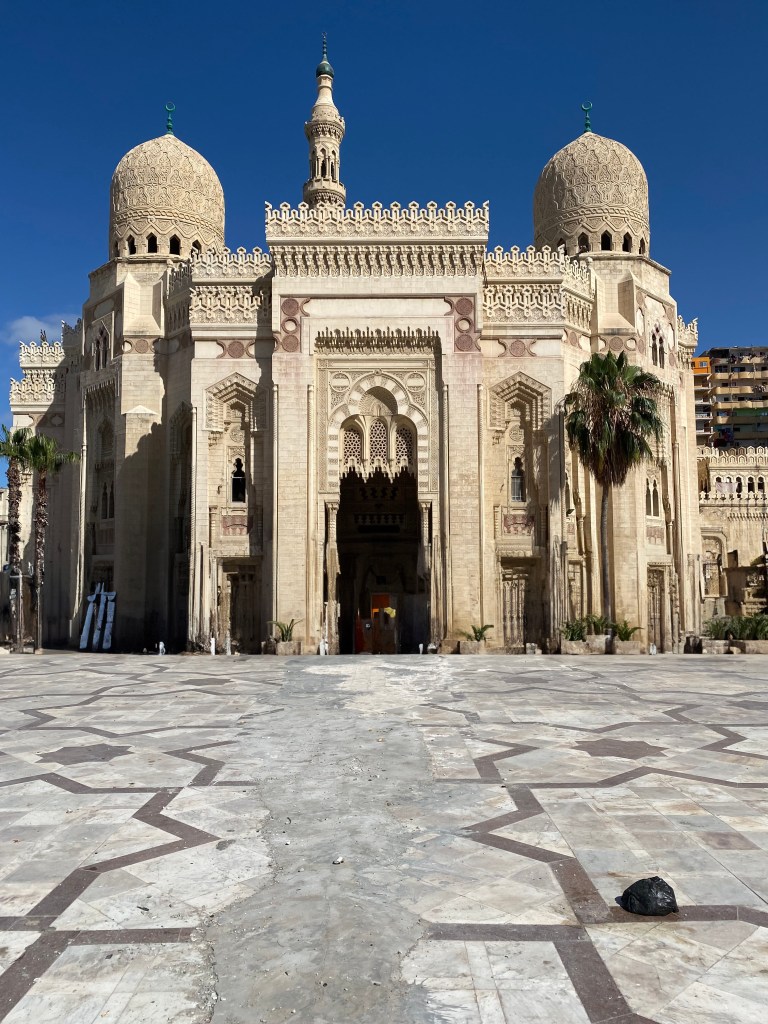
Pushing further into the city, I arrived at Sidi Morsi Abu al-Abbas Mosque. Even from the outside, the place commanded presence—towering domes, sweeping arches, intricate carvings that seemed to whisper of a time when craftsmen built for eternity. I didn’t step inside, but I didn’t need to. The mosque’s grandeur extended beyond its walls, spilling into the surrounding streets, where time felt slower, heavier, more deliberate.
The Corniche: Where the City Meets the Infinite
Here, Alexandria felt eternal. The ghosts of emperors, poets, and revolutionaries seemed to walk these streets, their stories woven into the stones, carried by the breeze that drifted through the city like an old song.
Then, the city opened up. The Corniche stretched ahead, endless, a sweeping arc where Alexandria met the sea. Palm trees bent in the wind, fishermen stood silent, casting their lines, and the sky burned gold as the Mediterranean swallowed the sun.
As night fell, the cafés filled again, their neon signs flickering in the dark. The scent of grilled fish and spiced tea curled into the air. I sat back, watching the city move, knowing that this place, with its grandeur, grit, and undeniable presence, was not a city to pass through quickly. It was a city to feel, to absorb, to let sink into your bones.
This wasn’t Cairo. This was Alexandria—the last true Mediterranean city of the old world.
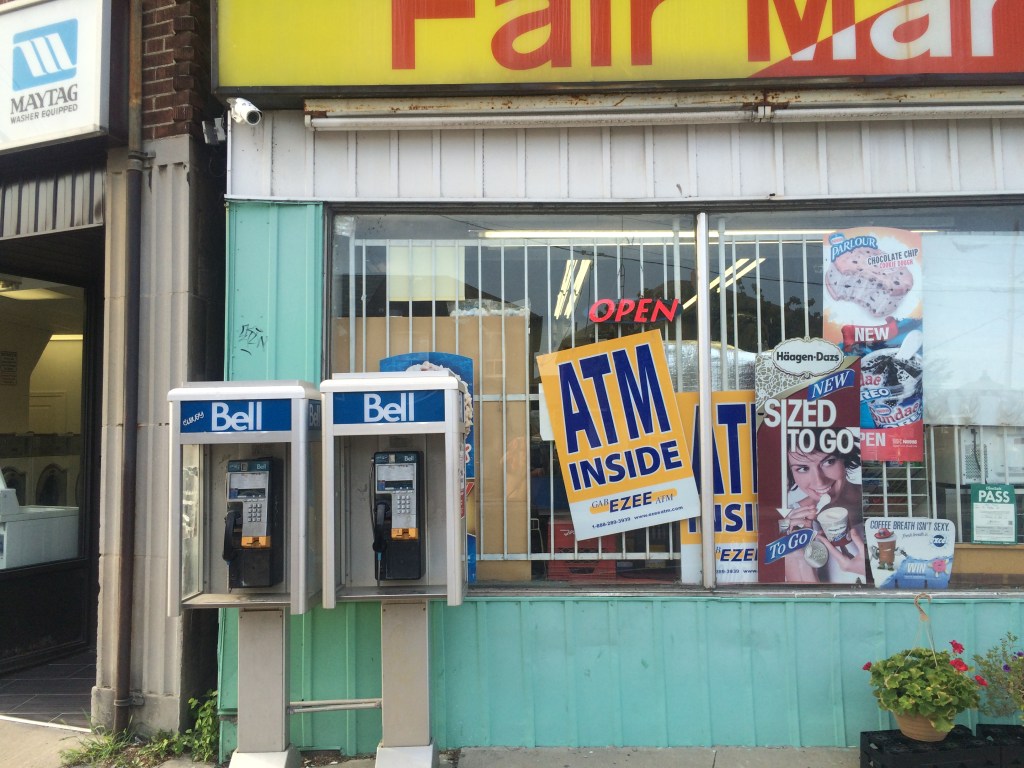
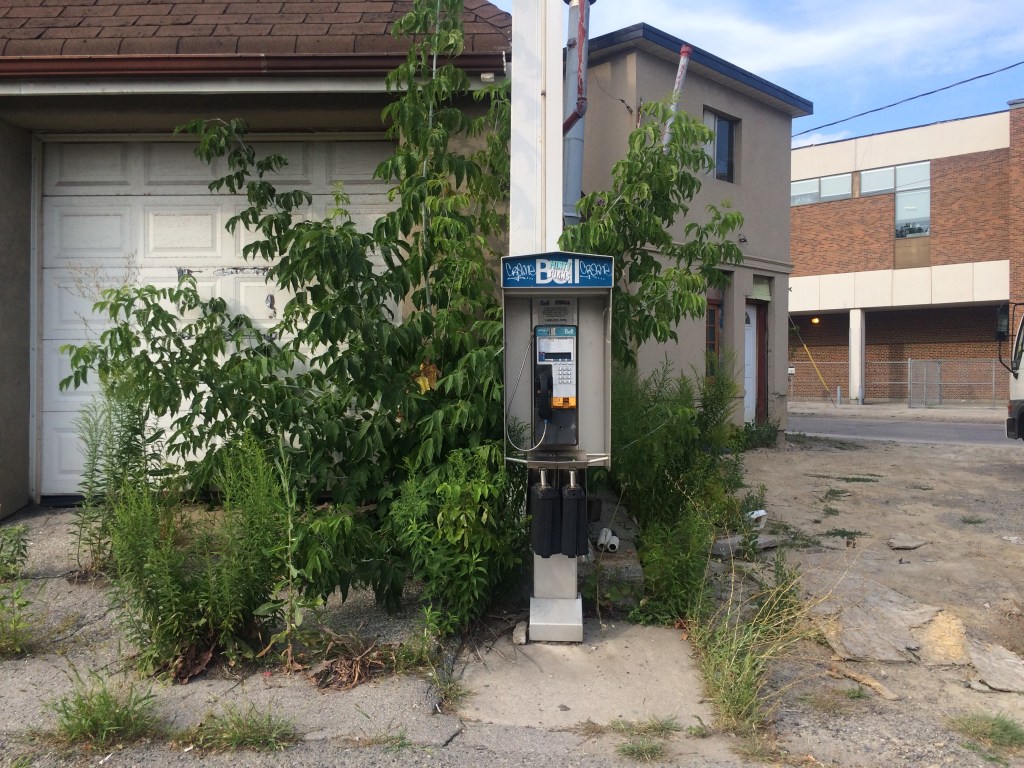
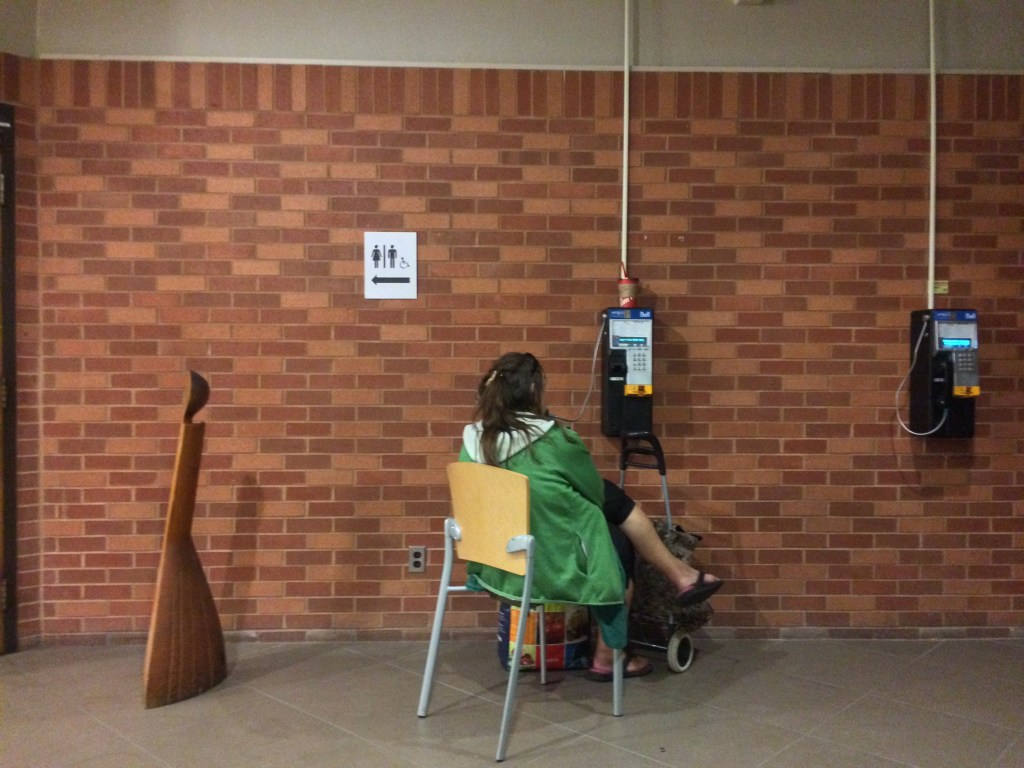
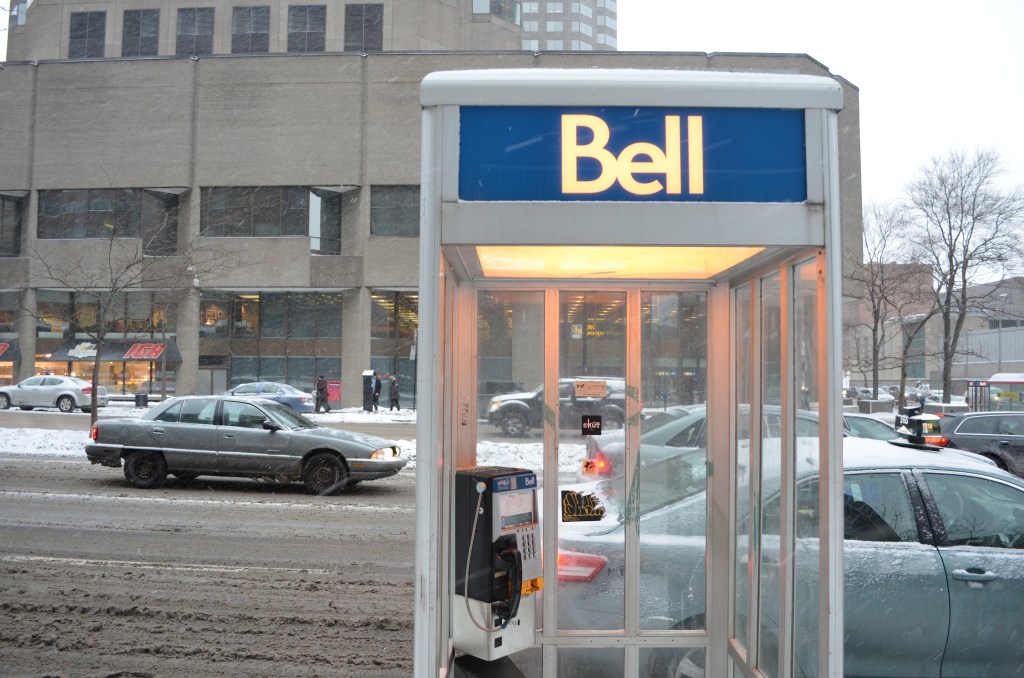
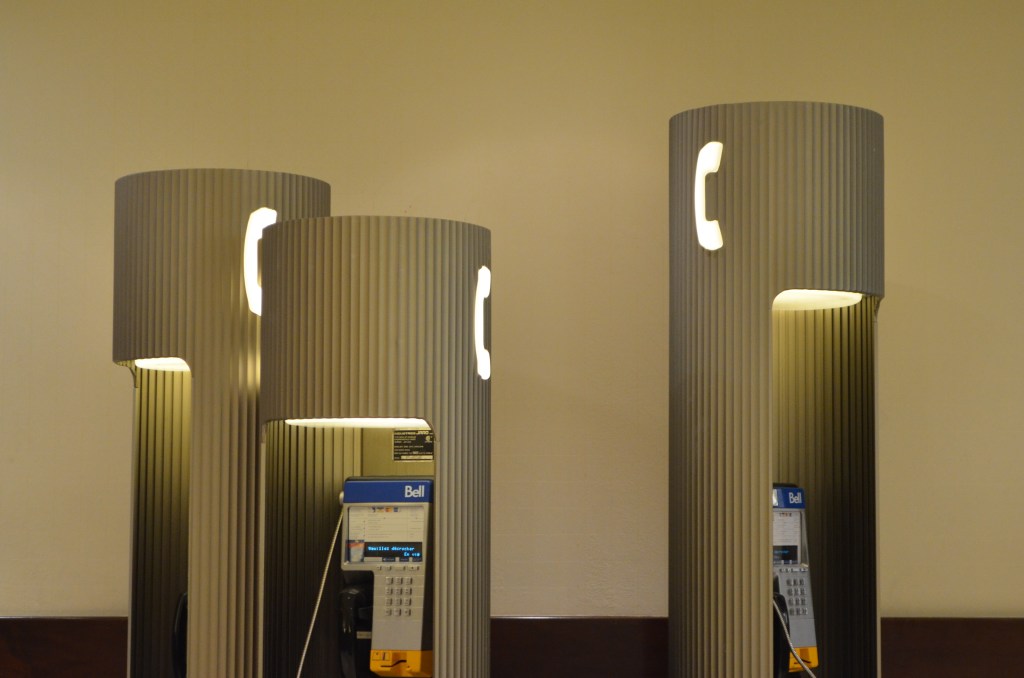
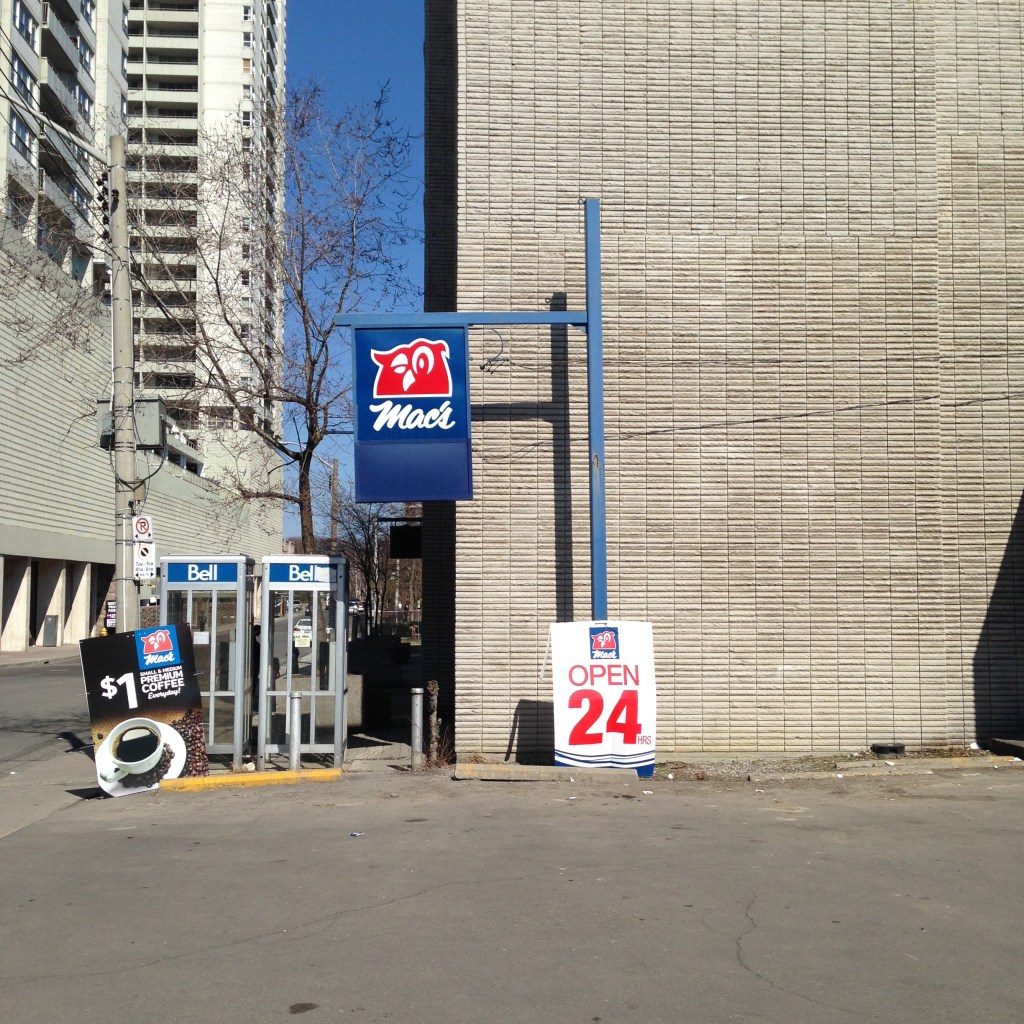
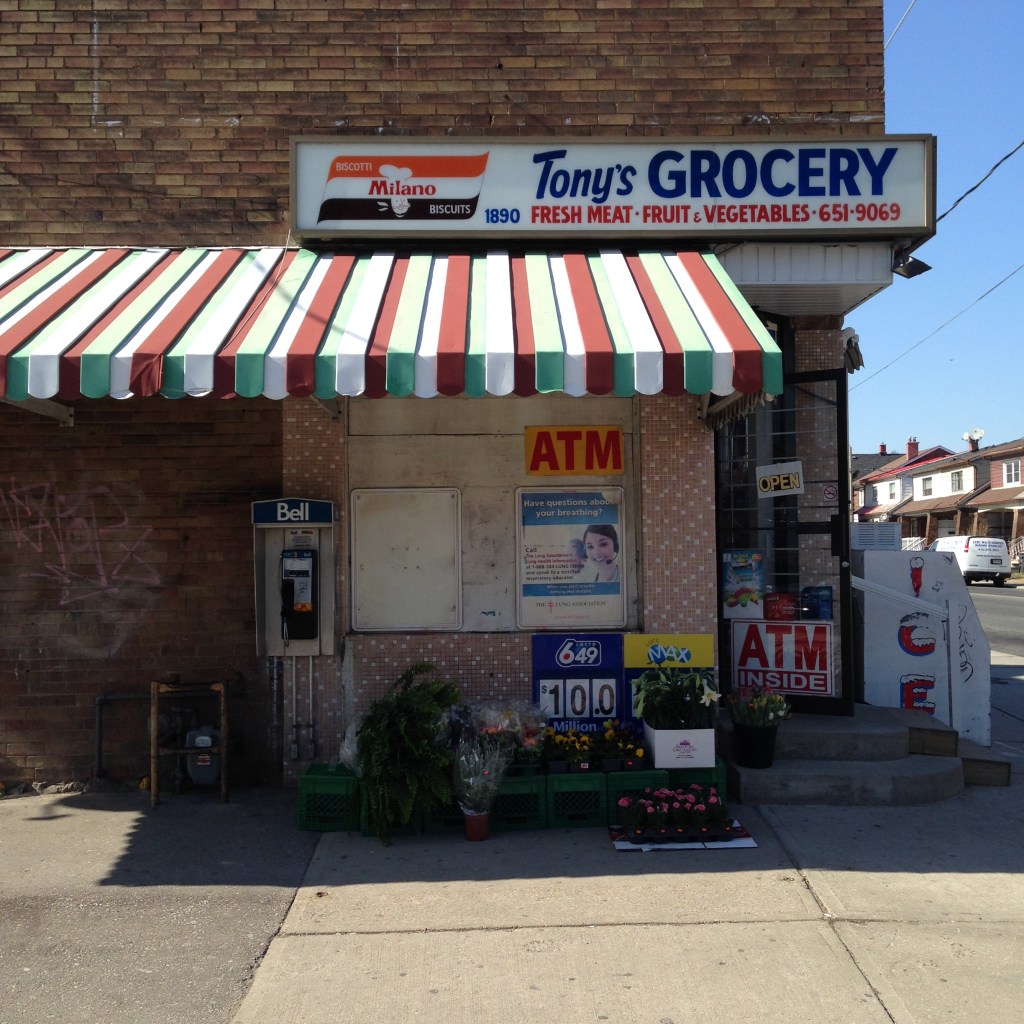
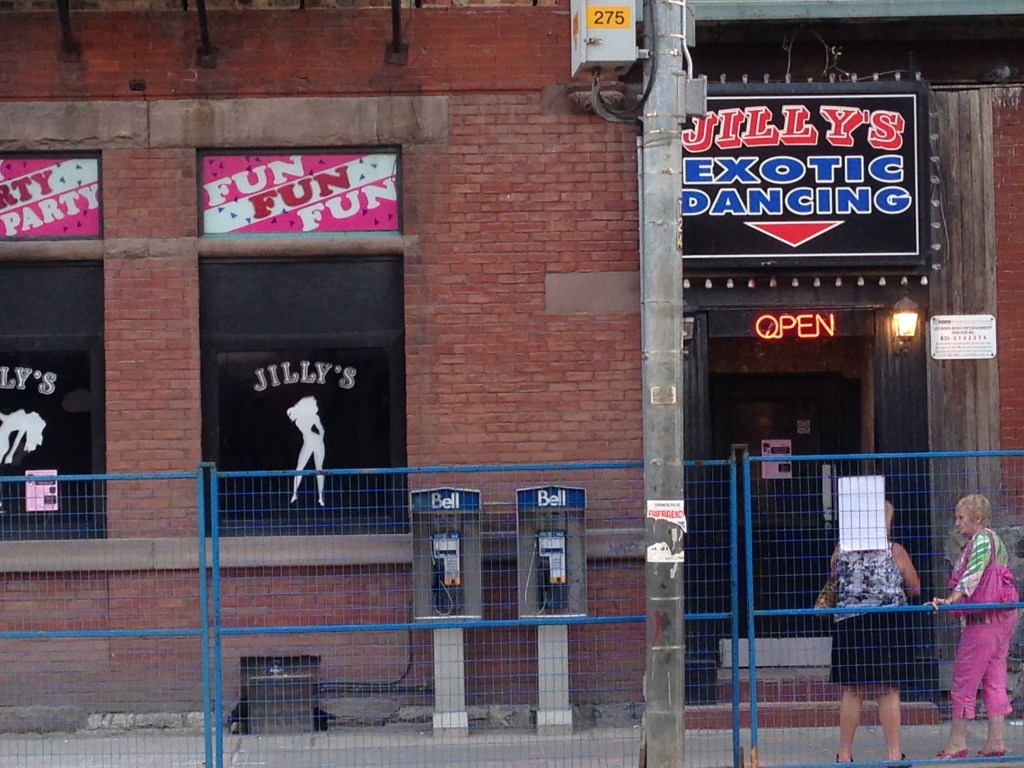
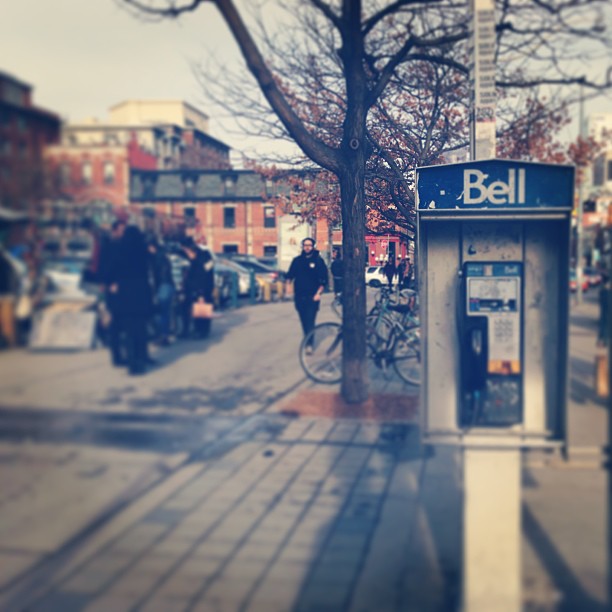
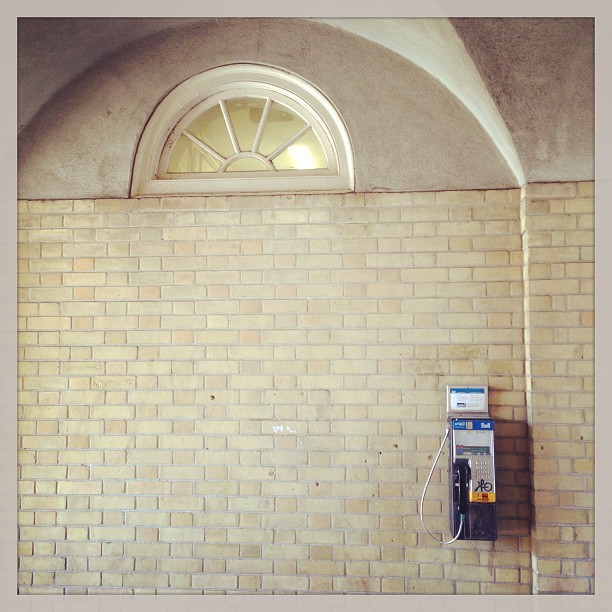
In a world dominated by iPhones, pay phones have quietly slipped into the background of our cities, becoming almost invisible in our urban landscape. Yet, as I’ve traveled through the bustling streets of Ontario and the vibrant neighbourhoods of Quebec, I’ve become fascinated by these overlooked pay phone booths—each one a unique portal to the past, but also the community around them.
Over the years, I’ve dedicated my photography to making the invisible visible, capturing the quirky intersections of architecture, culture, and community that define these iconic structures. My lens explores how these booths adapt to their environments—whether nestled within the eclectic energy of downtown districts, tucked away in serene parks, or standing sentinel along remote highways.
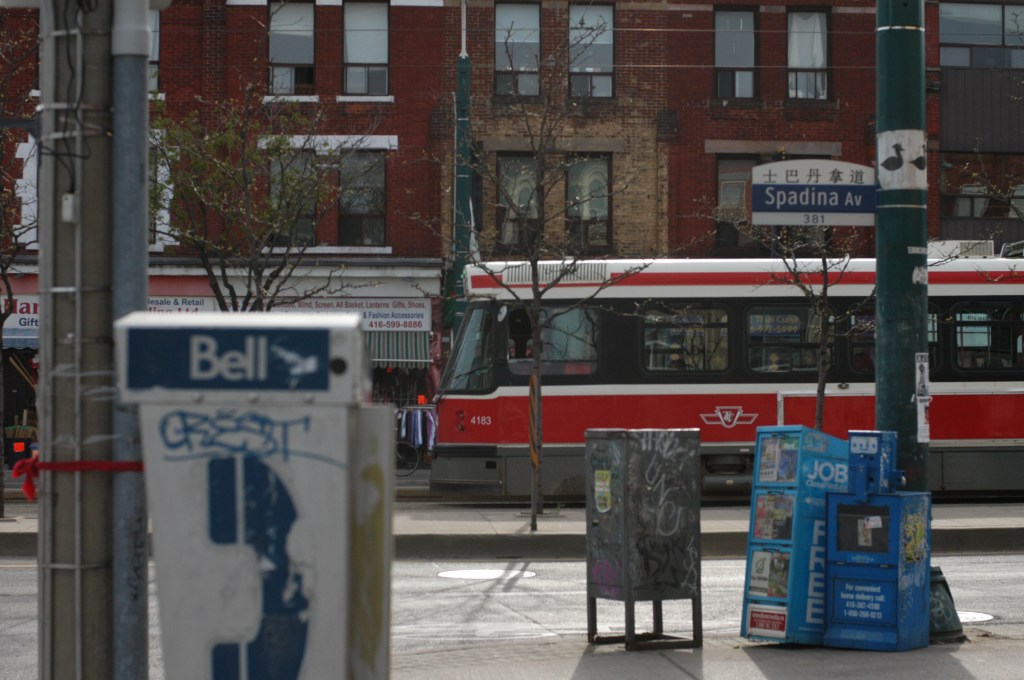
From a solitary booth standing at the edge of a bustling farmer’s market to clusters of phones nestled between towering skyscrapers, each pay phone tells its own story within the rich tapestry of Canadian urban life. As an urban enthusiast, I find joy in discovering their varied placements, revealing how they still serve as critical nodes in the communication networks of our cities. My lens captures the graffiti that adorns their sides, the vibrant settings that surround them, and the myriad ways they connect us to one another—even in this digital age.
This project celebrates the quirky charm of pay phones, shedding light on their roles in both connecting and disconnecting us within the frenetic energy of city life. Join me as I explore these often-forgotten gems, revealing the stories they hold and the moments they continue to foster in our ever-evolving urban landscape.
To share my journey and the stories behind these iconic pay phones, I’ve created an Instagram account dedicated to the #bellpayphoneproject. Here, I showcase the striking images I’ve captured throughout my wanderings, highlighting the vibrant settings and unique characters of each booth.
Alongside the photographs, I share anecdotes and insights about their locations, encouraging a dialogue about our shared experiences with these relics of communication. I invite fellow urban enthusiasts, history buffs, and curious travellers to join the conversation—follow along, share your own memories, and help me celebrate these often-overlooked landmarks that still play a role in our urban landscapes.
Walking the Nakasendō Trail is more than just a scenic hike through Japan’s countryside—it’s a journey through time. This ancient postal route, once traveled by samurai, merchants, and even emperors during the Edo period, carries a deep historical significance that still resonates today. As you follow in the footsteps of these travellers, you can’t help but wonder about the challenges they faced and the stories that unfolded on this very path.
From navigating lush forests and tranquil streams to passing through charming post towns, the trail offers not only a connection to Japan’s storied past but also an immersive experience of its natural beauty. Along the way, you’ll encounter well-preserved villages, hidden shrines, and traditional tea houses, each offering a glimpse into rural Japanese life. This guide will provide personal insights into hiking the Nakasendō, practical tips for the journey, and reflections on the trail’s timeless allure, ensuring that you make the most of this iconic and historical hike.
Route Overview: Magome to Tsumago, and the Waterfalls Beyond
The Nakasendō trail between Magome and Tsumago is one of the best-preserved sections of Japan’s ancient postal route. This scenic 8-kilometer walk is not only a journey through the historical Edo period, but also through Japan’s stunning natural landscapes, offering peaceful forest paths, traditional tea houses, and beautiful waterfalls.
Starting Point: Magome-juku
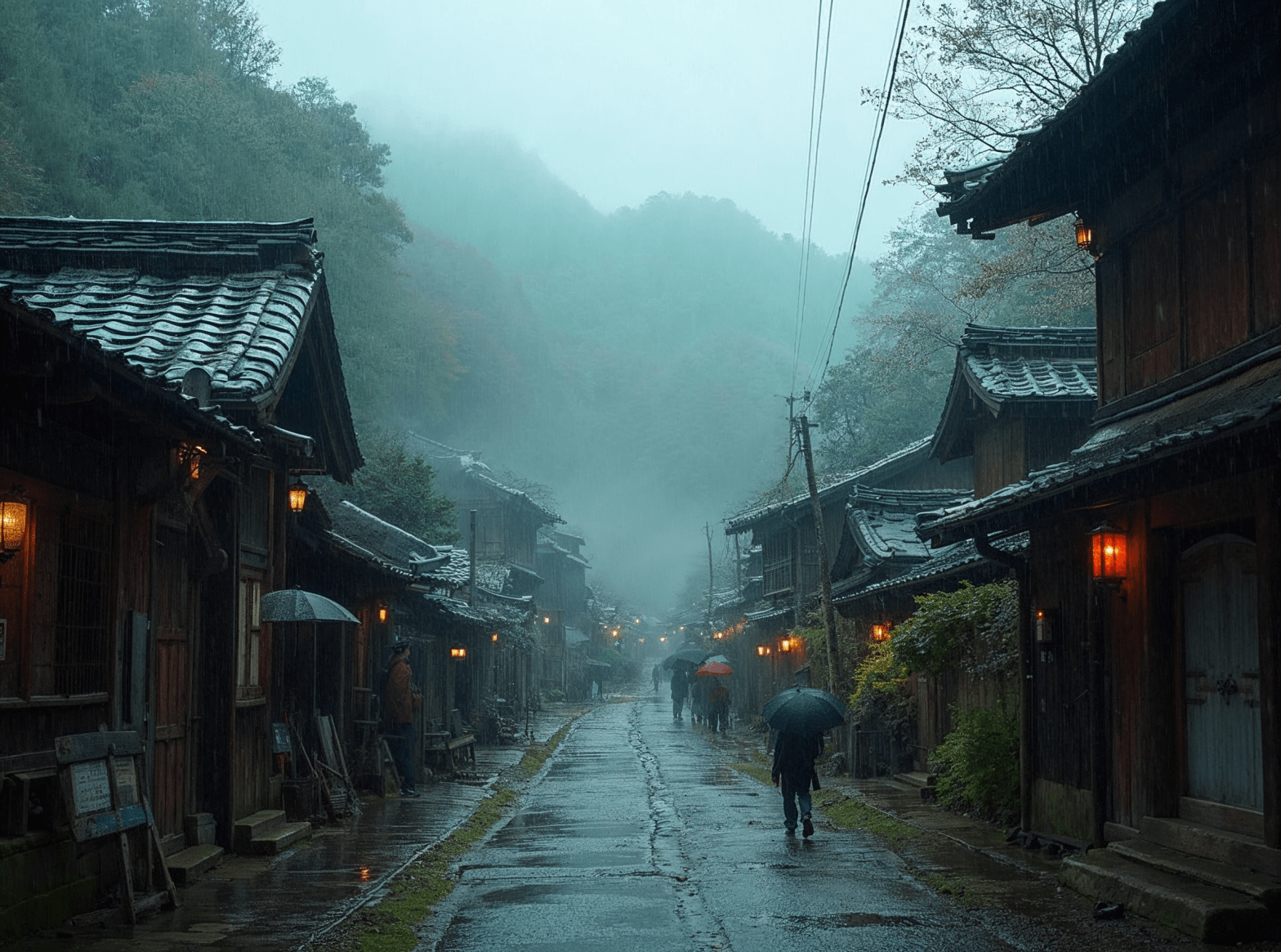
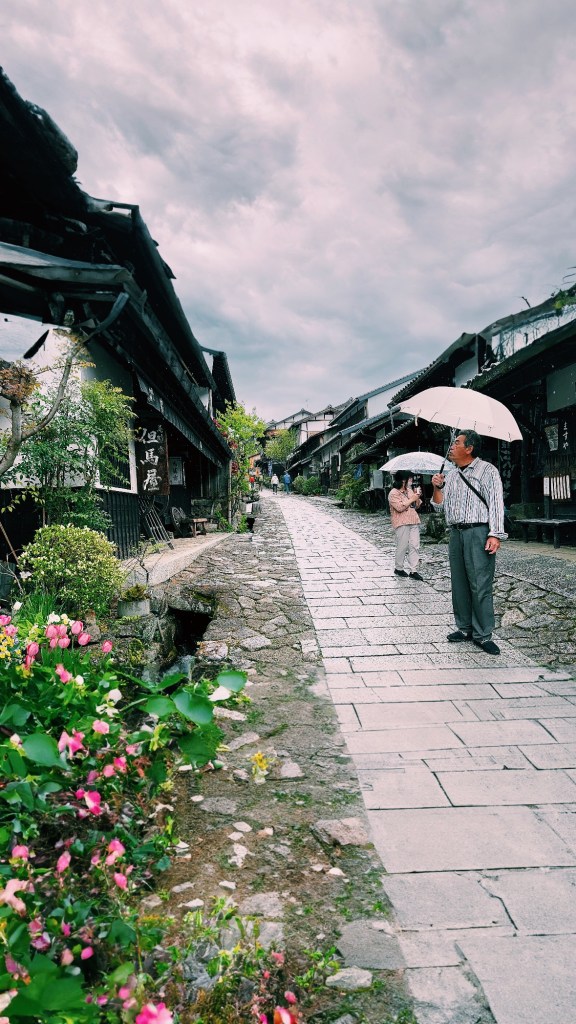
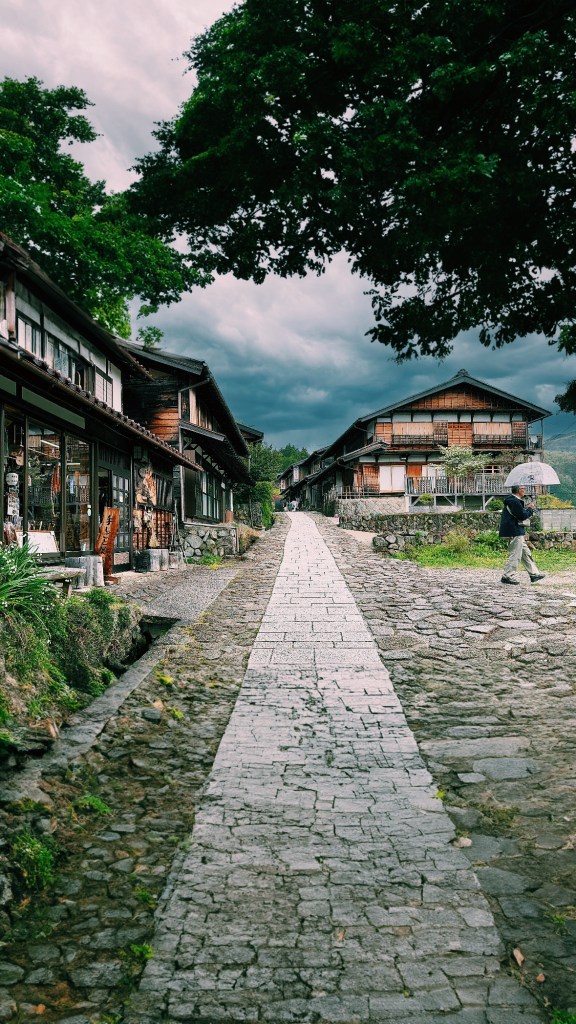
Your hike begins in Magome-juku (馬籠宿), a charming post town perched on the hillside. This town is famous for its cobblestone streets and well-preserved machiya houses. Strolling through Magome feels like stepping back in time, with wooden inns, small local shops, and stunning views of the surrounding valley and distant mountains.
As you leave Magome, you’ll follow the well-marked Nakasendō path, which starts as a paved road that gently slopes upwards. The town itself sits at 600 meters, so the early part of your walk offers sweeping views of the valley below, with terraced fields and traditional homes dotting the landscape.
Into the Forest: A Scenic Trail
Soon, the trail transitions into a forested path. The sounds of everyday life fade as you enter a quiet world of dense greenery, where the sounds of rustling leaves, birds, and distant water accompany your steps. The path here is well-maintained and easy to follow, with stone markers and wooden signposts along the way, ensuring that even first-time hikers can comfortably navigate the route.
You’ll pass through bamboo groves and cross several small streams via wooden bridges, adding to the tranquil atmosphere. The forest canopy provides shade and coolness, making this portion of the hike pleasant even in the warmer months. The trail occasionally opens up, giving you glimpses of nearby mountains and valleys as you make your way along this historical route.
Rest Stop: Traditional Tea House in the Woods
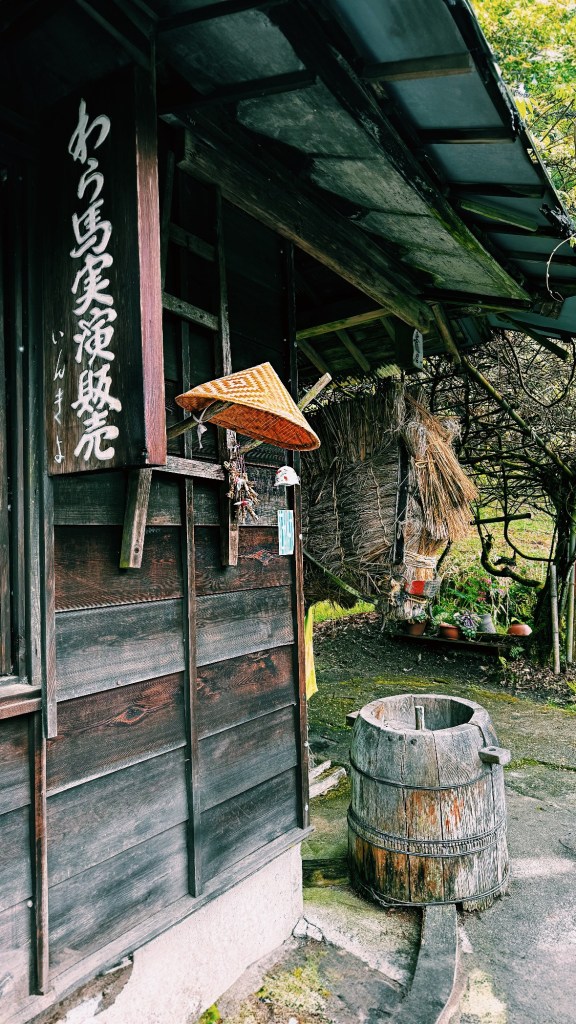
About halfway between Magome and Tsumago, you’ll come across a delightful traditional tea house nestled within the forest. Known as the Tateba Tea House, this small, rustic building offers hikers a chance to rest and enjoy tea or light snacks. The tea house is maintained by locals, and although it’s simple, its charm lies in its authenticity.
There’s no electricity here—just the sound of wind in the trees and the faint trickle of a nearby stream. The tea house operates on a donation basis, offering visitors tea, miso soup, and seasonal snacks. Rest here, breathe in the fresh forest air, and enjoy the serene surroundings before continuing on your journey.
Arrival in Tsumago-juku
After the tea house, the path continues downhill towards Tsumago-juku (妻籠宿), another well-preserved post town. This section of the trail offers more picturesque views of the valley as you descend. Soon, you’ll enter Tsumago, a town famed for its dedication to preserving its Edo-period appearance. Tsumago is quieter than Magome, with a truly authentic atmosphere. The town has a strict policy against visible power lines, modern buildings, and even cars on certain streets, making it feel as if time has stood still.
Strolling through Tsumago, you’ll find narrow, stone-paved streets lined with dark wooden houses, inns, and small shops selling local crafts and traditional sweets. It’s worth taking your time here to explore the town, visit one of the local washi (Japanese paper) shops, or stop by a historic inn such as the Honjin, where feudal lords once stayed.
Beyond Tsumago: The Waterfalls
After exploring Tsumago, continue your hike along the Nakasendō trail. As you leave the town, the path transitions back into nature, leading you towards the serene Otaki and Metaki waterfalls. The trail to the waterfalls is peaceful, with gentle inclines and forested surroundings.
Otaki (Male Waterfall) is the larger of the two, standing at 30 meters. Its powerful cascade creates a soothing roar as it hits the rocks below, sending mist into the air.
Metaki (Female Waterfall), though smaller at around 5 meters, has a graceful beauty, with a softer, more delicate flow.
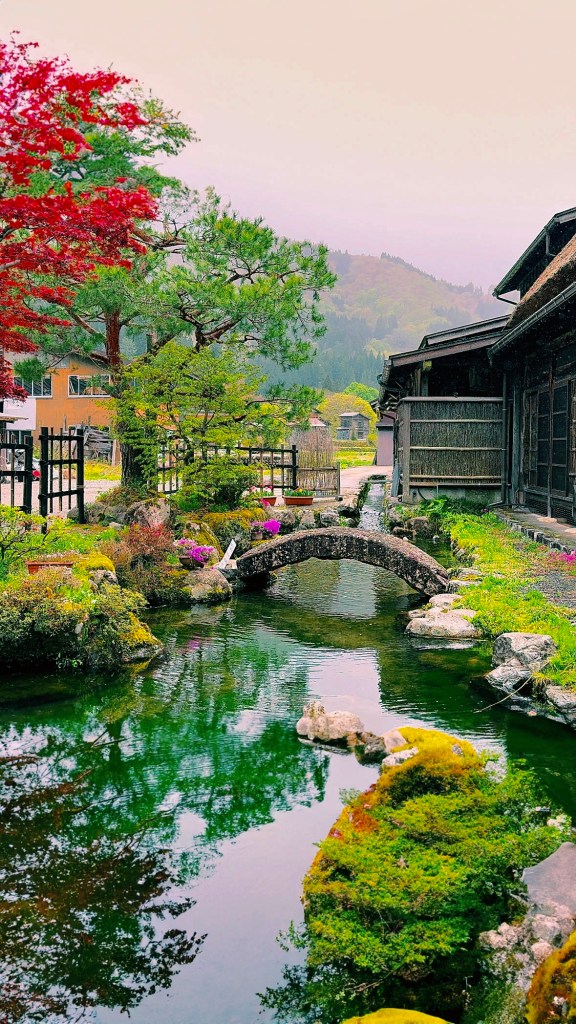
Both waterfalls are surrounded by moss-covered rocks, dense foliage, and the occasional wildflower, making them a perfect place to stop, reflect, and enjoy the natural beauty of the area. Many hikers find this spot to be a quiet, spiritual retreat before heading back on the trail or continuing their journey.
Route Tips:
Distance: Approximately 8 kilometers from Magome to Tsumago, with an additional 1-2 kilometers to the waterfalls.
Time: The hike from Magome to Tsumago takes about 2.5-3 hours, depending on pace and time spent exploring the villages. Adding the waterfall stop will extend your hike by another 30-45 minutes.
Best Time to Visit: Spring and autumn are ideal, with cherry blossoms or autumn leaves adding extra beauty to the hike. Summer is also pleasant due to the forested shade, and winter brings a unique charm, though the trail can be icy in places.
Logistics: Both Magome and Tsumago have small inns for an overnight stay, as well as bus services connecting them if you prefer not to walk back.
Conclusion
This section of the Nakasendō offers an enchanting blend of history, nature, and traditional Japanese culture. From the Edo-period charm of Magome and Tsumago to the quiet solitude of the tea house and the majestic beauty of the waterfalls, this hike is a journey that allows you to experience Japan’s past while enjoying the serene beauty of its rural landscapes. Whether you’re hiking for the history or the views, the Nakasendō will leave you with lasting memories of Japan’s timeless trail.
Transforming Modern Passports with Design & Digital Innovation
We in an era where travel has become more accessible than ever before, thanks to increasingly open borders and low cost airlines, the world is witnessing an unprecedented boom in global exploration. Today’s travellers, armed with iPhones and social media platforms like Instagram and TikTok, are not just seeking new experiences but also sharing them instantly with a global audience. This trend, often dubbed the “Instagramification” of travel, has turned the act of exploring new places into a visually driven, shareable adventure. However, amidst this vibrant and visually rich landscape, one essential travel item remains stubbornly utilitarian and uninspired: the passport.
Historically, passports were not only functional documents but also visually appealing artifacts, adorned with beautiful stamps and VISA’s that told the story of one’s journeys, as well as the Country, Empire, Nation State, or Territory one was visiting. As technology has advanced, passports have become more secure and efficient, but at the cost of the artistic and cultural expressions that once made them unique. QR codes, themeless stamps, and even express lanes rob the traveller of the token of entering a new world. Today, as we rethink many aspects of travel in the digital age, there is a compelling case to be made for reimagining passports as well.
The fascination with passport stamps extends far beyond their practical use, evolving into a niche but passionate collector’s market. Enthusiasts like those featured on the popular Facebook page “Vintage Passport Collector” are captivated by the rich stories embedded in each stamp. These collectors often seek out old passports, each stamp revealing a fragment of the owner’s journey across borders and through history. The intrigue lies in the unique narratives these stamps represent—tracing a person’s travels, political shifts, and even personal milestones. Similarly, Instagrammers and collectors alike are drawn to the artistry and historical value of these documents, celebrating their visual appeal and the personal histories they unveil. This growing interest highlights a deeper appreciation for the cultural and historical significance of passports, offering a compelling argument for reimagining them as more than just identification tools in the digital age.
The fascination with passport stamps transcends mere documentation, weaving a tapestry of personal history and global connection. For many travelers, the moment their passport is stamped upon entering a new country is imbued with a sense of excitement and accomplishment. It’s often the first thing they eagerly inspect, their eyes scanning the intricate designs and fresh ink with a thrill that reflects the anticipation of a new adventure. Each stamp represents a tangible mark of their journey, a souvenir of their passage through borders and cultures.
This immediate, almost poetic reaction highlights the emotional significance attached to these stamps. They are more than bureaucratic necessities; they symbolize milestones and memories, capturing the essence of each destination in a single, often elaborate impression. The allure of collecting these stamps, or even entire passports, lies in their ability to tell a story—the story of places visited, experiences gained, and the personal growth that accompanies travel. This rich, emotional connection underscores the need for reimagining passports in the digital age, incorporating elements that preserve and enhance the artistry and significance that make each stamp a cherished part of the travel experience.
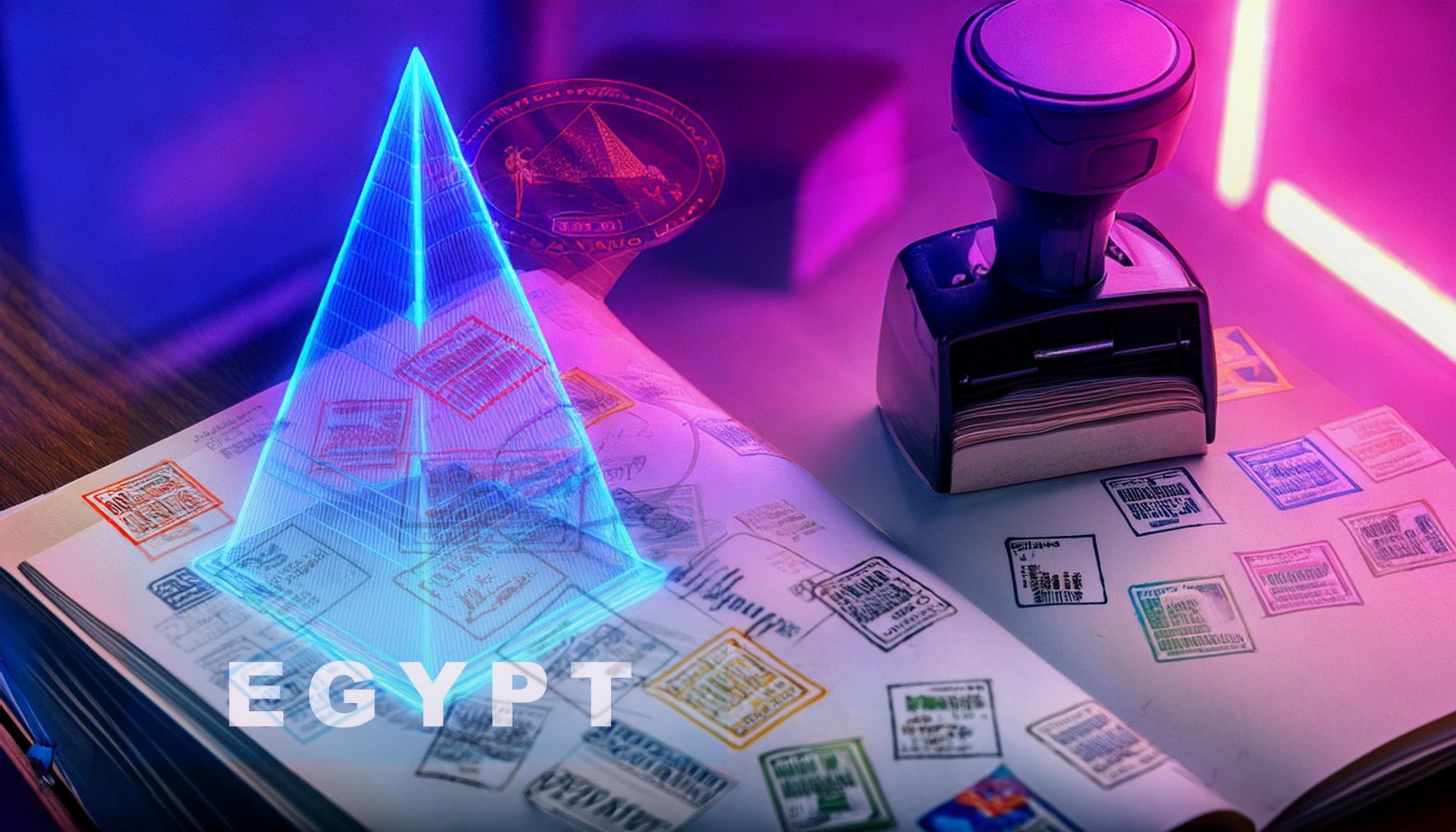
By integrating augmented reality, digital art, and blockchain technology, countries can transform passports from mere identification tools into personalized, collectible pieces of art that reflect the cultural richness of our global travels. Such innovations could bring back the charm and excitement of traditional travel documentation, making the passport a true reflection of the modern travel experience.
Exploring the intersection of tradition and modernity through augmented reality and digital art in the realm of travel documentation is an exciting frontier. Here’s a deeper dive into how these ideas can be practically implemented and the potential impact they could have:
Augmented Reality (AR) and Digital Art
Augmented Reality (AR) Implementation
Virtual Stamps: Travelers can use their smartphones or AR glasses to view their digital passports. Upon crossing a border, a virtual stamp, rich in cultural and historical design, appears on their device. These stamps can animate, providing additional information or showcasing traditional art and symbols.
Interactive Experiences: Each virtual stamp could come with interactive elements. For example, tapping on the stamp might provide a brief history of the country, notable landmarks, or cultural insights. This not only makes the experience visually appealing but also educational.
Mobile Apps: A dedicated travel app could be developed to host these AR experiences. The app could store all virtual stamps, creating a digital collection that travelers can share and showcase.
Digital Art Integration
Artistic Passport Pages: Digital passports can feature artistic backgrounds or themes that change with each new stamp, enhancing the visual appeal. These designs could reflect the essence of the traveler’s destinations.
Customization: Travelers could choose from a variety of artistic styles and themes for their digital passports, personalizing their travel documents. This could range from minimalist designs to intricate artworks inspired by different cultures.
Collectible Digital Assets
NFTs and Blockchain
Unique Digital Stamps: Non-Fungible Tokens (NFTs) can represent each stamp, making them unique and collectible. Each time a traveler crosses a border, they receive a digital stamp that is minted as an NFT. This stamp is not only a record of their journey but also a collectible piece of art.
Traceability and Security: Blockchain technology ensures that each digital stamp is verifiable and tamper-proof. This enhances security and authenticity, preventing fraud and making each stamp a valuable digital asset.
Personalized Digital Passports
Dynamic Content: Digital passports can feature dynamic content that updates with each new destination. For example, the background design might change to reflect the new country, incorporating elements of its culture and heritage.
Travel Journals: Travelers can add notes, photos, and videos to their digital passports, creating a multimedia travel journal that complements the digital stamps. This personalized content makes the digital passport a rich repository of travel memories.
Incorporating these elements into travel documentation bridges the gap between the functional and the beautiful, creating a future where passports are not just tools for identification but also canvases for art and culture. If you have any specific ideas or need help with implementation strategies, feel free to ask!
Apple has revolutionized the way we interact with digital travel documents, making processes like boarding passes and entry permissions more streamlined and accessible. With features like Apple Wallet, users can easily store and access digital tickets, boarding passes, and even some travel credentials right on their smartphones. This convenience has significantly simplified travel logistics, allowing for quick and efficient management of essential documents.
However, this shift to digitalization also means that we lose out on the tactile and visual appeal of traditional paper tickets and passport stamps. The unique aesthetic and cultural value of physical stamps are diminished when reduced to mere digital entries. To bridge this gap, a dedicated mobile app could be developed to enhance the digital travel experience by integrating augmented reality (AR) and rich, interactive design elements.
Imagine a travel app that not only stores digital passports and tickets but also offers a vibrant, customizable space where travelers can collect and showcase virtual stamps. This app could allow users to view and interact with AR-enhanced stamps that replicate the intricate designs and cultural significance of traditional stamps. Each time a traveler crosses a border or visits a new location, the app could generate a unique, artistic virtual stamp that reflects the destination’s heritage.
Such an app would offer a platform for travelers to build a digital collection of their journeys, share their virtual passport with others, and even explore stamps from different cultures. This digital collection could become a dynamic, visual log of their travels, preserving the charm and storytelling of physical stamps while leveraging the convenience and innovation of digital technology. By merging the ease of digital documentation with the artistic and cultural richness of traditional stamps, this app could create a new way to experience and cherish the journey, bridging the past and future of travel documentation.
Reviving the Art
Cultural Preservation: Digital stamps can preserve and celebrate the art and culture of different nations. By incorporating traditional designs and motifs, these stamps serve as a digital canvas for cultural expression.
Accessibility: Digital platforms make it easier to share and appreciate these artistic stamps globally. Travelers can share their digital passports online, allowing others to experience the beauty of each stamp and learn about different cultures.
The tradition of passport stamp collecting has found a fascinating niche in the context of World Expos, where themed passport stamps serve as both souvenirs and symbols of cultural exchange. One standout example of this practice is the Expo passports, which have been used at several major international exhibitions.
At the 1967 Montreal World Exhibition, known as Expo 67, visitors were given special Expo passports. These passports featured stamps from various participating countries and pavilions, each one capturing the essence of the exhibition’s theme and the diverse cultures represented. The stamps were not only a fun collectible but also a means of engaging with the global nature of the event.
This tradition continued with the 2010 Shanghai Expo, where a similar Expo passport concept was introduced. The Shanghai Expo passport allowed visitors to collect stamps from the multitude of national and thematic pavilions, reflecting the event’s focus on urban sustainability and innovation. The design of these stamps showcased elements of each pavilion’s unique offerings, further enriching the experience for attendees.
Most recently, at Dubai’s 2020 World Expo, the tradition was revived once more. The Expo passport at this event featured stamps that celebrated Dubai’s theme of “Connecting Minds, Creating the Future,” capturing the spirit of innovation and collaboration that defined the exhibition. Visitors eagerly collected these stamps, each one symbolizing a different aspect of the Expo’s diverse and dynamic offerings.
These Expo passports illustrate how the practice of collecting stamps can transform a travel experience into a memorable and interactive journey. They offer a tangible link to the cultural, technological, and thematic highlights of the exhibitions, providing visitors with a unique way to document and celebrate their global exploration. This tradition underscores the potential for modernizing and expanding the concept of passport stamps in today’s digital age, preserving the charm and significance of these collectible artifacts while embracing new technologies and formats.
Hidden Gems: Preserving the Beauty of China’s Lesser-Known Water Villages
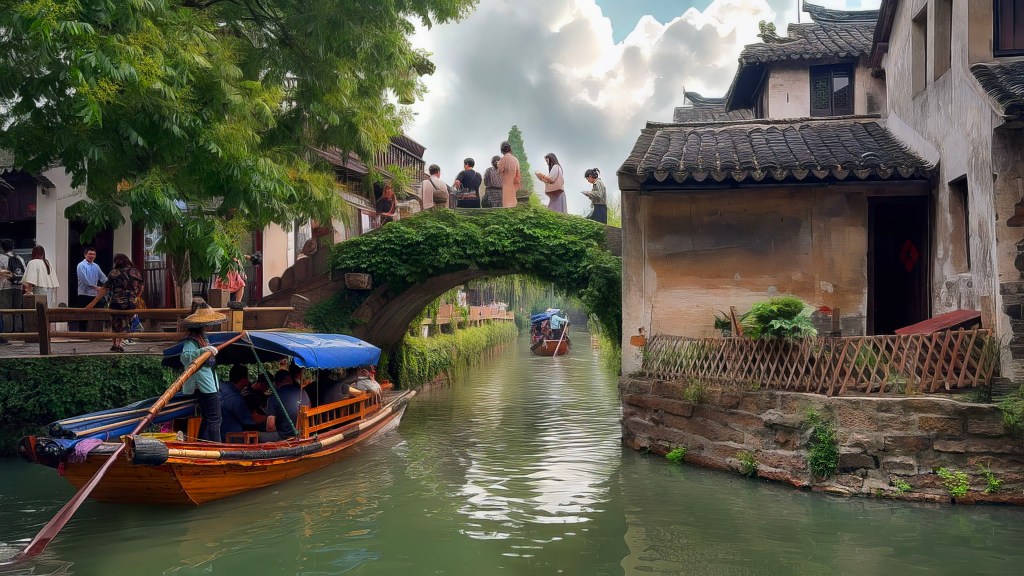
China’s water towns, nestled primarily in the Jiangnan region south of the Yangtze River, have an illustrious history that dates back over a thousand years. These towns, such as Zhouzhuang, Wuzhen, and Tongli, emerged during the Spring and Autumn Period (770-476 BC) and flourished throughout the Ming (1368-1644) and Qing (1644-1912) dynasties, serving as bustling hubs of trade, culture, and daily life. Their intricate networks of canals and waterways, crisscrossed by stone bridges and lined with white-washed buildings, draw comparisons to other great canal cities like Amsterdam and Venice.
These European counterparts also thrived on their strategic water routes, facilitating commerce and cultural exchange. Similarly, China’s water towns became centres of economic and social activity, their canals serving as vital arteries that connected these towns to the broader world, fostering a unique blend of local tradition and outside influence that endures to this day.
Despite their historical significance, China’s water towns experienced a slow decline with the advent of modern transportation and urbanization in the 20th century. The waterways that once bustled with activity became quieter as commerce moved to more accessible cities. However, a remarkable digital renaissance is breathing new life into these ancient towns.
Social media platforms like WeChat, Weibo, and Douyin (TikTok) have played pivotal roles in reviving interest in these picturesque locales. Influencers and travel bloggers share captivating images and stories, highlighting the serene beauty and rich cultural heritage of the water towns. This digital exposure has sparked a surge in domestic tourism, drawing visitors eager to experience the tranquil canals, historic architecture, and traditional crafts firsthand. The renewed attention has not only boosted local economies but also encouraged preservation efforts, ensuring that these towns remain vibrant, living museums of China’s past for future generations to explore and appreciate.
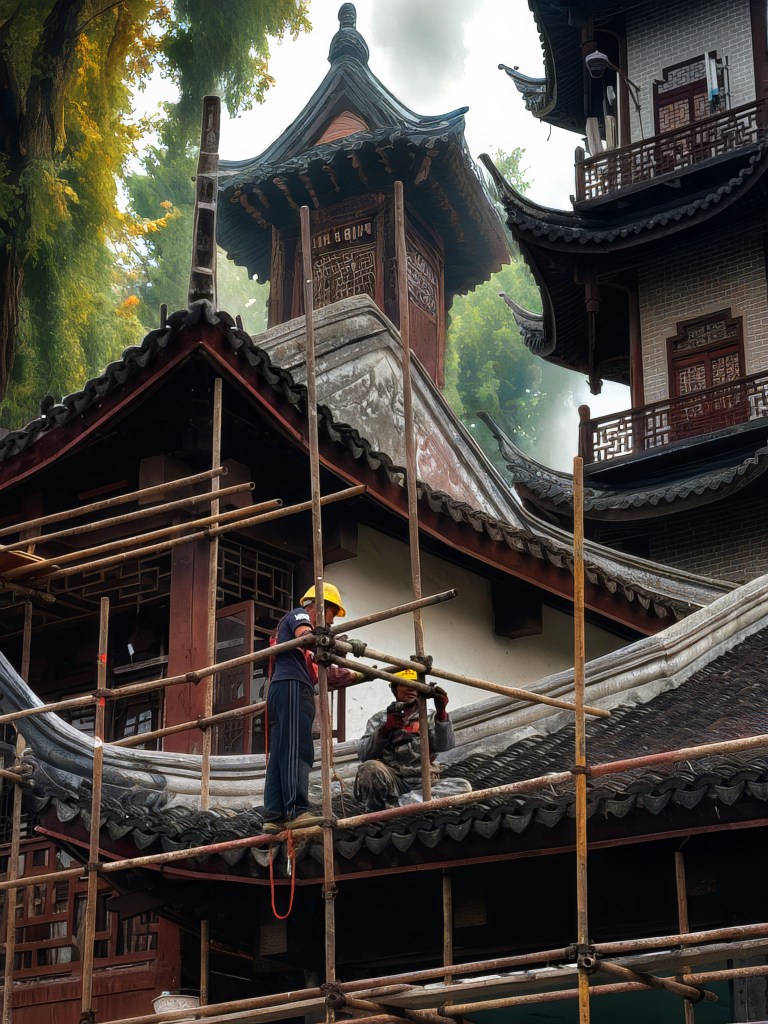
In recent years, the architectural revival of China’s water towns has prominently featured the concept of adaptive reuse. This approach involves repurposing existing historic structures for modern uses while retaining their cultural and architectural integrity. As these ancient villages face the challenges of urbanization and modernization, adaptive reuse offers a sustainable solution that bridges the past and present.
Many water towns have embraced adaptive reuse to transform traditional buildings into contemporary spaces that serve current needs. Historic homes and warehouses are often converted into boutique hotels, cozy Airbnbs, and charming restaurants, providing modern amenities while preserving their classic aesthetics. For example, centuries-old residences with their distinctive white-washed walls and black-tiled roofs are refurbished to meet contemporary standards of comfort and functionality, yet their original architectural elements remain intact.
Moreover, these traditional buildings are finding new life as vibrant Chinese costume shops and makeup studios, offering visitors a unique opportunity to experience local culture through traditional attire and crafts. This creative reuse not only revitalizes the buildings but also injects new energy into the towns, making them hubs of cultural and commercial activity. The careful integration of modern design elements, such as glass windows and energy-efficient systems, with traditional architecture ensures that these towns remain functional and relevant in today’s world. This balance between preservation and modernization allows the water towns to thrive as living heritage sites, attracting visitors and supporting local economies while safeguarding their rich historical legacy for future generations.
As we traverse the winding canals and historic alleys of China’s water towns, it becomes clear that these ancient villages are not just relics of the past but vibrant, evolving entities. The delicate balance of preserving historical charm while embracing modern adaptability ensures that these towns continue to enchant visitors and support local economies. Through adaptive reuse and the digital renaissance, China’s water towns have not only survived the test of time but have also reinvigorated their cultural and architectural legacies for a new generation of explorers and dreamers.
Looking ahead, the future of China’s water towns seems both promising and dynamic. As these villages continue to evolve through adaptive reuse and digital engagement, they stand as testaments to the enduring value of blending heritage with innovation. By preserving their unique architectural and cultural essence while adapting to contemporary needs, these towns will remain vital cultural landmarks, offering timeless beauty and enriching experiences for generations to come.
Beneath the Umbrellas: Exploring Coastal Cuisine in Zona Romantica
As I step into the colourful streets of Puerto Vallarta, Mexico, I’m immediately drawn into a world of vibrant sights and sounds. One cannot express how powerful the colours feel coming from a city like Toronto, or New York, Tokyo, or even London by that matter. But my journey here isn’t just about sightseeing as so many tourists desire – it’s about understanding the city on another level — those are the real hidden gems.
As an architect, artist, and urban enthusiast, my exploration transcends mere sightseeing; it becomes a journey of decoding the city’s essence through multiple lenses. Drawing from traditional urban planning principles and architectural studio methods, I peel back the layers of Puerto Vallarta’s urban fabric, uncovering the intricate interplay between residential neighbourhoods and bustling commercial districts. Yet, my approach extends beyond the cold sterile drafting table, embracing the observational techniques akin to street photographers, from doodling in my notebook, or sketching out scenes on my iPad capturing the fleeting moments that define the city’s character.
In the spirit of Jane Jacobs, I immerse myself in the rhythm of Puerto Vallarta, embracing its diversity, spontaneity, and human-centric design. I invite you to join me on this exploration, where every alleyway, storefront, and cobblestone street reveals a glimpse of the city’s soul.
Strolling along the sandy shores of Zona Romantica in Puerto Vallarta, I am captivated by the enchanting scene unfolding before me. Here, nestled along the edge of the sparkling ocean, a row of charming restaurants beckons with their inviting ambiance and picturesque setting.
Each restaurant boasts tables set right on the sandy beach, adorned with crisp white tablecloths and colourful glasses that catch the sunlight, casting a kaleidoscope of hues across the pristine scenery. Straw umbrellas provide a welcome respite from the sun, their gentle sway in the breeze adding to the laid-back atmosphere of the waterfront.
As I take a seat at one of the tables, I am enveloped in the tranquil beauty of my surroundings. The sound of waves lapping against the shore provides a soothing soundtrack, while the salty sea air invigorates the senses. From my vantage point, I am treated to uninterrupted views of the endless horizon, where the sky meets the sea in a mesmerizing display of natural beauty.
As the sun dips low over the horizon, casting a warm glow across the cobblestone streets of Puerto Vallarta’s Zona Romantica, I find myself drawn to the bustling energy of the beachfront boardwalk. Here, in the heart of Centro, the vibrant tapestry of life unfolds before me, with food carts and taco stands vying for attention amidst the sea of tourists and locals alike.
Walking along the boardwalk, the air is filled with the tantalizing aroma of sizzling meats and spices, mingling with the salty breeze drifting in from the ocean. The sounds of laughter and music echo off the colourful facades of the nearby buildings, creating a symphony of sensory delight.
But as I venture further, away from the tourist hotspots, I find myself drawn up the hillside into the residential streets, where the rhythm of life slows to a tranquil pace. Here, among the colourful painted houses and lush greenery, I escape the hustle and bustle of the hotels and restaurants, immersing myself in the authentic charm of Puerto Vallarta.
Each street tells its own story, with signs and street decor reflecting the unique personality of its inhabitants. Vibrant murals adorn the walls, depicting scenes of local life and culture, while potted plants and blooming flowers add a splash of colour to the narrow cobblestone lanes.
As I meander through the maze of streets, I encounter a diverse cast of characters – from elderly locals enjoying a leisurely game of dominos on their doorstep to children playing soccer in the makeshift alleyway fields. The sense of community here is palpable, with neighbours exchanging friendly greetings as they go about their daily routines.
In this hidden oasis away from the tourist crowds, I find myself enchanted by the simple beauty of everyday life in Puerto Vallarta. It’s a reminder that sometimes, the true essence of a city lies not in its landmarks or attractions, but in the quiet moments and hidden gems waiting to be discovered off the beaten path.
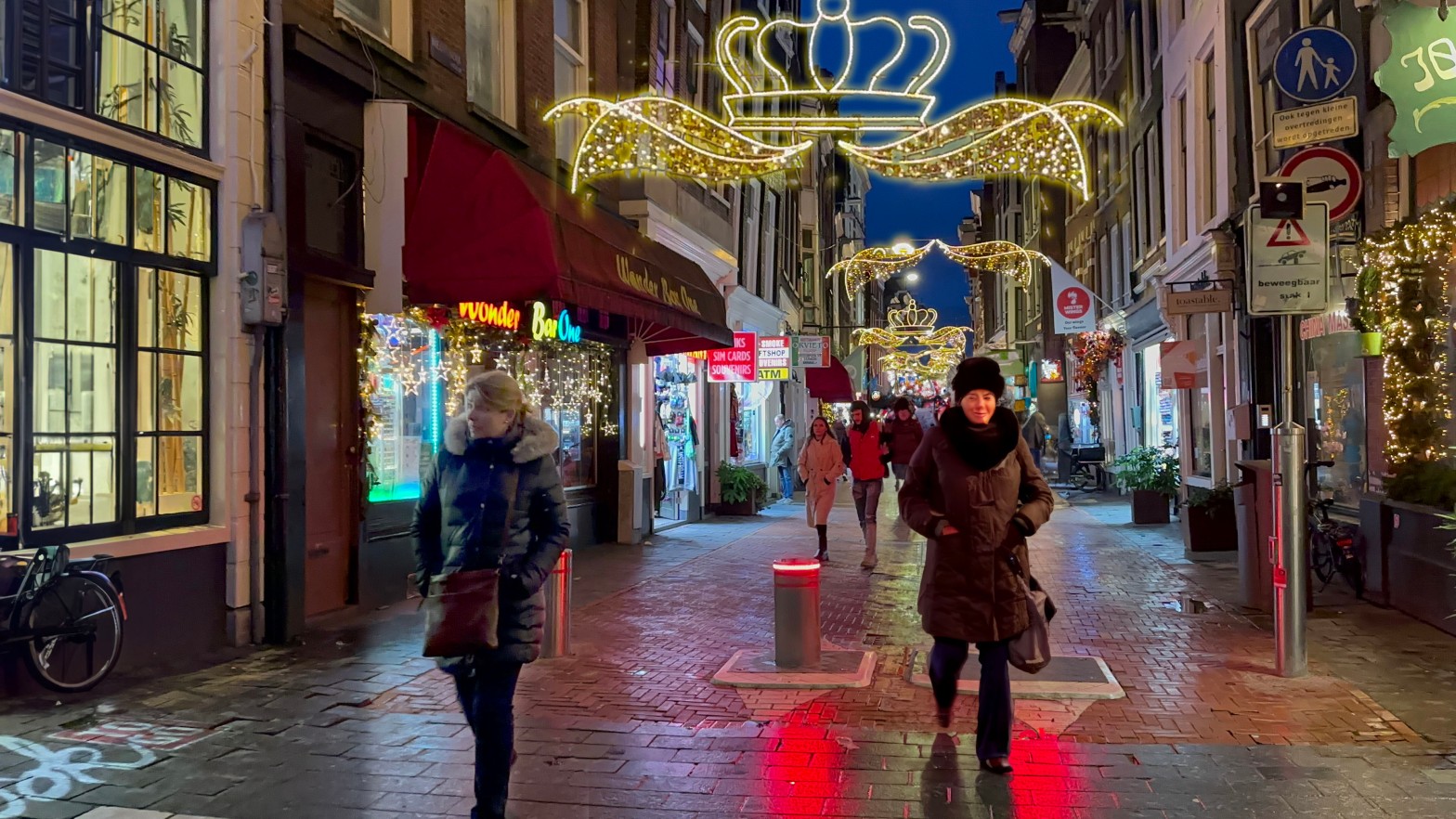
In the winter embrace of Amsterdam, where the city’s structures seamlessly merge with the season, a distinct charm emerges. As an architecture and urban enthusiast, my admiration for Amsterdam during the holidays intensifies. The practical brilliance of festive lighting, the functional warmth provided by patio heat lamps, and the architectural aesthetics resembling gingerbread houses collectively redefine the winter experience.
Join me in exploring how Amsterdam’s urban design transforms the cold into a welcoming canvas, inviting us to appreciate the city’s thoughtful fusion of functionality and festive spirit.
Welcome, fellow explorers, to a captivating winter journey through the heart of Amsterdam. As an architect and urban enthusiast, join me as we unravel the city’s architectural brilliance and festive charm. Our 4K walking tour will take us through iconic streets and hidden gems, showcasing how Amsterdam seamlessly blends functionality with the spirit of the season.
Our adventure commences on De Haarlemmerdijk, where the winter air is infused with the charm of this historic street. Cobbled paths and historic buildings set the tone for our exploration, creating a delightful juxtaposition of past and present.
Moving on to the Art Nouveau Houses, we find ourselves surrounded by the grace of early 20th-century architecture. The intricate details and unique designs paint a picture of sophistication against the winter backdrop, offering a glimpse into Amsterdam’s rich architectural history.
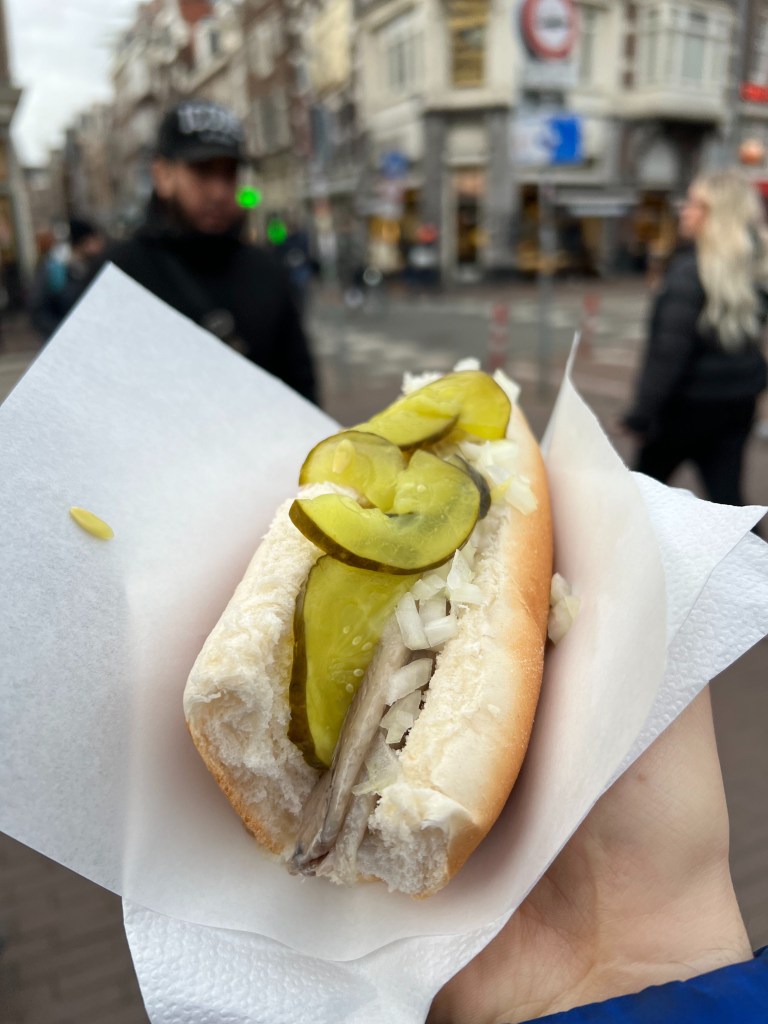
A brief detour brings us to Stubbe Haring, a local gem tucked away in the city’s fabric. Here, we can pause to savour traditional Dutch herring, surrounded by a lively atmosphere that adds a touch of authenticity to our architectural journey.
As we continue down Nieuwendijk Street, the bustling energy of Amsterdam’s shopping district envelops us. Festive lights adorn the storefronts, transforming this thoroughfare into a winter wonderland where architectural beauty and commercial vitality coexist.
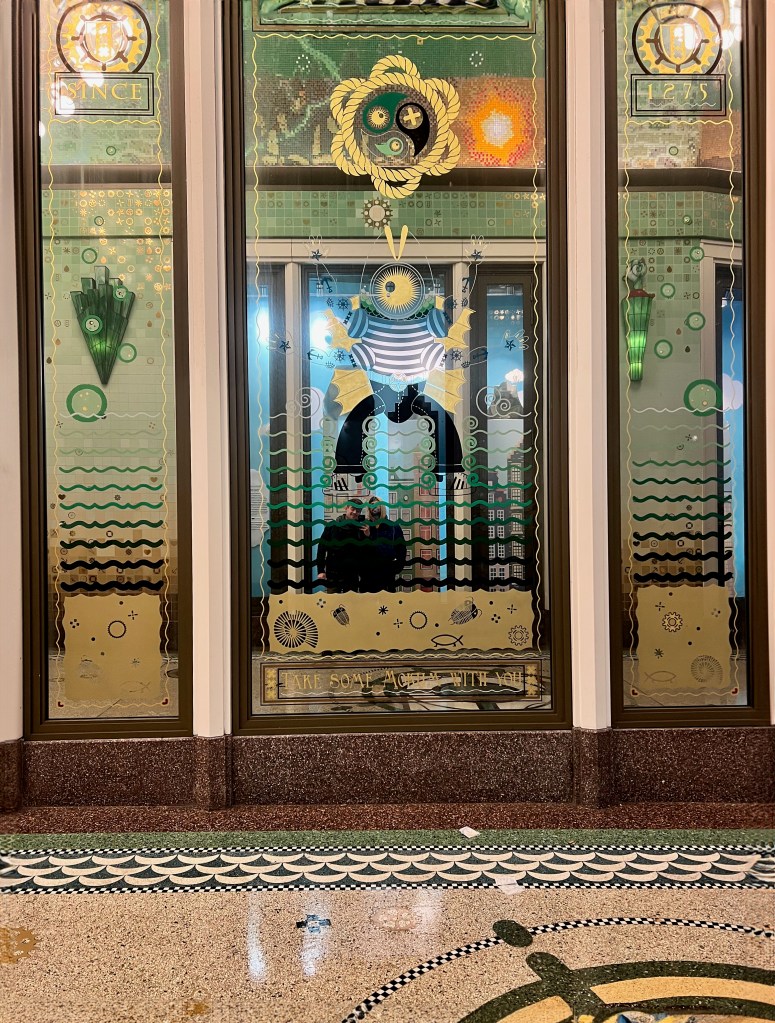
Nestled between the bustling shopping hubs of Damrak and Nieuwendijk, this 165-foot-long corridor is a visual feast for Instagram enthusiasts. It’s a spectacle of vibrant mosaic tiles, opulent gilded chandeliers, intricate stained glass, and captivating patterned mirrors. In 2016, a trio of Dutch artists breathed new life into this otherwise mundane 19th-century arcade. They transformed the colossal barrel-vaulted ceiling into an underwater marvel inspired by Amsterdam’s iconic canals, featuring fish, anchors, and, of course, a quintessentially Dutch bicycle. The whimsical touches continue with clog-shaped wall sconces and a fountain housed within the mouth of a large fish, making this passageway an immersive and delightful experience.
Our path leads us to the expansive Royal Plaza Square, a central hub adorned with festive decorations. Here, the city’s urban planning unfolds before us, creating a harmonious blend of open space and architectural grandeur, inviting both locals and visitors to bask in the winter spirit.
Strolling along Oude Hoogstraat, immerse yourself in the lively atmosphere of this vibrant street. The unique shops and cafes tucked away in historical buildings add a touch of authenticity to our winter exploration, showcasing Amsterdam’s commitment to preserving its architectural heritage.
Arriving at Nieuwmarkt Square, take a moment to appreciate the convergence of history and contemporary life. The architecture surrounding the square reflects Amsterdam’s ability to seamlessly integrate the old and the new, providing a picturesque setting for both locals and tourists alike.
Winding through the enchanting Damstraatjes, our journey takes us deeper into the heart of Amsterdam’s winter charm. Here, the narrow streets echo with the echoes of history, and each turn reveals another architectural gem, inviting us to discover the city’s secrets.
Our next stop, Beurspoortje, introduces us to a hidden passage that encapsulates the essence of Amsterdam’s urban design. As we traverse this quaint alleyway, notice how the architecture seamlessly connects different parts of the city, creating a labyrinth of discovery.
Emerging onto Rokin, we find ourselves amidst a vibrant boulevard lined with shops and cafes. The architecture along Rokin serves as a testament to Amsterdam’s commitment to a harmonious coexistence of modernity and tradition, making it a perfect stop for both architectural appreciation and leisurely exploration.
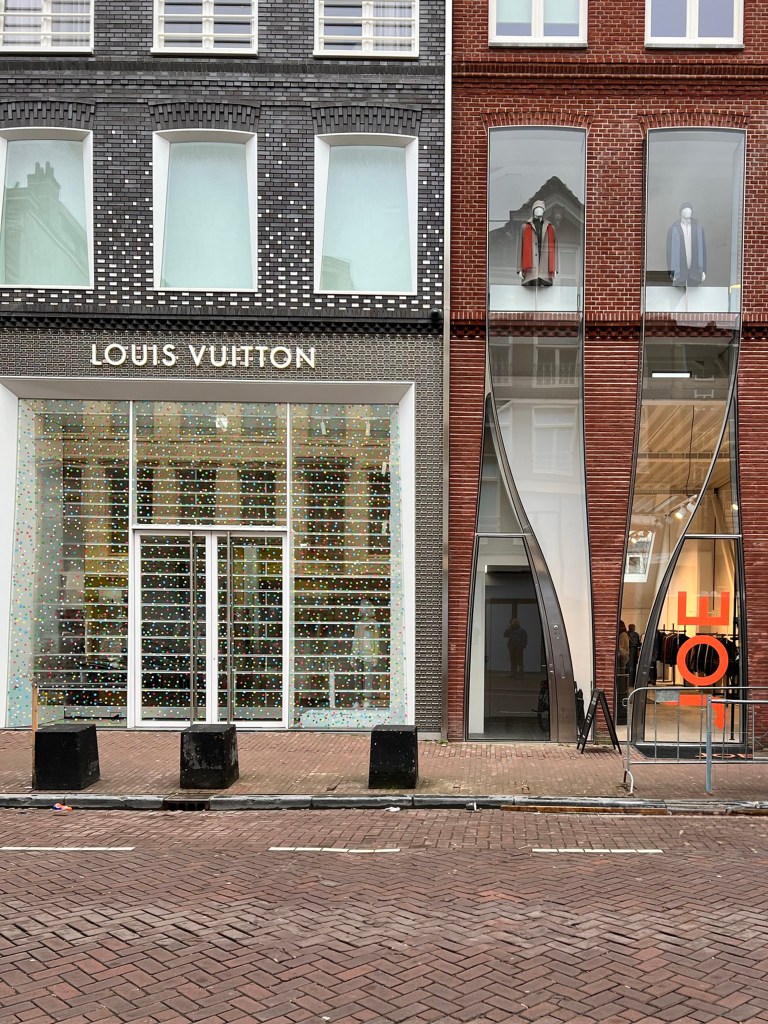
Navigating through Kalverstraat, Amsterdam’s main shopping street, witness the city’s architectural diversity on full display. The juxtaposition of historical buildings with contemporary storefronts creates a dynamic streetscape that reflects the ever-evolving nature of Amsterdam.
Indulge your senses at a local stroopwafel stand, where the scent of freshly made caramel waffle treats fills the air. The charming surroundings and the delightful aroma make this pause a sensory delight, offering a sweet interlude in our architectural journey.
Moving on to Koningsplein, a bustling square surrounded by cafes and historical structures, take a moment to appreciate the fusion of public space and architectural charm. The square becomes a meeting point where locals gather to enjoy the winter ambiance.
Venturing into Korte Leidsedwarsstraat, discover a lively street lined with cafes, theatres, and eclectic architecture. This area captures the essence of Amsterdam’s cultural vibrancy, providing a perfect blend of entertainment and architectural exploration.
Our penultimate destination is Leidseplein Square, a lively hub of activity surrounded by theaters, restaurants, and cafes. The square’s architecture reflects Amsterdam’s dedication to providing spaces that foster social interaction, making it a vibrant centre for both locals and tourists.
As our 4K walking tour concludes at the Amsterdam International Theatre and the iconic American Hotel, we witness the city’s seamless blend of architectural sophistication and cultural richness. These landmarks symbolize Amsterdam’s ability to bridge the gap between history and contemporary allure. The avant-garde design of the International Theatre celebrates the city’s commitment to cultural innovation, while the historic grandeur of the American Hotel preserves Amsterdam’s architectural heritage. Together, they embody a harmonious coexistence of the old and the new, inviting us to appreciate the evolving beauty of this enchanting city.
Beyond Verticality, Ascending Narratives in Architecture, the Metaverse, and Cinematic Skylines
In the bustling urban tapestry of cities, the elevator stands as an unsung hero, quietly orchestrating a symphony of verticality that has reshaped our architectural landscapes. The clinking of cables, the gentle hum of machinery, and the swift ascent or descent mark a journey that extends far beyond mere floor levels. Elevators, those unassuming carriers of human progress, have etched a profound historical narrative, altering the skyline and social dynamics in ways often overlooked. This essay delves into the vertical odyssey facilitated by elevators, exploring their role in transforming the concrete jungles we call cities and, more intriguingly, their recent metamorphosis into symbolic and artistic expressions within the virtual realm.
From their inception, elevators were more than mere conveyors of people between floors; they were the architects of urban dreams reaching for the sky. The historical evolution of elevators mirrors a profound shift in our approach to verticality. In the late 19th century, elevators laid the groundwork for the construction of skyscrapers, defying the limitations imposed by gravity and laying bare the potential of upward expansion. Cities, once confined to the constraints of horizontal sprawl, began to reach new heights, their skylines punctuated by the steel and glass monuments that elevators enabled. The transformative impact of elevators transcended the physical; it was a redefinition of urban space, a vertical dance that echoed societal aspirations and cultural shifts.
As we ascend through the historical layers of urban evolution, the thesis materializes: the evolution of elevators, a journey from the mechanical to the virtual, encapsulates a profound narrative of architectural identity. In the 21st century, elevators transcend their physical bounds, stepping into the intangible realm of the metaverse. No longer confined to the pragmatic task of transporting bodies between floors, elevators in the virtual space become conduits of artistic expression and symbols of transition. The clattering machinery gives way to poetic movements, as elevators morph into architectural devices that challenge our understanding of space, identity, and the very essence of what it means to design in the digital age.
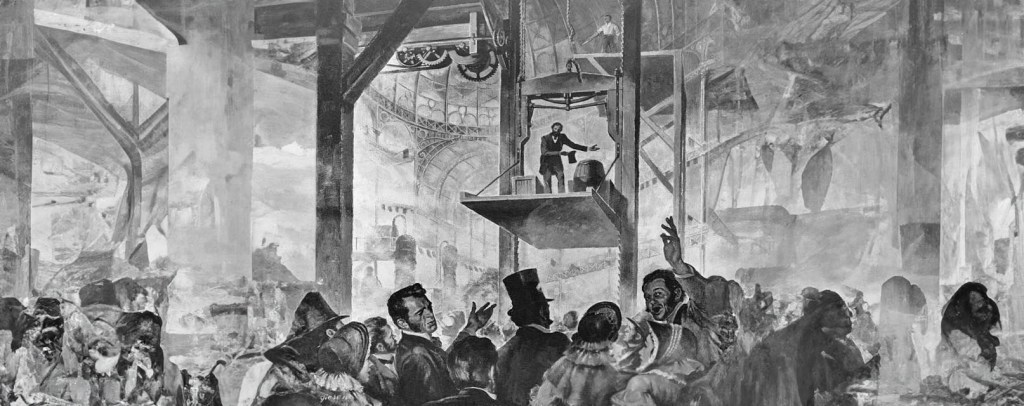
Historical Evolution of Verticality: In the sprawling narratives of architectural history, elevators emerge not merely as mechanical marvels but as the enablers of a profound shift in our spatial paradigm. The historical evolution of verticality, deeply intertwined with the rise of elevators, opens a chapter that narrates the tale of our urban ascent. In the latter half of the 19th century, as cities burgeoned and the limitations of horizontal expansion became glaringly apparent, the elevator became the linchpin in the construction of the skyscraper—an architectural marvel that defied conventions and redefined our understanding of vertical space.
Elevators, with their cables and counterweights, became the silent architects of urban landscapes. As they scaled the heights of technological innovation, so too did the cities they served. The elevator was no longer confined to mere convenience; it was the cornerstone of a new era. Cities began to reach skyward, challenging the gravitational pull that had hitherto dictated the bounds of architectural ambition. The elevator revolutionized not only the physical structure of buildings but also the very essence of urbanization, giving rise to a vertical metropolis that stood as a testament to human ingenuity.
This vertical revolution, propelled by elevators, was not confined to the tangible alterations in skylines; it wove its way through the fabric of societal and cultural dynamics. The emergence of skyscrapers transformed the way people lived, worked, and perceived the city. Vertical expansion brought about a sense of density, with communities and commerce coexisting on multiple levels. The elevator, in its silent ascent, became a social equalizer, allowing individuals from all walks of life to inhabit the same towering edifices. It reshaped the contours of communities and, in doing so, reshaped the social tapestry of urban life. The skyscraper, made possible by elevators, became a symbol of progress, a beacon of modernity that reached toward the heavens and mirrored the aspirations of a society propelled by industrial and technological leaps.
Elevators as Architectural Devices in the Metaverse As the physical realm intersects with the virtual, elevators undergo a transformative metamorphosis, shedding their pragmatic roots to become symbolic and artistic devices in the boundless expanse of the metaverse. This transition marks a departure from their historical role as mere conveyors of physical ascent and descent, evolving into narrative catalysts that transcend the limitations of traditional architectural discourse.
In the metaverse, elevators cease to be mundane transporters and instead emerge as symbolic embodiments of transitions—metaphors for traversing between different levels of consciousness, experiences, or even parallel dimensions. Their movements echo the fluidity of a dream, carrying users through the digital architecture of imagination. Each ascent and descent becomes a nuanced exploration, not of physical floors, but of psychological or narrative layers. Elevators, once confined by the physical laws of the tangible world, now symbolize the fluidity of thought and the boundless possibilities of the virtual realm.
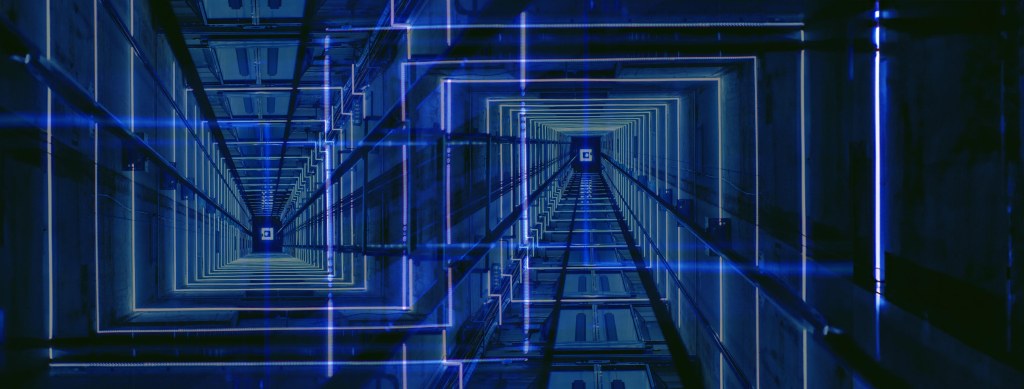
Spatial manipulation takes center stage as elevators in the metaverse embrace a role far beyond functionality. They become tools for artists and architects to experiment with abstract forms, colors, and visual effects. The virtual elevator’s journey through pixels and data mirrors an artistic exploration of the malleable nature of space. It challenges conventional perspectives, inviting users to reconsider their notions of architecture and spatial design in a realm where the only constraints are those of imagination.
The metaverse emerges as a canvas for architectural creativity, and elevators stand at the forefront of this avant-garde movement. Freed from the constraints of physics, they become architectural devices that challenge traditional norms, redefining the very essence of spatial design. The metaverse, as a frontier for innovation, invites architects to break free from the constraints of the tangible world, exploring uncharted territories of creativity where elevators serve not just as conduits of movement but as brushes on a canvas, painting the immersive landscapes of virtual architecture.
Digital Doubles and Architectural Identity: Venturing deeper into the metaverse, the introduction of digital doubles adds a layer of complexity to the narrative of elevators and architectural identity. In this digitized realm, where reality intertwines seamlessly with the virtual, the concept of digital doubles takes center stage—an ethereal echo of physical beings navigating and interacting within architectural spaces.
Digital doubles, avatars crafted in the likeness of their real-world counterparts, transcend the boundaries of traditional architectural representation. They become not just observers but active participants in the virtual landscape, forging a symbiotic relationship with elevators that extends beyond the physical. These virtual doppelgängers step into the elevator, not only as passengers but as agents of narrative and identity. In the metaverse, the elevator becomes a vessel for the transmission of digital selves, carrying the essence of users into the immersive tapestry of virtual architecture.
As digital doubles traverse the metaverse, their impact on architectural identity becomes palpable. They not only represent their users but also assume ownership of virtual buildings, shaping the perception of architectural spaces in ways previously unimaginable. The elevator, in this context, serves as a conduit for the ownership and expression of architectural identity. The ascent within the elevator is not just a movement through virtual floors; it is a journey through the layers of personal and collective identity, a dynamic exploration of the self within the constructed realms of the metaverse.
Virtual ownership takes on a new dimension as digital doubles dynamically interact with virtual buildings. Elevators become gateways to personalized spaces, and the ownership of these digital domains extends beyond the tangible to the intangible. The architecture becomes a reflection of the narratives and experiences woven by digital doubles, redefining the very essence of architectural storytelling. The elevator, as a transitional space, becomes a nexus of identity, ownership, and representation, propelling architectural narratives into uncharted realms of digitized expression.
Elevators in Cinematic Architecture: As we traverse the realms of both physical and virtual existence, elevators continue their role as narrative maestros, this time on the cinematic stage where architecture unfolds as a visual symphony. Cinematic storytelling, with its ability to meld reality and imagination, elevates elevators from functional devices to profound narrative instruments, orchestrating transitions and imbuing architectural spaces with symbolic resonance.
In the celluloid universe, elevators become pivotal narrative devices, more than just mechanisms for vertical movement. Their role extends beyond the pragmatic, intertwining seamlessly with the plot and characters. Elevators, with their doors that open and close like the chapters of a story, facilitate transitions between different scenes and emotions. The confined space becomes a canvas where characters confront dilemmas, unveil secrets, or undergo transformative moments. The elevator journey, both literal and metaphorical, mirrors the ascent or descent of characters through the emotional landscapes of the narrative.
Symbolism thrives within the elevator’s confines in cinema. As doors slide open, they reveal not only new physical spaces but also metaphorical thresholds. The elevator ride becomes a visual metaphor for a character’s psychological journey, an ascent to self-discovery or a descent into the complexities of the human psyche. The hum of the elevator’s machinery, the flickering lights, and the confined space become atmospheric elements that filmmakers deftly manipulate to evoke tension, anticipation, or revelation.
In the collaborative realm of cinematic architecture, architects and filmmakers engage in a dance of creativity, shaping immersive experiences that seamlessly blend physical and virtual realities. The elevator, as a transitional space, becomes a cinematic bridge that connects different narrative dimensions. The collaborative efforts extend beyond traditional filmmaking, especially in the era of virtual and augmented reality, where architects contribute to the creation of immersive worlds, and filmmakers utilize spatial design to enhance the storytelling experience. The elevator, as a recurring motif in cinematic architecture, exemplifies this synergy, guiding audiences through the layered tapestry of narrative spaces where the physical and the virtual coalesce in a mesmerizing dance of storytelling.
Conclusion In this exploration of elevators across the dimensions of physical architecture, the metaverse, and cinematic narratives, we uncover a multifaceted tale of evolution. Elevators, once mechanical facilitators of vertical movement, emerge as narrative alchemists, weaving stories through the steel and cables that define them. As we journeyed through the historical evolution of verticality, elevators became architects of urban dreams, reshaping skylines and societal dynamics. This transformation laid the groundwork for their symbolic expression in the metaverse—a realm where elevators transcend mere functionality to become conduits of artistic exploration and spatial manipulation.
Within the metaverse, elevators embody transitions that extend beyond the physical, becoming metaphors for traversing layers of consciousness and narrative depth. They challenge traditional notions of spatial design, painting on the canvas of the virtual realm with abstract forms and vibrant hues. The metaverse, as an architectural playground, showcases elevators as dynamic devices shaping the very essence of spatial creativity and identity.
Furthering our journey, we delved into the metaverse’s realm of digital doubles, where elevators play a pivotal role in shaping architectural identity. These avatars, owning and interacting with virtual buildings, redefine ownership and representation, transcending the limits of the tangible world. The elevator, in this digital dance, becomes a nexus of personal and collective identity within the constructed realms of the metaverse.
In the cinematic world, elevators evolve into narrative maestros, facilitating transitions and conveying symbolism within architectural spaces. Collaboratively, architects and filmmakers craft immersive experiences where elevators serve as cinematic bridges, seamlessly connecting physical and virtual realities. The elevator, in its recurring role, epitomizes the synergy between the physical and the digital, guiding audiences through narrative spaces where the boundaries between reality and imagination blur.
In conclusion, elevators embody a dynamic evolution in architectural storytelling—a journey that transcends the confines of their mechanical origins. From historical facilitators of vertical movement to symbolic expressions in the metaverse and cinematic narratives, elevators emerge as powerful conduits of narratives that transcend physical and digital boundaries. They stand not only as physical transporters but as symbols of transition, artistic exploration, and collaborative storytelling—a testament to the ever-evolving language of architecture in our diverse and interconnected worlds.










































 NOMAD SKETCHBOOK