
An Underappreciated Masterpiece of Canadian Architecture
Trent University’s architecture stands as a remarkable yet often overlooked achievement in Canadian modernism. Designed by Ron Thom, it exemplifies how brutalist principles can harmonize with the rugged landscape of Southern Ontario. More than just a collection of buildings, Trent embodies a masterfully planned environment that responds to both its natural surroundings and the needs of its students.

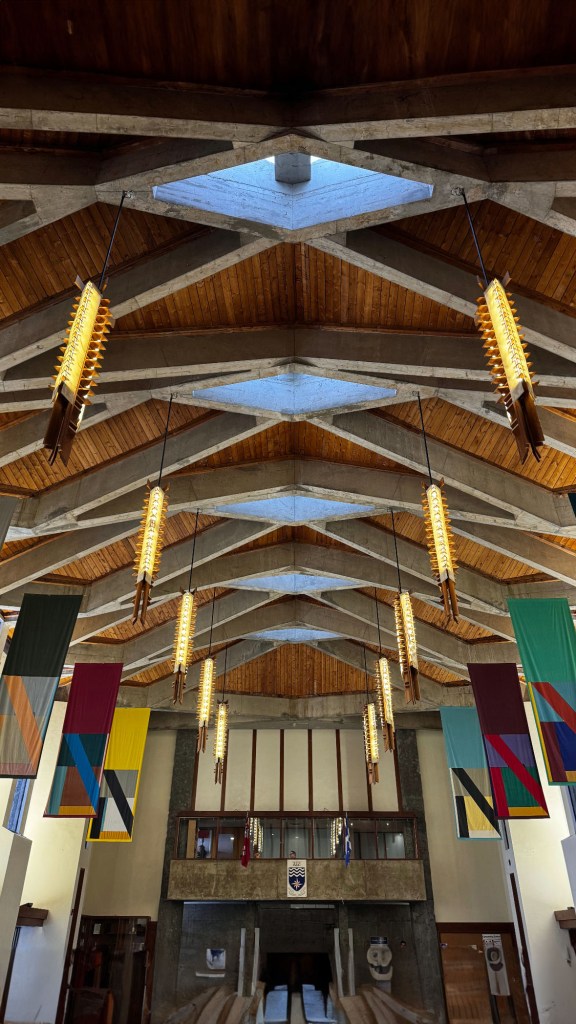
As someone deeply passionate about architecture, my journey to Trent was fuelled by an admiration for the holistic design philosophies of Frank Lloyd Wright. Wright’s influence on Thom is evident not just in aesthetic choices but in a broader commitment to crafting an immersive experience—one where materiality, structure, and landscape become inseparable.
The Influence of Massey College and Master Planning
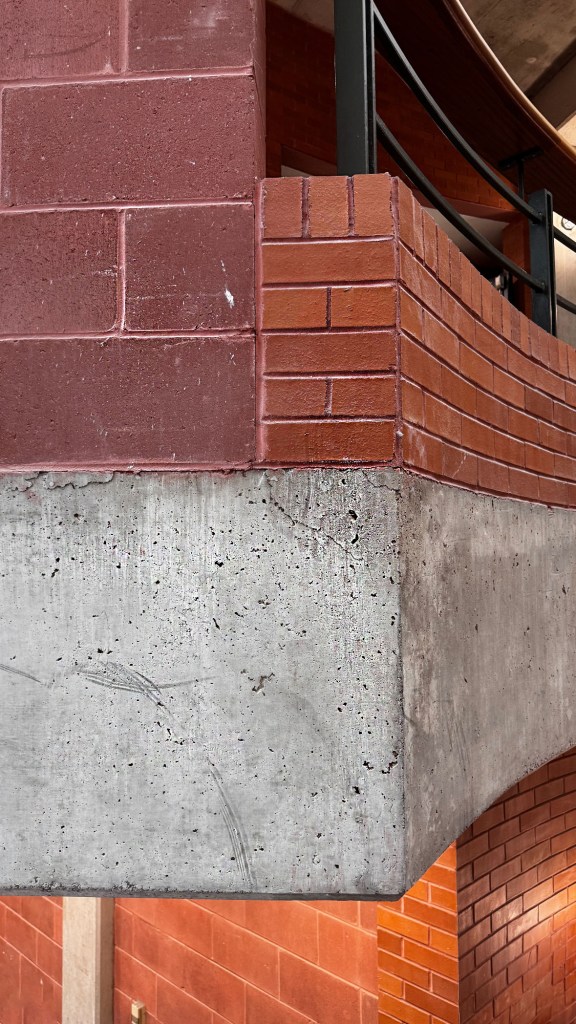
Before embarking on Trent University, Ron Thom designed Massey College in Toronto, a project that deeply informed his approach to educational architecture. Massey College’s enclosed courtyards, intricate use of brick, and emphasis on human-scaled spaces demonstrated how academic environments could foster both community and contemplation. Trent takes these ideas further, expanding them across a sprawling riverside setting.
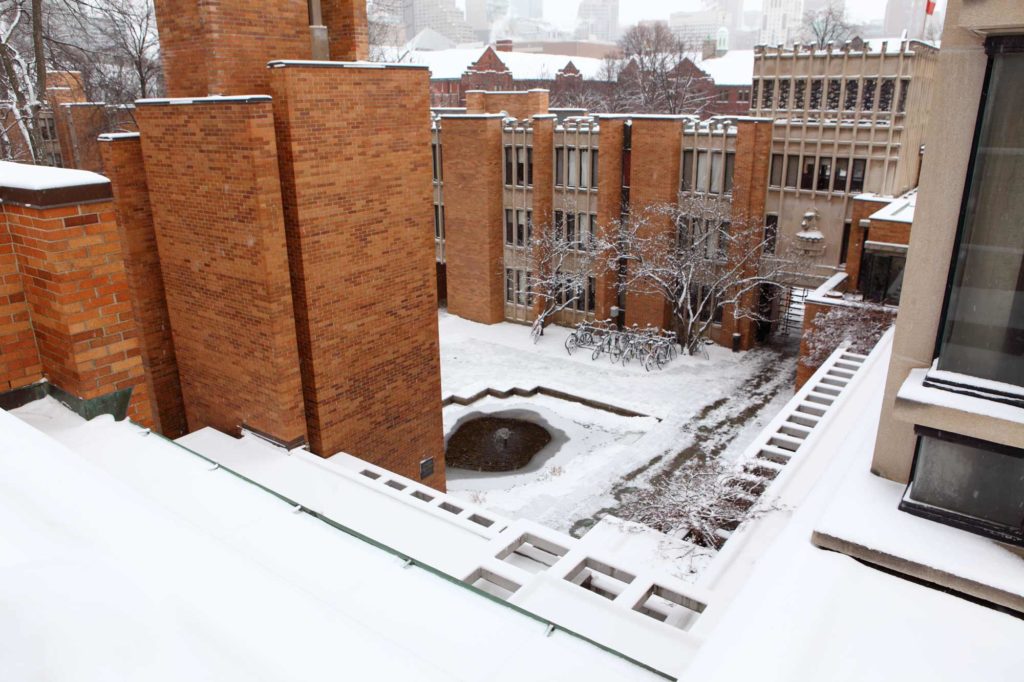
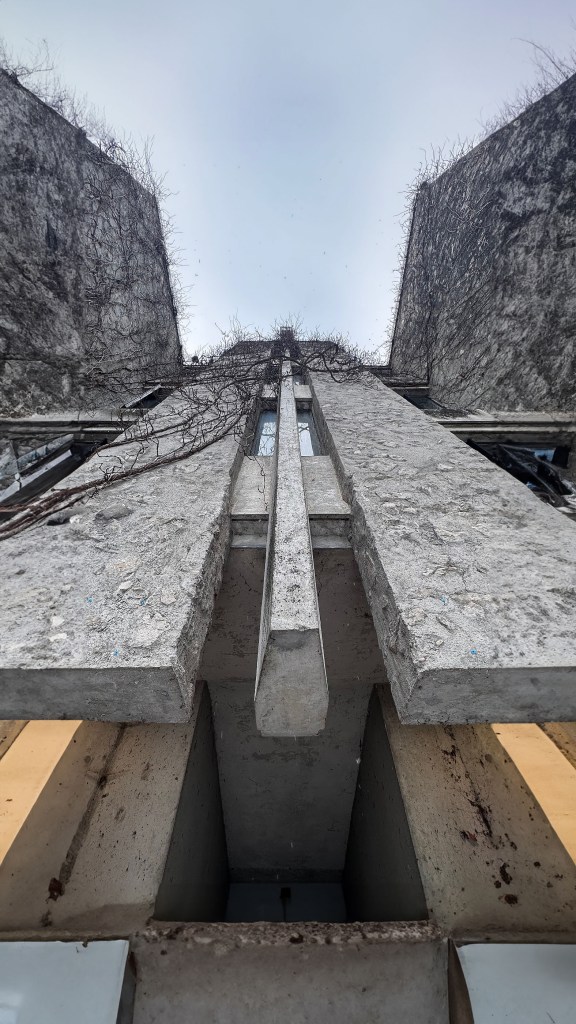
Unlike many brutalist projects that impose a singular monolithic presence, Trent’s design feels organic. The rough-hewn concrete and local stone echo the rocky shores of the Otonabee River, creating a sense that the university is an extension of the landscape rather than an interruption. The layout—characterized by multi-levelled paths, staircases, and intimate pockets of space—encourages exploration and movement, much like walking through a dense forest.
The Brutalist Language: Honesty of Materials and Light Play
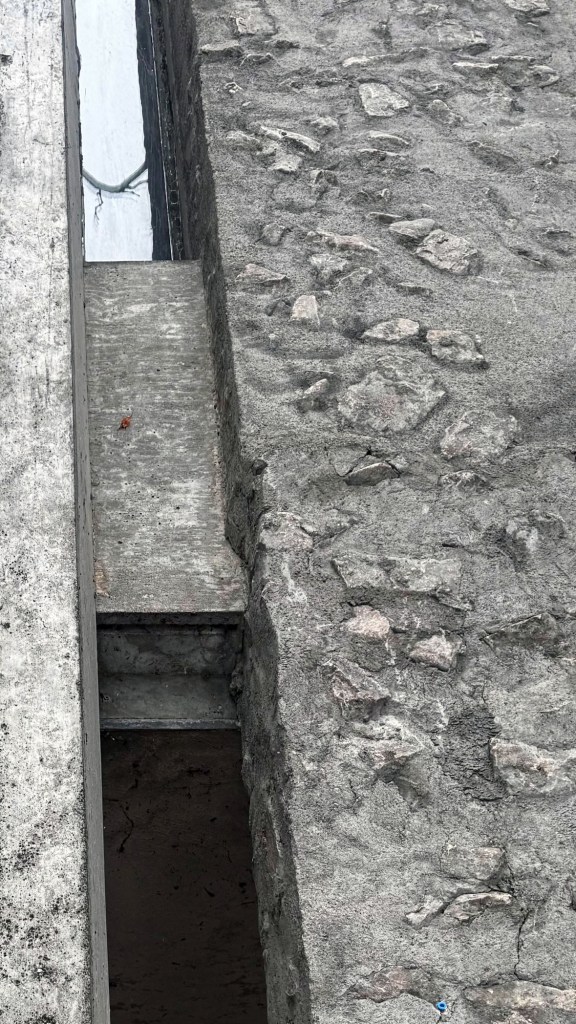
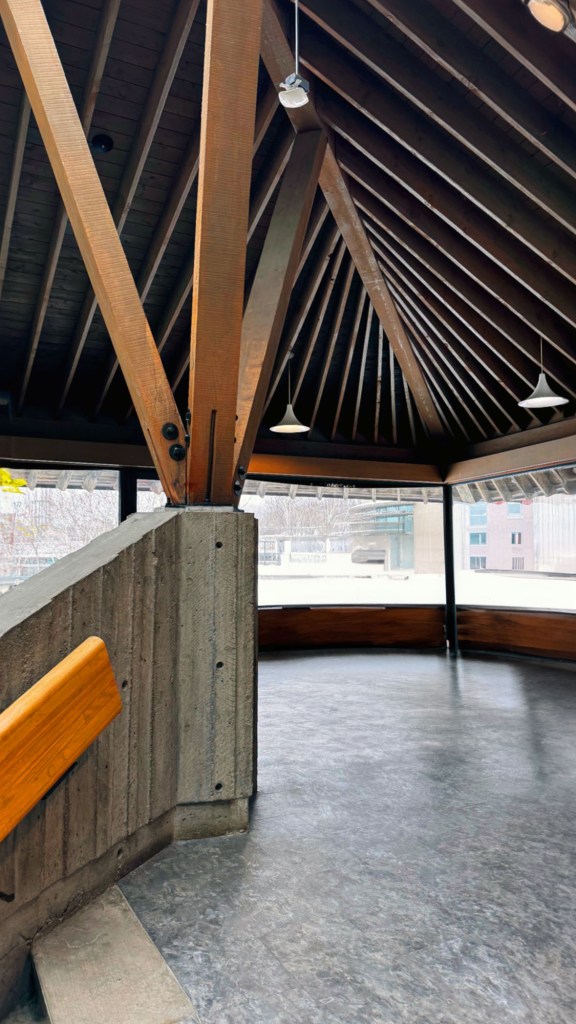
One of the most compelling aspects of Trent’s architecture is its treatment of materials. Brutalism is often criticized for its perceived coldness, but here, exposed concrete and wood interiors create a tactile warmth. The raw textures are celebrated rather than concealed, lending the campus an honesty that resonates with Wright’s philosophy of organic architecture.

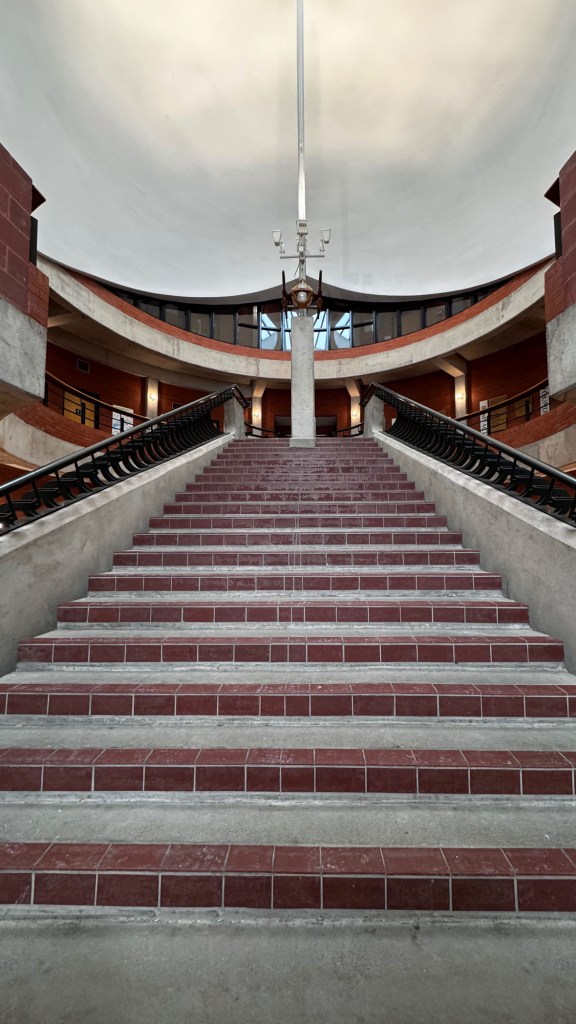
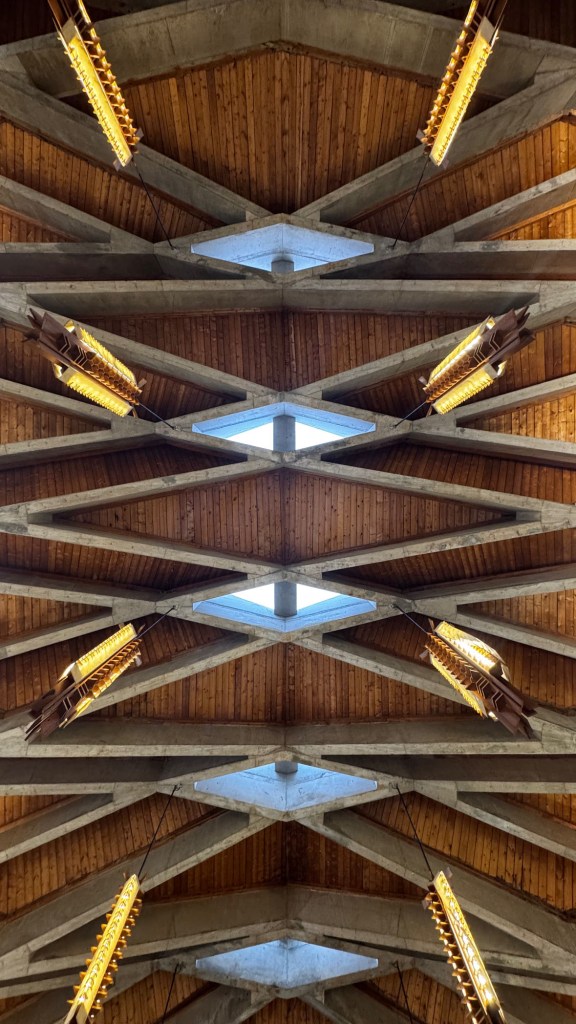
Trent also defies the stereotype of brutalist buildings as oppressive by embracing apertures—windows, skylights, and unexpected openings that invite natural light into the spaces. These carefully considered voids punctuate the structures, softening the weight of the concrete and producing dynamic shifts in light throughout the day. The result is a campus that feels both fortress-like and deeply human, its nooks and passageways offering moments of solitude and reflection.
A Canadian Identity in Concrete and Stone
What makes Trent University feel uniquely Canadian? While brutalism exists worldwide, Trent’s design is distinctly rooted in the modernist traditions of Quebec and Ontario. Unlike the heavy timber focus of West Coast modernism or the quiet practicality of Maritime architecture, Trent’s identity lies in its interplay of raw stone, wood, and concrete. The campus’s levels and terraces evoke the undulating geography of the Canadian Shield, while covered walkways and overhangs respond to the country’s varied climate.
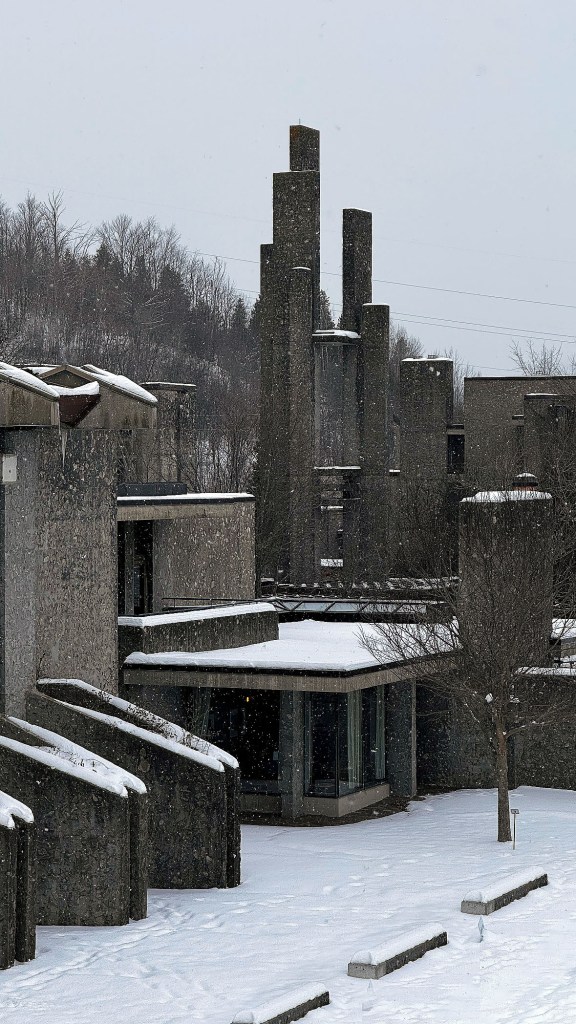
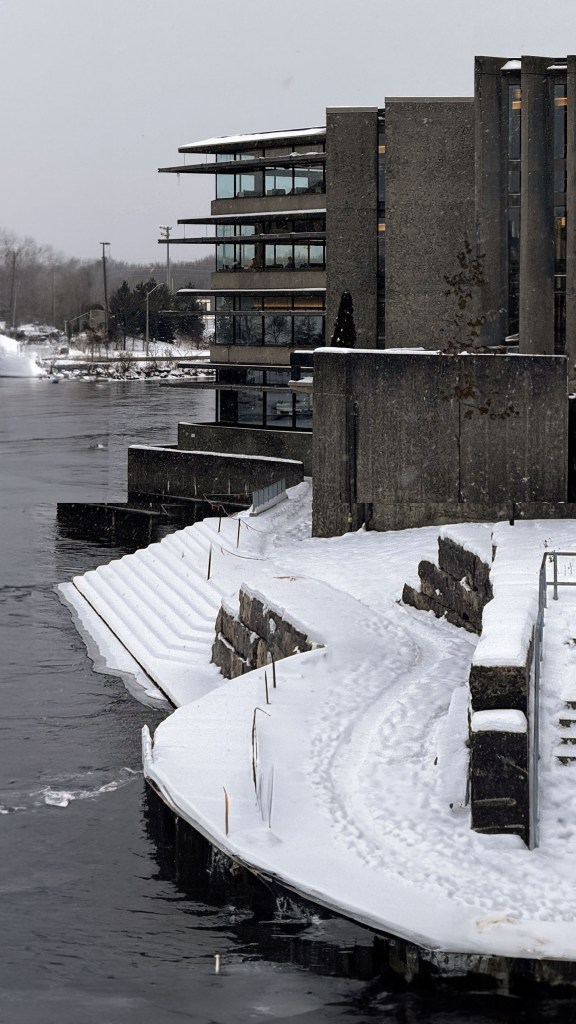
As I walked through the snow-covered campus on my visit, I was struck by how seamlessly the structures adapted to the elements. The buildings don’t just endure the weather—they seem to welcome it, framing views of the river and landscape in ways that make even the harshest conditions feel poetic.
Comparisons and Context
Trent University exists within a broader context of Canadian brutalism, yet it stands apart from many of its contemporaries. While Montreal’s Habitat 67 by Moshe Safdie and Toronto’s Robarts Library are often cited as brutalist icons, they embody a more monumental, imposing approach. Similarly, the University of Toronto Scarborough’s Humanities Wing and Simon Fraser University in British Columbia showcase the grand scale often associated with brutalist educational architecture.
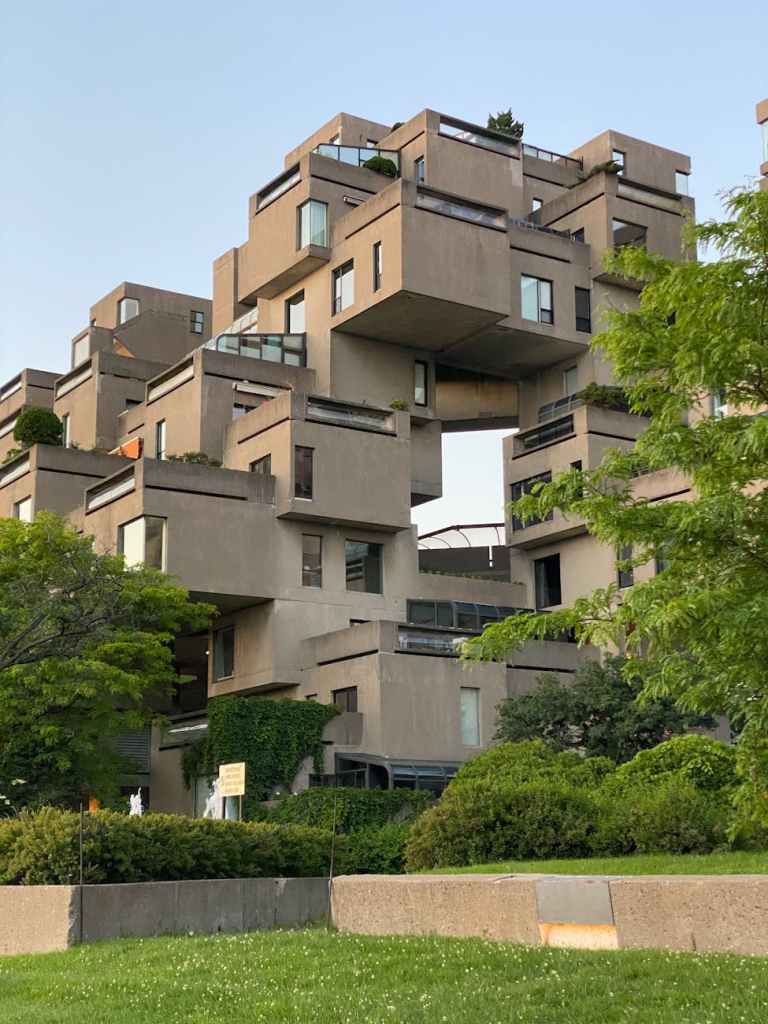

What distinguishes Trent is its deeply personal scale and its sensitivity to place. Unlike the corporate brutalism of Toronto’s Manulife Centre or Sheraton Centre, Trent prioritizes human experience over sheer mass. This approach aligns more closely with Wright’s belief in designing spaces that serve people first and foremost.
Conclusion: A Hidden Architectural Treasure
In Canada’s vast landscape of modernist and brutalist architecture, Trent University remains an under appreciated masterpiece. Ron Thom’s vision for the campus was not simply to create striking buildings, but to cultivate an experience—one where education, nature, and design intertwine seamlessly.
For those who appreciate architecture that is both intellectually rigorous and emotionally resonant, Trent is a place worth exploring. It may not have the immediate recognition of Habitat 67 or Robarts Library, but for those who walk its paths and traverse its staircases, it offers something rarer: a built environment that is profoundly, unmistakably human.







 NOMAD SKETCHBOOK