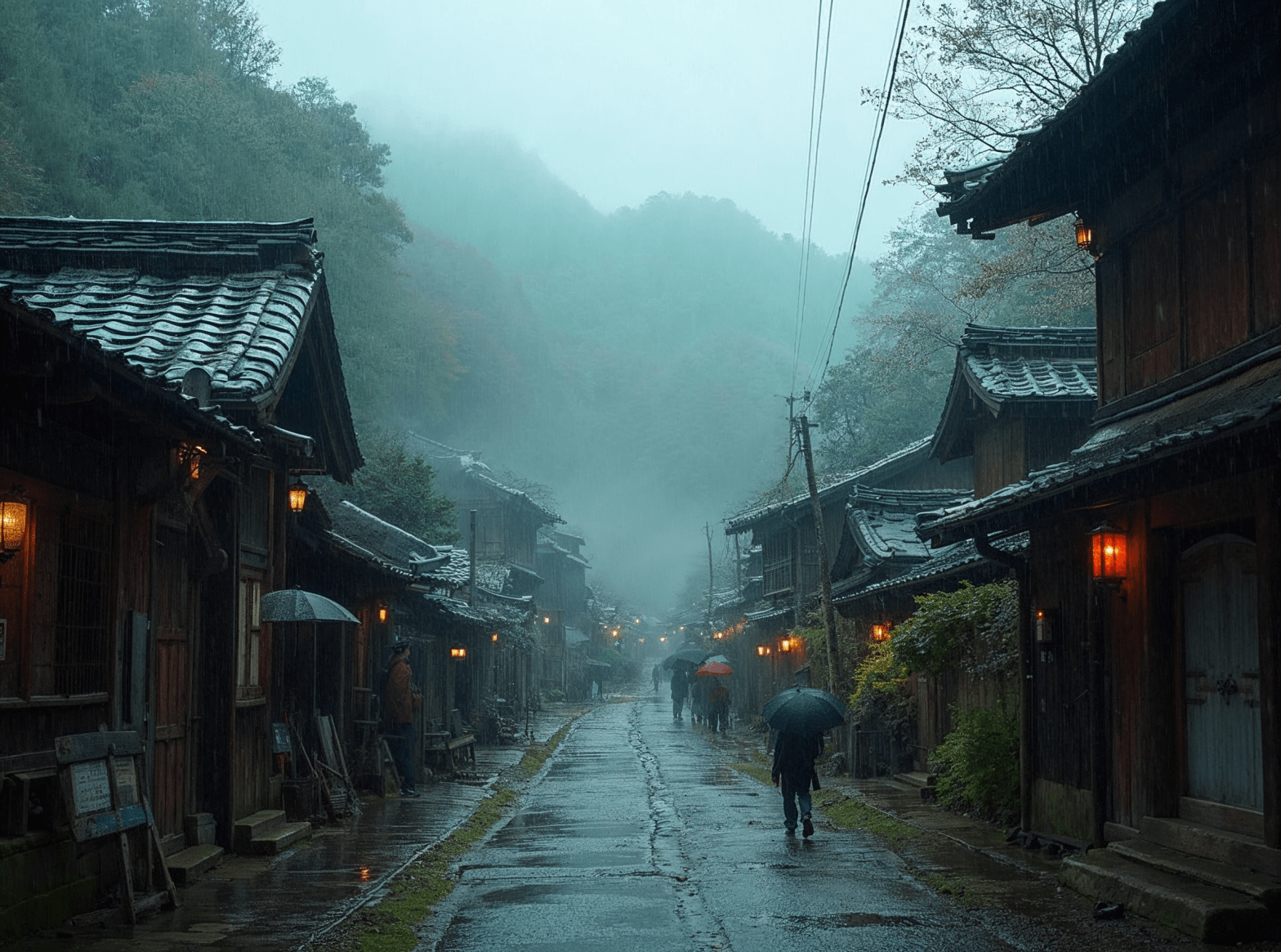
Walking the Nakasendō Trail is more than just a scenic hike through Japan’s countryside—it’s a journey through time. This ancient postal route, once traveled by samurai, merchants, and even emperors during the Edo period, carries a deep historical significance that still resonates today. As you follow in the footsteps of these travellers, you can’t help but wonder about the challenges they faced and the stories that unfolded on this very path.
From navigating lush forests and tranquil streams to passing through charming post towns, the trail offers not only a connection to Japan’s storied past but also an immersive experience of its natural beauty. Along the way, you’ll encounter well-preserved villages, hidden shrines, and traditional tea houses, each offering a glimpse into rural Japanese life. This guide will provide personal insights into hiking the Nakasendō, practical tips for the journey, and reflections on the trail’s timeless allure, ensuring that you make the most of this iconic and historical hike.
Route Overview: Magome to Tsumago, and the Waterfalls Beyond
The Nakasendō trail between Magome and Tsumago is one of the best-preserved sections of Japan’s ancient postal route. This scenic 8-kilometer walk is not only a journey through the historical Edo period, but also through Japan’s stunning natural landscapes, offering peaceful forest paths, traditional tea houses, and beautiful waterfalls.
Starting Point: Magome-juku
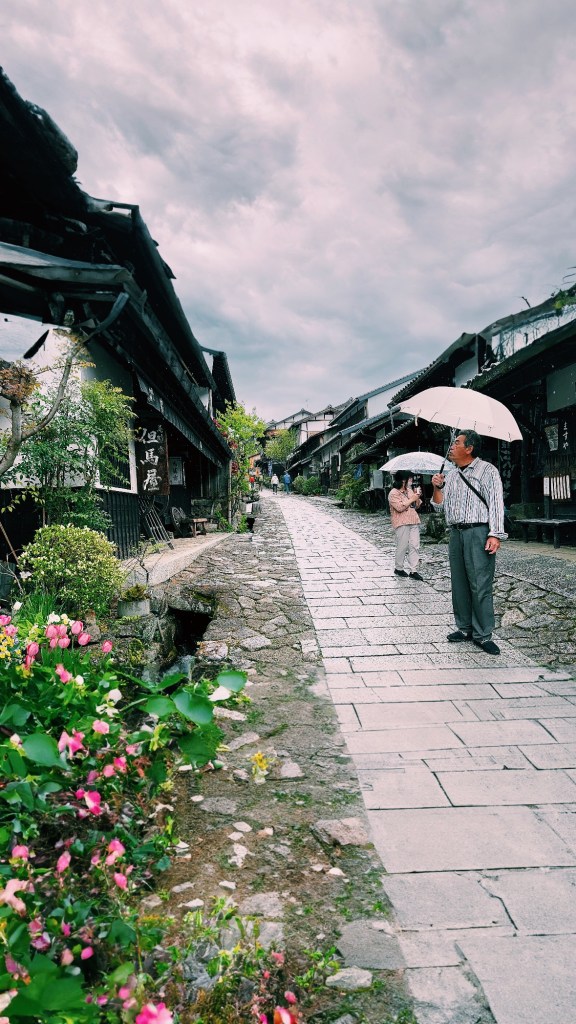
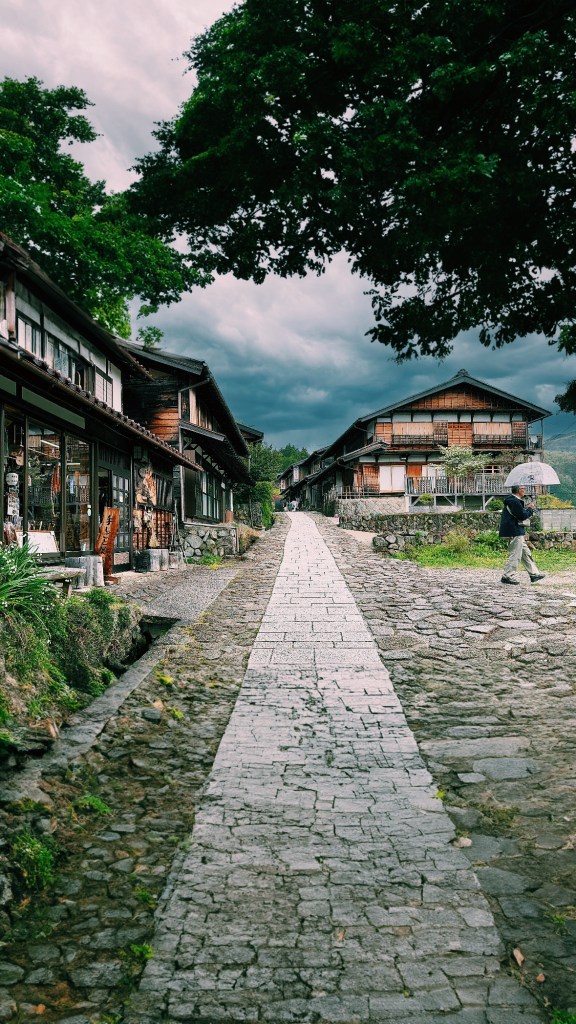
Your hike begins in Magome-juku (馬籠宿), a charming post town perched on the hillside. This town is famous for its cobblestone streets and well-preserved machiya houses. Strolling through Magome feels like stepping back in time, with wooden inns, small local shops, and stunning views of the surrounding valley and distant mountains.
As you leave Magome, you’ll follow the well-marked Nakasendō path, which starts as a paved road that gently slopes upwards. The town itself sits at 600 meters, so the early part of your walk offers sweeping views of the valley below, with terraced fields and traditional homes dotting the landscape.

Into the Forest: A Scenic Trail
Soon, the trail transitions into a forested path. The sounds of everyday life fade as you enter a quiet world of dense greenery, where the sounds of rustling leaves, birds, and distant water accompany your steps. The path here is well-maintained and easy to follow, with stone markers and wooden signposts along the way, ensuring that even first-time hikers can comfortably navigate the route.
You’ll pass through bamboo groves and cross several small streams via wooden bridges, adding to the tranquil atmosphere. The forest canopy provides shade and coolness, making this portion of the hike pleasant even in the warmer months. The trail occasionally opens up, giving you glimpses of nearby mountains and valleys as you make your way along this historical route.
Rest Stop: Traditional Tea House in the Woods
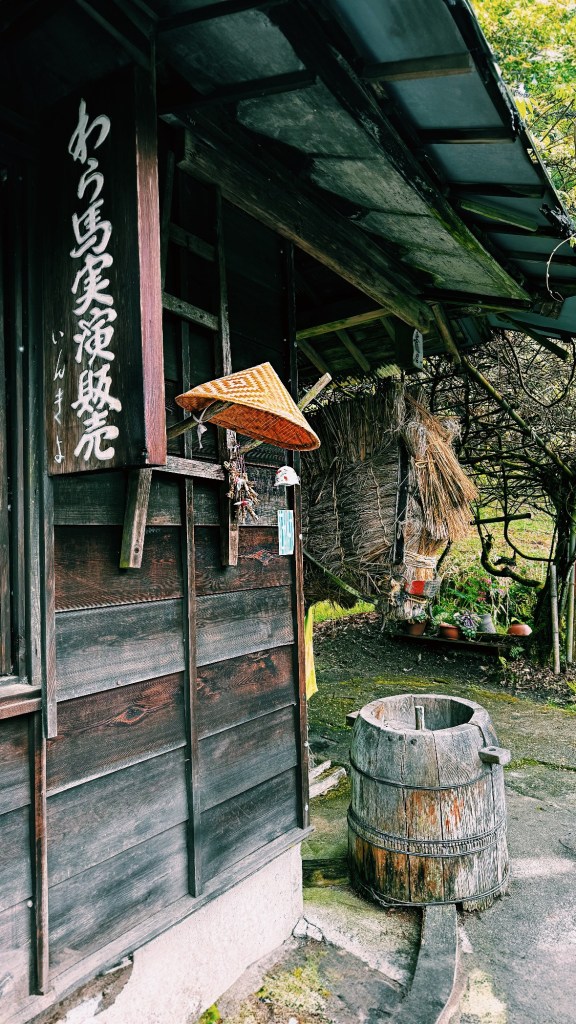
About halfway between Magome and Tsumago, you’ll come across a delightful traditional tea house nestled within the forest. Known as the Tateba Tea House, this small, rustic building offers hikers a chance to rest and enjoy tea or light snacks. The tea house is maintained by locals, and although it’s simple, its charm lies in its authenticity.
There’s no electricity here—just the sound of wind in the trees and the faint trickle of a nearby stream. The tea house operates on a donation basis, offering visitors tea, miso soup, and seasonal snacks. Rest here, breathe in the fresh forest air, and enjoy the serene surroundings before continuing on your journey.
Arrival in Tsumago-juku
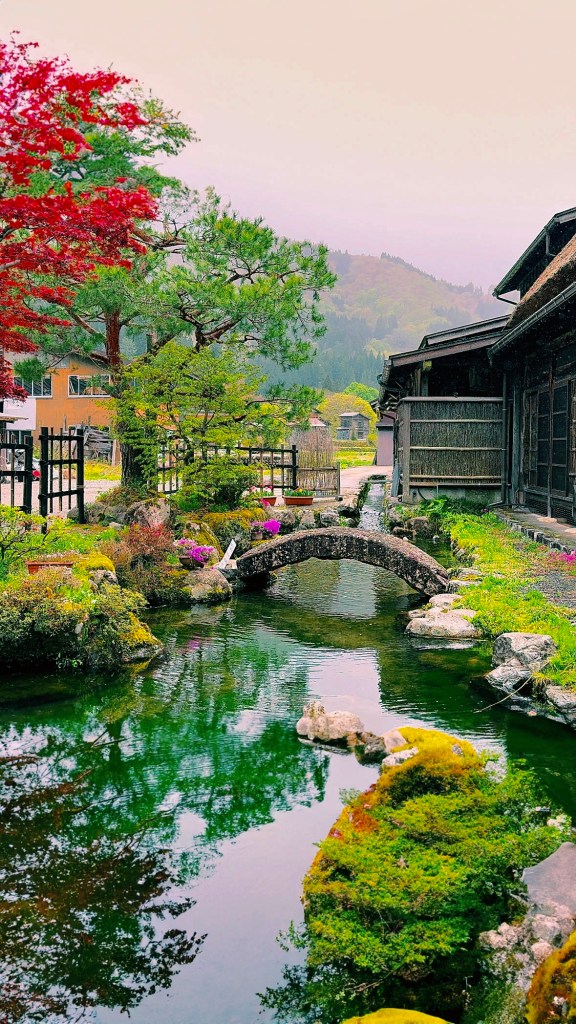
After the tea house, the path continues downhill towards Tsumago-juku (妻籠宿), another well-preserved post town. This section of the trail offers more picturesque views of the valley as you descend. Soon, you’ll enter Tsumago, a town famed for its dedication to preserving its Edo-period appearance. Tsumago is quieter than Magome, with a truly authentic atmosphere. The town has a strict policy against visible power lines, modern buildings, and even cars on certain streets, making it feel as if time has stood still.
Strolling through Tsumago, you’ll find narrow, stone-paved streets lined with dark wooden houses, inns, and small shops selling local crafts and traditional sweets. It’s worth taking your time here to explore the town, visit one of the local washi (Japanese paper) shops, or stop by a historic inn such as the Honjin, where feudal lords once stayed.


Beyond Tsumago: The Waterfalls
After exploring Tsumago, continue your hike along the Nakasendō trail. As you leave the town, the path transitions back into nature, leading you towards the serene Otaki and Metaki waterfalls. The trail to the waterfalls is peaceful, with gentle inclines and forested surroundings.
- Otaki (Male Waterfall) is the larger of the two, standing at 30 meters. Its powerful cascade creates a soothing roar as it hits the rocks below, sending mist into the air.
- Metaki (Female Waterfall), though smaller at around 5 meters, has a graceful beauty, with a softer, more delicate flow.
Both waterfalls are surrounded by moss-covered rocks, dense foliage, and the occasional wildflower, making them a perfect place to stop, reflect, and enjoy the natural beauty of the area. Many hikers find this spot to be a quiet, spiritual retreat before heading back on the trail or continuing their journey.
Route Tips:
- Distance: Approximately 8 kilometers from Magome to Tsumago, with an additional 1-2 kilometers to the waterfalls.
- Time: The hike from Magome to Tsumago takes about 2.5-3 hours, depending on pace and time spent exploring the villages. Adding the waterfall stop will extend your hike by another 30-45 minutes.
- Best Time to Visit: Spring and autumn are ideal, with cherry blossoms or autumn leaves adding extra beauty to the hike. Summer is also pleasant due to the forested shade, and winter brings a unique charm, though the trail can be icy in places.
- Logistics: Both Magome and Tsumago have small inns for an overnight stay, as well as bus services connecting them if you prefer not to walk back.
Conclusion
This section of the Nakasendō offers an enchanting blend of history, nature, and traditional Japanese culture. From the Edo-period charm of Magome and Tsumago to the quiet solitude of the tea house and the majestic beauty of the waterfalls, this hike is a journey that allows you to experience Japan’s past while enjoying the serene beauty of its rural landscapes. Whether you’re hiking for the history or the views, the Nakasendō will leave you with lasting memories of Japan’s timeless trail.
 NOMAD SKETCHBOOK