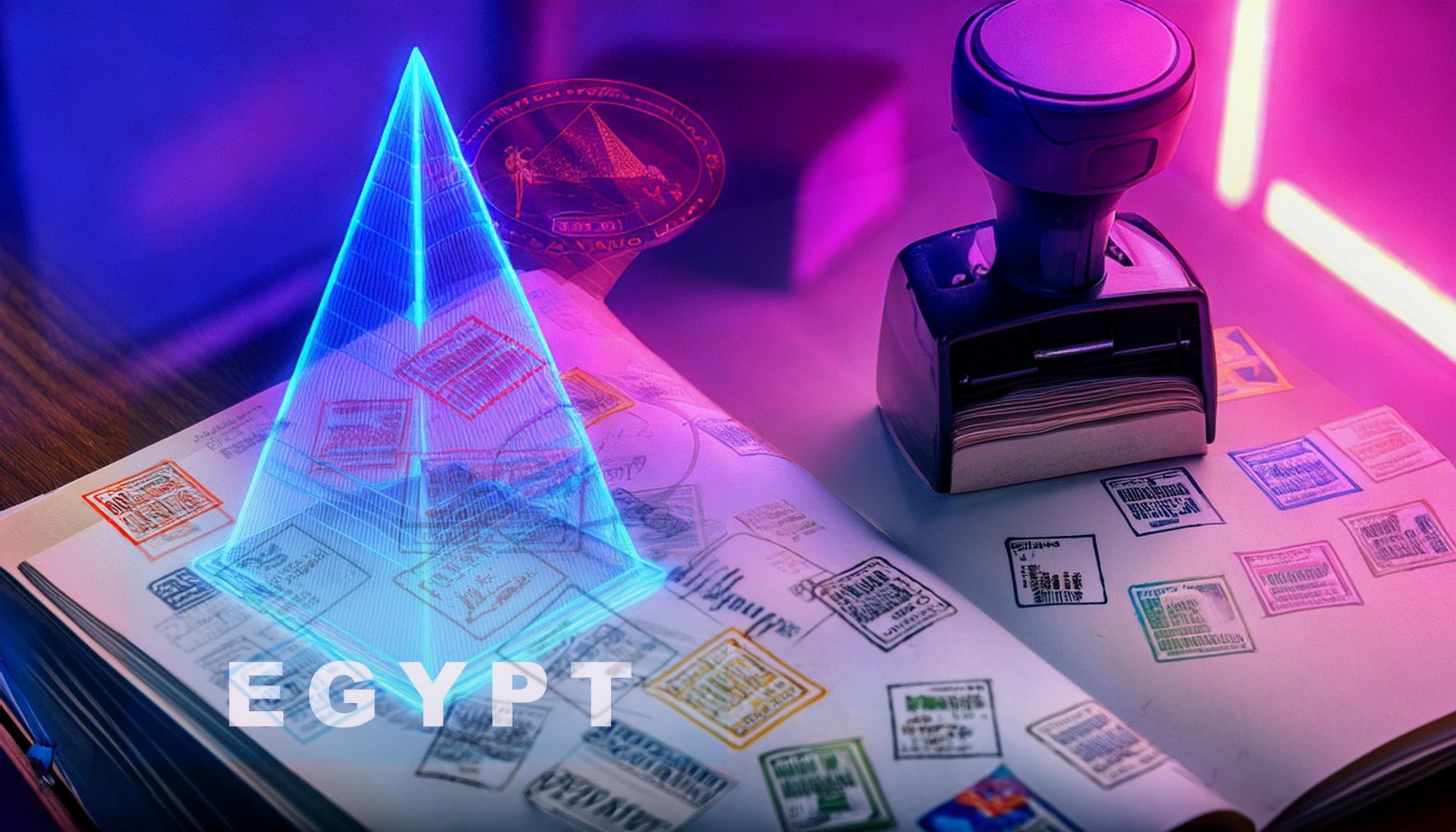
Transforming Modern Passports with Design & Digital Innovation
We in an era where travel has become more accessible than ever before, thanks to increasingly open borders and low cost airlines, the world is witnessing an unprecedented boom in global exploration. Today’s travellers, armed with iPhones and social media platforms like Instagram and TikTok, are not just seeking new experiences but also sharing them instantly with a global audience. This trend, often dubbed the “Instagramification” of travel, has turned the act of exploring new places into a visually driven, shareable adventure. However, amidst this vibrant and visually rich landscape, one essential travel item remains stubbornly utilitarian and uninspired: the passport.
Historically, passports were not only functional documents but also visually appealing artifacts, adorned with beautiful stamps and VISA’s that told the story of one’s journeys, as well as the Country, Empire, Nation State, or Territory one was visiting. As technology has advanced, passports have become more secure and efficient, but at the cost of the artistic and cultural expressions that once made them unique. QR codes, themeless stamps, and even express lanes rob the traveller of the token of entering a new world. Today, as we rethink many aspects of travel in the digital age, there is a compelling case to be made for reimagining passports as well.

The fascination with passport stamps extends far beyond their practical use, evolving into a niche but passionate collector’s market. Enthusiasts like those featured on the popular Facebook page “Vintage Passport Collector” are captivated by the rich stories embedded in each stamp. These collectors often seek out old passports, each stamp revealing a fragment of the owner’s journey across borders and through history. The intrigue lies in the unique narratives these stamps represent—tracing a person’s travels, political shifts, and even personal milestones. Similarly, Instagrammers and collectors alike are drawn to the artistry and historical value of these documents, celebrating their visual appeal and the personal histories they unveil. This growing interest highlights a deeper appreciation for the cultural and historical significance of passports, offering a compelling argument for reimagining them as more than just identification tools in the digital age.

The fascination with passport stamps transcends mere documentation, weaving a tapestry of personal history and global connection. For many travelers, the moment their passport is stamped upon entering a new country is imbued with a sense of excitement and accomplishment. It’s often the first thing they eagerly inspect, their eyes scanning the intricate designs and fresh ink with a thrill that reflects the anticipation of a new adventure. Each stamp represents a tangible mark of their journey, a souvenir of their passage through borders and cultures.
This immediate, almost poetic reaction highlights the emotional significance attached to these stamps. They are more than bureaucratic necessities; they symbolize milestones and memories, capturing the essence of each destination in a single, often elaborate impression. The allure of collecting these stamps, or even entire passports, lies in their ability to tell a story—the story of places visited, experiences gained, and the personal growth that accompanies travel. This rich, emotional connection underscores the need for reimagining passports in the digital age, incorporating elements that preserve and enhance the artistry and significance that make each stamp a cherished part of the travel experience.
By integrating augmented reality, digital art, and blockchain technology, countries can transform passports from mere identification tools into personalized, collectible pieces of art that reflect the cultural richness of our global travels. Such innovations could bring back the charm and excitement of traditional travel documentation, making the passport a true reflection of the modern travel experience.


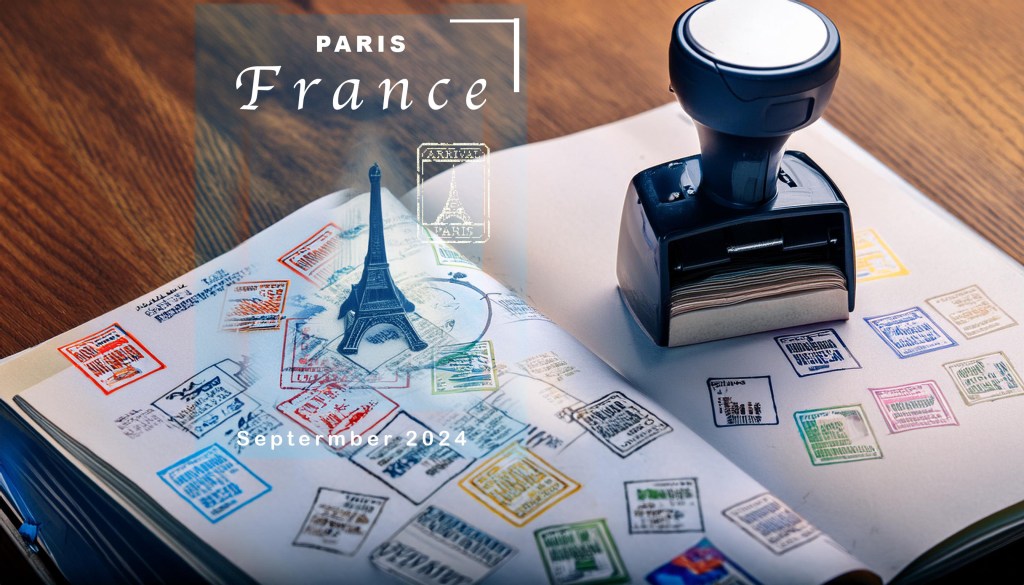
Exploring the intersection of tradition and modernity through augmented reality and digital art in the realm of travel documentation is an exciting frontier. Here’s a deeper dive into how these ideas can be practically implemented and the potential impact they could have:
Augmented Reality (AR) and Digital Art
Augmented Reality (AR) Implementation
- Virtual Stamps: Travelers can use their smartphones or AR glasses to view their digital passports. Upon crossing a border, a virtual stamp, rich in cultural and historical design, appears on their device. These stamps can animate, providing additional information or showcasing traditional art and symbols.
- Interactive Experiences: Each virtual stamp could come with interactive elements. For example, tapping on the stamp might provide a brief history of the country, notable landmarks, or cultural insights. This not only makes the experience visually appealing but also educational.
- Mobile Apps: A dedicated travel app could be developed to host these AR experiences. The app could store all virtual stamps, creating a digital collection that travelers can share and showcase.
Digital Art Integration
- Artistic Passport Pages: Digital passports can feature artistic backgrounds or themes that change with each new stamp, enhancing the visual appeal. These designs could reflect the essence of the traveler’s destinations.
- Customization: Travelers could choose from a variety of artistic styles and themes for their digital passports, personalizing their travel documents. This could range from minimalist designs to intricate artworks inspired by different cultures.
Collectible Digital Assets
NFTs and Blockchain
- Unique Digital Stamps: Non-Fungible Tokens (NFTs) can represent each stamp, making them unique and collectible. Each time a traveler crosses a border, they receive a digital stamp that is minted as an NFT. This stamp is not only a record of their journey but also a collectible piece of art.
- Traceability and Security: Blockchain technology ensures that each digital stamp is verifiable and tamper-proof. This enhances security and authenticity, preventing fraud and making each stamp a valuable digital asset.
Personalized Digital Passports
- Dynamic Content: Digital passports can feature dynamic content that updates with each new destination. For example, the background design might change to reflect the new country, incorporating elements of its culture and heritage.
- Travel Journals: Travelers can add notes, photos, and videos to their digital passports, creating a multimedia travel journal that complements the digital stamps. This personalized content makes the digital passport a rich repository of travel memories.
Incorporating these elements into travel documentation bridges the gap between the functional and the beautiful, creating a future where passports are not just tools for identification but also canvases for art and culture. If you have any specific ideas or need help with implementation strategies, feel free to ask!
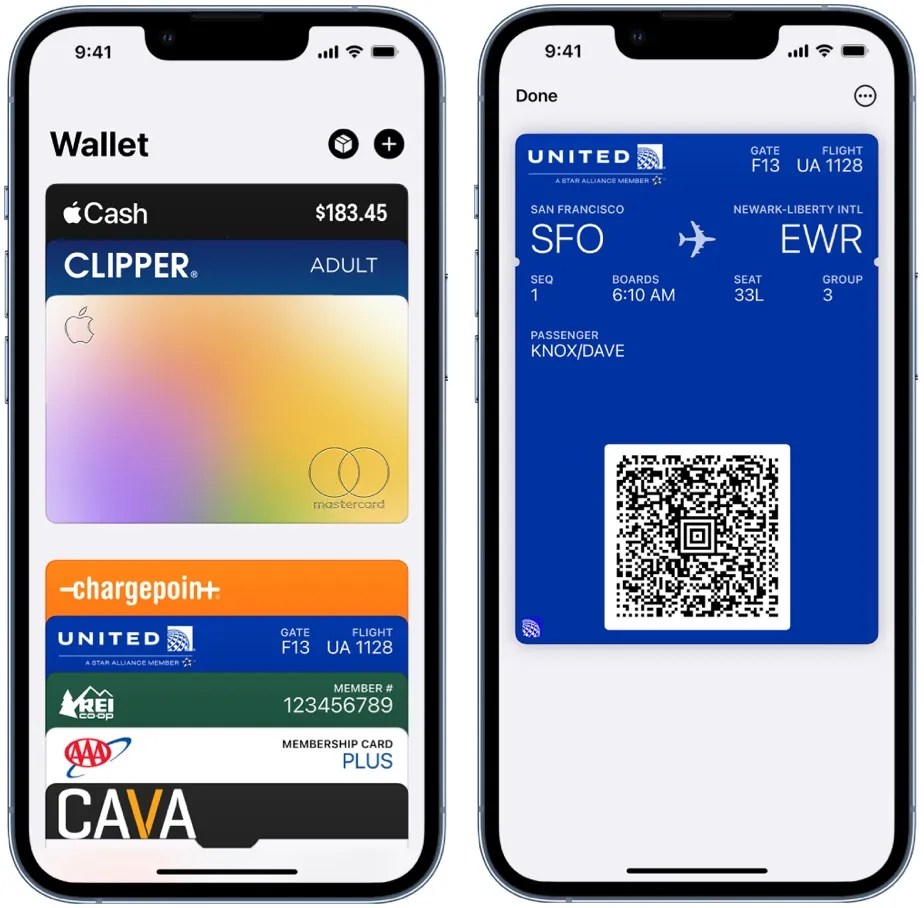
Apple has revolutionized the way we interact with digital travel documents, making processes like boarding passes and entry permissions more streamlined and accessible. With features like Apple Wallet, users can easily store and access digital tickets, boarding passes, and even some travel credentials right on their smartphones. This convenience has significantly simplified travel logistics, allowing for quick and efficient management of essential documents.
However, this shift to digitalization also means that we lose out on the tactile and visual appeal of traditional paper tickets and passport stamps. The unique aesthetic and cultural value of physical stamps are diminished when reduced to mere digital entries. To bridge this gap, a dedicated mobile app could be developed to enhance the digital travel experience by integrating augmented reality (AR) and rich, interactive design elements.
Imagine a travel app that not only stores digital passports and tickets but also offers a vibrant, customizable space where travelers can collect and showcase virtual stamps. This app could allow users to view and interact with AR-enhanced stamps that replicate the intricate designs and cultural significance of traditional stamps. Each time a traveler crosses a border or visits a new location, the app could generate a unique, artistic virtual stamp that reflects the destination’s heritage.
Such an app would offer a platform for travelers to build a digital collection of their journeys, share their virtual passport with others, and even explore stamps from different cultures. This digital collection could become a dynamic, visual log of their travels, preserving the charm and storytelling of physical stamps while leveraging the convenience and innovation of digital technology. By merging the ease of digital documentation with the artistic and cultural richness of traditional stamps, this app could create a new way to experience and cherish the journey, bridging the past and future of travel documentation.
Reviving the Art
- Cultural Preservation: Digital stamps can preserve and celebrate the art and culture of different nations. By incorporating traditional designs and motifs, these stamps serve as a digital canvas for cultural expression.
- Accessibility: Digital platforms make it easier to share and appreciate these artistic stamps globally. Travelers can share their digital passports online, allowing others to experience the beauty of each stamp and learn about different cultures.


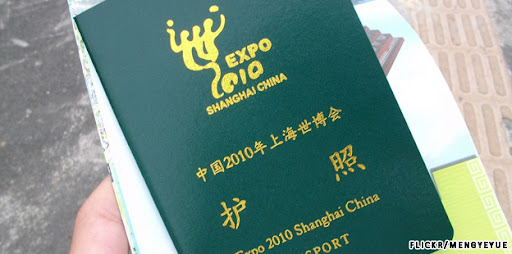
The tradition of passport stamp collecting has found a fascinating niche in the context of World Expos, where themed passport stamps serve as both souvenirs and symbols of cultural exchange. One standout example of this practice is the Expo passports, which have been used at several major international exhibitions.
At the 1967 Montreal World Exhibition, known as Expo 67, visitors were given special Expo passports. These passports featured stamps from various participating countries and pavilions, each one capturing the essence of the exhibition’s theme and the diverse cultures represented. The stamps were not only a fun collectible but also a means of engaging with the global nature of the event.
This tradition continued with the 2010 Shanghai Expo, where a similar Expo passport concept was introduced. The Shanghai Expo passport allowed visitors to collect stamps from the multitude of national and thematic pavilions, reflecting the event’s focus on urban sustainability and innovation. The design of these stamps showcased elements of each pavilion’s unique offerings, further enriching the experience for attendees.
Most recently, at Dubai’s 2020 World Expo, the tradition was revived once more. The Expo passport at this event featured stamps that celebrated Dubai’s theme of “Connecting Minds, Creating the Future,” capturing the spirit of innovation and collaboration that defined the exhibition. Visitors eagerly collected these stamps, each one symbolizing a different aspect of the Expo’s diverse and dynamic offerings.
These Expo passports illustrate how the practice of collecting stamps can transform a travel experience into a memorable and interactive journey. They offer a tangible link to the cultural, technological, and thematic highlights of the exhibitions, providing visitors with a unique way to document and celebrate their global exploration. This tradition underscores the potential for modernizing and expanding the concept of passport stamps in today’s digital age, preserving the charm and significance of these collectible artifacts while embracing new technologies and formats.
Continue Reading:
 NOMAD SKETCHBOOK