Beyond Verticality, Ascending Narratives in Architecture, the Metaverse, and Cinematic Skylines
In the bustling urban tapestry of cities, the elevator stands as an unsung hero, quietly orchestrating a symphony of verticality that has reshaped our architectural landscapes. The clinking of cables, the gentle hum of machinery, and the swift ascent or descent mark a journey that extends far beyond mere floor levels. Elevators, those unassuming carriers of human progress, have etched a profound historical narrative, altering the skyline and social dynamics in ways often overlooked. This essay delves into the vertical odyssey facilitated by elevators, exploring their role in transforming the concrete jungles we call cities and, more intriguingly, their recent metamorphosis into symbolic and artistic expressions within the virtual realm.
From their inception, elevators were more than mere conveyors of people between floors; they were the architects of urban dreams reaching for the sky. The historical evolution of elevators mirrors a profound shift in our approach to verticality. In the late 19th century, elevators laid the groundwork for the construction of skyscrapers, defying the limitations imposed by gravity and laying bare the potential of upward expansion. Cities, once confined to the constraints of horizontal sprawl, began to reach new heights, their skylines punctuated by the steel and glass monuments that elevators enabled. The transformative impact of elevators transcended the physical; it was a redefinition of urban space, a vertical dance that echoed societal aspirations and cultural shifts.
As we ascend through the historical layers of urban evolution, the thesis materializes: the evolution of elevators, a journey from the mechanical to the virtual, encapsulates a profound narrative of architectural identity. In the 21st century, elevators transcend their physical bounds, stepping into the intangible realm of the metaverse. No longer confined to the pragmatic task of transporting bodies between floors, elevators in the virtual space become conduits of artistic expression and symbols of transition. The clattering machinery gives way to poetic movements, as elevators morph into architectural devices that challenge our understanding of space, identity, and the very essence of what it means to design in the digital age.
Historical Evolution of Verticality:
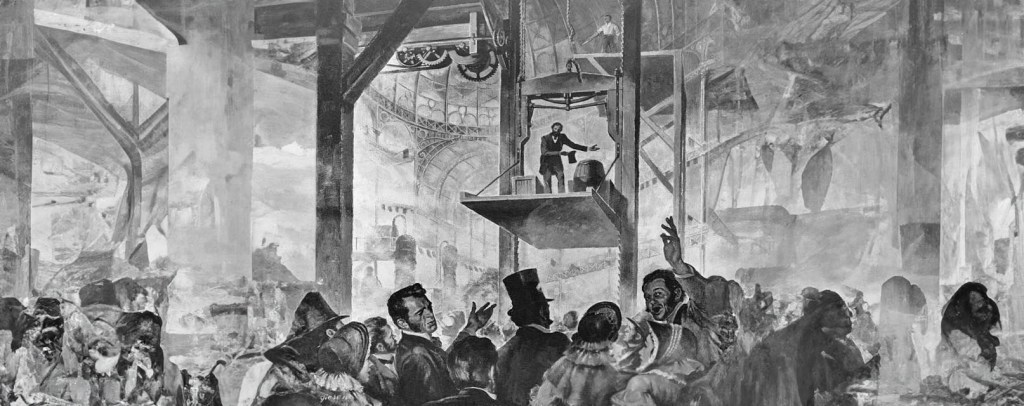
In the sprawling narratives of architectural history, elevators emerge not merely as mechanical marvels but as the enablers of a profound shift in our spatial paradigm. The historical evolution of verticality, deeply intertwined with the rise of elevators, opens a chapter that narrates the tale of our urban ascent. In the latter half of the 19th century, as cities burgeoned and the limitations of horizontal expansion became glaringly apparent, the elevator became the linchpin in the construction of the skyscraper—an architectural marvel that defied conventions and redefined our understanding of vertical space.
Elevators, with their cables and counterweights, became the silent architects of urban landscapes. As they scaled the heights of technological innovation, so too did the cities they served. The elevator was no longer confined to mere convenience; it was the cornerstone of a new era. Cities began to reach skyward, challenging the gravitational pull that had hitherto dictated the bounds of architectural ambition. The elevator revolutionized not only the physical structure of buildings but also the very essence of urbanization, giving rise to a vertical metropolis that stood as a testament to human ingenuity.
This vertical revolution, propelled by elevators, was not confined to the tangible alterations in skylines; it wove its way through the fabric of societal and cultural dynamics. The emergence of skyscrapers transformed the way people lived, worked, and perceived the city. Vertical expansion brought about a sense of density, with communities and commerce coexisting on multiple levels. The elevator, in its silent ascent, became a social equalizer, allowing individuals from all walks of life to inhabit the same towering edifices. It reshaped the contours of communities and, in doing so, reshaped the social tapestry of urban life. The skyscraper, made possible by elevators, became a symbol of progress, a beacon of modernity that reached toward the heavens and mirrored the aspirations of a society propelled by industrial and technological leaps.
Elevators as Architectural Devices in the Metaverse
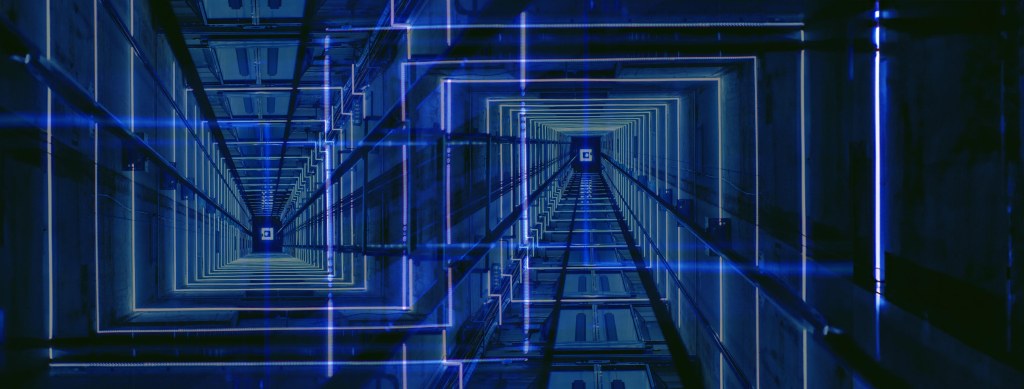
As the physical realm intersects with the virtual, elevators undergo a transformative metamorphosis, shedding their pragmatic roots to become symbolic and artistic devices in the boundless expanse of the metaverse. This transition marks a departure from their historical role as mere conveyors of physical ascent and descent, evolving into narrative catalysts that transcend the limitations of traditional architectural discourse.
In the metaverse, elevators cease to be mundane transporters and instead emerge as symbolic embodiments of transitions—metaphors for traversing between different levels of consciousness, experiences, or even parallel dimensions. Their movements echo the fluidity of a dream, carrying users through the digital architecture of imagination. Each ascent and descent becomes a nuanced exploration, not of physical floors, but of psychological or narrative layers. Elevators, once confined by the physical laws of the tangible world, now symbolize the fluidity of thought and the boundless possibilities of the virtual realm.
Spatial manipulation takes center stage as elevators in the metaverse embrace a role far beyond functionality. They become tools for artists and architects to experiment with abstract forms, colors, and visual effects. The virtual elevator’s journey through pixels and data mirrors an artistic exploration of the malleable nature of space. It challenges conventional perspectives, inviting users to reconsider their notions of architecture and spatial design in a realm where the only constraints are those of imagination.
The metaverse emerges as a canvas for architectural creativity, and elevators stand at the forefront of this avant-garde movement. Freed from the constraints of physics, they become architectural devices that challenge traditional norms, redefining the very essence of spatial design. The metaverse, as a frontier for innovation, invites architects to break free from the constraints of the tangible world, exploring uncharted territories of creativity where elevators serve not just as conduits of movement but as brushes on a canvas, painting the immersive landscapes of virtual architecture.
Digital Doubles and Architectural Identity:
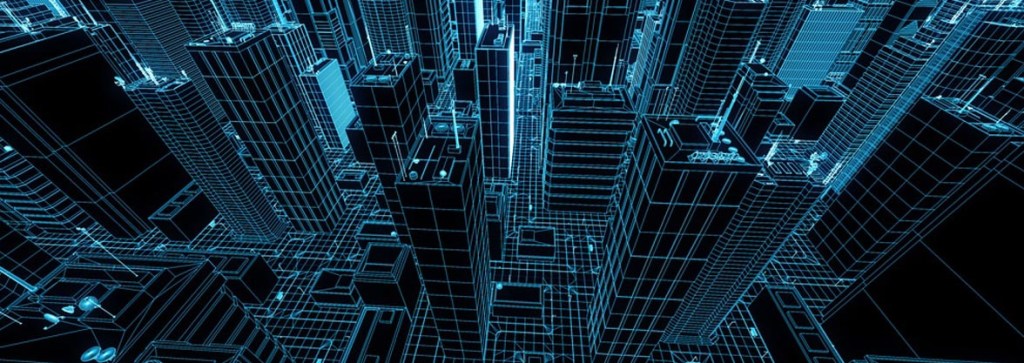
Venturing deeper into the metaverse, the introduction of digital doubles adds a layer of complexity to the narrative of elevators and architectural identity. In this digitized realm, where reality intertwines seamlessly with the virtual, the concept of digital doubles takes center stage—an ethereal echo of physical beings navigating and interacting within architectural spaces.
Digital doubles, avatars crafted in the likeness of their real-world counterparts, transcend the boundaries of traditional architectural representation. They become not just observers but active participants in the virtual landscape, forging a symbiotic relationship with elevators that extends beyond the physical. These virtual doppelgängers step into the elevator, not only as passengers but as agents of narrative and identity. In the metaverse, the elevator becomes a vessel for the transmission of digital selves, carrying the essence of users into the immersive tapestry of virtual architecture.
As digital doubles traverse the metaverse, their impact on architectural identity becomes palpable. They not only represent their users but also assume ownership of virtual buildings, shaping the perception of architectural spaces in ways previously unimaginable. The elevator, in this context, serves as a conduit for the ownership and expression of architectural identity. The ascent within the elevator is not just a movement through virtual floors; it is a journey through the layers of personal and collective identity, a dynamic exploration of the self within the constructed realms of the metaverse.
Virtual ownership takes on a new dimension as digital doubles dynamically interact with virtual buildings. Elevators become gateways to personalized spaces, and the ownership of these digital domains extends beyond the tangible to the intangible. The architecture becomes a reflection of the narratives and experiences woven by digital doubles, redefining the very essence of architectural storytelling. The elevator, as a transitional space, becomes a nexus of identity, ownership, and representation, propelling architectural narratives into uncharted realms of digitized expression.

Elevators in Cinematic Architecture:
As we traverse the realms of both physical and virtual existence, elevators continue their role as narrative maestros, this time on the cinematic stage where architecture unfolds as a visual symphony. Cinematic storytelling, with its ability to meld reality and imagination, elevates elevators from functional devices to profound narrative instruments, orchestrating transitions and imbuing architectural spaces with symbolic resonance.
In the celluloid universe, elevators become pivotal narrative devices, more than just mechanisms for vertical movement. Their role extends beyond the pragmatic, intertwining seamlessly with the plot and characters. Elevators, with their doors that open and close like the chapters of a story, facilitate transitions between different scenes and emotions. The confined space becomes a canvas where characters confront dilemmas, unveil secrets, or undergo transformative moments. The elevator journey, both literal and metaphorical, mirrors the ascent or descent of characters through the emotional landscapes of the narrative.
Symbolism thrives within the elevator’s confines in cinema. As doors slide open, they reveal not only new physical spaces but also metaphorical thresholds. The elevator ride becomes a visual metaphor for a character’s psychological journey, an ascent to self-discovery or a descent into the complexities of the human psyche. The hum of the elevator’s machinery, the flickering lights, and the confined space become atmospheric elements that filmmakers deftly manipulate to evoke tension, anticipation, or revelation.
In the collaborative realm of cinematic architecture, architects and filmmakers engage in a dance of creativity, shaping immersive experiences that seamlessly blend physical and virtual realities. The elevator, as a transitional space, becomes a cinematic bridge that connects different narrative dimensions. The collaborative efforts extend beyond traditional filmmaking, especially in the era of virtual and augmented reality, where architects contribute to the creation of immersive worlds, and filmmakers utilize spatial design to enhance the storytelling experience. The elevator, as a recurring motif in cinematic architecture, exemplifies this synergy, guiding audiences through the layered tapestry of narrative spaces where the physical and the virtual coalesce in a mesmerizing dance of storytelling.
Conclusion
In this exploration of elevators across the dimensions of physical architecture, the metaverse, and cinematic narratives, we uncover a multifaceted tale of evolution. Elevators, once mechanical facilitators of vertical movement, emerge as narrative alchemists, weaving stories through the steel and cables that define them. As we journeyed through the historical evolution of verticality, elevators became architects of urban dreams, reshaping skylines and societal dynamics. This transformation laid the groundwork for their symbolic expression in the metaverse—a realm where elevators transcend mere functionality to become conduits of artistic exploration and spatial manipulation.
Within the metaverse, elevators embody transitions that extend beyond the physical, becoming metaphors for traversing layers of consciousness and narrative depth. They challenge traditional notions of spatial design, painting on the canvas of the virtual realm with abstract forms and vibrant hues. The metaverse, as an architectural playground, showcases elevators as dynamic devices shaping the very essence of spatial creativity and identity.
Furthering our journey, we delved into the metaverse’s realm of digital doubles, where elevators play a pivotal role in shaping architectural identity. These avatars, owning and interacting with virtual buildings, redefine ownership and representation, transcending the limits of the tangible world. The elevator, in this digital dance, becomes a nexus of personal and collective identity within the constructed realms of the metaverse.
In the cinematic world, elevators evolve into narrative maestros, facilitating transitions and conveying symbolism within architectural spaces. Collaboratively, architects and filmmakers craft immersive experiences where elevators serve as cinematic bridges, seamlessly connecting physical and virtual realities. The elevator, in its recurring role, epitomizes the synergy between the physical and the digital, guiding audiences through narrative spaces where the boundaries between reality and imagination blur.
In conclusion, elevators embody a dynamic evolution in architectural storytelling—a journey that transcends the confines of their mechanical origins. From historical facilitators of vertical movement to symbolic expressions in the metaverse and cinematic narratives, elevators emerge as powerful conduits of narratives that transcend physical and digital boundaries. They stand not only as physical transporters but as symbols of transition, artistic exploration, and collaborative storytelling—a testament to the ever-evolving language of architecture in our diverse and interconnected worlds.
 NOMAD SKETCHBOOK
Great post 🌹
LikeLike