
Challenging Perceptions | The Power of Art to Transform Perspectives
During my visit to the Kyoto Museum of Contemporary Art (MoMAK), I was captivated by an exhibition that combined surrealist installations with thought-provoking works exploring currency. This unique exhibit featured pieces by renowned artists such as Genpei Akasegawa, Marcel Duchamp, André Breton, and René Magritte, as well as works by artists from the alternative art school known as Bigakkō.

One of the standout pieces in the exhibit was Genpei Akasegawa’s “Zero Yen-Note” from 1967. Akasegawa’s work challenges our understanding of currency and its value, using art to question the very foundations of our economic systems.
The life of Akasegawa Genpei is the rich and diverse history of Japan’s post-war avant-garde art movement. As an artist who actively participated in anti-government protests, Akasegawa’s art was deeply rooted in the social and political context of his time.

His engagement with Dadaism, an art movement characterized by its rejection of traditional aesthetics and embrace of absurdity, further demonstrates his commitment to challenging established norms and pushing the boundaries of artistic expression.
As a post-modernist, Akasegawa questioned the very nature of art and its role in society, exploring themes of appropriation, reproduction, and the relationship between art and everyday life.
Through his diverse experiences and contributions to various artistic movements, Akasegawa Genpei’s legacy serves as a powerful reminder of the transformative potential of art and its ability to reflect and shape the world around us. His work can be further explored at here.
The Zero Yen Note is an artistic concept created by Genpei Akasegawa, a Japanese artist. It was introduced in the late 1960s as a form of satirical commentary on the consumer-driven society and the perceived value of money. The Zero Yen Note was designed to resemble a real banknote but had a denomination of zero yen, implying that it holds no monetary value.
Akasegawa intended the Zero Yen Note to challenge the notion of worth and question the significance society places on money. By creating a currency with no financial value, he aimed to provoke contemplation about the nature of currency, the concept of ownership, and the role of art in society. The Zero Yen Note also served as a statement against consumerism and the relentless pursuit of material wealth.
Through this artistic concept, Akasegawa encouraged viewers to reassess the value systems that govern our lives, prompting them to consider alternative forms of worth beyond monetary measures. The Zero Yen Note became a symbolic representation of the power of imagination, creativity, and the potential for transcending material possessions.


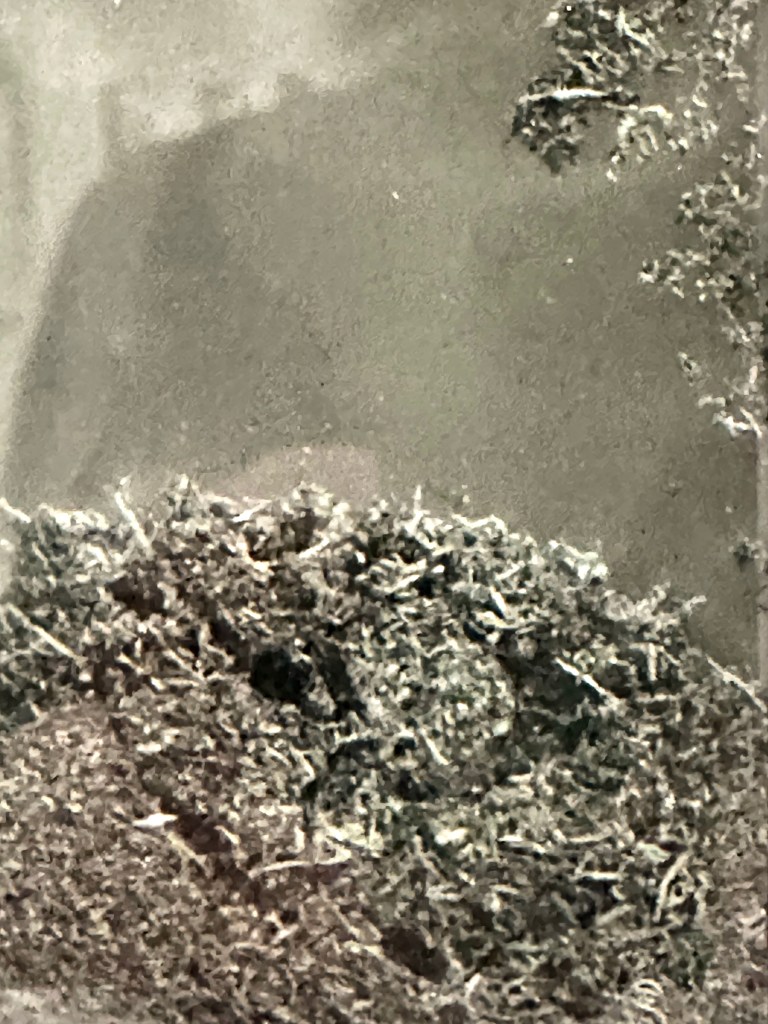
Another intriguing work on display was a 2002 sculpture by Kazuya Kusuhara, which featured a U.S. banknote with all the ink scraped off using a sand eraser, leaving only a faint shadow of US President Lincoln on the paper. This piece, like Akasegawa’s, invites viewers to reconsider the nature of currency and the perceived value we assign to it.
Modern artists have often utilized currencies as a medium for artistic expression. They manipulate banknotes, coins, and other forms of currency to challenge societal norms and explore themes related to economics, power, and identity. By altering or incorporating currency into their artwork, artists aim to provoke thought and critique the established systems of value and exchange. This can involve interventions such as printing new designs, altering existing currency, or creating entirely new currencies, blurring the line between art and money. Through these artistic interventions, artists seek to stimulate dialogue about wealth, consumerism, globalization, and the ways in which currency shapes our lives.
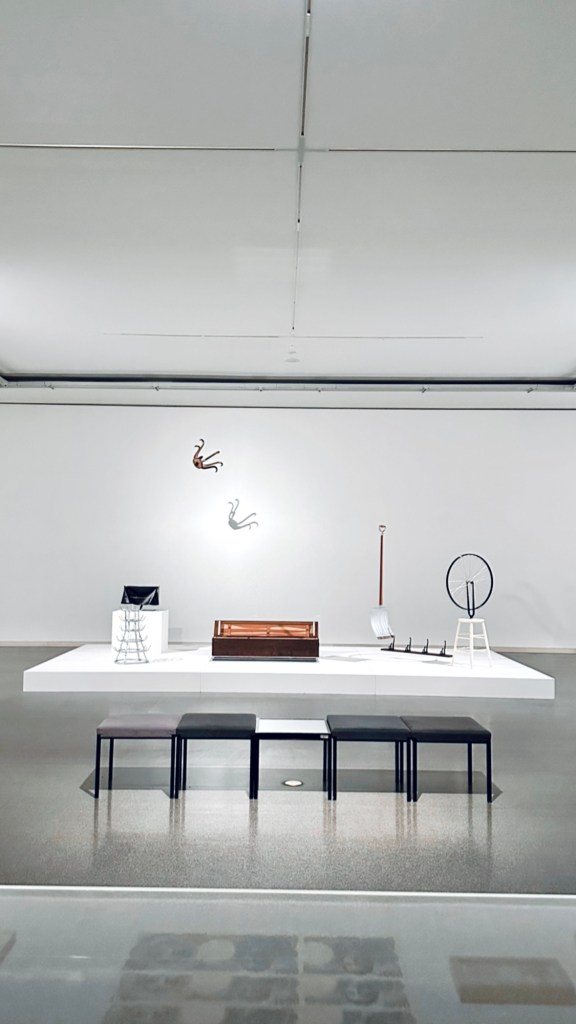
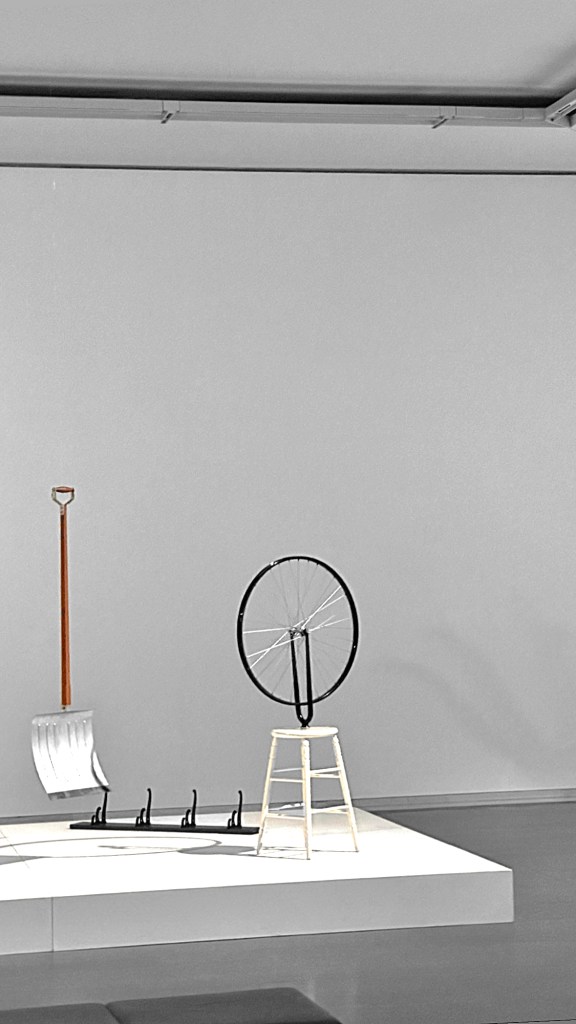
The exhibit was split between these innovative works by artists from Bigakkō and early surrealist pieces, such as Marcel Duchamp’s “Bicycle Wheel” and “Fountain,” as well as a series of sculptural pieces by André Breton and René Magritte. The juxtaposition of surreal objects with distortions and manipulations of currency, bills, and banknotes created a thought-provoking exploration of consumption, perceived value, and established ideas and notions.
The combination of surrealism and currency-focused art in this exhibit offered a fresh perspective on the role of art in challenging societal norms and questioning the foundations of our beliefs. By presenting these works side by side, the MoMAK encouraged visitors to engage in a dialogue about the nature of value, the power of art to disrupt established systems, and the potential for creative expression to inspire change.
As I departed the gallery, I found myself once more delving into the notions and themes that fuel and invigorate my perception of value in life. It was especially delightful to reconnect with the surrealist art movement, a source of defiant inspiration for countless creative souls, including my teenage self. The surrealism and currency exhibit served as a revitalizing reminder of the stimulating and captivating experiences that not only provoke contemplation but also encourage sharing through the transformative power of art. By challenging our perspectives and igniting fresh ideas, art truly bridges the gap between society and the human experience.
 NOMAD SKETCHBOOK
Another intriguing work on display was a 2002 sculpture by Kazuya Kusuhara, which featured a U.S. banknote with all the ink scraped off using a sand eraser, leaving only a faint shadow of US President Lincoln on the paper. This piece, like Akasegawa’s, invites viewers to reconsider the nature of currency and the perceived value we assign to it.
Not to be Critical, but in the above explanation in your featured article, you write, “leaving only a faint shadow of US President Lincoln.” The President in the Artwork displayed in Your article is that of “President George Washington, Not Lincoln.” Just wanted to note Proper Respect to the correct President. Great article by the way!
LikeLiked by 1 person
haha thanks (Canadian here and forgot about G W)
LikeLike