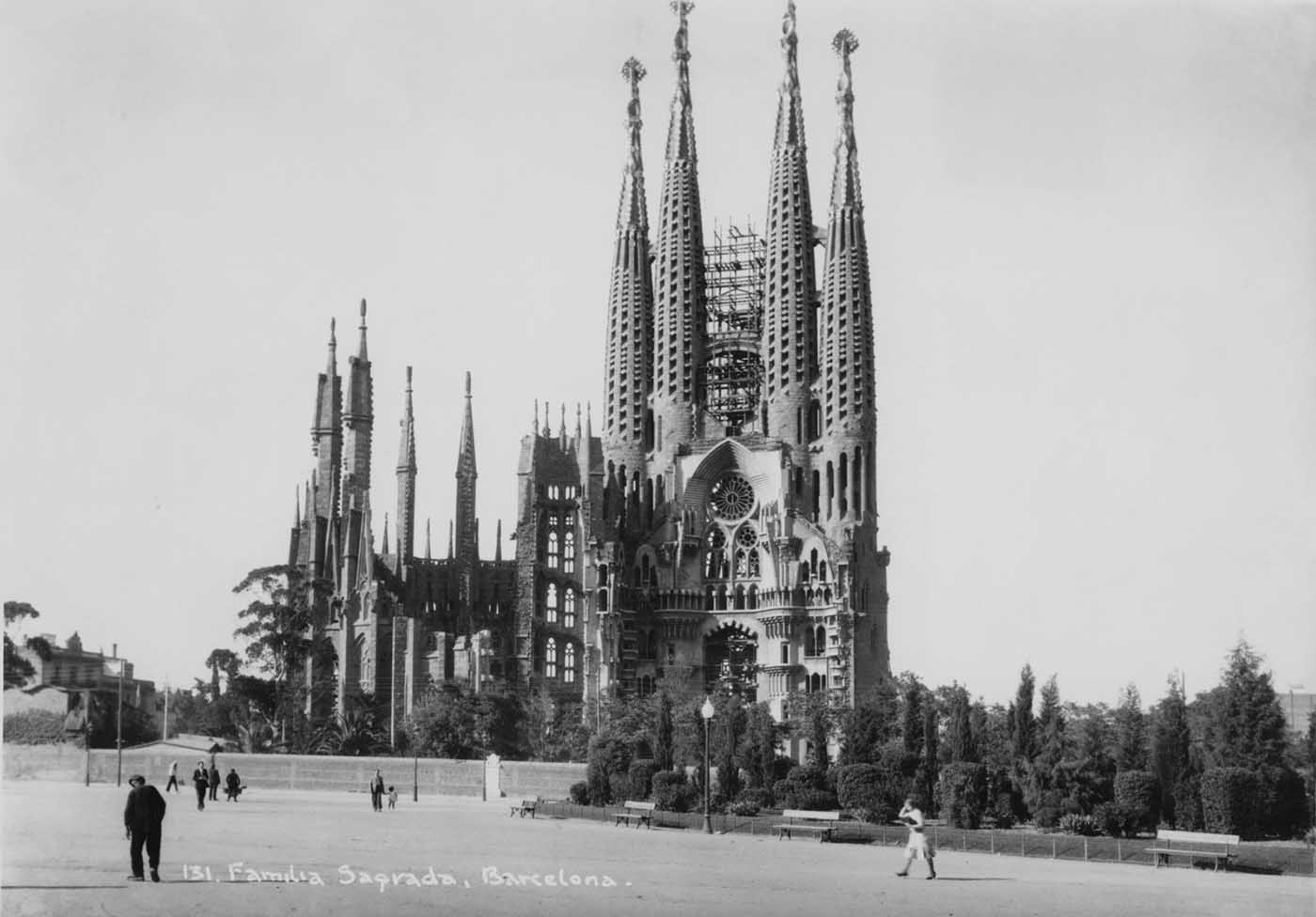
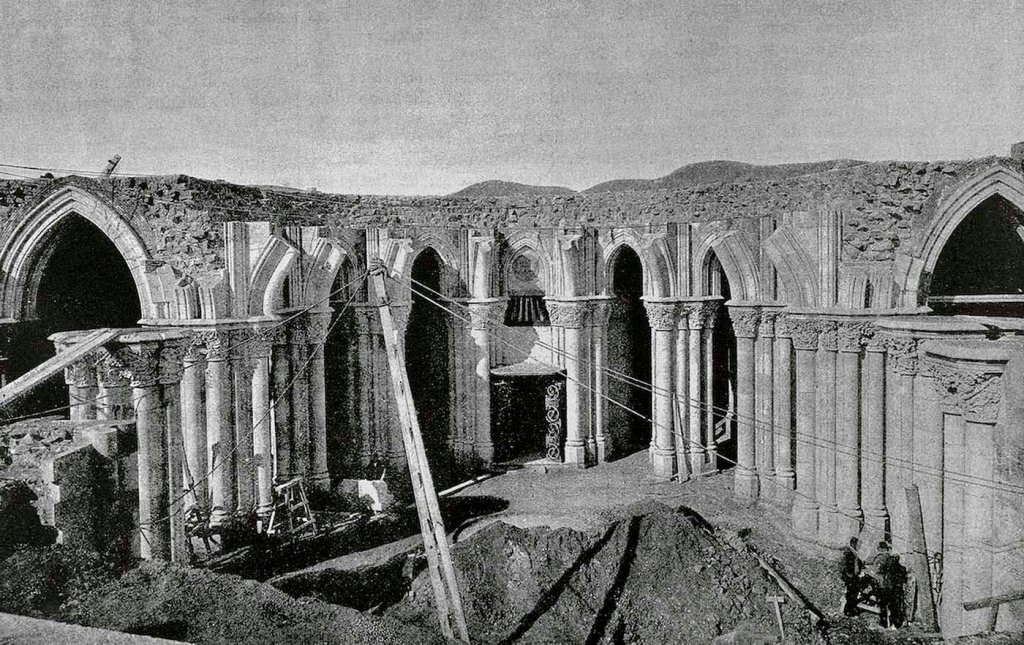
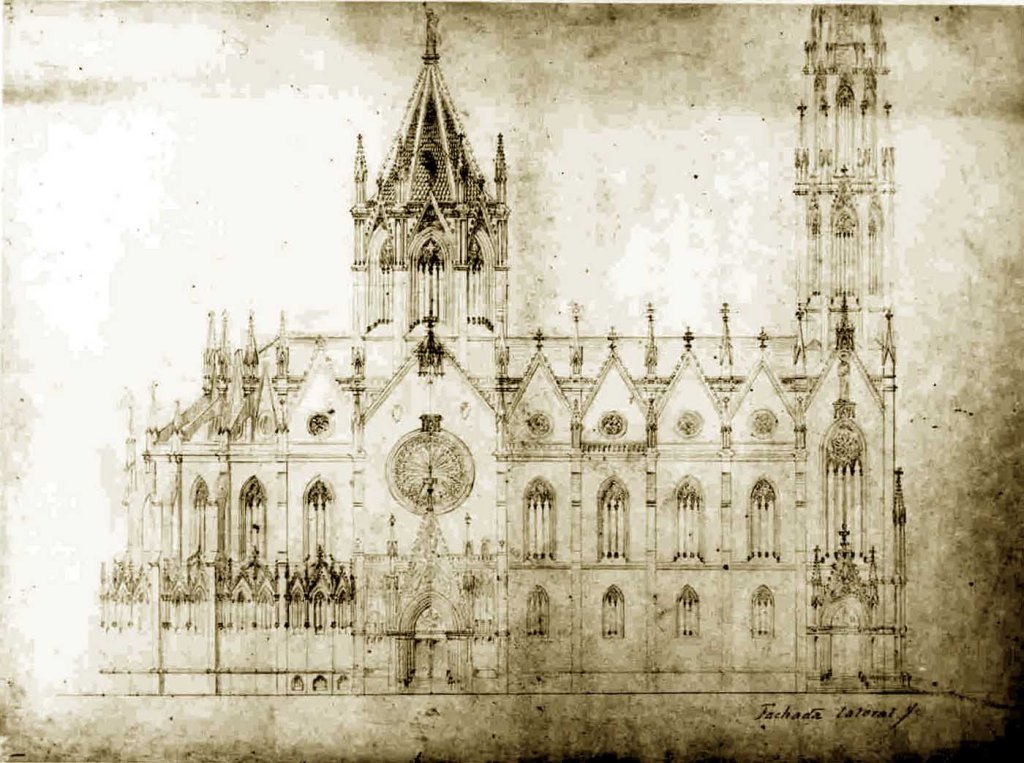
Antonio Gaudí embarked on a remarkable journey in 1883 when he first set out to design what he initially called the “church of the poor.” As an architectural enthusiast with a penchant for captivating designs, I found myself utterly fascinated by the intricate process that unfolded. Gaudí, renowned for his visionary creations in Barcelona, held an unwavering desire to craft something truly extraordinary—a vision that he would ultimately bring to life. In his later years, he bid farewell to all secular endeavors and devoted himself entirely to the awe-inspiring basilica known as La Sagrada Família, or the “Holy Family.”
For over four decades, Gaudí poured his heart and soul into this ambitious project, dedicating the final 15 years of his life to its realization. When asked about the seemingly endless duration of the construction, he would often jest, “My client is not in a hurry.” Together with a team of skilled artists, he meticulously supervised every aspect of the work until his tragic demise on June 7, 1926, when a city tram tragically claimed his life. To my astonishment, due to his disheveled appearance and empty pockets, several taxi drivers hesitated to offer him a ride, fearing he wouldn’t be able to pay the fare.
Eventually, Gaudí found himself in a pauper’s hospital in Barcelona, his true identity hidden from everyone until a concerned friend recognized him the following day. Despite attempts to transfer him to a more suitable facility, the great architect refused, declaring, “I belong here among the poor.” Two days later, Gaudí breathed his last breath, and he was laid to rest in the crypt beneath his unfinished masterpiece, the Sagrada Família.
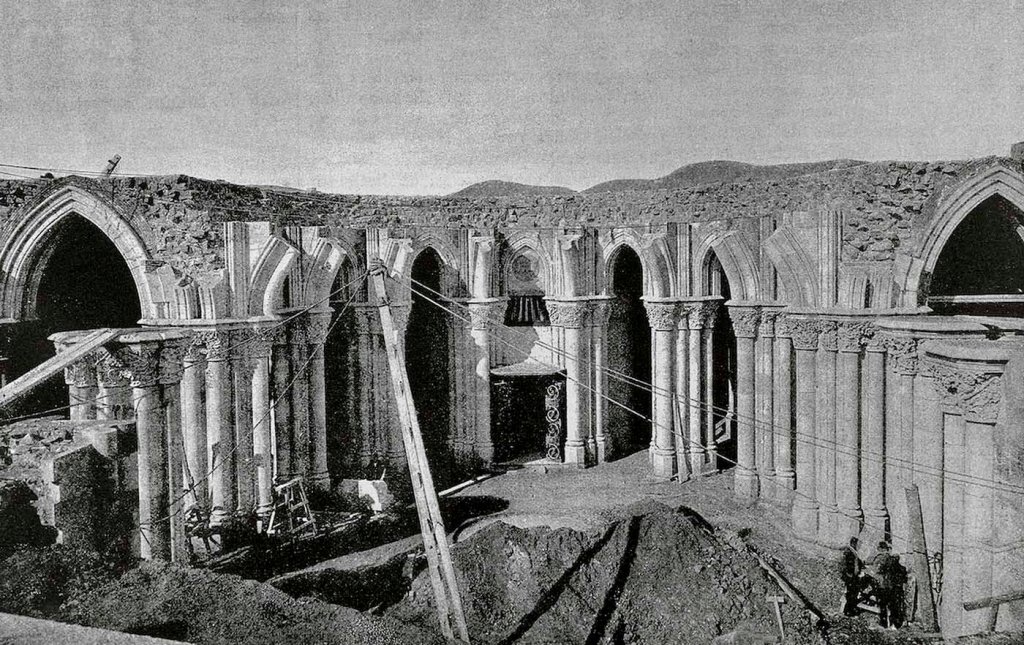
The genesis of this church traces back to Josep Maria Bocabella, the visionary founder of the spiritual Association of Devotees of Saint Joseph. In an era marked by social and religious turmoil in Spain, Bocabella sought to foster Catholic values. Antonio Gaudí, driven by this profound objective, conceived the Sagrada Família as a sanctuary dedicated to the Holy Family. His intention was to forge a spiritual connection between the common people and God. Every meticulous detail, from the carefully chosen colours to the elaborate sculptures, brimmed with profound religious symbolism.
As Gaudí delved into the conceptualization of the church, his inspiration emerged from the nearby Montserrat, a renowned pilgrimage destination perched atop a rugged peak. The church’s three grand façades—birth, death, and resurrection—embody his profound vision. Every element of the design resonates with mystical Christian symbolism, for Gaudí envisioned the Sagrada Família as the “last great sanctuary of Christendom.”
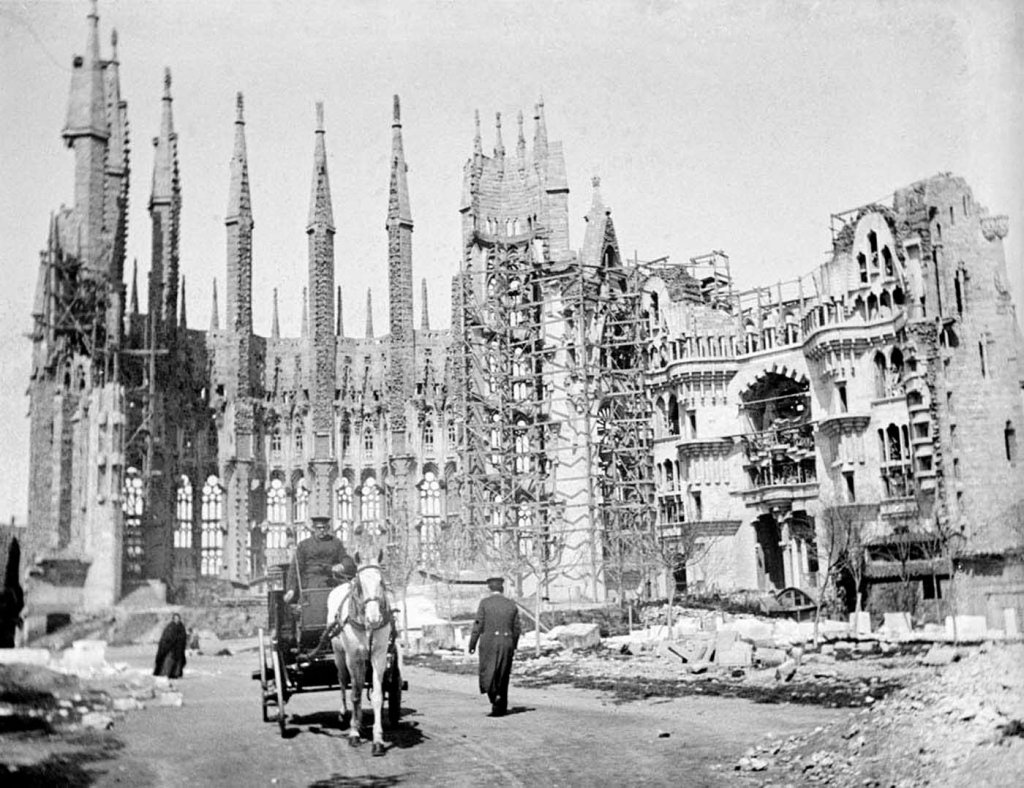
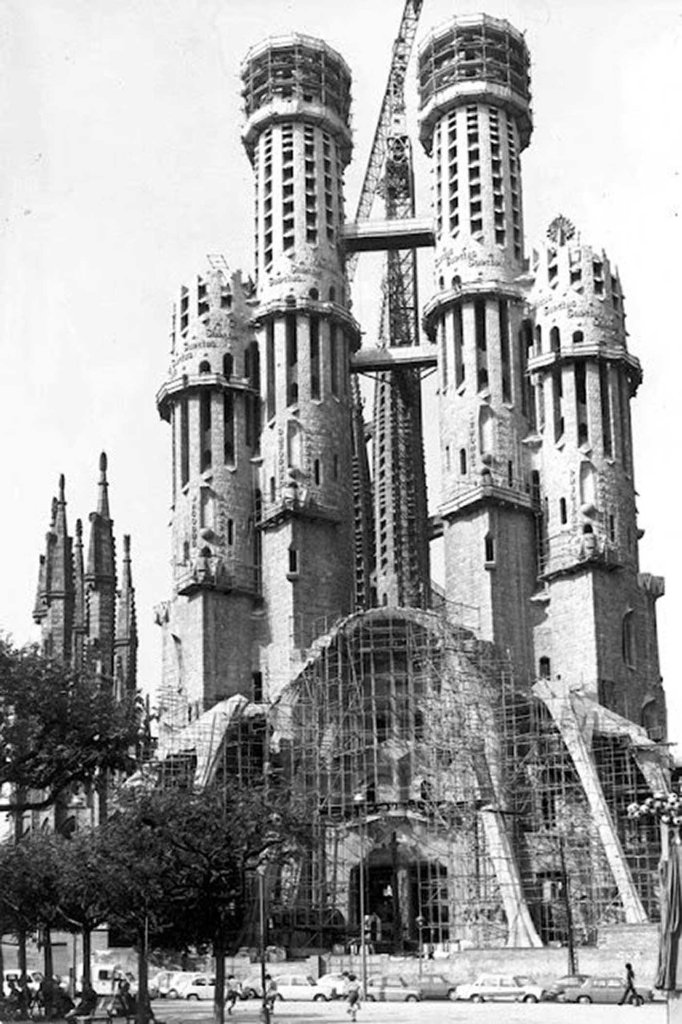
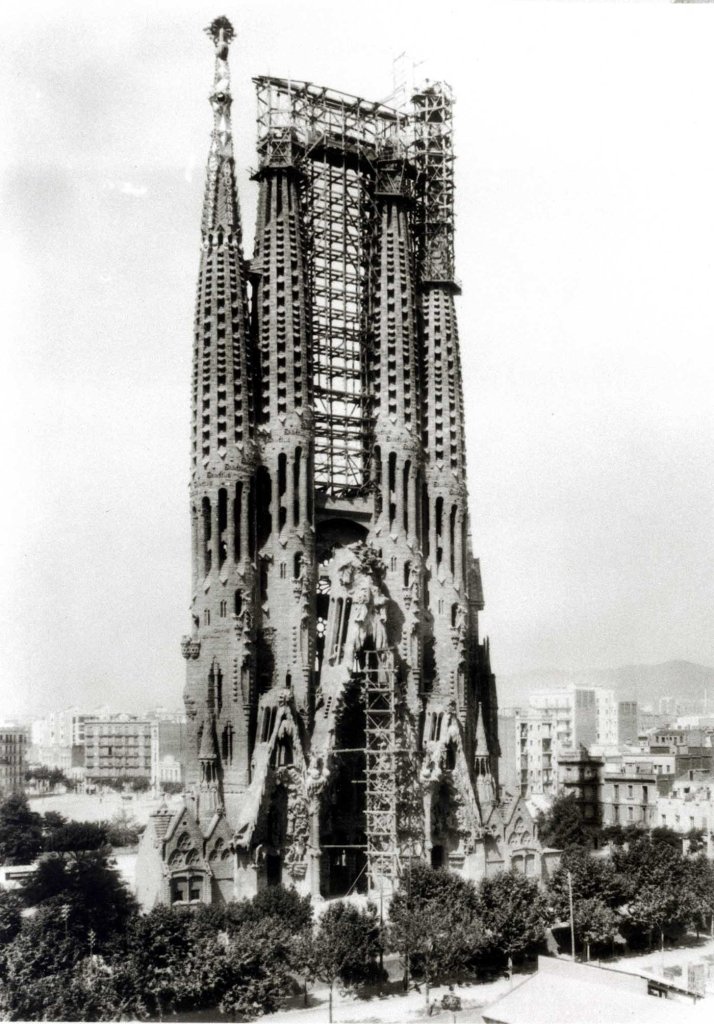
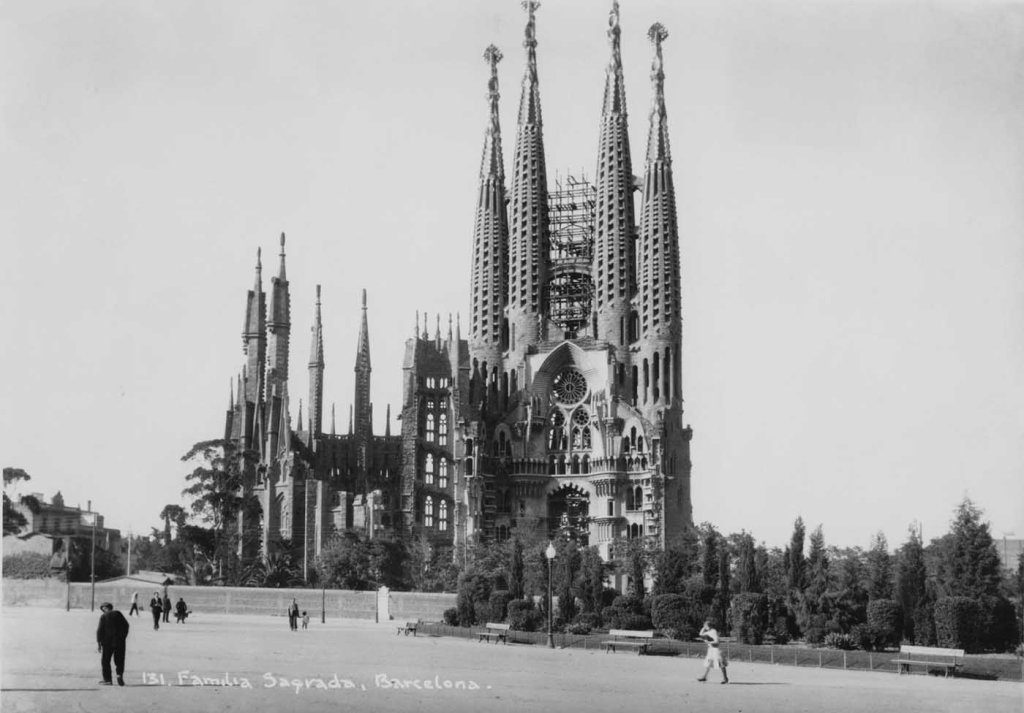
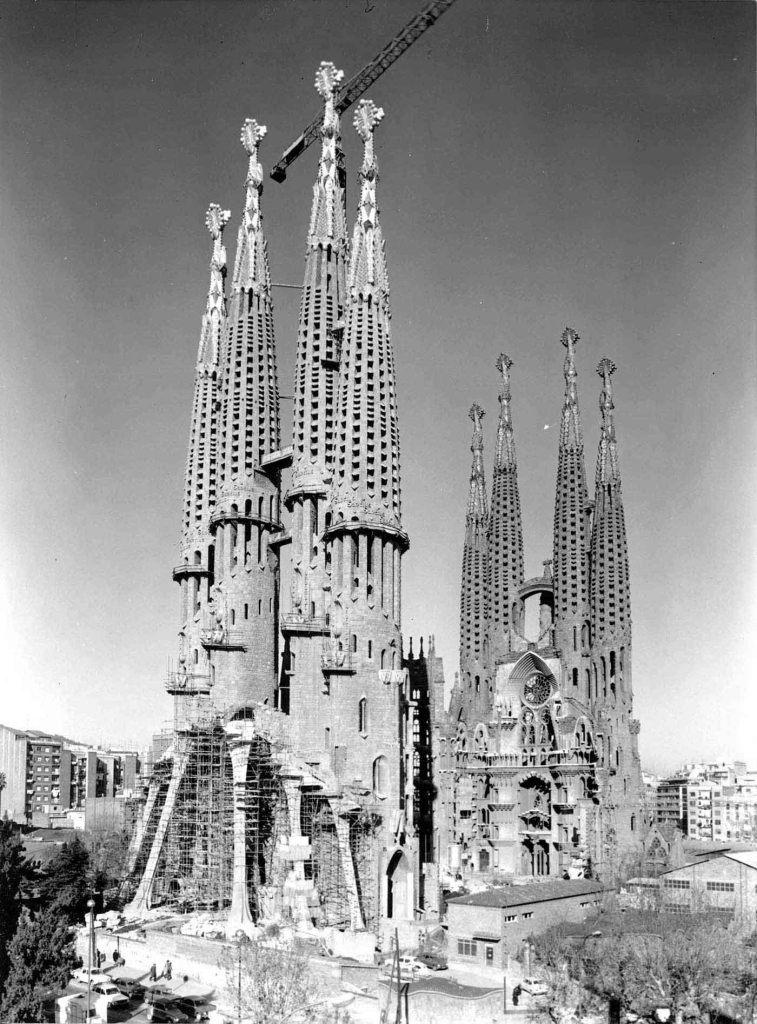
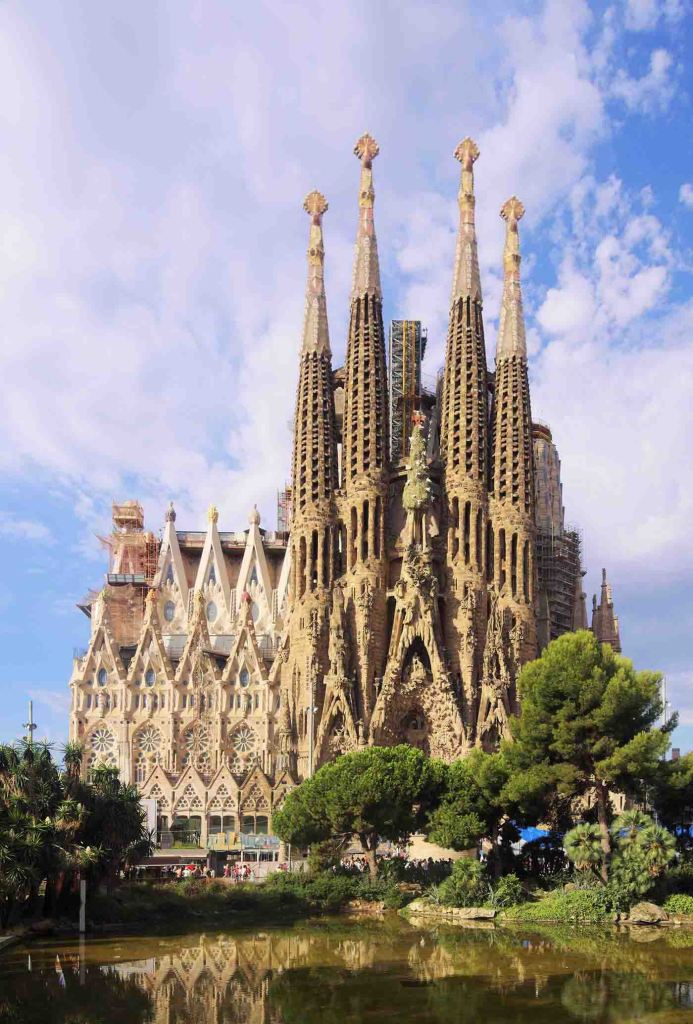
Undoubtedly, the most breathtaking feature of the Sagrada Família lies in its spindle-shaped towers. Eighteen majestic towers grace the final design, ascending in height to represent the 12 Apostles, the four Evangelists, the Virgin Mary, and, towering above all, Jesus Christ himself.
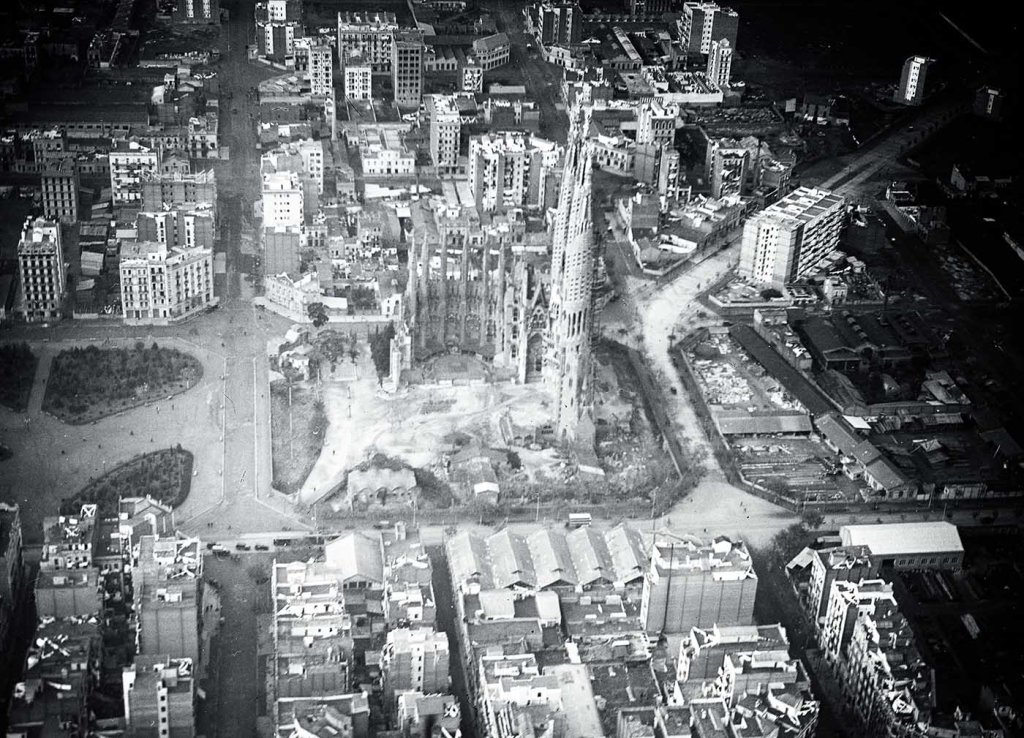
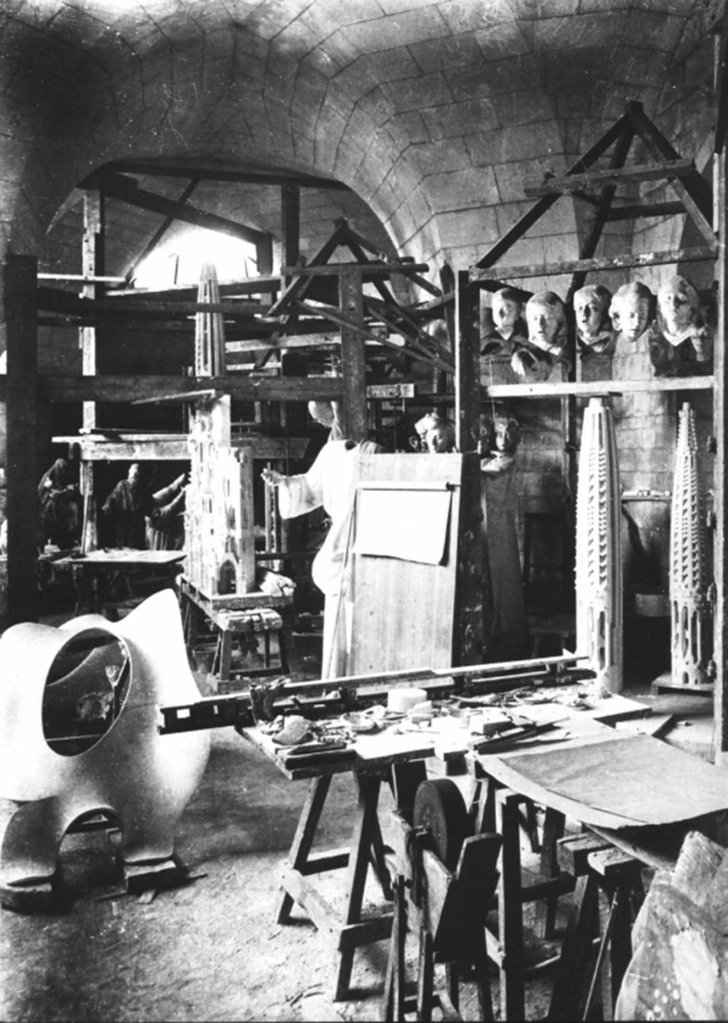
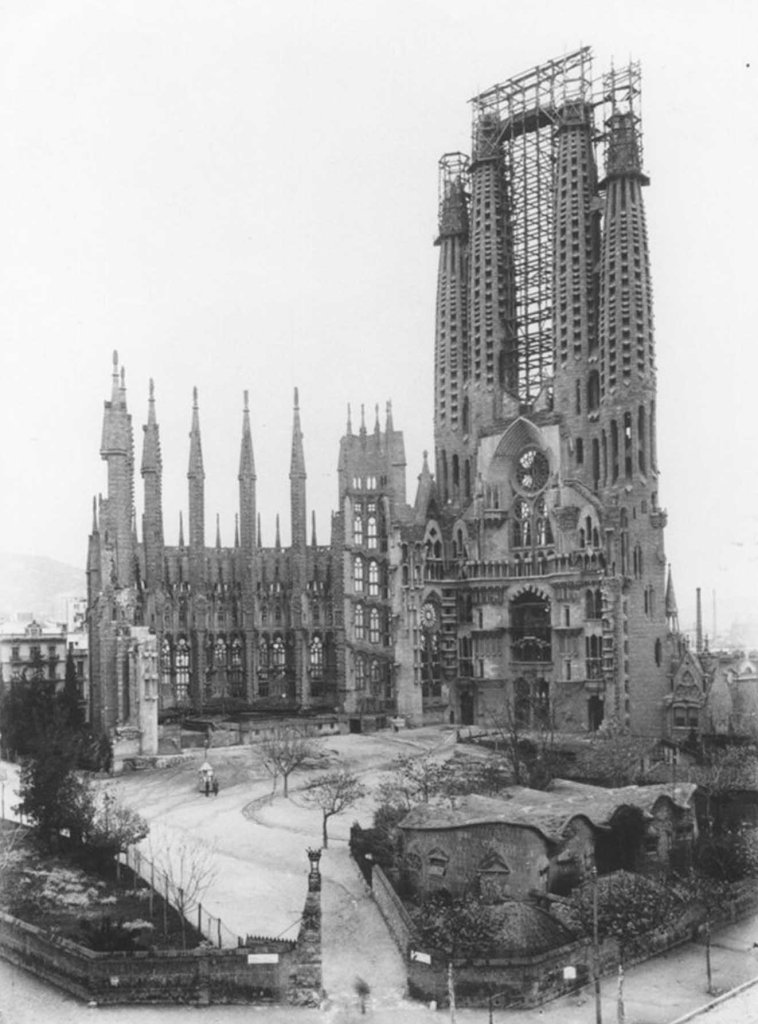
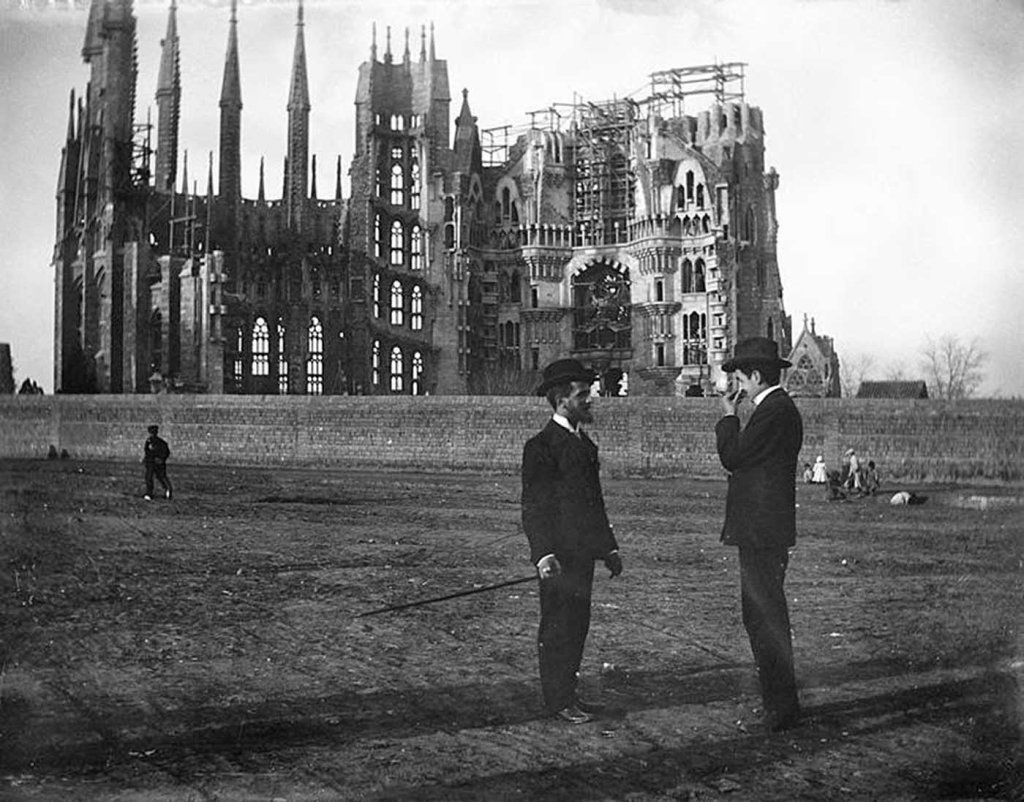
Yet, the construction of the Sagrada Família advanced slowly, hampered by the tumultuous Spanish Civil War. In July 1936, revolutionaries set fire to the crypt and breached the workshop, causing irreparable damage to Gaudí’s original plans, drawings, and plaster models. This catastrophe necessitated 16 arduous years to meticulously reconstruct the fragments of the master model.
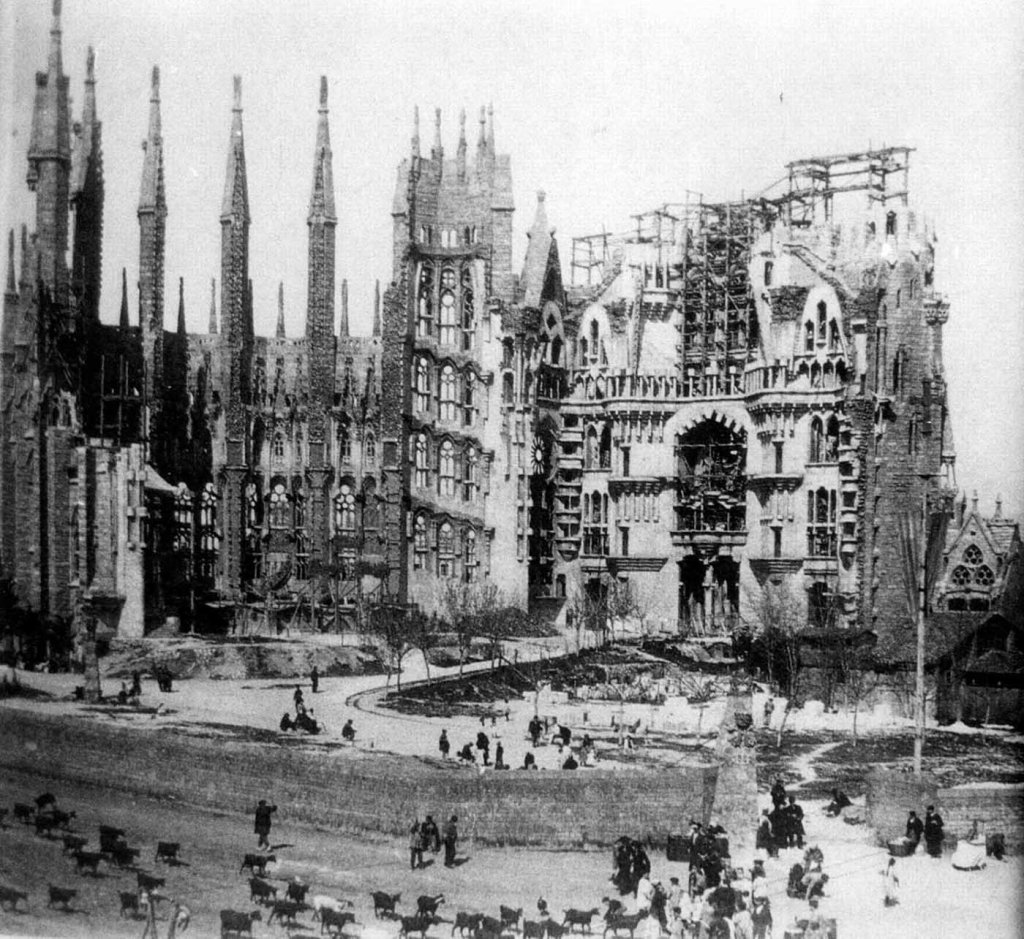
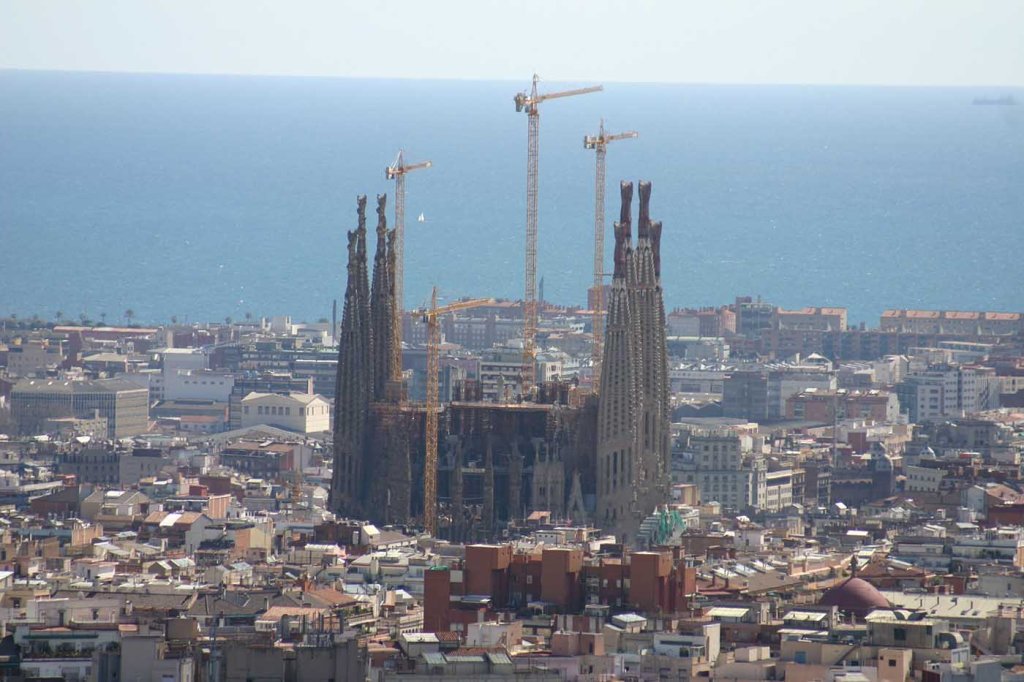
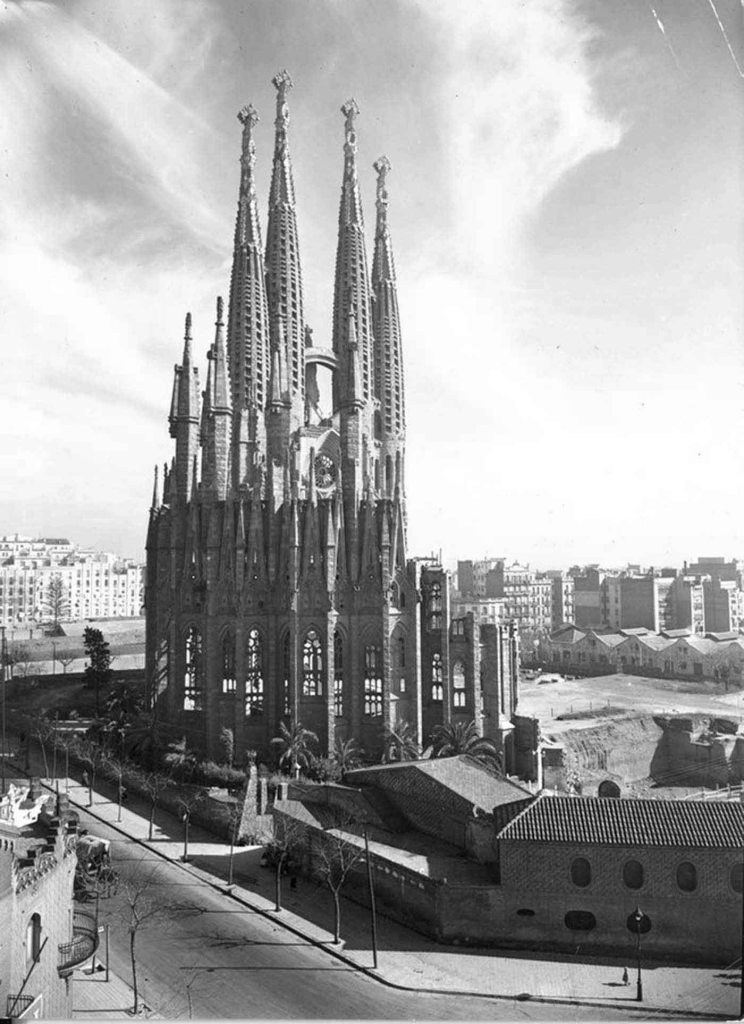
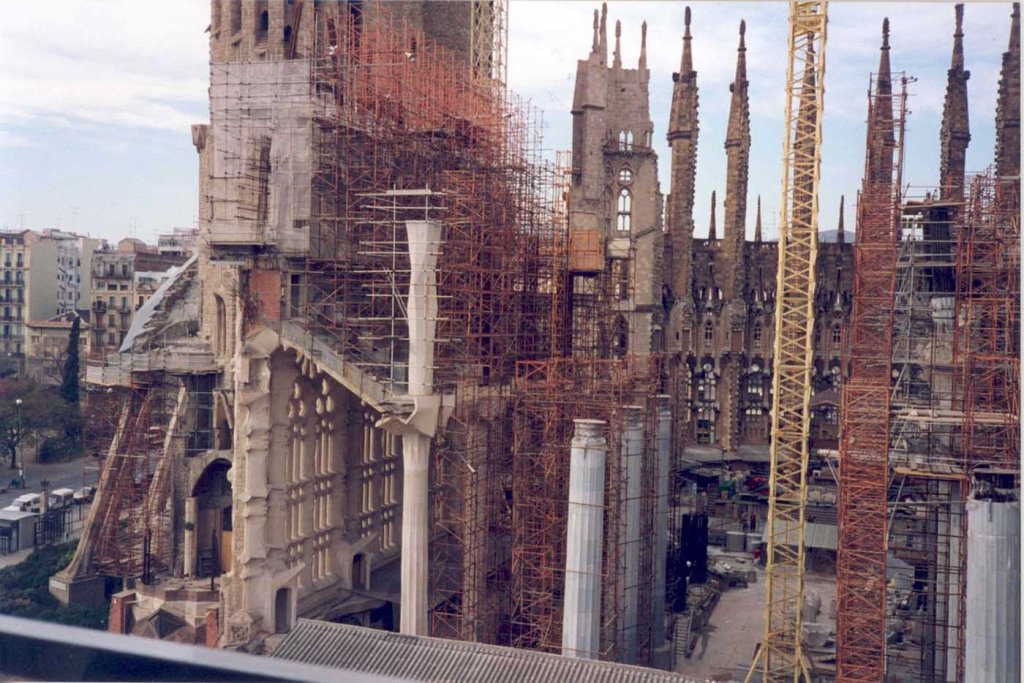
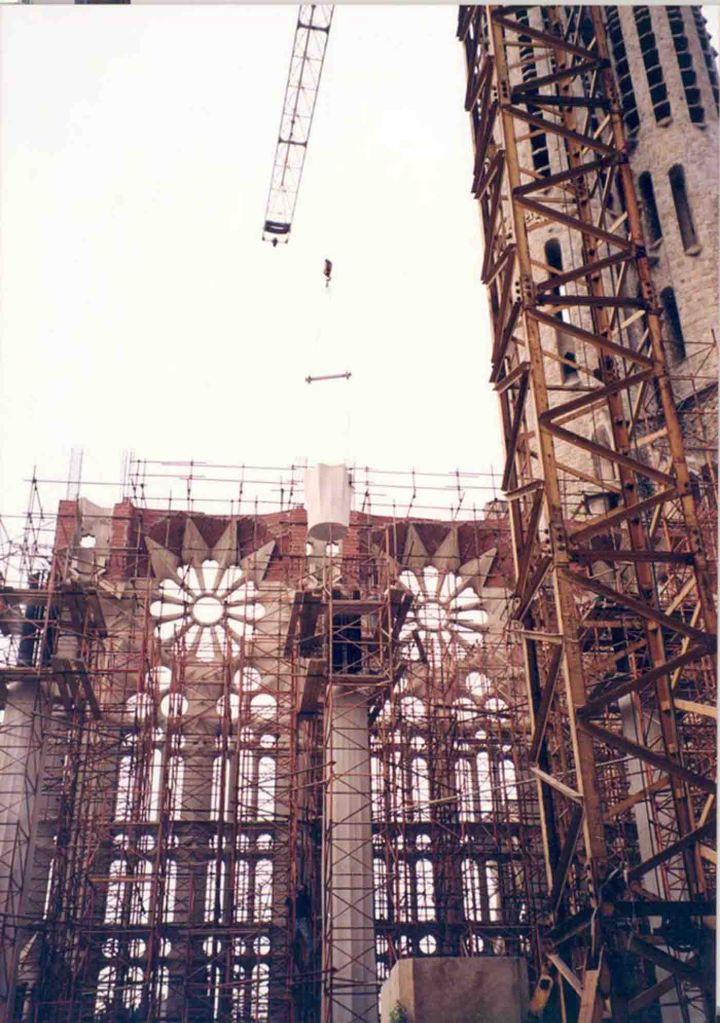
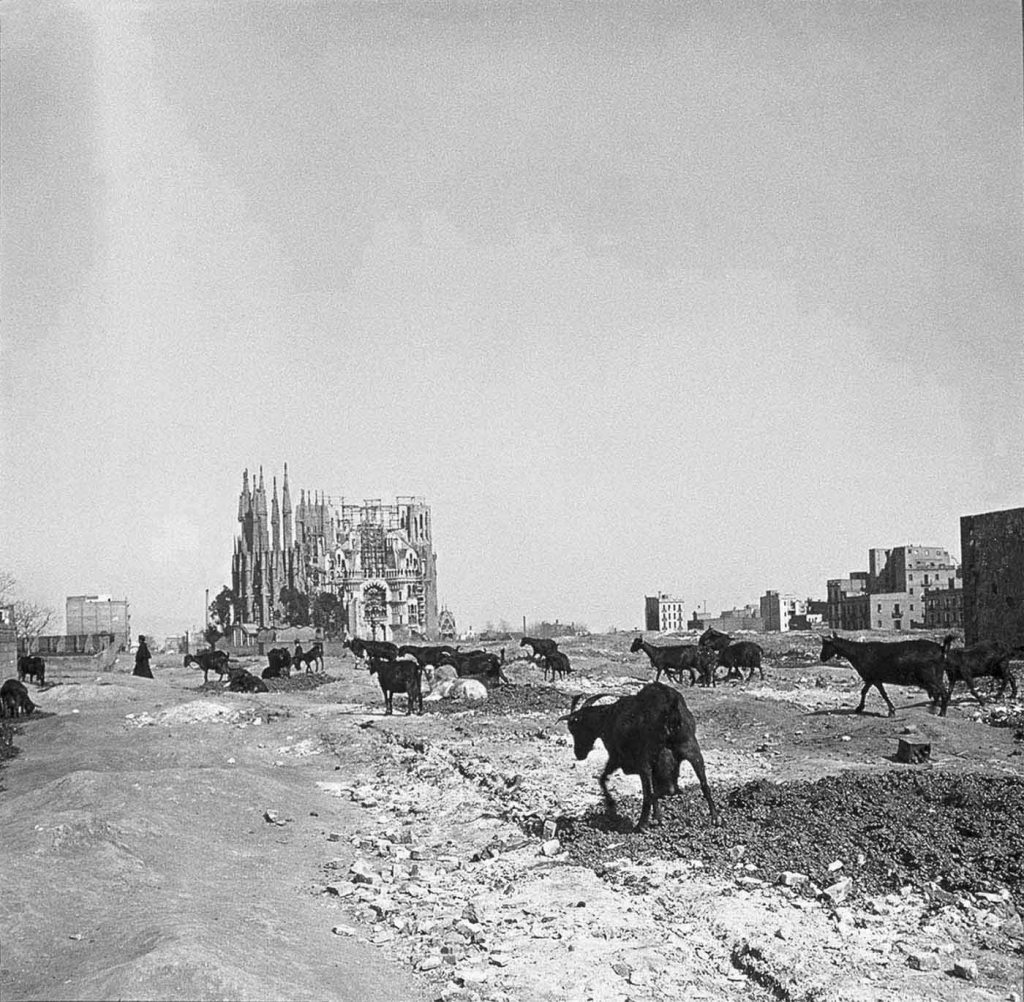
Presently, the Sagrada Família remains an ongoing endeavour, its completion a distant horizon. The vast structure relies solely on personal donations, just as the original concept demanded. It is the millions of yearly visitors who predominantly finance the continuous construction of the Sagrada Família, each contributing a small piece to this grand architectural symphony.
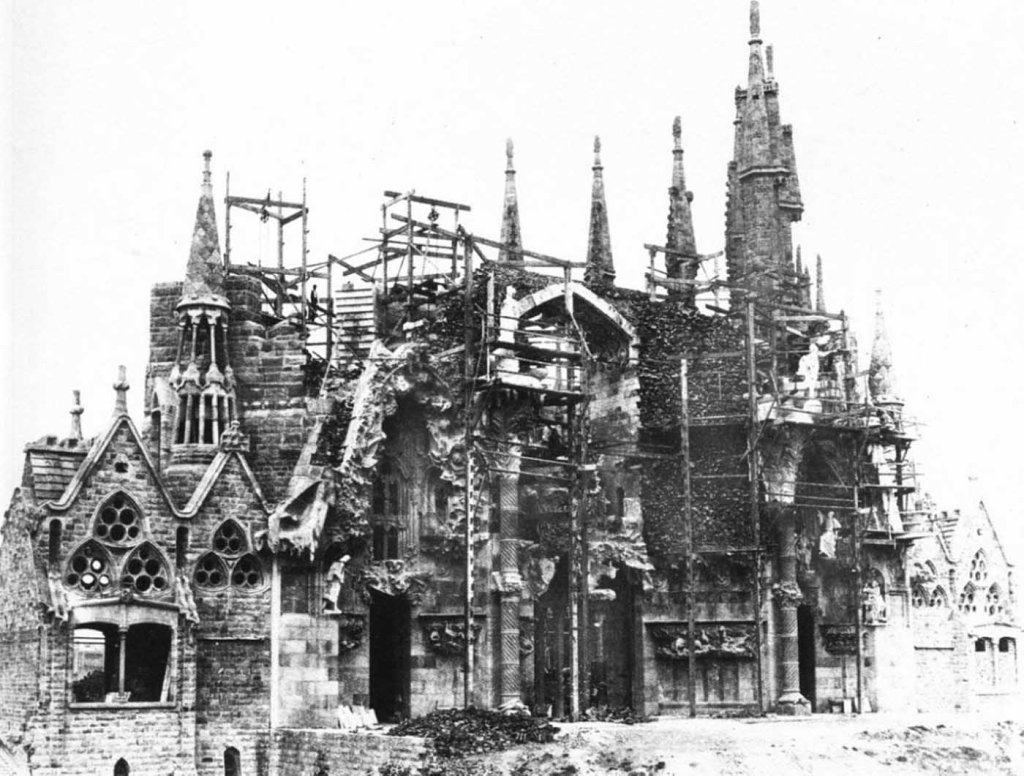
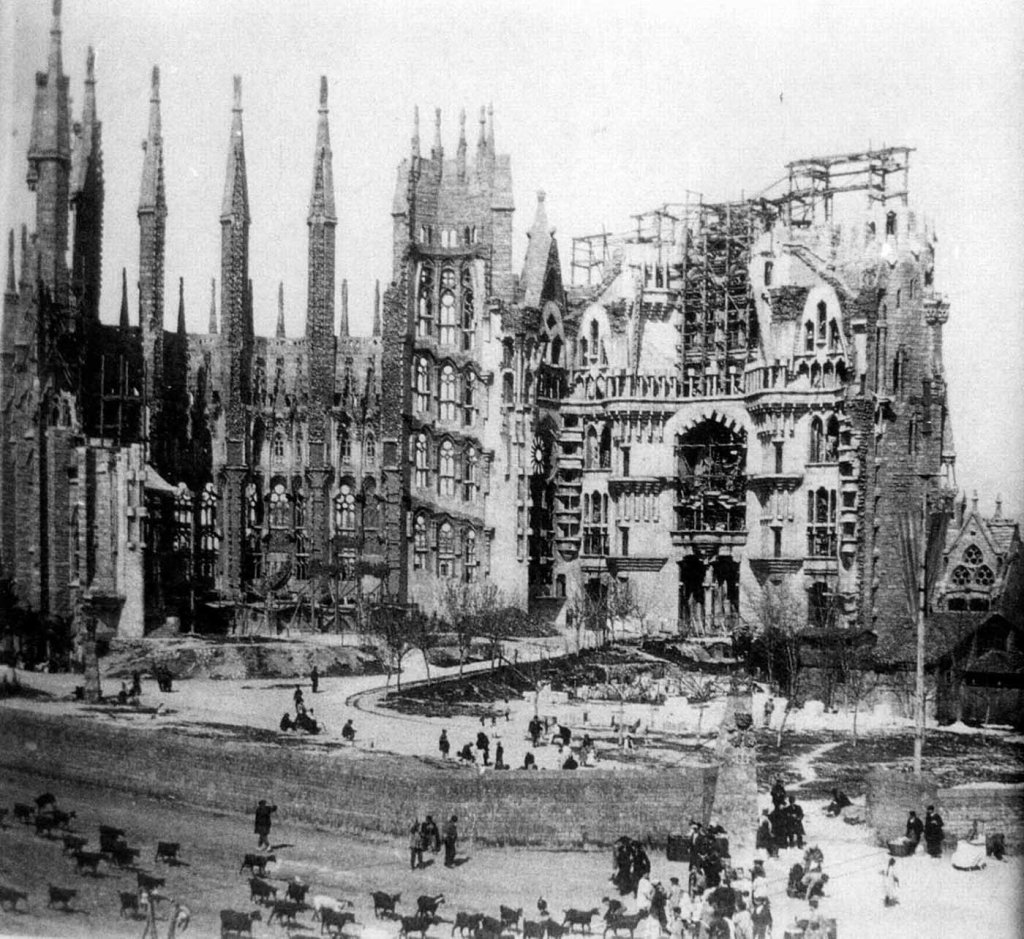
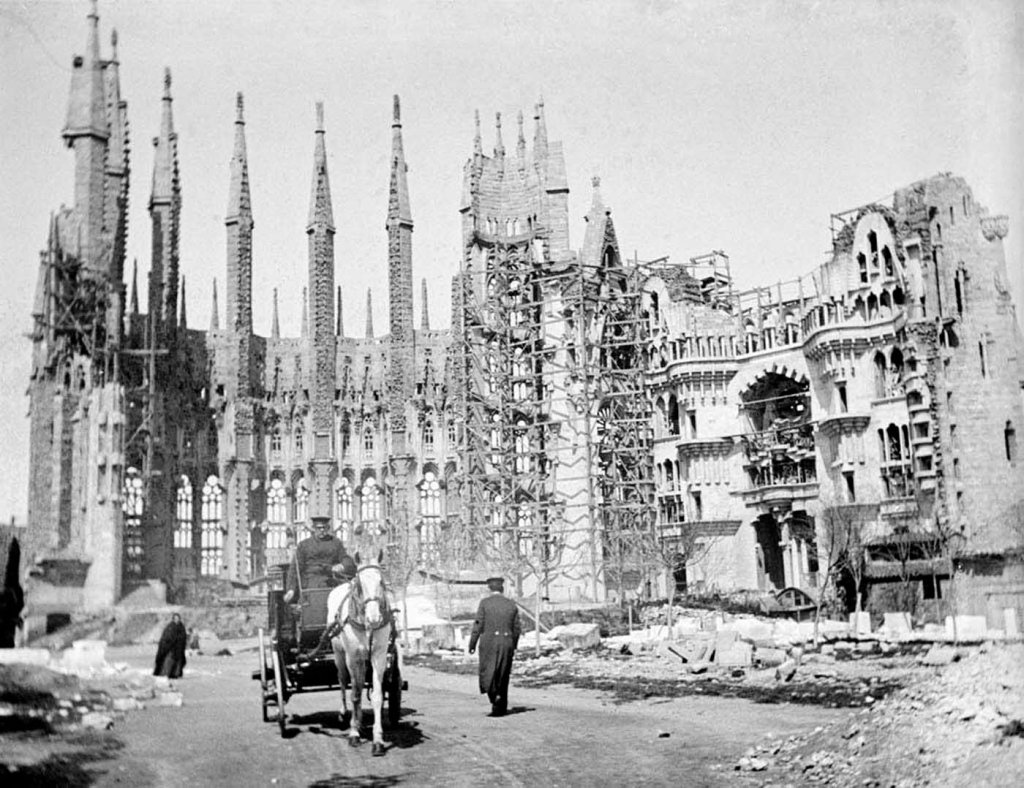
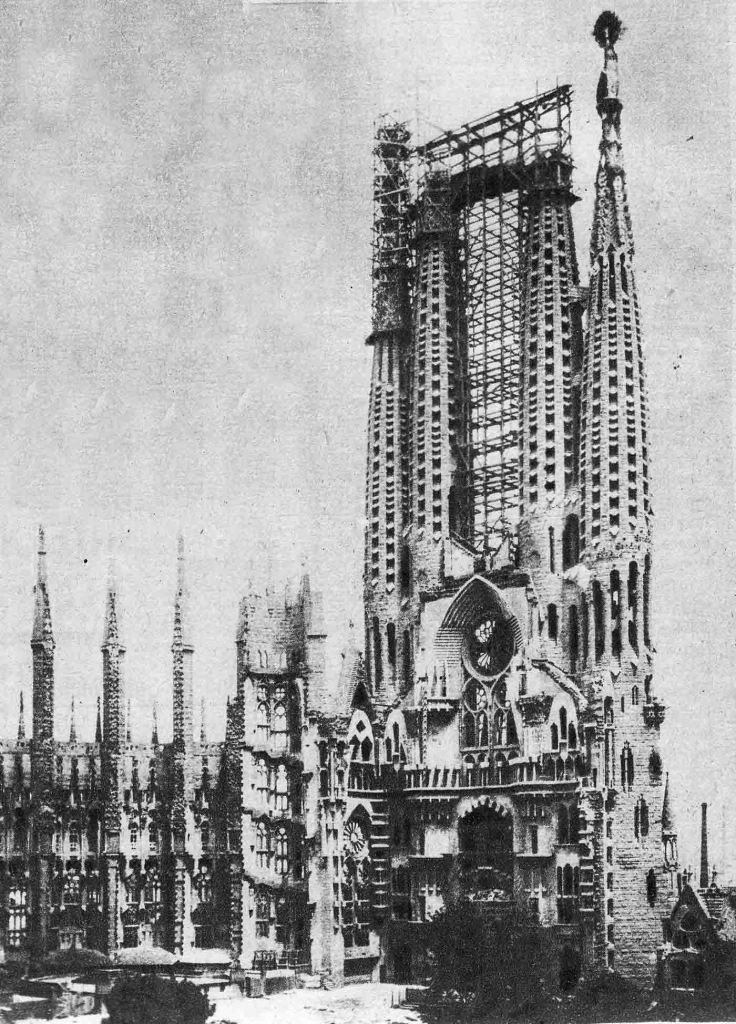
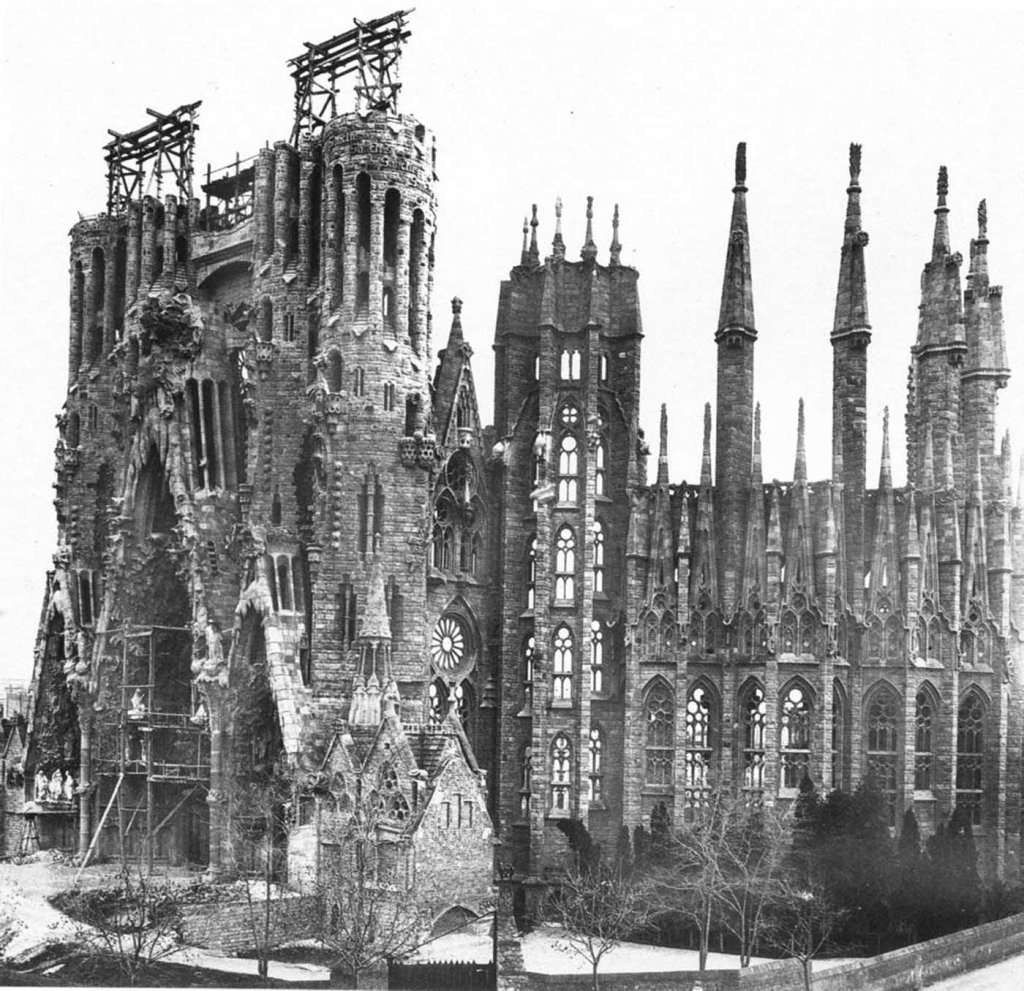
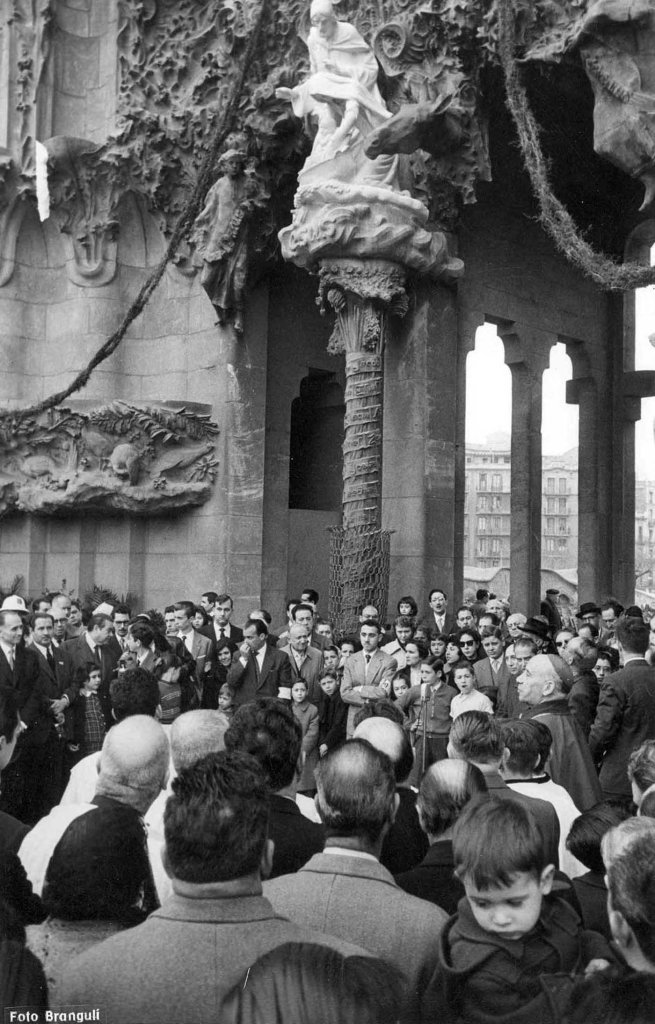
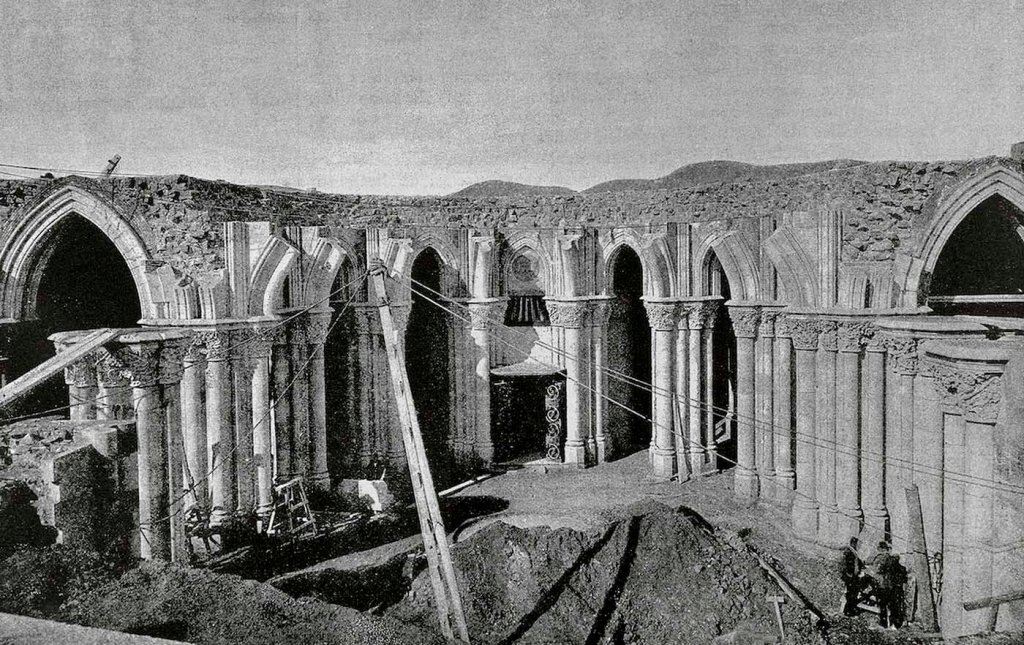
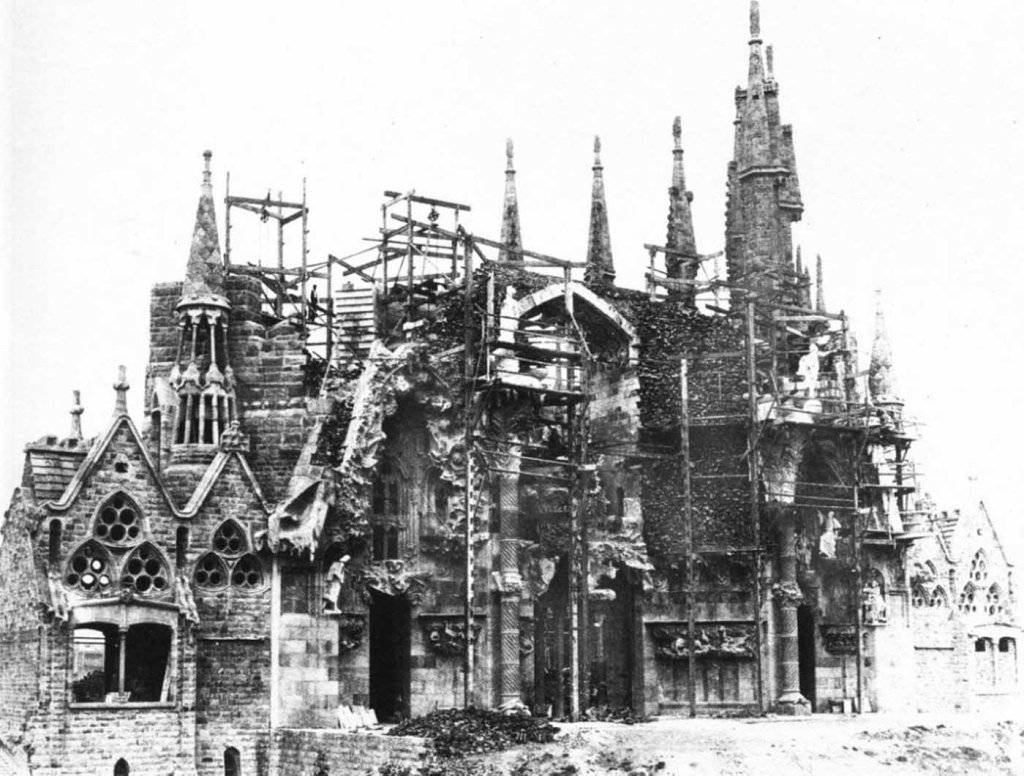
Allow me to delve into the mesmerizing design concepts behind the Sagrada Família. The church boasts three grand façades: the Nativity façade to the East, the Passion façade to the West, and the Glory façade to the South, still awaiting completion. The Nativity Façade, embodying the most direct influence of Gaudí, was erected before work was interrupted in 1935.
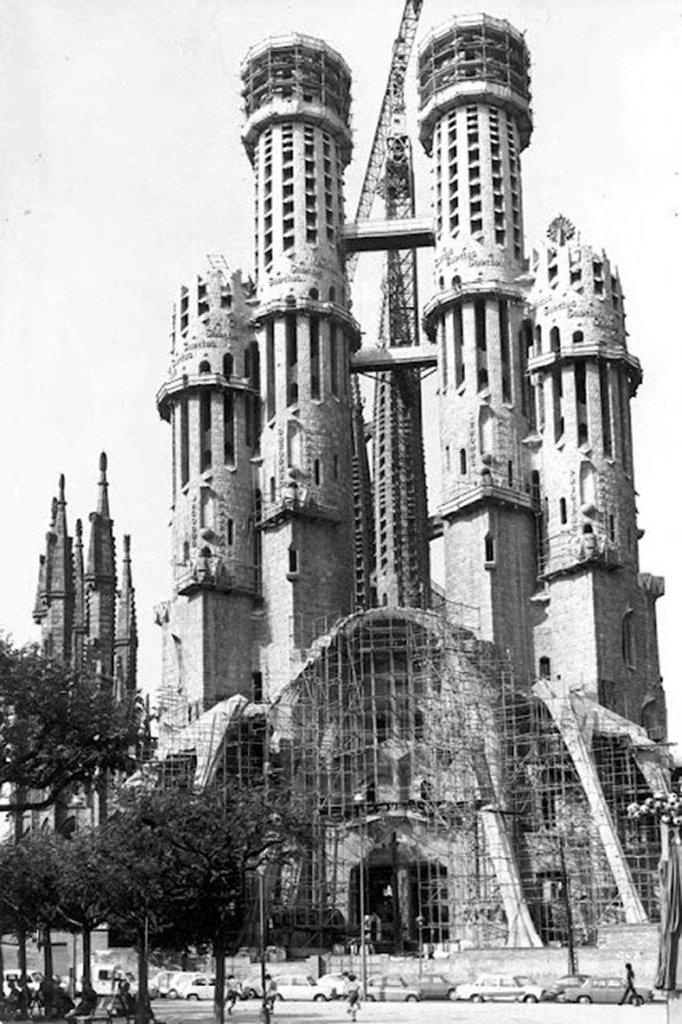
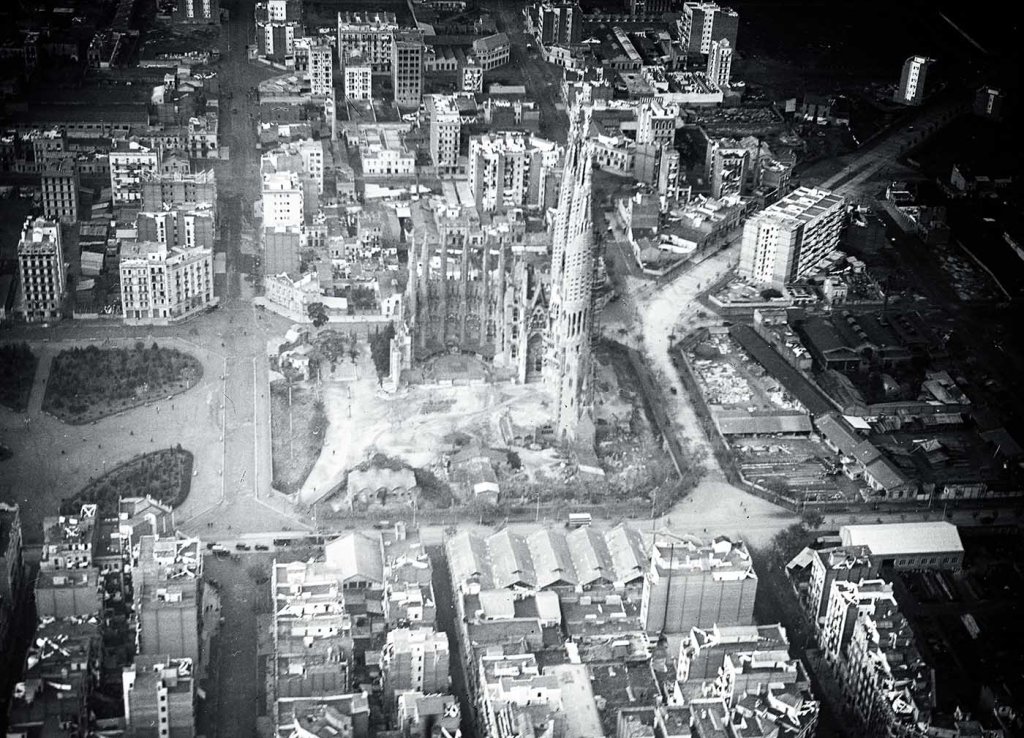
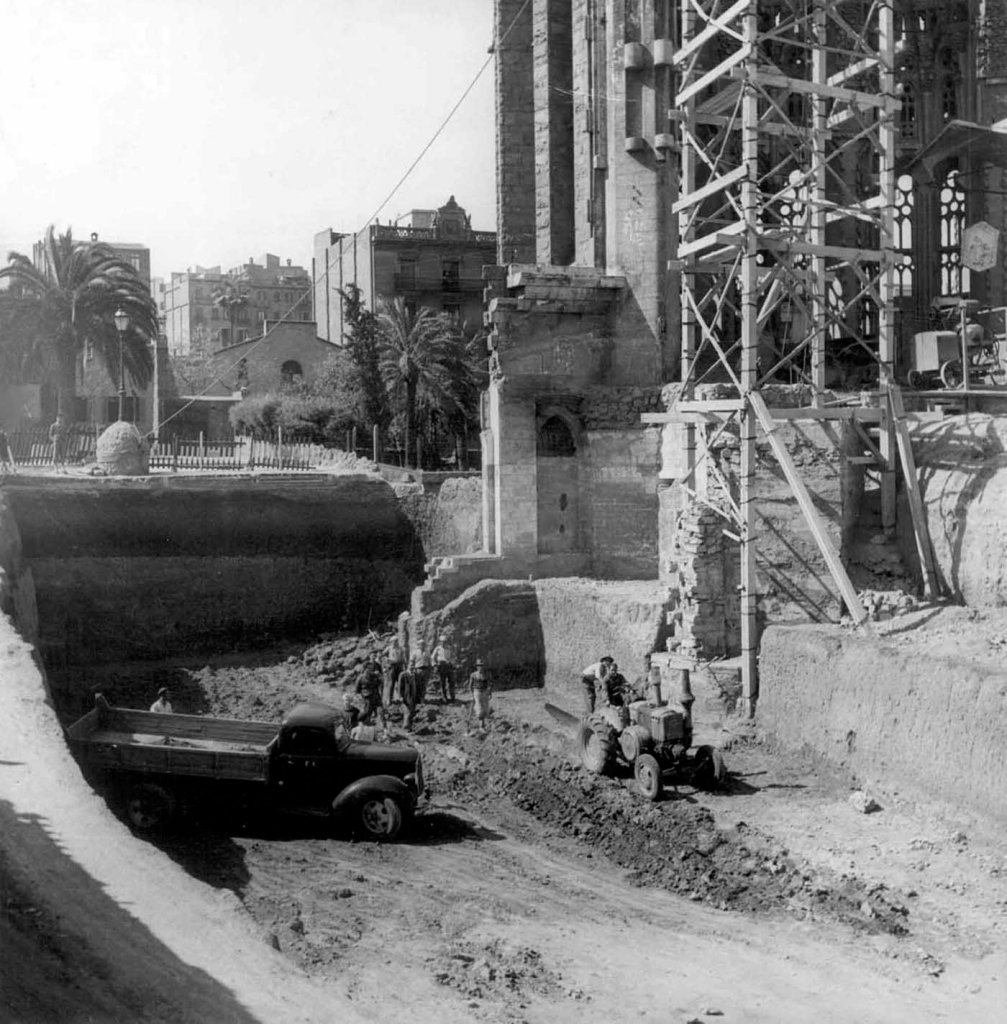
The Passion façade, constructed according to Gaudí’s 1917 design, commenced in 1954, with the stately spires adorning the elliptical plan completed in 1976. Notably, this façade captivates with its austere, anguished figures, including emaciated depictions of Christ enduring the scourging at the pillar and the crucifixion. These striking and, at times, controversial designs emerged under the artistic guidance of Josep Maria Subirachs.
The Glory façade, a project that commenced in 2002, is destined to become the largest and most monumental of the three. It will embody the ascent to God and will artfully depict scenes encompassing Hell, Purgatory, and a symbolic representation of the Seven deadly sins and the Seven heavenly virtues.
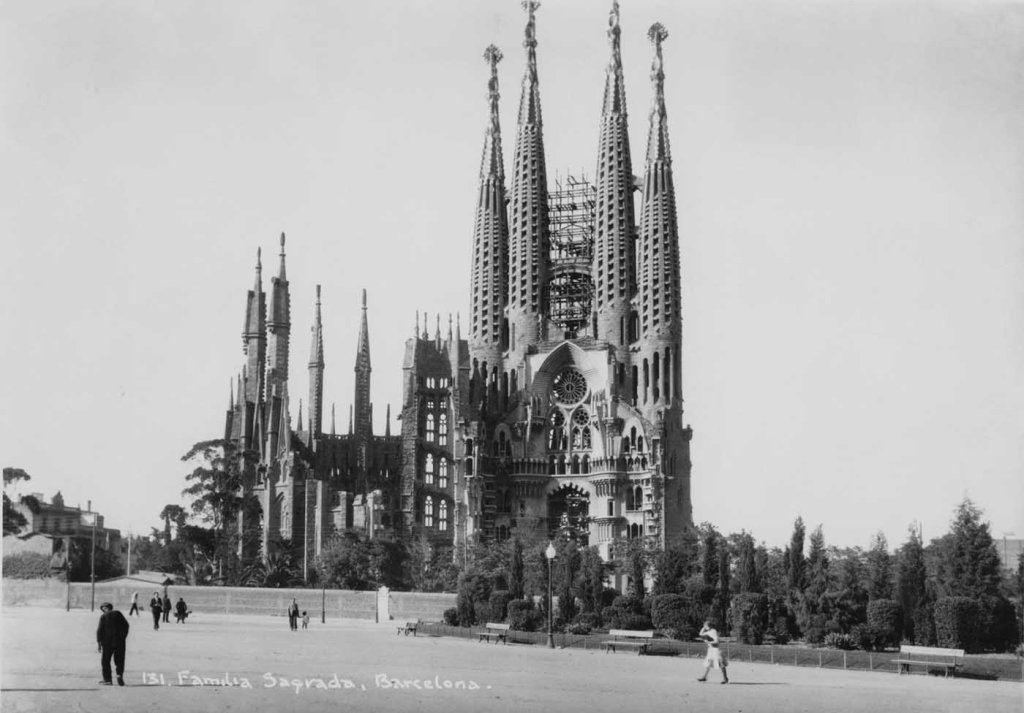
Throughout the embellishments, fragments of liturgical words emerge as recurring themes. The towering spires bear ornate inscriptions such as “Hosanna,” “Excelsis,” and “Sanctus.” The grand doors of the Passion façade feature excerpts from the New Testament’s Passion of Jesus in multiple languages, predominantly Catalan.
The Glory façade, resplendent in its magnitude, will be adorned with verses from the Apostles’ Creed, while its primary portal will showcase the complete Lord’s Prayer in Catalan, surrounded by numerous iterations of “Give us this day our daily bread” translated into other languages.
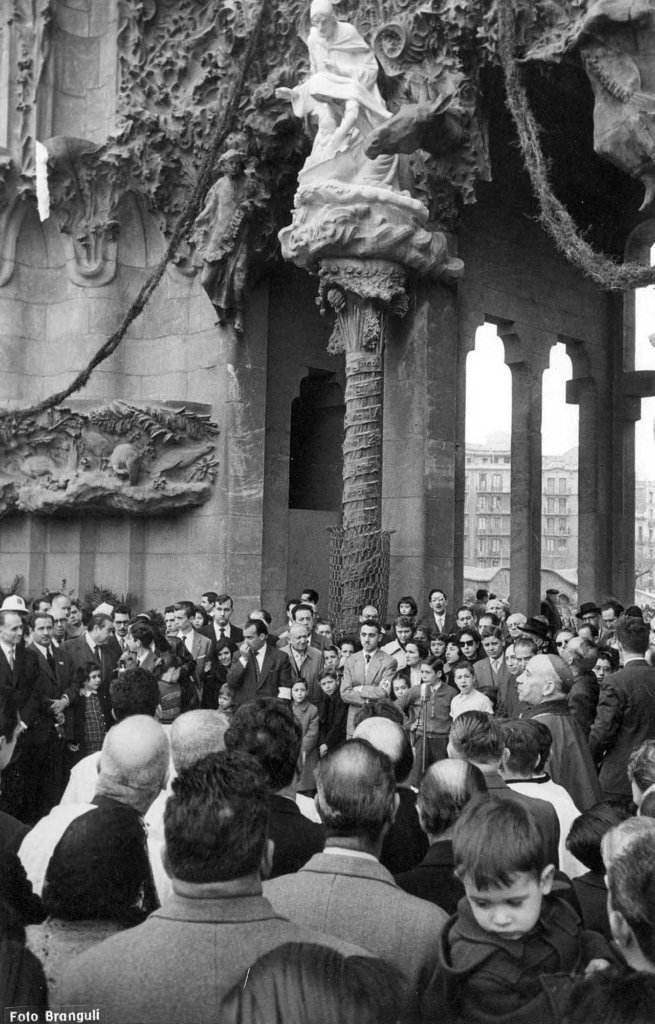
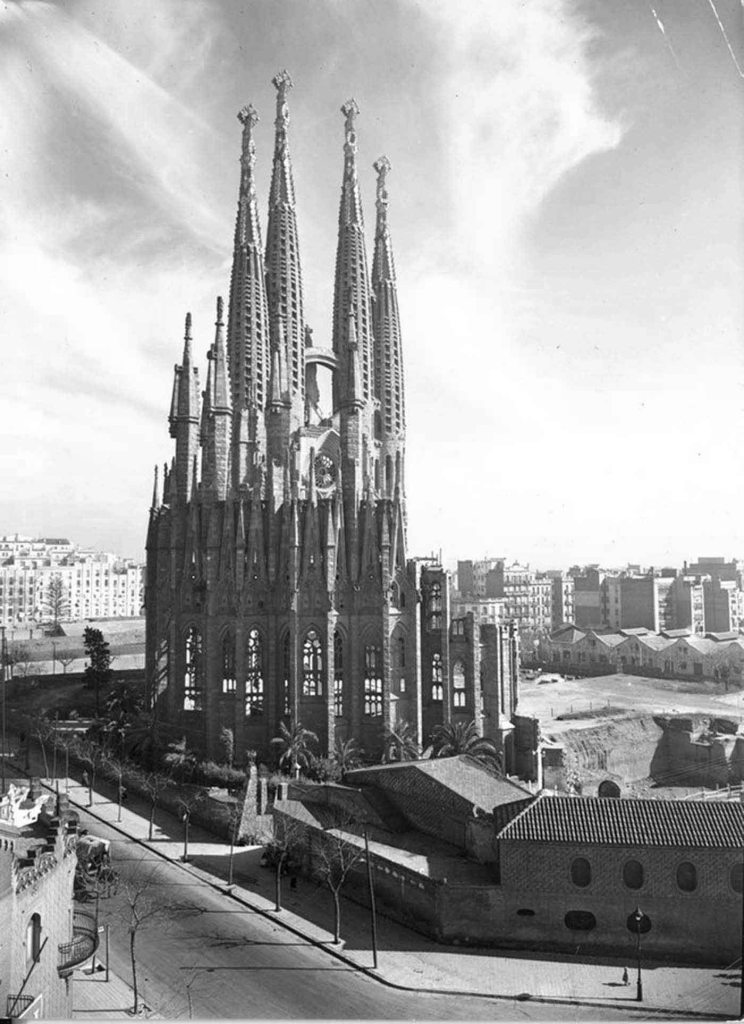
Symbolism imbues every facet of the Sagrada Família’s design, extending to its three entrances that embody the virtues of Faith, Hope, and Love, each dedicated to a particular phase of Christ’s life. The Nativity Façade represents his birth and features a cypress tree symbolizing the tree of life. The Glory façade represents his period of glory, and the Passion façade poignantly embodies his suffering. Additionally, the apse steeple bears the Latin text of the Hail Mary, a testament to the all-encompassing symbolism encapsulated within the Sagrada Família.

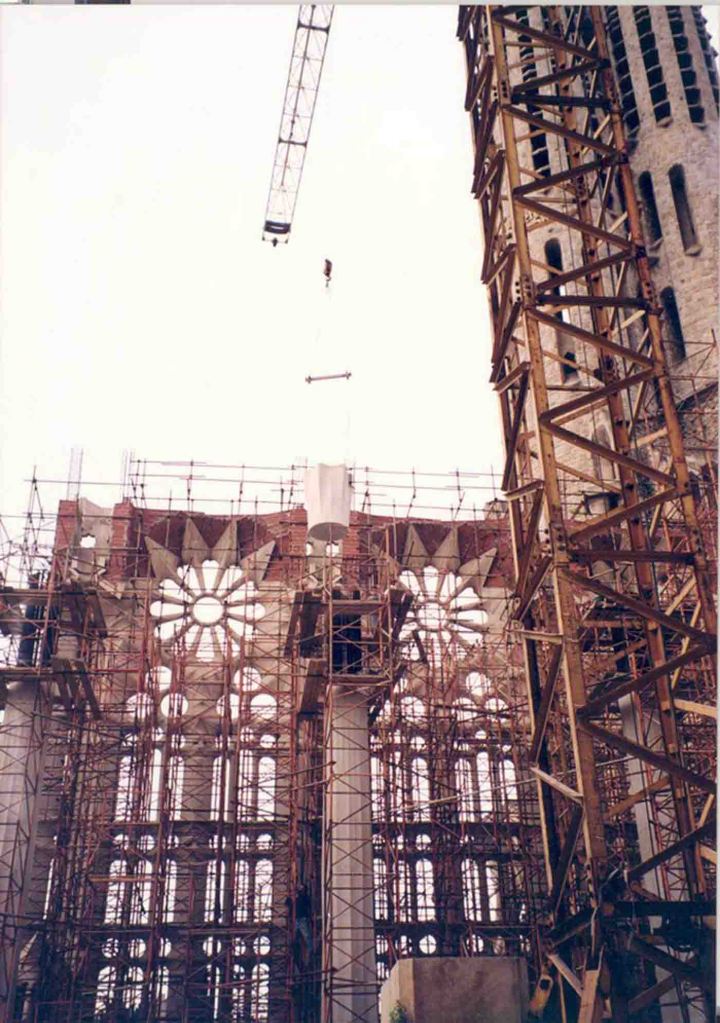
Opinions on the building’s design have been as diverse as the architectural vision itself. Gaudí’s fellow architects generally applauded his innovative approach, with Louis Sullivan describing the Sagrada Família as the “greatest piece of creative architecture in the last twenty-five years—a stone embodiment of spirit!” Walter Gropius commended the structure, marveling at its “technical perfection.” Time magazine hailed it as “sensual, spiritual, whimsical, and exuberant.”

Yet, amidst the acclaim, dissenting voices emerged. Author and critic George Orwell deemed it “one of the most hideous buildings in the world,” while James A. Michener found it to be “one of the strangest-looking serious buildings in the world.” British historian Gerald Brenan lamented the structure’s alleged vulgarity and pretentiousness.
Nonetheless, the Sagrada Família’s iconic silhouette has come to symbolize Barcelona itself, attracting an estimated three million visitors annually who flock to witness this architectural marvel firsthand. Standing in awe before its majestic towers and intricate details, one cannot help but be captivated by the transcendent beauty and unwavering dedication that converge within the heart of this unfinished masterpiece.
 NOMAD SKETCHBOOK