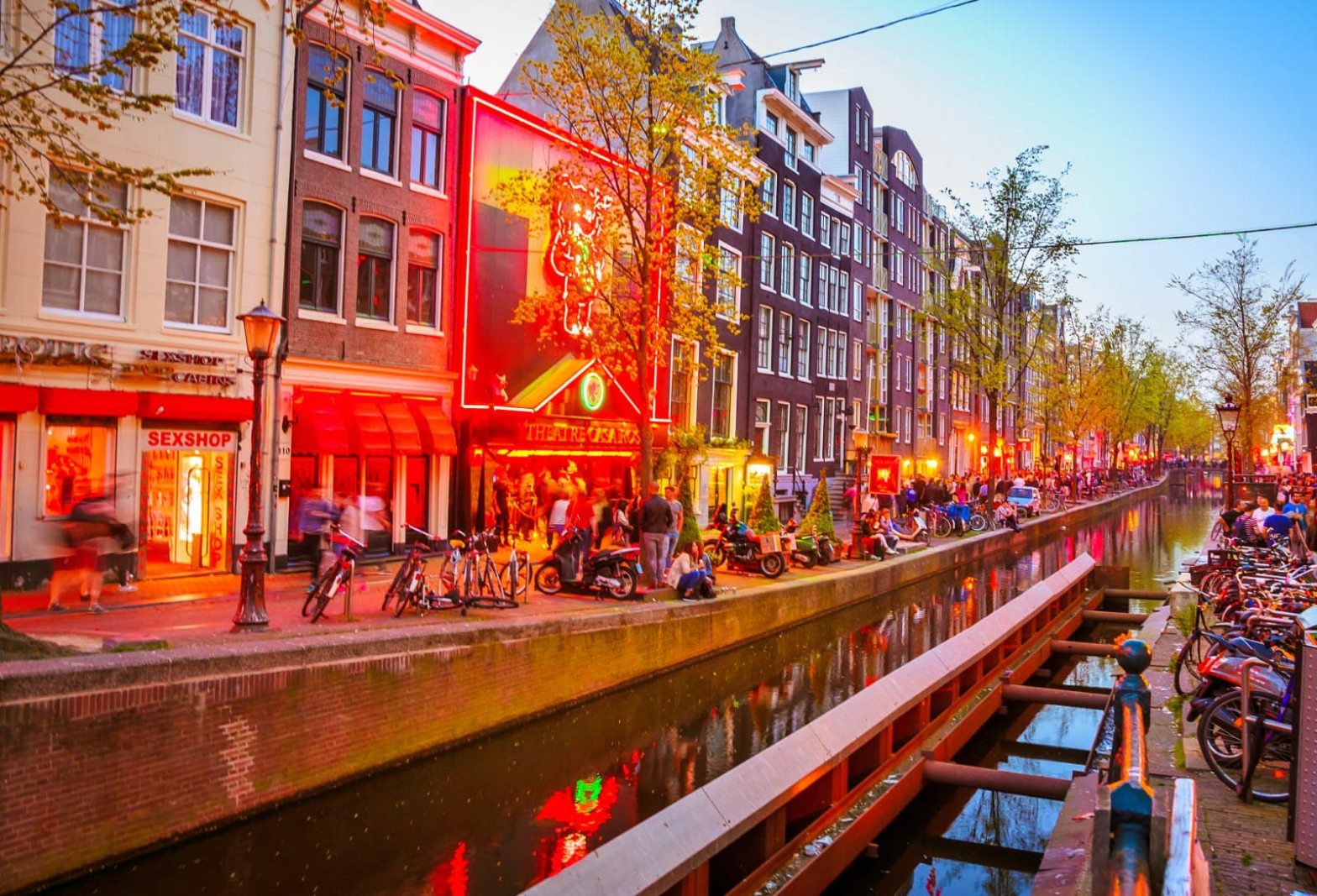
From Tobita Shinchi in Osaka to Amsterdam’s Red Light District: A Cultural Exploration of the Architecture of Sex Work
The architecture of sex work is a complex and fascinating subject that encompasses a multitude of cultural, social, and historical factors. From the neon-lit brothels of Amsterdam’s Red Light District to the discreet massage parlours of Thailand, the design and structure of sex work spaces offer a unique lens through which to explore the intersection of pleasure, desire, and urban environments. Yet, behind the façade of these spaces lies a world of contradictions and complexities, where societal norms clash with individual desires and the built environment becomes a stage for erotic performances. In this blog, we delve into the architecture of sex work, exploring the unique design features and cultural contexts of these spaces while contemplating the deeper implications of the built environment on human sexuality.
The architecture and design of sex work spaces have a complex relationship with the social, cultural, and economic contexts in which they exist. From the traditional brothels in Japan to the modern-day streetwalkers in the US, sex work spaces have been shaped by various factors, including legal frameworks, cultural norms, and societal attitudes towards sex work.
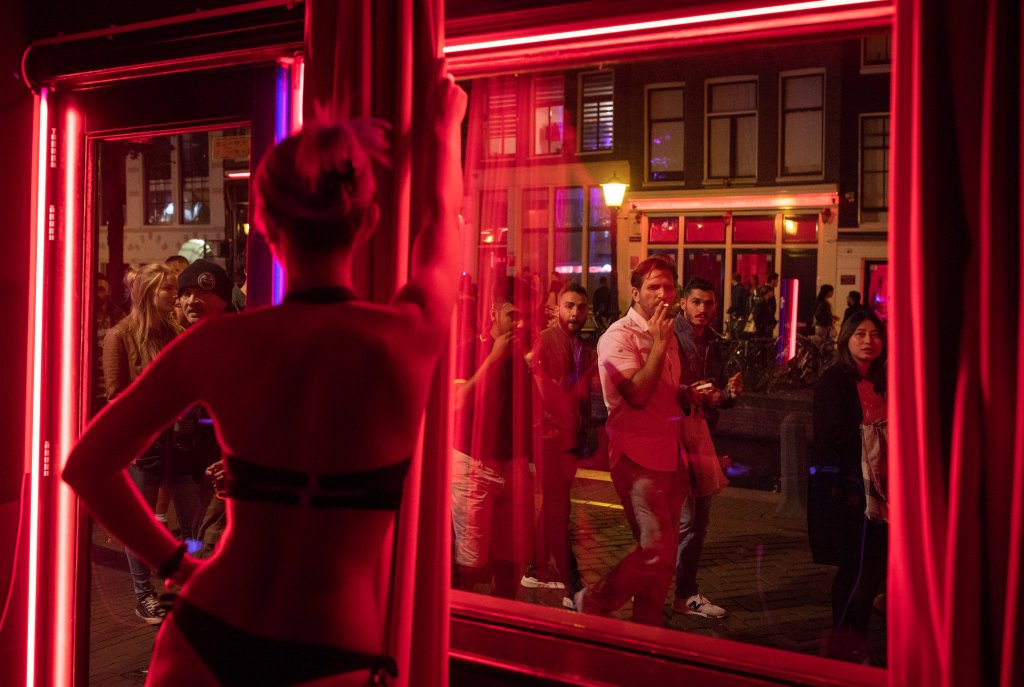
In Amsterdam’s Red Light District, the architecture and design of the brothels and window displays are regulated by the city’s government. The buildings themselves are historic and narrow, with a mix of traditional Dutch architecture and modern interventions. The red-light windows that display the sex workers have distinctive red and blue neon lights, which have become a symbol of Amsterdam’s sex industry. The city has also implemented various design interventions to improve safety and hygiene, such as security cameras, panic buttons, and separate entrances for sex workers and clients.
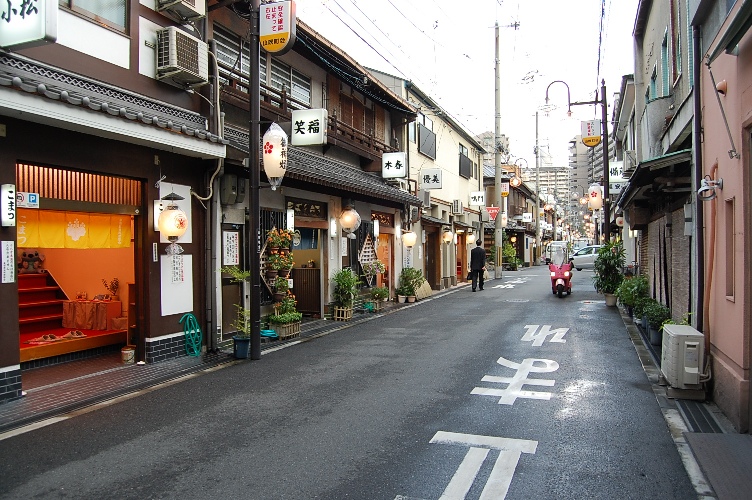
Tobita Shinchi, Japan’s largest red-light district, has a long history dating back to the Edo period. The district is comprised of narrow streets and alleys lined with brothels, bars, and restaurants. The buildings are typically wooden and have a distinctively Japanese architectural style. Each brothel has a unique façade that is often adorned with lanterns and signage, making it easy for customers to identify their preferred establishment. The design of the streets is also important, with the narrow alleys creating a sense of privacy and intimacy.
Stepping into Tobita Shinchi’s recreated traditional streets is like entering a timeless realm where history and desire intertwine. Wooden structures, weathered by time, exude an authentic aura, their graceful curves and intricate details whispering stories of bygone eras. Softly glowing lamps and lanterns cast a warm, inviting light, illuminating hidden corners and enticing passersby. Intimacy pervades the narrow, cloistered alleys, with leaning facades creating a sanctuary from the outside world. Elaborate wooden carvings, depicting love and lust, adorn the facades, while the rhythmic patterns of meticulously crafted beams showcase enduring craftsmanship. The aroma of incense mingles with whispers of secrecy, adding an alluring touch to this symphony of desire, where tradition and modernity converge, and architecture becomes an accomplice to unfolding fantasies.
In Thailand, massage parlours that offer happy endings are often disguised as legitimate businesses, with the sex work aspect hidden from plain view. The design of these spaces is typically modern and minimalist, with subdued lighting and discreet signage. Some parlours may have private rooms or curtained-off areas where the sex work takes place.

In contrast, the architecture and design of American streetwalking and hourly motels are often characterized by a lack of permanence and a focus on anonymity. Many streetwalkers operate in urban environments, using alleyways and abandoned buildings as their workspace. The hourly motels that cater to sex workers are often located in seedy neighborhoods and offer little in the way of amenities or design.
It’s worth noting that the architecture and design of sex work spaces are often influenced by legal frameworks. In countries where sex work is criminalized, the spaces tend to be more discreet and hidden, while in countries where sex work is legalized, the spaces are more visible and regulated.
Overall, the architecture and design of sex work spaces are shaped by a multitude of factors, from cultural norms to legal frameworks. While some spaces have a long history and distinct architectural styles, others are characterized by anonymity and a lack of permanence. As an urban planner, architect, and historian, it’s important to approach this topic with sensitivity and an understanding of the complex social, cultural, and economic contexts that shape these spaces.
The architecture of sex work reveals a fascinating and complex interplay between discretion and visibility, pleasure and power, desire and societal norms. From the historic streets of Tobita Shinchi to the bustling Red Light District of Amsterdam, and the hidden massage parlours of Thailand, the design and structure of these spaces reflect the cultural and social attitudes towards sexuality and prostitution. As urban planners, architects, and historians, it is our responsibility to delve deeper into the design features of these spaces, their cultural and historical contexts, and the impact they have on human sexuality and urban environments. By doing so, we can gain a greater understanding of the complex and often contradictory nature of sex work, and work towards creating more inclusive and equitable cities for all. This exploration of the architecture of sex work in contemporary society highlights the ongoing need for nuanced and thoughtful discussions on the intersection of sexuality and the built environment.
Sources:
- Hubbard, P. (2011). Sex zones: Intimacy, citizenship and public space. Routledge.
- Strega, S., & O’Brien, J. (2016). Mapping the terrain of sex work in an era of change. Journal of Sex Research, 53(4-5), 419-437.
- Williams, L. R. (2016). Sex work, streetwalking, and gentrification in New York City. Urban Geography, 37(6), 855-874.
- Wilson, G. (2008). Sex in the city: The devaluation of sex in contemporary American street culture. Social Semiotics, 18(3), 361-378.
 NOMAD SKETCHBOOK
This is fascinating. Great research and such a deep perspective on human space.
LikeLike