REINVENTING THE URBAN SPACE
Amsterdam is a city that is constantly in motion, well known for its wide range of transportation options available for both locals and visitors. From bicycles and boats to buses and trams, the city’s kinetic energy is truly unparalleled. In this blog post, we’ll explore the different ways to navigate Amsterdam’s bustling streets, canals, and alleyways.
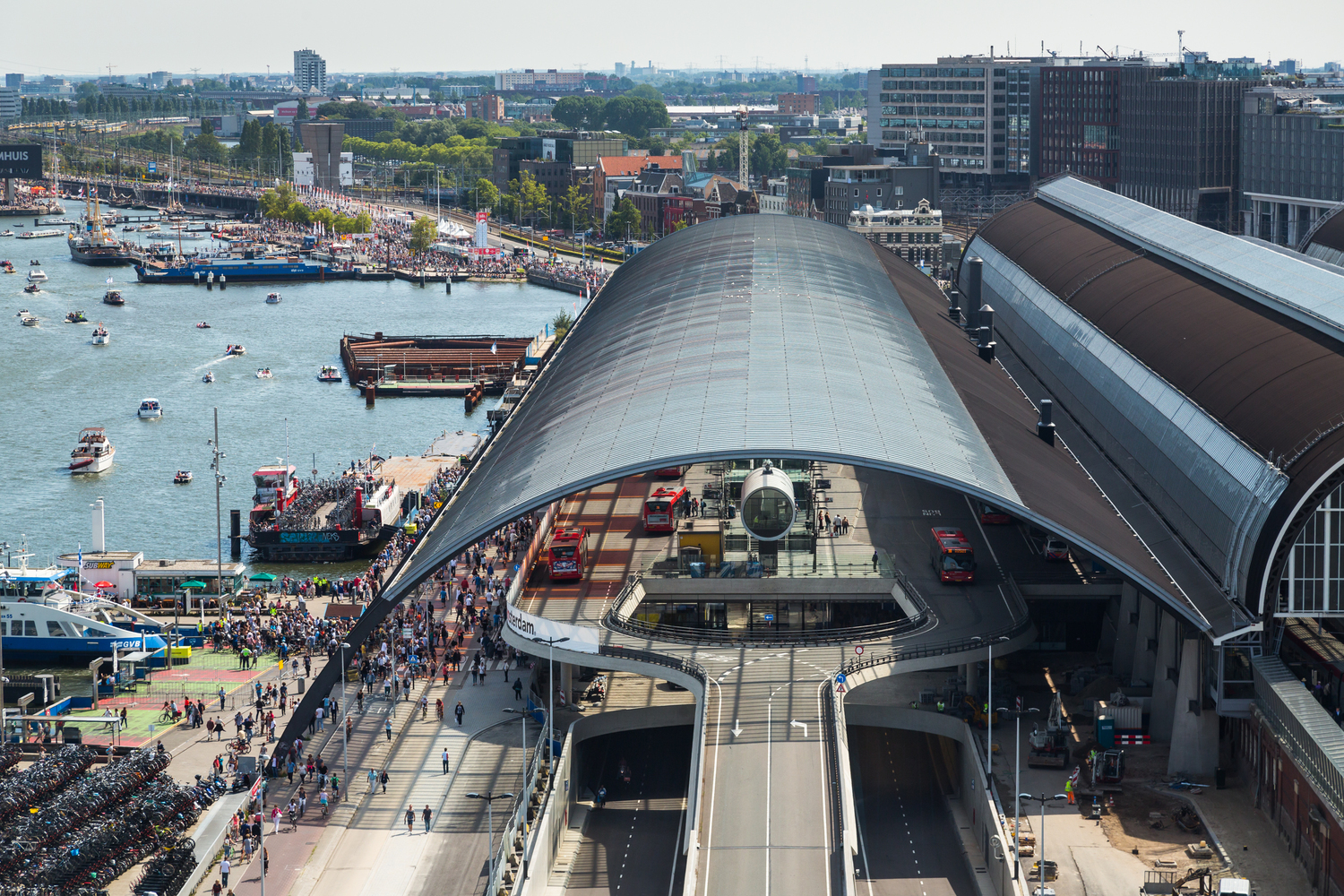
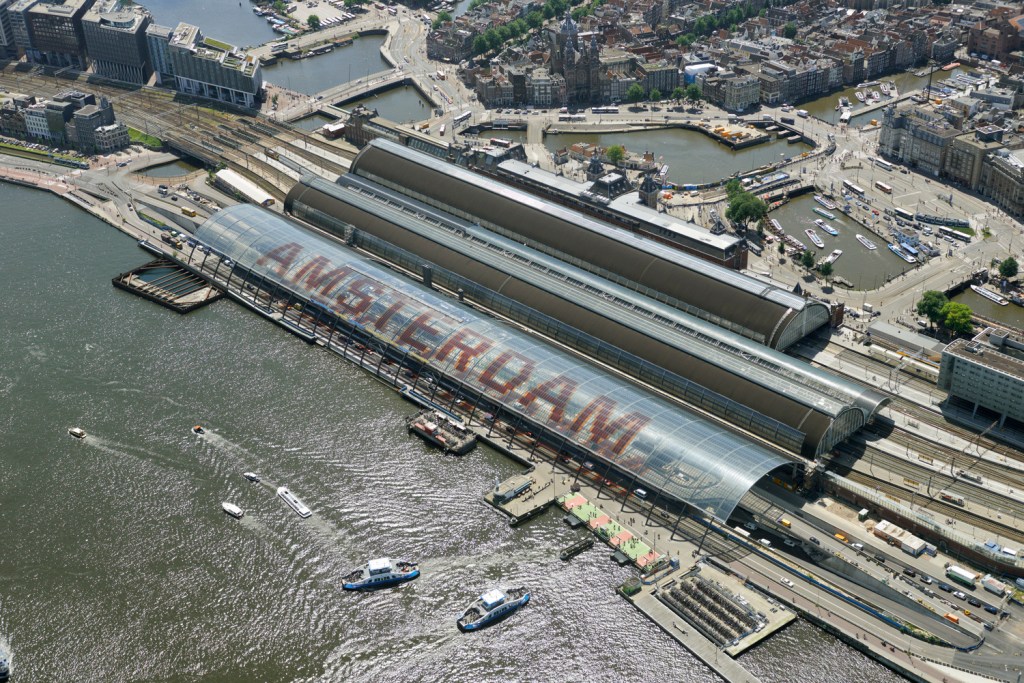
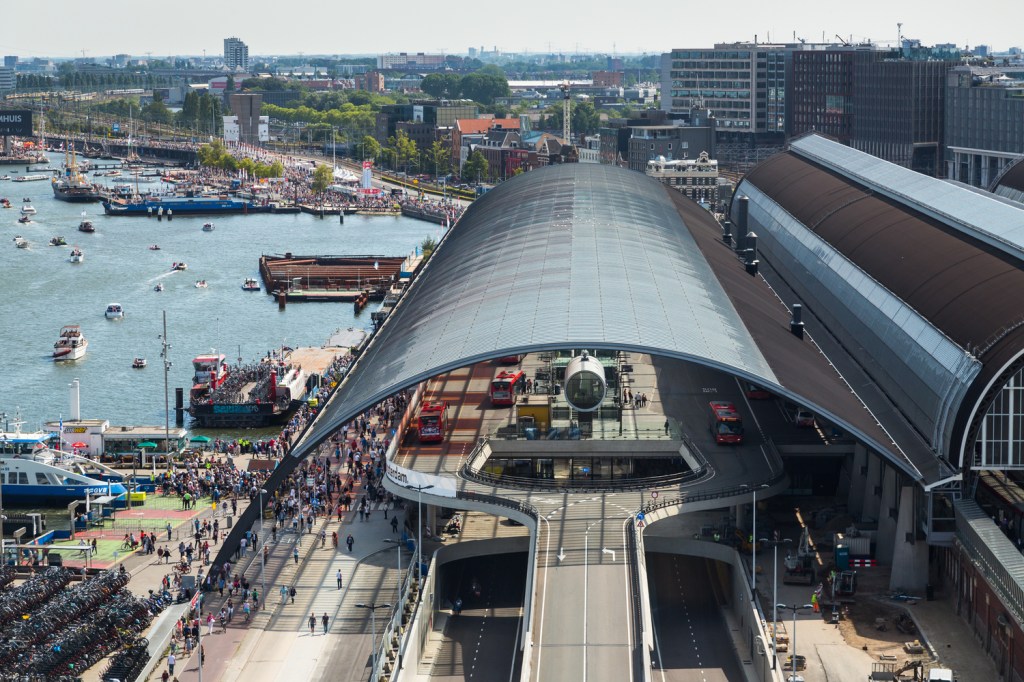
The original station building, designed by Pierre Cuypers and delivered in 1889, was built on an artificial island in the river IJ. Its position at the open harbor front was controversial from the start: seen from the city, it blocked the view of the open water and it disconnected the city from Amsterdam Noord. It would take more than a century and the Benthem Crouwel Architects masterplan to reestablish the connection between the city and the water, and to give the station a distinctive and worthy second entrance on the IJ side. Now, the back and front of the station are equally important, and Station Island is a vibrant urban hub – not just a transport node, but a public building and a valued destination in and of itself.
When you arrive in the Central Station from a regional train that shuttles you directly from the airport, you enter one of the most kinetic stations in the world. With regional trains passing below and buses looping above, street trams gliding along the streets and ferries shuttling people across the river, the city’s kinetic energy is unmatched.
Cyclists are the most common sight coasting alongside pedestrians, automobiles, and even boats in the canals, creating a bustling and lively atmosphere. The city’s urban design is further enhanced by its rich history, with historic buildings, charming cafes, and unique specialty shops to explore.
Bicycles: A Dutch Way of Life
Bicycles are synonymous with Amsterdam, and for good reason. The city has an extensive network of bike lanes that make cycling a safe and convenient mode of transportation. Renting a bike is a great way to explore Amsterdam, and there are many bike rental shops throughout the city. You can cycle along the scenic canals, explore the parks and gardens, and even venture out of the city to nearby towns and villages.
Trams and Buses: Efficient and Reliable
Amsterdam’s public transportation system is efficient, reliable, and affordable. The city has an extensive network of trams and buses that can take you to all the major attractions and neighbourhoods. You can purchase a ticket at the station or use a contactless card, which is a convenient way to pay for multiple rides. The trams and buses also offer a great way to people-watch and take in the city’s bustling streets.
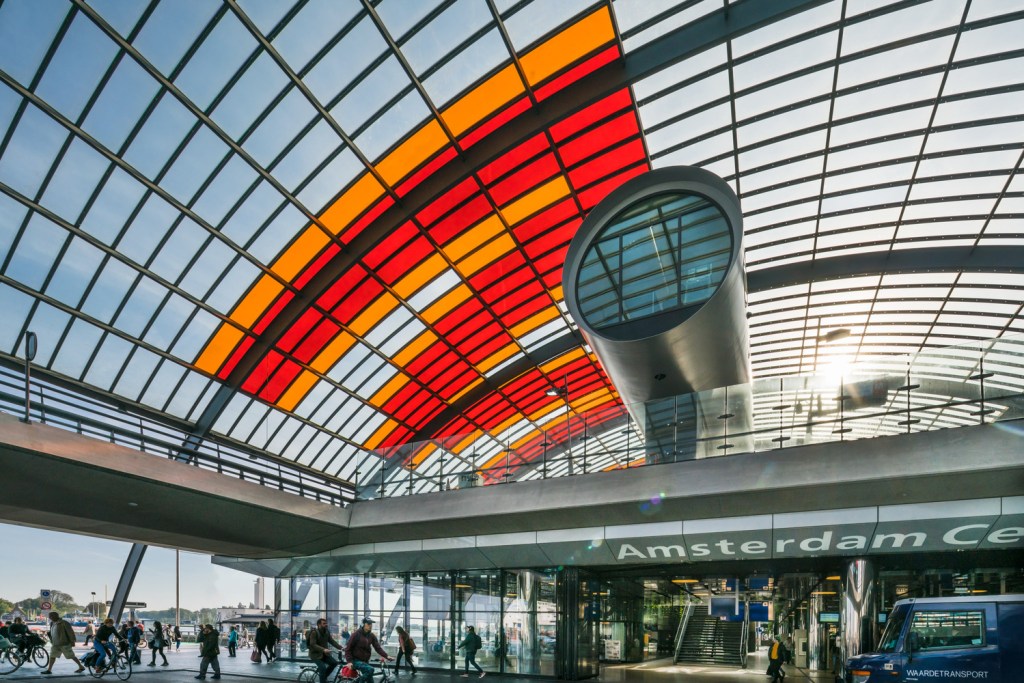
This project is not about architecture, it’s about solving a complex puzzle, with an outcome that makes sense to everyone.
Joost Vos, Architect.
— Benthem Crouwel
Ferries: A Unique Perspective
Amsterdam is a city of canals, and ferries offer a unique perspective on the city’s waterways. The ferries are free and run frequently, shuttling passengers between different parts of the city. You can take a ferry to the trendy neighbourhood of Amsterdam-Noord, where you’ll find art galleries, cafes, and restaurants. Alternatively, you can take a ferry to the NDSM Wharf, a former shipyard that has been transformed into a creative hub.
Boats: A Nostalgic Adventure through the Canals
If you want to explore Amsterdam’s canals in style, then a boat tour is the way to go. There are many boat tours available, ranging from large tour boats to smaller, more intimate vessels. A boat tour is a great way to see the city from a different perspective and learn about its history and culture. Some boat tours even offer drinks and snacks, making it a relaxing and enjoyable experience.

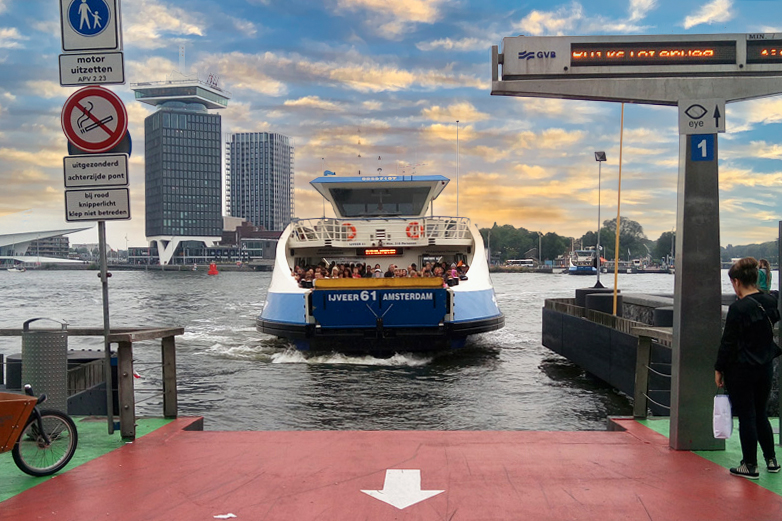
Amsterdam is a city that is best explored through curious eyes, regardless of any one of its many kinetic transportation options. Whether you’re cycling along the canals, taking a tram to a trendy neighbourhood, or cruising on a boat tour, there are endless ways to experience Amsterdam’s vibrant energy. So, grab a bike, hop on a tram, or take a ferry, and discover all that Amsterdam has to offer.
 NOMAD SKETCHBOOK
1. Amsterdam has a wide range of transportation options such as bicycles, boats, buses, and trams, making it a city with unmatched kinetic energy.
2. The connection between the city and the water, giving the station a second entrance, transformed Station Island into a public building and a valued destination itself.
3. Bicycles are synonymous with Amsterdam, with an extensive network of bike lanes and many bike rental shops throughout the city.
4. Amsterdam’s public transportation system is efficient, reliable, and affordable, with an extensive network of trams and buses taking you to all major attractions and neighborhoods.
5. Ferries offer a unique perspective on the city’s waterways, shuttling passengers between different parts of the city, while boat tours provide a nostalgic adventure through the canals with drinks and snacks to make the experience an enjoyable one.
LikeLike