Why not to post opinions online and how your digital profile should not be a public soapbox.
Over the past four years, and in a loose fitting tolerance, ever since I left my family home, I have been travelling the world, sharing ideas, exchanges of opinions, learning from others experiences, and doing that great ‘humany’ thing we called living and learning.
As an extravert I have always felt confident seeking out social stimulation and opportunities to engage with others. Sociability, talkativeness, assertiveness, and excitability are the characteristics that nearly everyone who knows me would also define me as (though those who know be best are keenly aware of my creative introverted state).
Unfortunately, many individuals don’t have that confidence, and tend to express their opinions on social media without necessarily taking active steps to support their beliefs in real-life situations. In other words, far too many people coward behind the safety of posting their opinions on social networks while simultaneously being passive agents in real life.
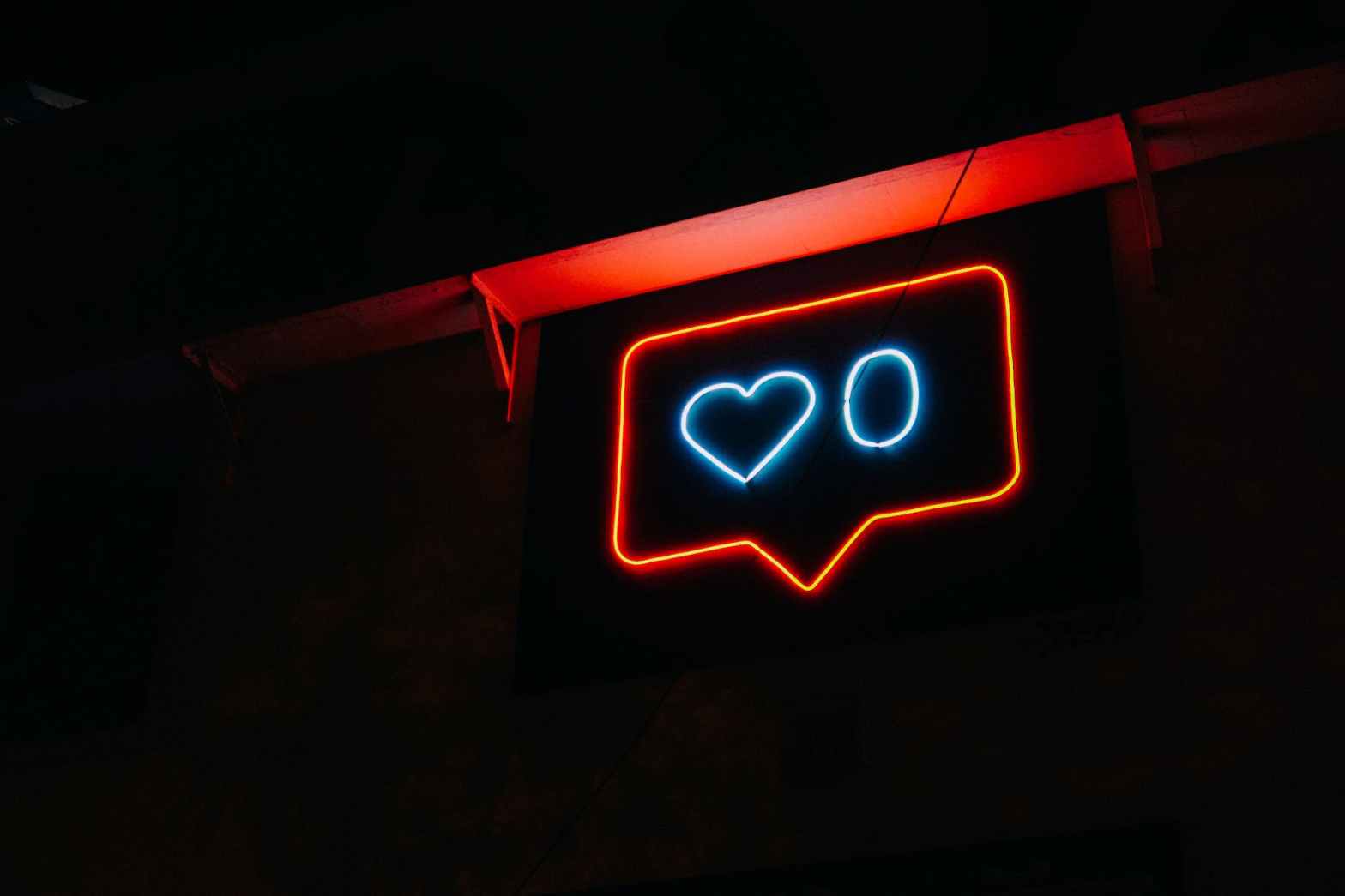
The immediate problem is users who do not want to see this content, or disagree with your opinion can quickly click away, and either temporarily or permanently mute you (some even just delete you as a ‘friend’).
This creation of echo chambers has become the default further exasperated by social media platforms need to compartmentalize user blocks for paying advertisers.
The lack of human empathy afforded by digital platforms makes this all too easy. A button to block a friend is too simple, far easier than looking another person in their eyes, or feeling the emotions coming from the tone of their voice, or the handshake and touch from their skin.
It’s far too painless to ignore that these feelings come from real human sharing their views. One doesn’t have to give up their time to listen to a complete thought before ignoring it. One doesn’t have to experience the nuisance and or justification on how these opinions were reached. We loose any chance of understanding, be it to further develop our own opinions or possibly having our own opinion changed.
The medium flattens the message. When your neighbours point is presented in the very same channel as Trumps, or worse, that carry’s with it its own embedded meaning (when you hear someone refer to a ‘tweet’, ones eyes are already rolling).
All of these concerns still do not include the effects of editing and staging, the deliberate manipulation of viewers emotions through visual cultural techniques used to set the emotional state of a user before optimally presenting your one’s viewpoint.
The courageous act of expressing your opinion in real-time, in real life, in front of someone has been lost or allocated exclusively to the extremes of Christmas tables and the gates of abortion clinics.
Not particularly surprising nothing of value is ever achieved during these intense moments on the battlefield of ideas.
Unfortunately Universities have scrapped impassioned debate in favour of educated confirmatory. Righteous conviction fuelled by investor relations in the fear of public outrage from non other but the very people incapable of very debate the academies were established to serve.
The benefit of testing ideas or exploring thought has given way to the tolerance of the weakest emotional resilience in the crowd. A perfectly articulated complaint is ironically not debated, but a signal of the pin being pulled before the bomb goes off.
Have we as a society swung so far from following the biggest bully to being ruled by the weakest winer?
For me, I’ve decidedly focused my digital profile on sharing the best world has shown me while reserving my challenging ideas are to moments of legitimate discussion with the highest potential comprehension (though as an outlier this affect has not always been to the best of effect as too many have lost their ability to tolerate even a moment of opinion without being able to quickly scroll away retreating to their moral caves).
People are already bombarded with visual culture and the rampant vehemence produced by the 24 hour news cycle, algorithmic extremism, and opinion bubbles that I don’t need to contribute any more to it.
That is not to say I relinquish my right to ever have a public opinion, or want to limit others who struggle with in-the-moment thinking/public speaking, however for old times sake I would implore those to utilize more effect tools like long form writing or podcasting.
In the end this is a plea for everyone to reflect on the measurable benefits of digital social activism and ask themselves –
Has more been lost or gained by broadcasting divisions. Do we understand each other better or just think we do? Are you actually better than them?
Where we go from here is not predetermined.
 NOMAD SKETCHBOOK