From Spices to Seafood: The Evolution of Food Markets Through Time
Food markets have a long and rich history, dating back to ancient times when humans first began to gather and exchange goods. These markets served as a central hub for communities to trade, socialize, and showcase their local produce and emerging cuisine.
In many regions, food markets played a vital role in the local economy, serving as the hub for trade and commerce. Traders and farmers would travel from far and wide to sell their goods at these markets, which led to the development of unique and diverse food cultures. The exchange of goods in these markets started with bartering, where people would trade one type of product for another.
Over time, as markets grew and became more complex, the need for a standardized currency became apparent. As a result, different forms of currency, such as coins and paper money, were introduced to facilitate trade in food markets. The use of currency not only made it easier for vendors and customers to conduct transactions, but it also helped to standardize the price of goods, making it easier for traders to sell their products at fair market value.
The development of currency also led to the emergence of larger, more sophisticated food markets. In some cases, these markets would become a hub for international trade, attracting merchants and traders from all over the world. As a result, food markets played an important role in shaping the global economy, with some markets becoming centers of wealth and power in their own right.
Despite the changes brought about by the use of currency, food markets continue to serve as important cultural touchstones, showcasing local cuisine and traditions. From the vibrant spices of Morocco’s souks to the fresh produce of California’s farmers markets, each market offers a unique experience, inviting visitors to immerse themselves in the sights, sounds, and flavours of the local food culture.
Over time, food markets also became important cultural landmarks, with many becoming popular tourist destinations. They often showcase local traditions and customs, providing visitors with a unique insight into the region’s history and way of life.
Food markets have a long and rich history, and they continue to be popular destinations for food lovers and travelers around the world. From the Grand Bazaar in Istanbul to St. Lawrence Market in Toronto and Borough Market in London, markets have been an integral part of local communities, telling the stories of their regions through the products and cuisines on offer.
One of the most iconic food markets in the world is the Grand Bazaar in Istanbul, Turkey, which has been in operation for over 500 years. The market is a labyrinth of winding streets and alleys, filled with stalls selling everything from spices and sweets to textiles and ceramics. The market is a testament to Turkey’s rich history and culture, and is a must-visit destination for anyone traveling to the region.
Similarly, the floating markets of Bangkok, Thailand are a unique and fascinating example of a food market. Unlike traditional land-based markets, these markets are situated on boats, with vendors selling everything from freshly cooked curries and noodle dishes to exotic fruits and spices.
Visiting one of these markets is a truly immersive experience, with visitors able to take in the sights, sounds, and smells of the bustling market, as boats ply the narrow canals, filled with vendors and customers alike. The floating markets are not just a tourist attraction, but also a crucial part of the local economy, with vendors and farmers using them to sell their products directly to consumers.
The floating markets of Bangkok are just one example of the diverse and fascinating food markets that can be found around the world. From the souks of Marrakech to the night markets of Taiwan, each market offers a unique experience, showcasing the local food culture and way of life. Whether you’re a food lover, history buff, or simply looking for a unique travel experience, food markets are a must-visit destination for anyone looking to explore the world’s diverse culinary traditions.
In addition to showcasing local cuisine, food markets have also played a major role in shaping the global food industry. Many of today’s most popular food trends, such as fusion cuisine and farm-to-table dining, were first popularized in food markets around the world.
In recent years, there has been a renewed interest in local food markets, with many consumers seeking out fresh, locally-sourced produce and artisanal goods. This trend has led to the development of a new generation of food markets, such as the popular St. Lawrence Market in Toronto, or the Smorgasburg markets in New York City, both showcasing a wide variety of local and international cuisines that shape their modern cityscape.
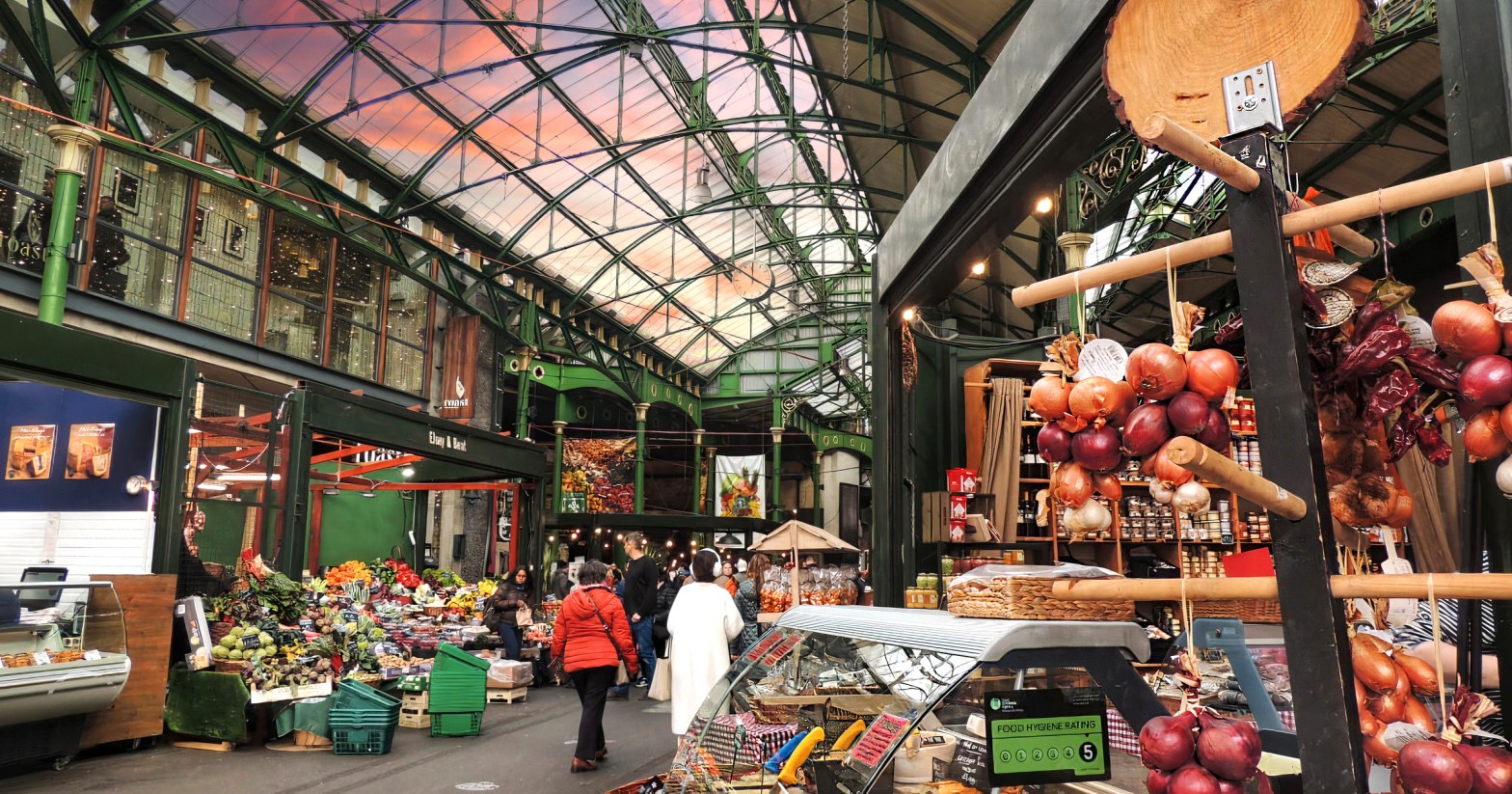
Borough Market in London is also known for its multicultural atmosphere and the diverse range of products on offer. London is a global city, with a large population of people from different cultures and backgrounds, and this diversity is reflected in the products available at Borough Market.
The market has a long history of attracting vendors from different parts of the UK and Europe, and today it is known for its wide range of fresh produce, artisanal foods, and international cuisine. Visitors to the market can find everything from Italian cured meats and Spanish cheeses to Middle Eastern spices and Asian street food.
The market also hosts regular events and tastings that celebrate different cultures and cuisines, which further adds to its multicultural atmosphere. These events provide an opportunity for visitors to learn about different food traditions and try new products.
Like St. Lawrence Market, Borough Market’s multicultural atmosphere is one of the factors that contributes to its success and popularity among visitors. The market offers a unique and vibrant shopping experience, and its focus on high-quality, sustainable products also resonates with customers who are looking for more conscious and ethical food options.
Mexico City is another city famous for its lively street markets that pop up every single day, offering a wide variety of street foods, snacks, fresh produce, and handmade crafts. Known as Tianguis, these markets can be found in neighbourhoods throughout the city, attracting locals and tourists alike.
Visiting one of these bustling markets is a sensory overload, with the sounds of vendors calling out to customers, the smells of sizzling meats and spices, and the vibrant colours of the stalls and their wares. In addition to food and crafts, many tianguis also offer clothing, electronics, and household goods.
Tianguis are a longstanding tradition in Mexico City, dating back to pre-colonial times when they were an essential part of the Aztec economy. Today, they continue to serve as important economic and cultural hubs, offering visitors a chance to experience the vibrant street culture and cuisine of one of the world’s most dynamic cities.
Egypt is a country with a rich history and culture, and its markets are a reflection of that heritage. One of the most popular markets in Egypt is the Anfushi Market, located in the city of Alexandria. The market is situated near the city’s famous harbor and offers a wide range of goods, from traditional Egyptian spices and herbs to textiles, clothing, and jewelry.
Visitors to the Anfushi Market can experience the vibrant and bustling atmosphere of a traditional Egyptian street market. The market is a hub of activity, with vendors calling out to customers and haggling over prices. Visitors can sample local delicacies like ful medames, a traditional Egyptian breakfast dish made with fava beans, and fresh seafood caught off the coast of Alexandria.
Throughout human history, food markets have served as essential centers of trade, culture, and cuisine. With each market offering a unique experience, visitors are given an opportunity to delve into the region’s history, traditions, and way of life. Whether it’s the bustling ancient bazaars or the vibrant pop-up markets of modern-day, food markets continue to attract food lovers from around the world.
 NOMAD SKETCHBOOK