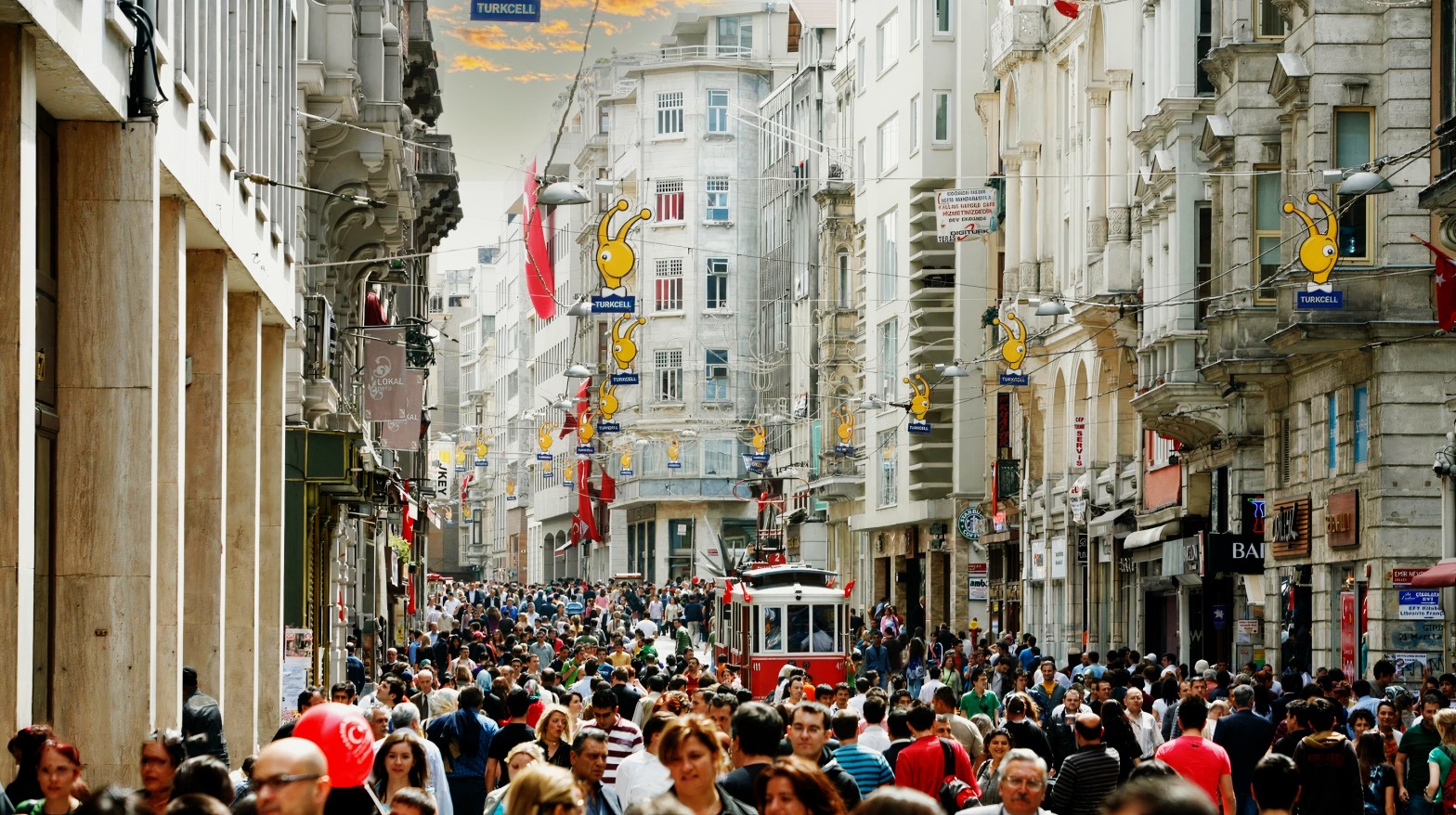
Walking on a typical Istanbul street, as if any street in Istanbul could ever be considered typical, is like stepping back in time. How far back in time just depends on which corner you turn. The cobblestone roads lined with Ottoman-era buildings; bakeries, mosques, spice souqs and fake luxury shops, fish markets beside tool shops, chicken restaurants and popcorn stands, all of which work together to transport you to one of the last Great Empires stretching back centuries. The streets are always narrow, and the tall wooden buildings tower over you, creating an intense sense of intimacy and enclosure. As you walk, you’ll notice one truly unique architectural feature.
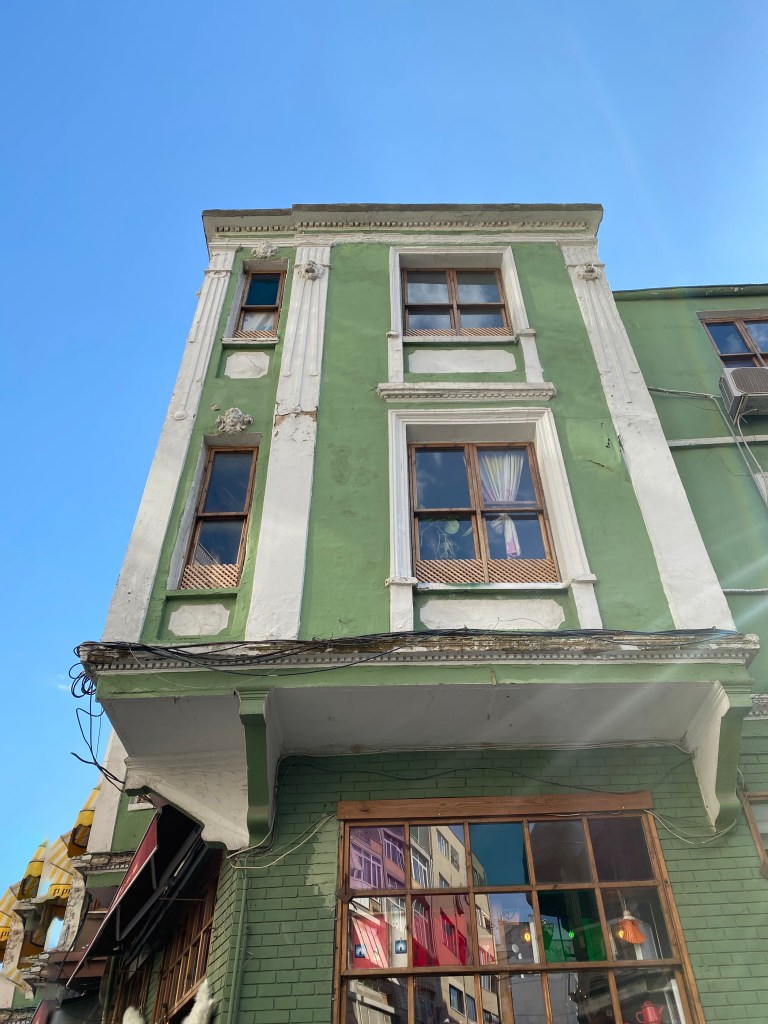
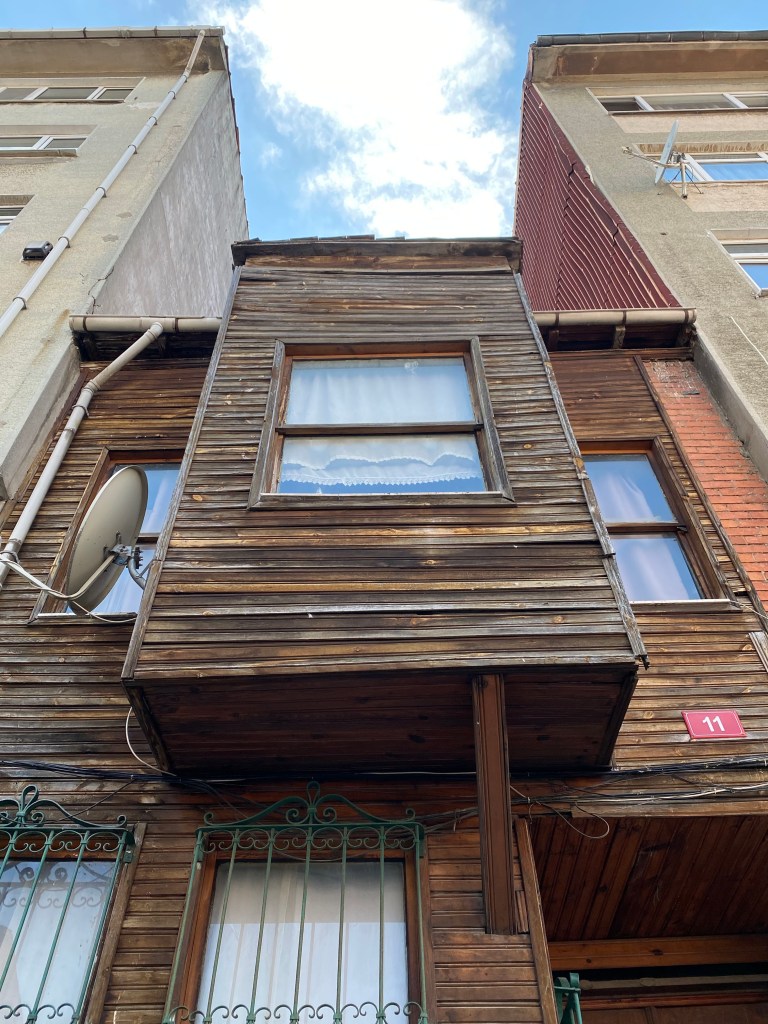
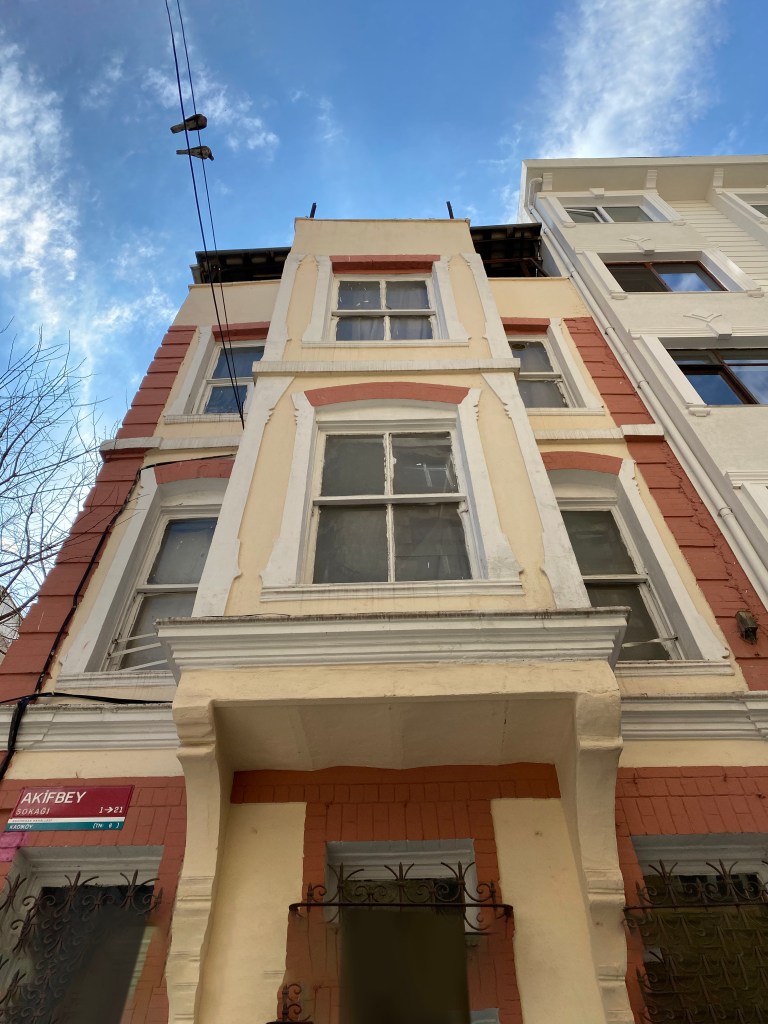
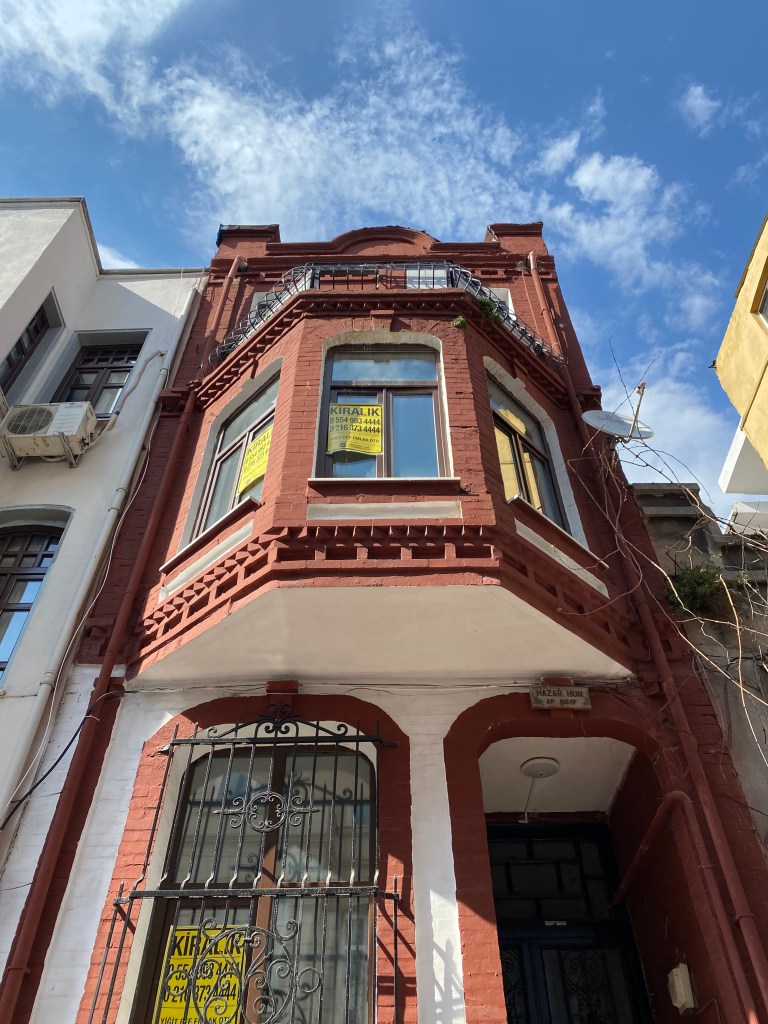
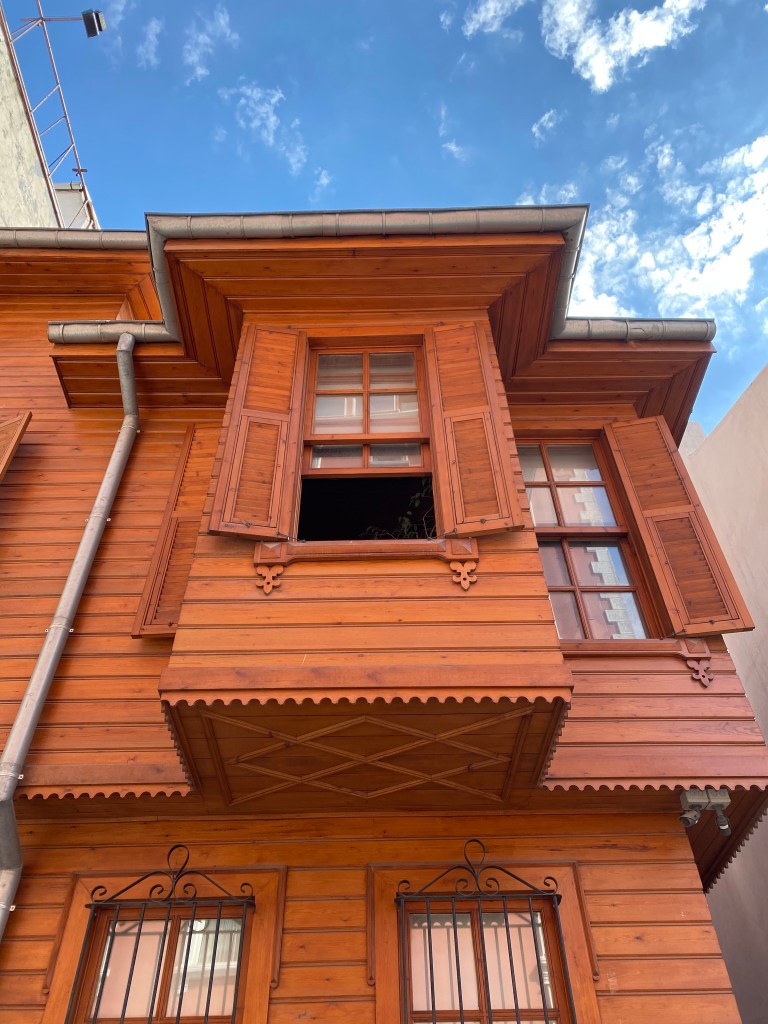
Poking out over your head, wooden extensions built onto the upper levels of buildings, creating an extra living space in the crowded Turkish apartments, adding an extra layer of texture to the streetscape. Known as Cumbas, the origins can be traced back to the Ottoman Empire. These ornamental little boxes are typically found in the older neighbourhoods of the city. These neighbourhoods were characterized by high population density and limited space, and the cumbas were a creative solution to this problem.


During the Ottoman era, there were strict regulations on the height of buildings, and the kumbas were a way to add extra living space while still complying with these regulations. They were typically built on the edges of buildings and were often cantilevered, meaning they protruded out from the building without visible support. They were also used as storage rooms, bedrooms, and other types of living spaces.
It is believed that the use of wooden structures in this way was influenced by the traditional architecture of the nomadic tribes of Central Asia, where wooden structures were commonly used for housing and storage. The kumbas of Istanbul have been adapted to the Ottoman-style architecture and have become a unique architectural feature of the city.


Cumbas are also found in other historic cities in the Mediterranean region and the Middle East, such as Jerusalem, Aleppo and Damascus. However, the ones in Istanbul are considered to be the most unique, as they are often much more cramped than those in other cities, and due to their numbers and the way they are integrated in the city, they add a distinctive feature of the city.
As we continue to explore, take notice of the Ottoman mosques with their minarets reaching towards the sky, their intricate tilework and calligraphy mesmerizing. The mosques are a reminder of Istanbul’s rich Islamic history, and they provide a stark contrast to the Byzantine ruins that can also be found throughout the city. The ancient and the old overlap here like a palimpsest, each layer adding to the rich tapestry of the city’s history.


As you walk, you’ll notice the people of Istanbul, a diverse array of individuals from all around the world. You’ll see Muslim men and women, Christians, Jews, queer people, old men and young children all living and working alongside one another. The streets are alive with activity, vendors selling tobacco and simit, a sesame-covered Turkish bread that I can’t help myself from stocking up on. You’ll see men sipping çay (tea) in glass tulip cups and women dressed in beautiful fabrics. The energy of the city is palpable, and it’s hard not to be swept up in the hustle and bustle of it all.
In Egypt, the cumbas, also known as “kushk” or “qushk”, have been adopted and adapted to fit the local architecture and culture. They are typically found in historic cities such as Cairo and Luxor, and are often ornate and decorative.
In Egypt, cumbas are used as a decorative element on the facades of traditional houses, rather than as functional extensions of living spaces like in Istanbul. They often have intricate wooden carvings, painted designs, and colourful tilework. They are also used as a way to add a sense of elegance and grandeur to the buildings.

Some cumbas in Egypt are also used as balconies, and they provide a place for residents to sit and enjoy the views of the city. They are also often used as a place to hang laundry or display flowers.
Additionally, Cumbas are also found in other Islamic architectural traditions, where they are known as “mashrabiyya”. They are a common feature in traditional Islamic architecture across the Middle East, North Africa and Central Asia, used both as functional and decorative element. They can be found in different shapes and forms, such as wooden lattice screens, openwork wooden screens, and ornate wooden balconies.
Overall, the cumbas in Egypt have been adapted and transformed into a truly decorative and ornate architectural feature, which adds to the unique aesthetic of the cities where they are found. They are a reflection of the local culture and traditions, and they provide a sense of elegance and beauty to the streets.
Overall, walking on a typical Turkish street in Istanbul is an immersive and multi-sensory experience. The city’s rich history and culture are on full display, and the diverse population adds to the vibrant atmosphere. It’s a place where the ancient and the modern coexist, and where the beauty of the past is intertwined with the energy of the present.






 NOMAD SKETCHBOOK