
From Factories to Self-Storage: U-Haul’s repurposing of iconic heritage buildings is preserving architectural heritage while expanding their business.
As our cities continue to evolve and grow, it becomes increasingly important to find ways to preserve our architectural heritage while adapting it to modern needs. One solution that has been gaining popularity in recent years is the adaptive reuse of heritage buildings. This approach not only preserves important cultural and architectural heritage sites, but also revitalizes neighbourhoods and communities by providing new uses for these spaces. From repurposing former factories and schools into trendy apartments and coworking spaces, to transforming historic churches into community centers, adaptive reuse is proving to be a powerful tool for preserving our architectural legacy while also creating new economic opportunities.
Adaptive reuse of heritage buildings is a powerful tool for preserving architectural legacy while also creating new economic opportunities. One example of adaptive reuse in America is the U-Haul’s strategy of repurposing iconic and historically significant buildings into storage facilities. However, not all adaptive reuse projects are alike, and the design of private storage facilities can have both positive and negative effects on cities. In the following section, we will delve deeper into the design aspect of private storage facilities and explore the importance of striking a balance between providing necessary storage space and preserving the aesthetic appeal of a city.
The design and architecture of private storage buildings can have a significant impact on the overall aesthetic and character of a city, and how they are designed can affect how they are perceived by the public.


When private storage buildings are designed to blend in with the surrounding architecture, they can be less obtrusive and less likely to be seen as an eyesore. They may use materials, colours, and architectural styles that are consistent with the surrounding area, making them less noticeable and less disruptive to the urban landscape. This type of design can help to preserve the visual continuity and character of a neighbourhood or city.
On the other hand, when private storage buildings are designed to stand out, they can be more noticeable and potentially more divisive. They may use bold or unusual architectural elements, bright colours, or large signs, making them more of a focal point in the urban landscape. This type of design may be seen as a positive addition to the city, adding visual interest and a sense of modernity, but it can also be considered as a negative impact on the city’s aesthetic.
To address this, some cities have implemented regulations and guidelines for the design of private storage buildings, with the aim of ensuring they blend in with the surrounding urban fabric, or to make them stand out in a positive way. This can include requirements for certain materials, colours, or architectural elements, as well as guidelines for building heights, setbacks, and other factors that can affect the visual impact of the building.
Overall, the design and architecture of private storage buildings can have a significant impact on the visual character of a city, and it is important to consider how they are designed in relation to the surrounding area.
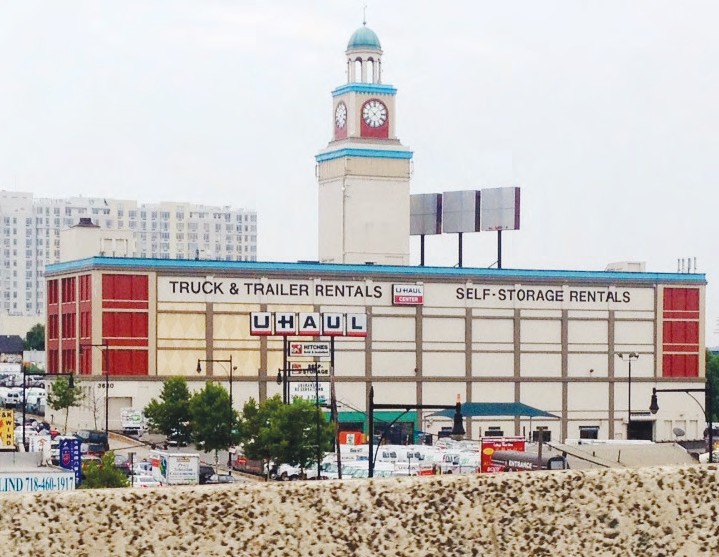

U-Haul is an American moving and storage company that provides rental trucks, trailers, and other equipment for people who are moving. The company was founded in 1945 by Leonard Shoen, and has grown to become one of the largest moving and storage companies in the world.
U-Haul’s business model centers around providing moving and storage services to customers. The company operates a large fleet of rental trucks and trailers, as well as offering storage options for customers in need of extra space for their belongings. They also offer a variety of other moving-related services such as packing supplies and vehicle towing equipment.
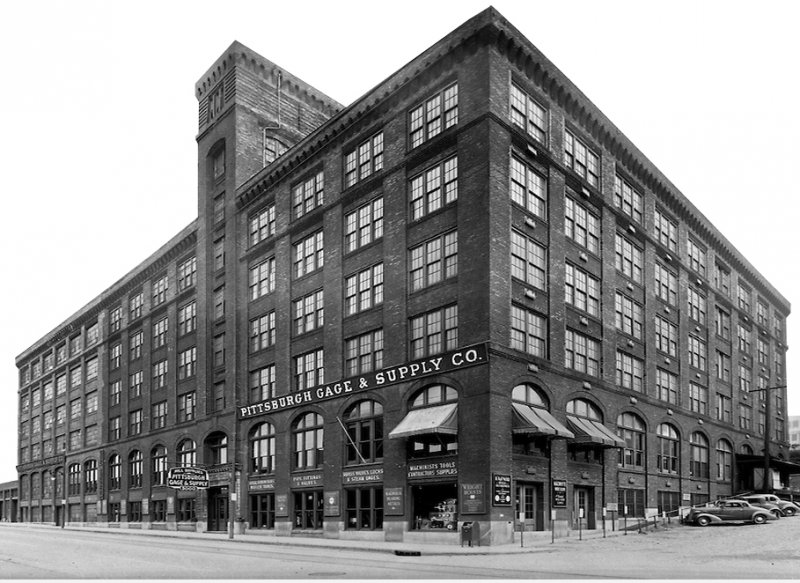
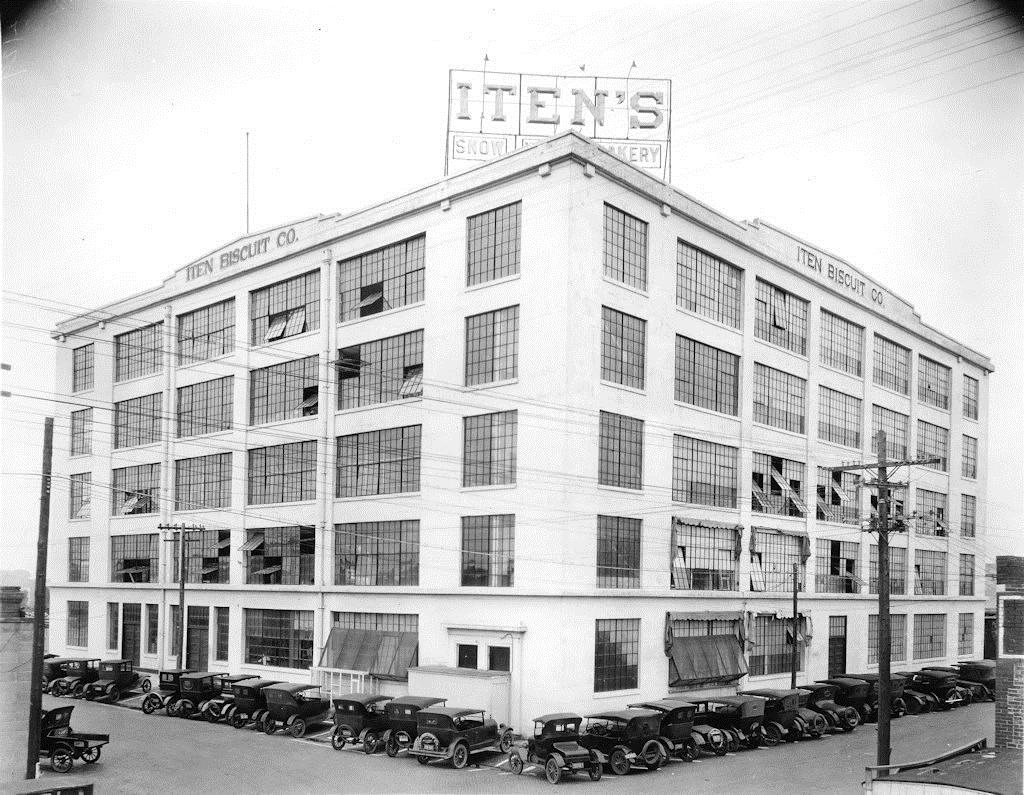
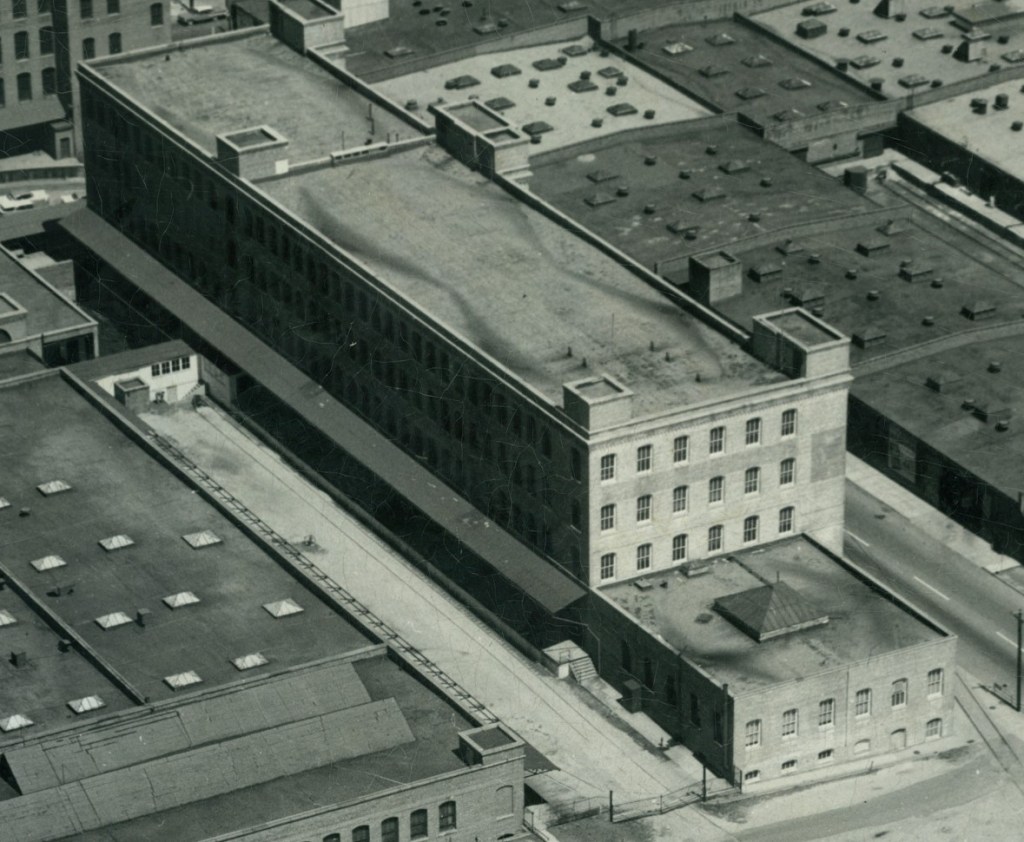
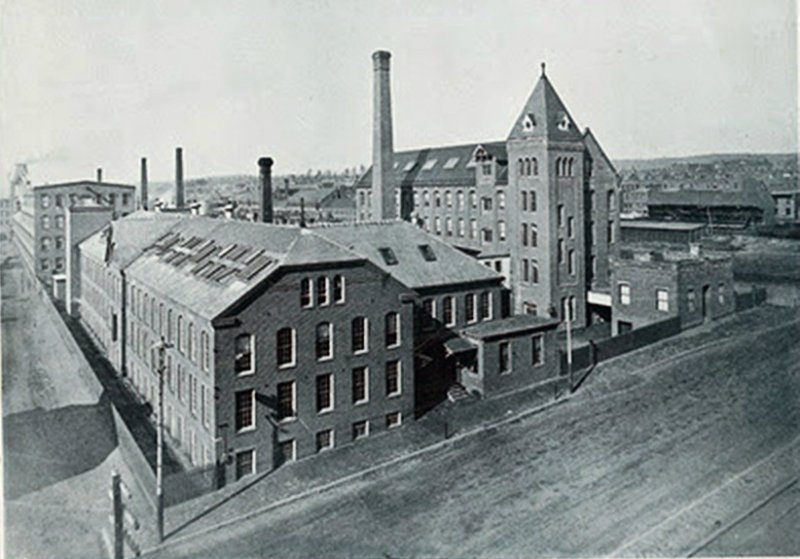
In recent years, U-Haul has begun to purchase and repurpose heritage buildings for use as storage facilities. This has allowed the company to expand its storage capacity while also preserving historically significant buildings. The company has purchased a number of former schools, factories, and other industrial buildings, converting them into storage facilities with the help of adaptive reuse architecture.
U-Haul’s decision to purchase heritage buildings for use as storage facilities is driven by a number of factors. One is the need for additional storage capacity as their business grew. Another is the opportunity to preserve important historical and cultural sites, while also providing a useful service to the community. Additionally, it’s a cost-effective way to expand their business as they can purchase these buildings at a lower cost than building new storage facilities.
The adaptive reuse of heritage buildings by U-Haul not only preserves the architectural heritage of the building but also provides a new purpose and function to it, which can help revitalize neighbourhoods and communities. It also allows U-Haul to differentiate itself from other storage companies by offering unique and interesting storage spaces.


U-Haul has acquired a number of iconic and historically significant buildings for use as storage facilities over the years. Some of the most notable include:
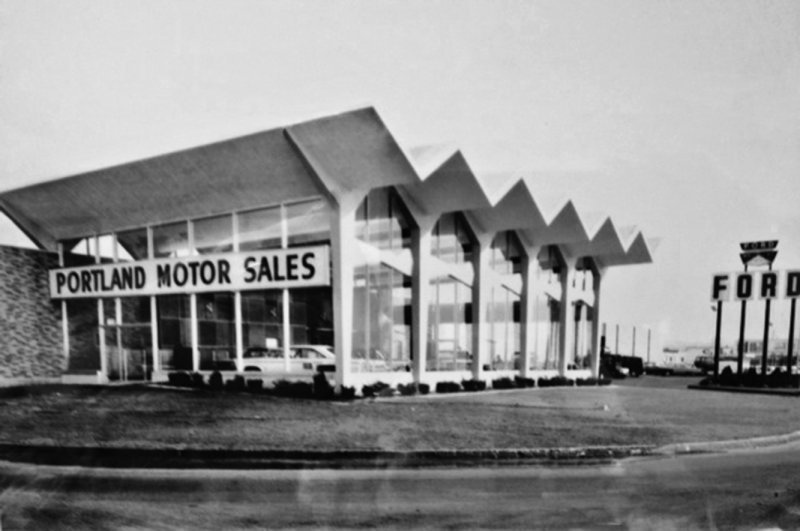
- The former Ford Motor Company assembly plant in Richmond, California. This Art Deco building was built in the 1930s and was used as an assembly plant for Ford vehicles until the 1950s. U-Haul repurposed the building into a large self-storage facility.
- The former United States Post Office in Phoenix, Arizona. This Beaux-Arts style building was built in the 1920s and was used as a post office until the 1980s. U-Haul repurposed it into a storage facility.
- The former Sacred Heart Roman Catholic Church in Detroit, Michigan. This Gothic Revival style building was built in the early 1900s and was used as a church until the 1990s. U-Haul repurposed it into a storage facility.
- The former Sears Roebuck and Co. catalog distribution center in Memphis, Tennessee. This Art Deco building was built in the 1920s and was used as a catalog distribution center until the 1990s. U-Haul repurposed it into a mixed-use development including storage, residential units, and offices.
- The former City National Bank building in Los Angeles, California. This Art Deco building was built in the 1920s and was used as a bank until the 1990s. U-Haul repurposed it into a storage facility.
- The former J.C. Penney department store in St. Louis, Missouri. This Art Deco building was built in the 1930s and was used as a department store until the 1980s. U-Haul repurposed it into a storage facility.
- The former City Hall building in San Diego, California. This Spanish Colonial Revival style building was built in the 1920s and was used as the city hall until the 1960s. U-Haul repurposed it into a storage facility.
- The former First National Bank building in Denver, Colorado. This Beaux-Arts style building was built in the 1920s and was used as a bank until the 1980s. U-Haul repurposed it into a storage facility.
- The former G.C. Murphy Co. department store in Pittsburgh, Pennsylvania. This Art Deco building was built in the 1920s and was used as a department store until the 1980s. U-Haul repurposed it into a storage facility.
- The former Woolworth’s department store in Birmingham, Alabama. This Art Deco building was built in the 1920s and was used as a department store until the 1980s. U-Haul repurposed it into a storage facility.
While adaptive reuse of heritage buildings can be a powerful tool for preserving architectural legacy and creating new economic opportunities, there are concerns about companies like U-Haul converting valuable architectural heritage buildings into storage units. Some argue that these buildings are important cultural and historical assets that should be preserved for future generations to enjoy, and that repurposing them into storage facilities is a missed opportunity to put them to a more meaningful use.

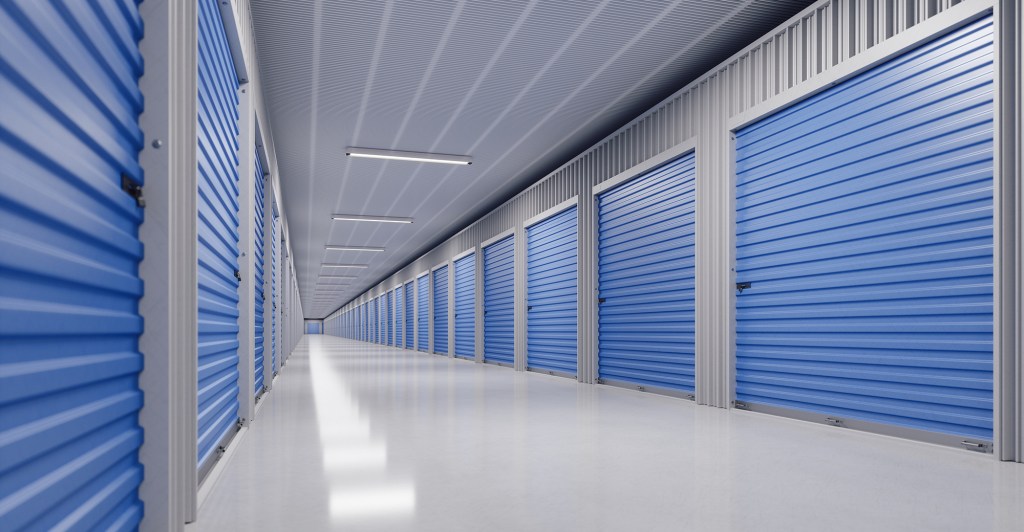
Others also argue that the oversupply of storage units can drive down property values, and that private storage facilities can negatively affect the aesthetic appeal of a city. In addition, there is also the issue of displacement of existing businesses, residents or community uses that can cause negative impact on the community. Many argue that it is important for these buildings to be repurposed in a way that is sensitive to their historical and cultural significance, and that maximizes their potential for community benefit. It’s also important to consider the impact of private storage facilities on the surrounding community, such as provision of public space and amenities, green spaces and accessibility.
While there are valid concerns about the adaptive reuse of heritage buildings for storage purposes, it’s also worth noting that companies like U-Haul are providing much-needed storage space for residents and businesses. They also help to reduce clutter and improve quality of life. Furthermore, many of these buildings were abandoned and falling into disrepair before U-Haul acquired them. The company’s adaptive reuse approach has helped to preserve important cultural and architectural heritage sites that might otherwise have been lost.
However, it is also important to acknowledge that U-Haul could do even better, by making sure they are repurposing these buildings in a way that is sensitive to their historical and cultural significance, and that maximizes their potential for community benefit. The company could also take a more proactive approach to working with local communities and city officials to ensure that their adaptive reuse projects are well-designed and contribute positively to the city. They could also consider incorporating public spaces, amenities and green spaces that would benefit the community. Additionally, U-Haul could also consider using a percentage of the revenue generated from these facilities to help maintain and preserve the historical buildings.
Overall, While there are valid concerns about the adaptive reuse of heritage buildings for storage purposes, it’s also important to consider the benefits these companies are providing and to find ways to strike a balance between preserving architectural heritage and providing necessary storage space.
The architectural debate between conservation and preservation refers to two different approaches to the treatment and management of historic buildings and sites.
Preservation is the approach to maintain and upkeep a building or site in its existing condition, with the goal of keeping it as close to its original state as possible. This approach emphasizes the retention of the building’s original materials, design, and character, and often involves the use of traditional techniques and materials in repairs and maintenance. An example of this approach would be a National Park Service preserving a historic building by only using traditional techniques and materials, and keeping the original layout and design of the building.
Conservation, on the other hand, refers to the process of managing change to a building or site in a way that recognizes its historical and cultural significance, while also ensuring its continued use and relevance. This approach often involves the use of modern materials and techniques in repairs and maintenance, and may include some changes to the building’s original design or layout in order to adapt it for new uses. An example of this approach is the adaptive reuse of heritage buildings, such as U-Haul’s approach of repurposing iconic and historically significant buildings into storage facilities, while keeping the historical significance of the building in mind and adapting it for new uses.
The key distinction between preservation and conservation is that preservation aims to keep the building as close to its original condition as possible, while conservation allows for some changes to be made to the building in order to adapt it for new uses, but always taking into account the historical and cultural significance of the building. Both preservation and conservation have their need.
Adaptive reuse of heritage buildings is a valuable opportunity to preserve architectural legacy, create new economic opportunities and revitalize neighbourhoods and communities. Companies like U-Haul have been successful in repurposing iconic and historically significant buildings into storage facilities while maintaining the historical significance of the building. The architectural debate between preservation and conservation highlights the importance of finding the right balance between preserving the original state of a building and adapting it for new uses while taking into account its historical and cultural significance. As architects and urban planners, it is an exciting opportunity to find ways to preserve our cultural heritage while adapting it to modern needs, and to make sure that these buildings are repurposed in a way that is sensitive to their historical and cultural significance, and that maximizes their potential for community benefit. We can make sure that preservation and conservation work hand in hand to bring new life and new opportunities to our built heritage.
There have been many successful adaptive reuse projects in the United States, but some notable examples include:
- The High Line in New York City: An abandoned elevated railroad track was converted into a public park and walkway, providing a new recreational space for the city and preserving a piece of its industrial history.
- The Standard Oil Building in Cleveland: This former office building was converted into a luxury hotel, preserving the building’s Art Deco architecture and showcasing it to a new generation of visitors.
- The Pizitz Building in Birmingham: This former department store was converted into a mixed-use development, including offices, residential units, and retail space, helping to revitalize the downtown area.
- The Ford Assembly Plant in Richmond: This former automobile factory was converted into a mixed-use development, including offices, residential units, and retail space, preserving the industrial history of the area.
- The Wrigley Building in Chicago: This historic building was repurposed from office space to luxury apartments, preserving the iconic architecture of the building and making it accessible to a new generation of residents.
These are just a few examples of many adaptive reuse projects in America, there are many other successful ones in different cities and states that have helped to preserve the heritage of the country while also providing new uses for these spaces.





 NOMAD SKETCHBOOK