
From Functional to Fascinating: Unveiling the World’s Urban Artifacts and Deciphering Their Secrets
As a curious designer and passionate explorer of, well everything, I am constantly in awe of the rich diversity of local histories and expressions of creativity that I encounter on my journeys. From the grandiose historical buildings of Europe to the electrically clad structures of Asia, each city has its own unique character and way to do things. But as I wander the streets and explore the corners of each new destination, there is one aspect of city design that always captures my attention and something I want you to notice too: sewer design and manhole covers.
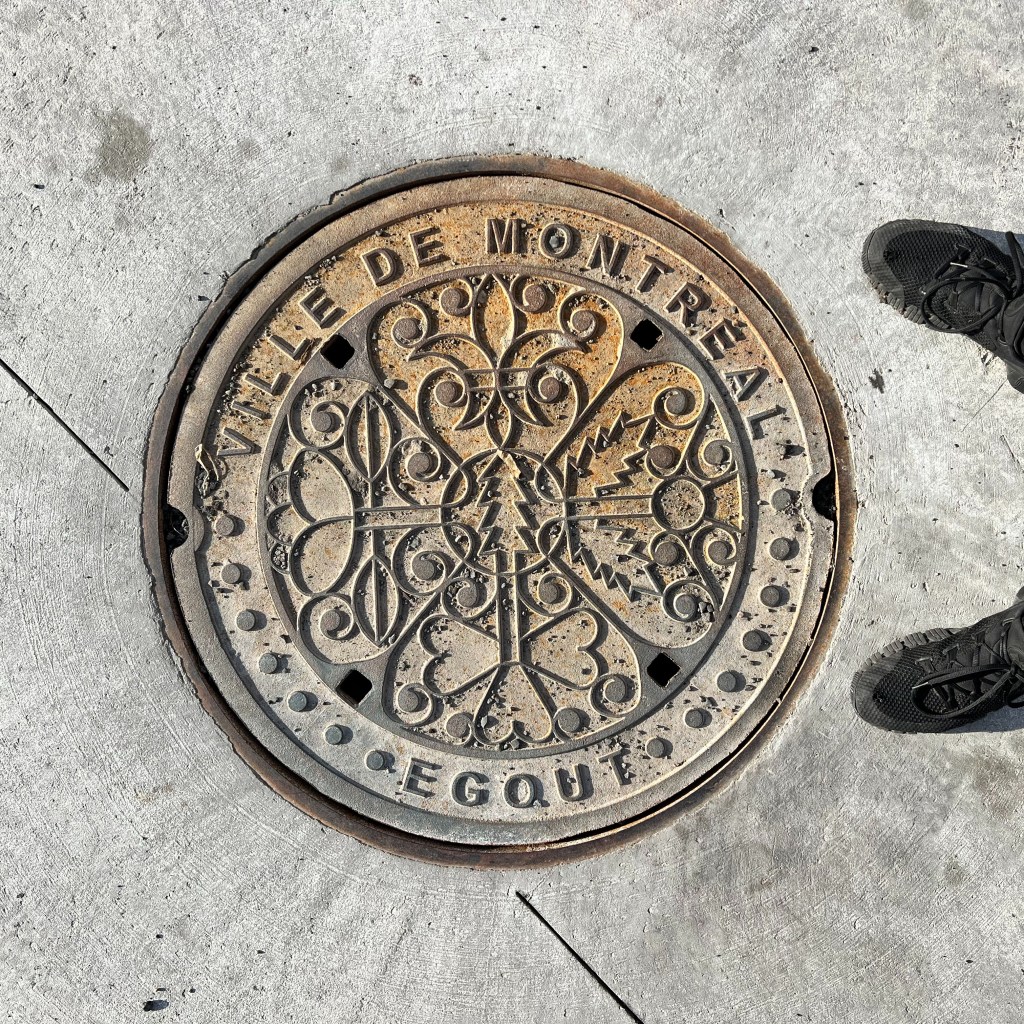
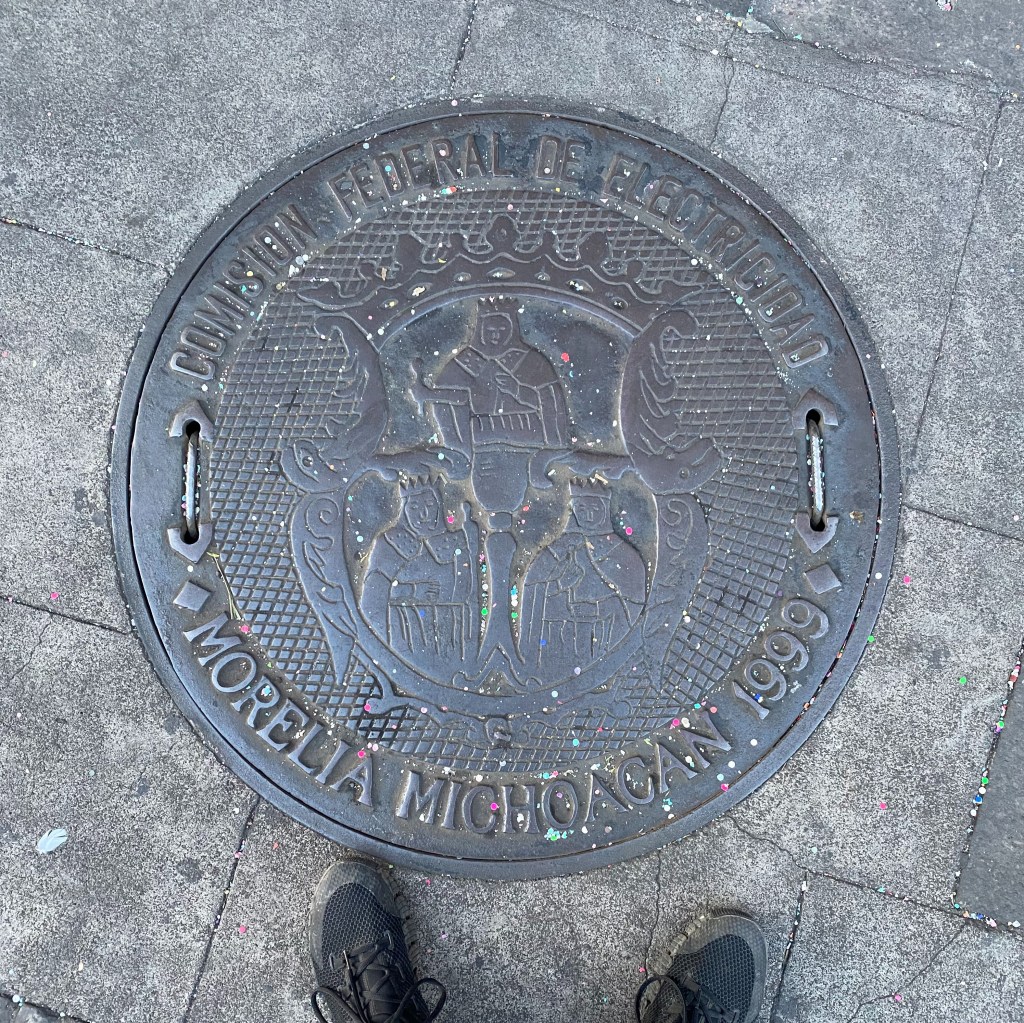
Yes, you read that right. Manhole covers may seem like a small and insignificant detail, but they are actually a fascinating window into the history, culture, and character of a city. As I’ve traveled around the globe, I’ve discovered that each city has its own unique manhole covers, and they can tell us so much about the history of the city and place you’re standing anywhere in the world!


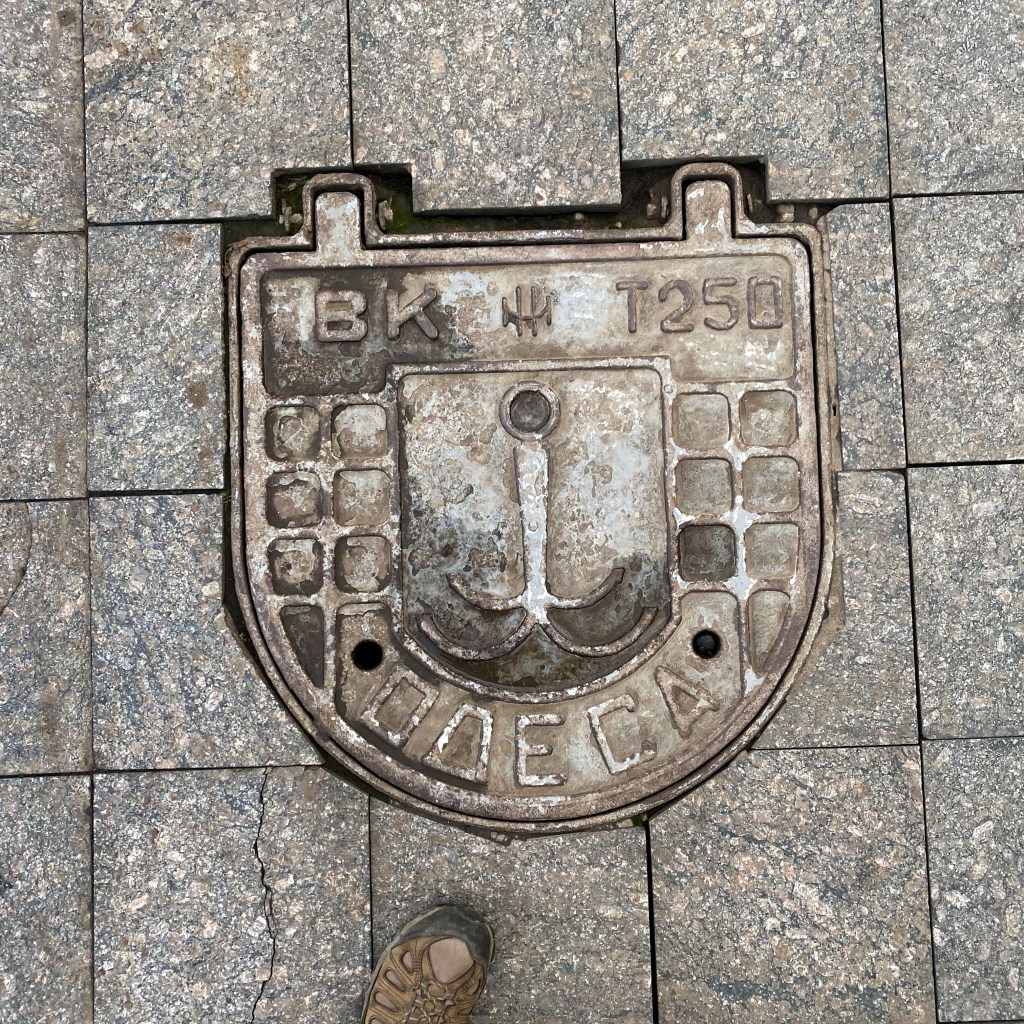
To peak you, let’s explore post-Soviet cities like Odessa and Kyiv. There you will find manhole covers with Soviet-style graphic design, a testament to the region’s recent past and bold artistic ambition to create a new world free from European classicalism.
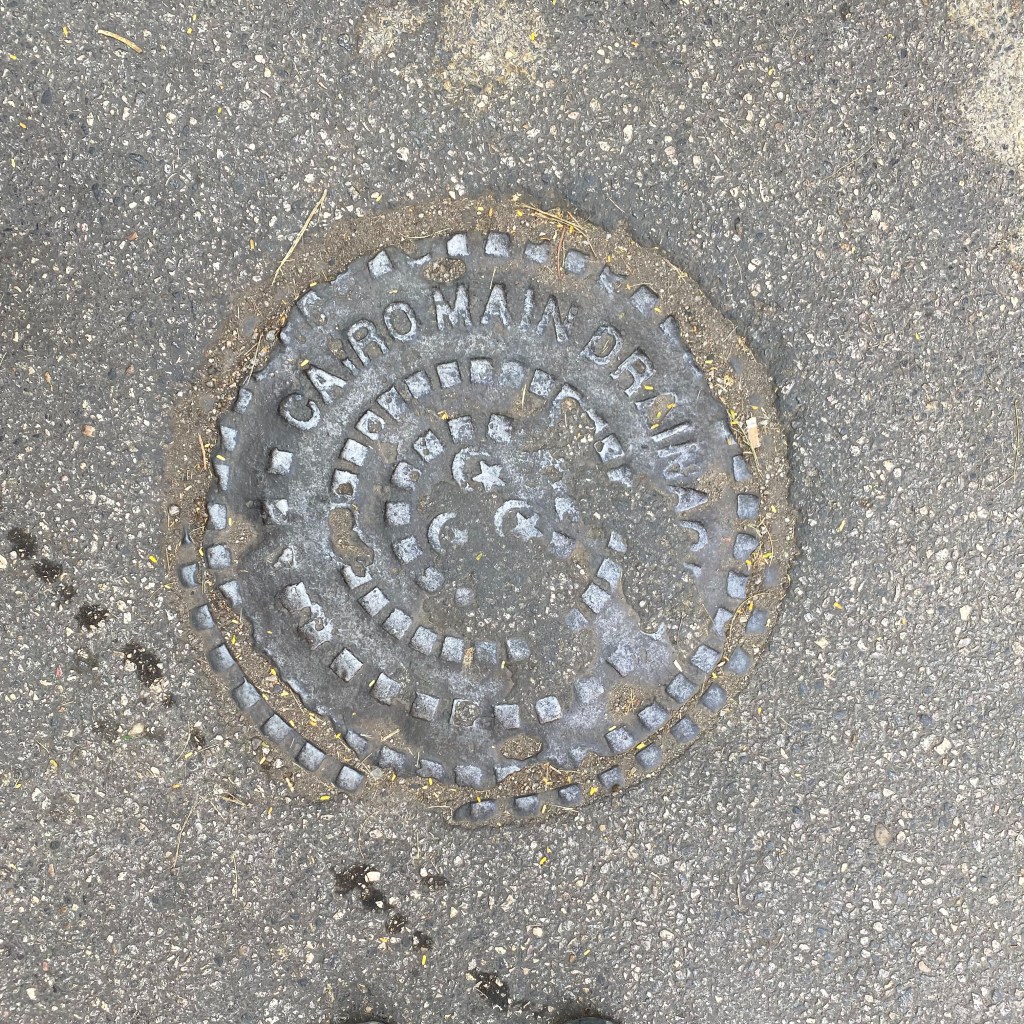
Nearby in Istanbul, each neighbourhood has its own distinctive manhole cover design, inspired by the local culture and history of the communities that make up Constantinople over the centuries. And in Cairo, you can find manhole covers that date back to the early days of the city’s first electrical services, a reminder of a city even as ancient as Cairo, having to evolve through the eras of technological and industrial evolutions.


But manhole covers aren’t just a historical curiosity. They are a vital part of the functioning of our cities and towns, protecting and maintaining the integrity of our water supply and sewage system. We don’t have to go too far back when our roads were simply made of dirt and ruble. Even in the most advanced cities such as Rome, water mitigation was an essential part of keeping a city functioning.
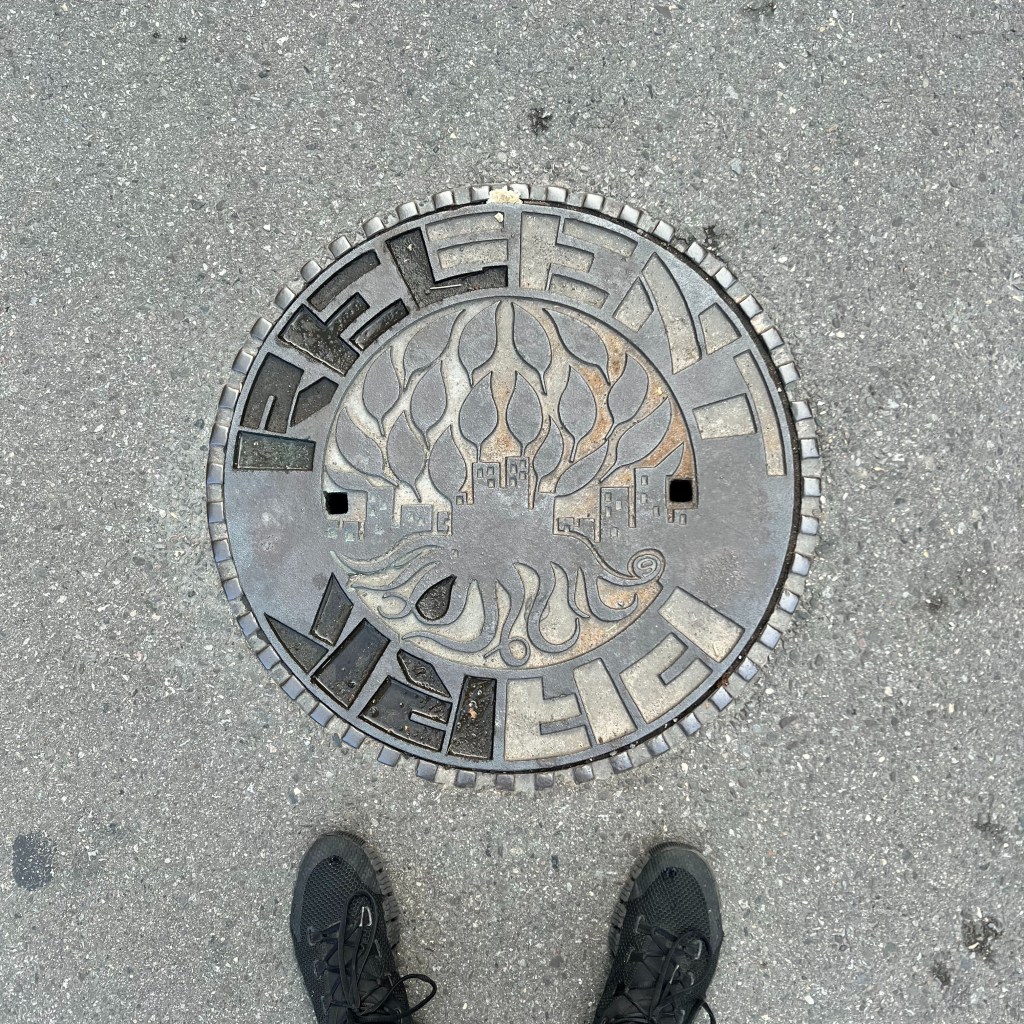
However as we move past utility, some governing bodies have began to think of these as opportunities to create true works of art. In Sapporo, Japan, for example, there are over 300 unique manhole cover designs created by local artists, in Tokyo you may find Pokemon adorned on covers, and in Osaka, a nod to its 1970’s exhibition and upcoming 2025 Worlds Fair.

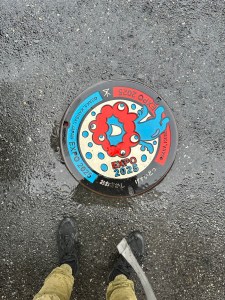
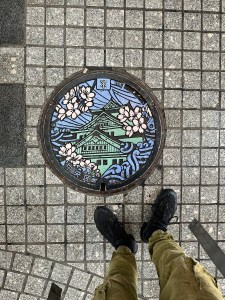
Another little ‘did you know’ about these heavy utilitarian objects, is that they serve as unique markers of industry, date, and local manufacturing. From ancient civilizations to the present day, sewer manhole covers have been an integral part of urban infrastructure, protecting and maintaining the integrity of the sewage system over decades and even centuries. Think about it, even if service in a tunnel is updated, such as how phone lines evolved to provide television, and then of course, internet, and then even faster internet, it is unlikely that the access to the underground network would ever change. These tunnels remain fixed even as the world quickly evolves around it.


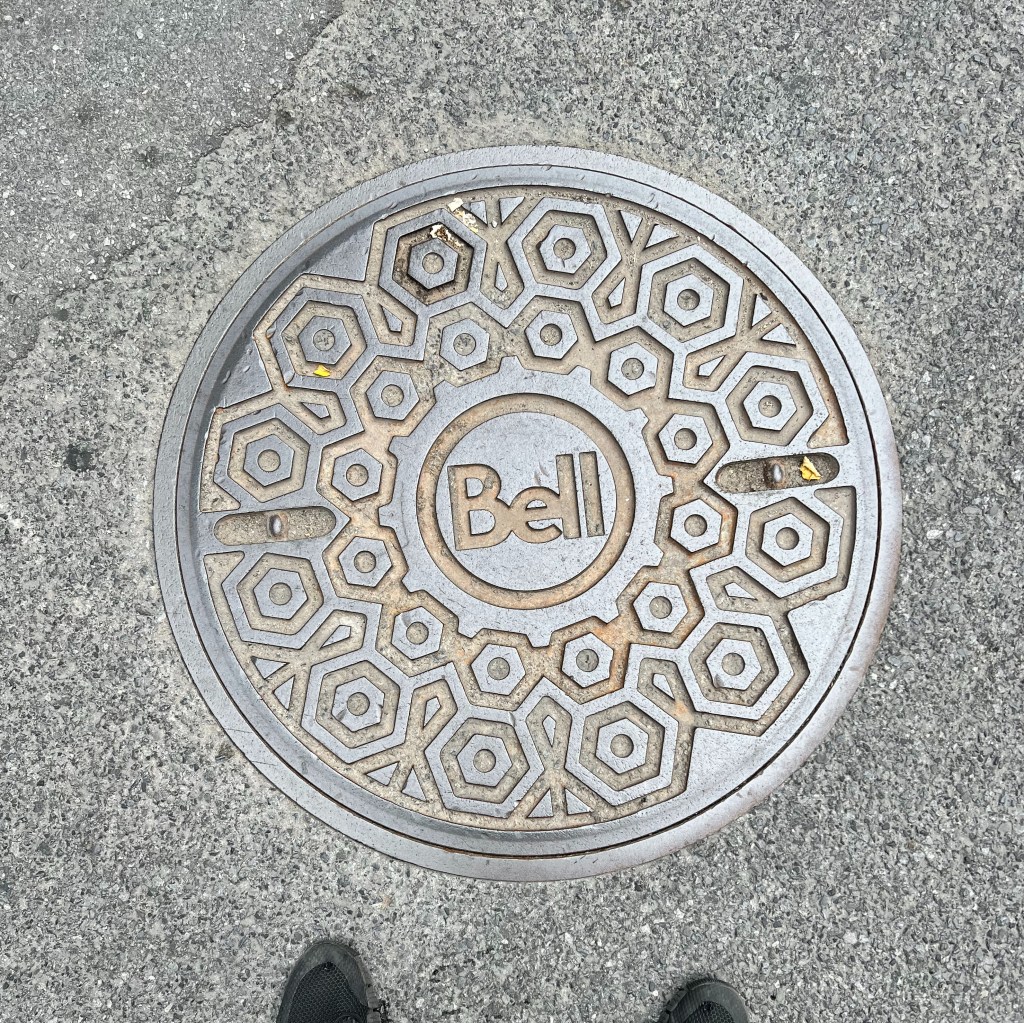
One interesting example is the Bell Telephone Company. Bell has a long and storied history in Canada, and this history can be traced through their custom manhole covers that dot the country from one ocean to the other. Throughout the years, the designs of Bell’s manhole covers have changed to reflect the evolution of the company’s brand and services. For example, early manhole covers may feature the company’s original bell shaped logo dating back to the patent of Alexander Graham Bell’s invention of the telephone, while more modern covers may feature the sleek and futuristic designs addressing their technological evolution providing fax, email, and internet services, then finally their current bold branding as Bell expanded to become a massive media empire. By examining the changes in Bell’s manhole cover designs over the years, we can gain a unique perspective on the history and evolution of this iconic Canadian company.
While my adventure continues, I will add to this blog, and continue to rope in new stories about what these otherwise invisible pieces of urban decor contribute to the urban fabric of our everyday lives.





 NOMAD SKETCHBOOK