
Egypt at the Turn of the Century
During the first quarter of the twentieth century, the product of postcards went through a commercial boom in Egypt due to the heavy tourist traffic and the prosperous business atmosphere that took place in Egypt. At the time it witnessed an active modernization phase.
Benefitting from the accumulated and diversified rich production of the nineteenth century photographs, several entrepreneurial companies in Europe and others recently founding in Cairo, Alexandria, and Port Said catered o the tourist industry, trafficking in the Suez Canal Zone (Port Said, Suez, Ismallia) which turned to be a very lucrative business.
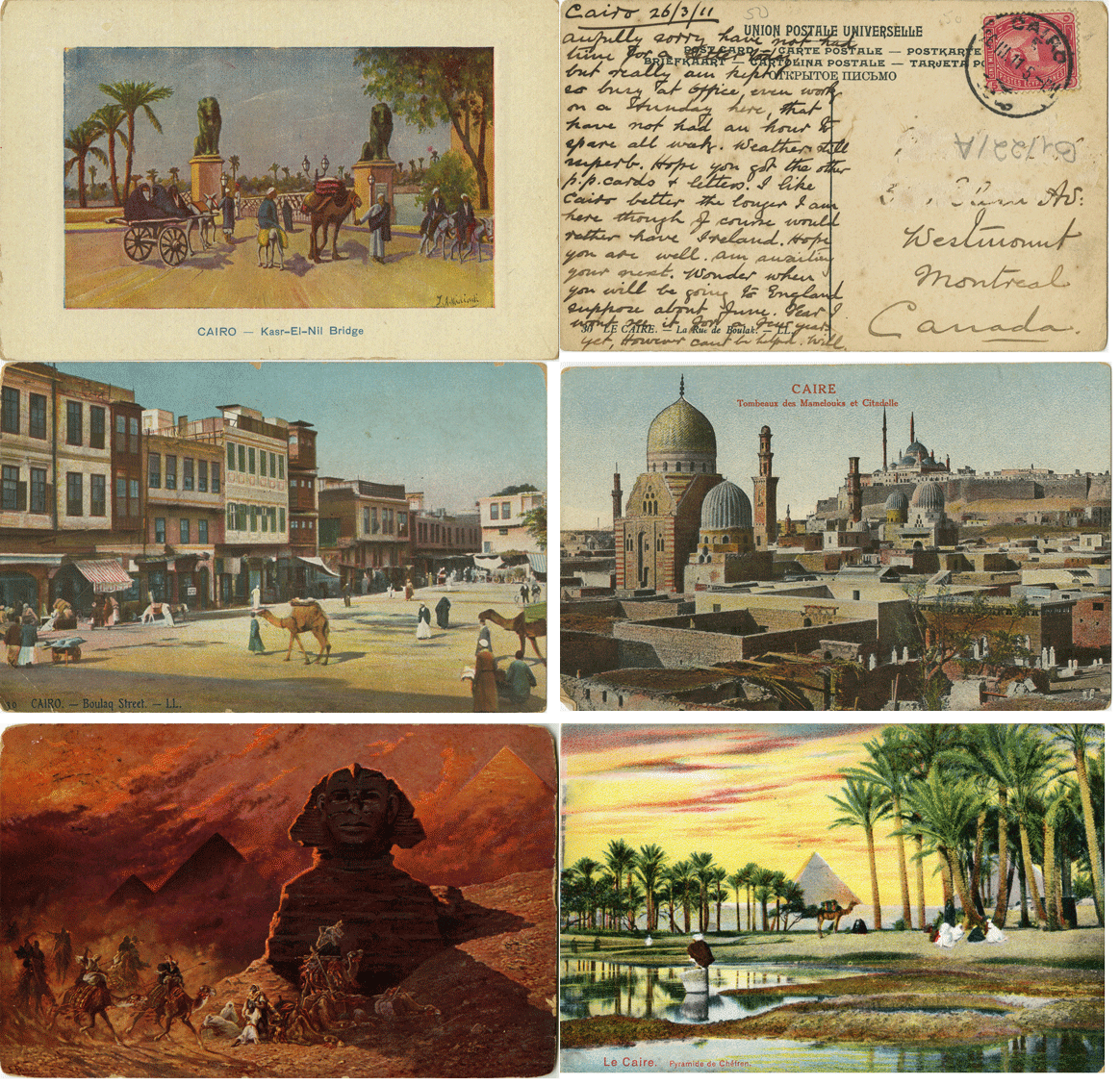
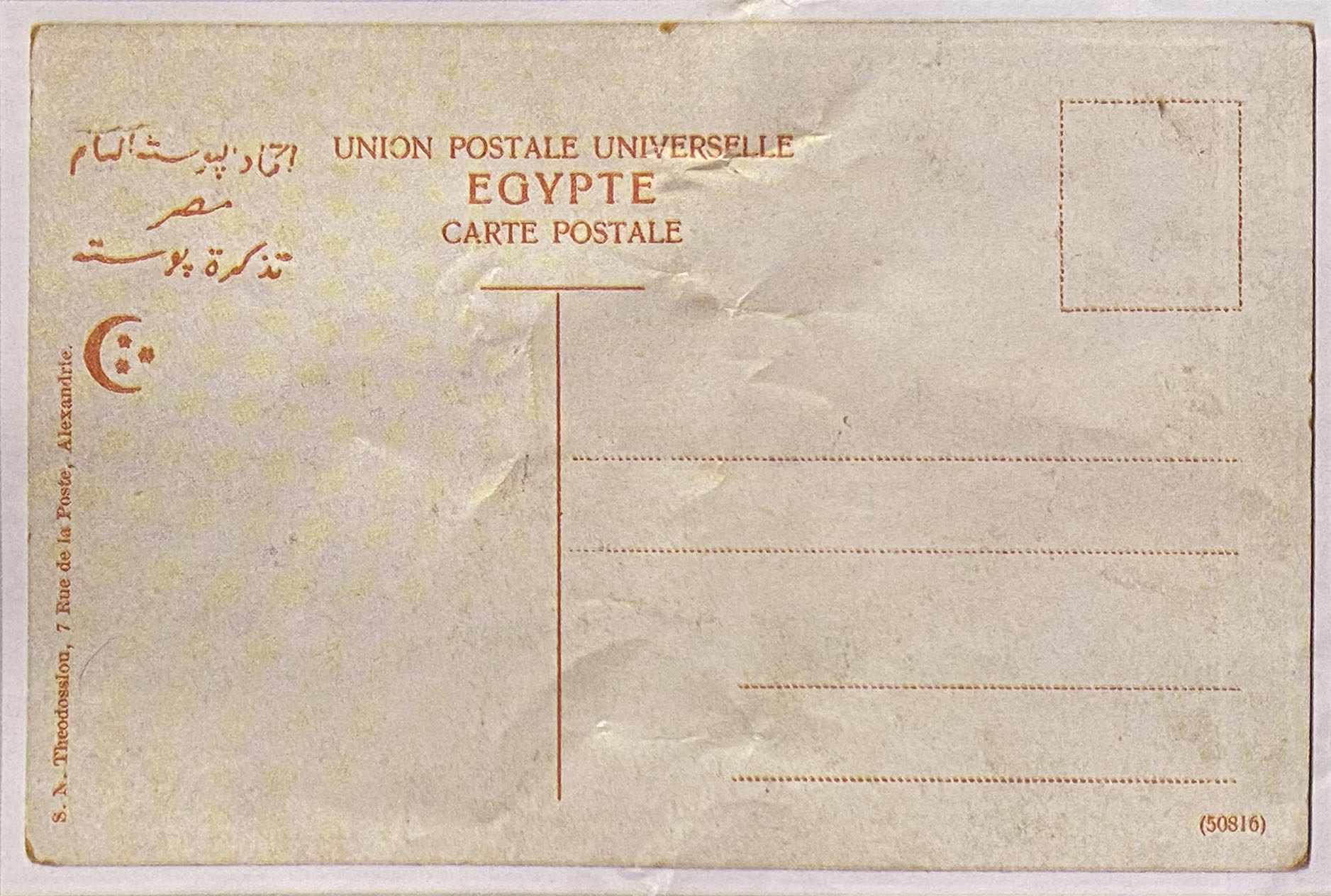
Each publishing house labelled it products with its own logo or initials either on the front of the card next to the legend line or at the back of the card. Another interesting characteristic of the postcards of this period is the appearance, on the top back of the cards, of the Union Postale Universelle (UPU) title and a red crescent with three stars symbolizing the Egyptian flag at the turn of the century. Those assured the sender that the card was according to the standards of the UPU which was better guarantee of its safe arrival to the destination.
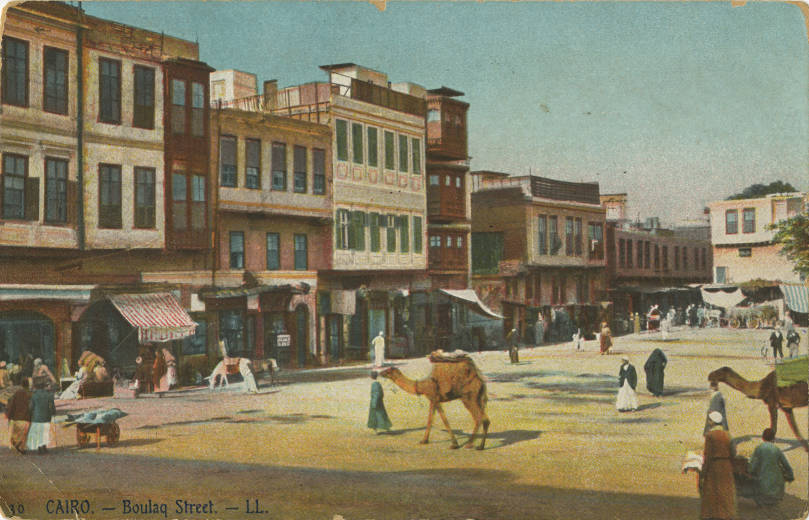
One of the leading and most prolific companies in that domain was Leon and Levy, whose initials “LL” were often erroneously mistaken as Lehnert and Landrock. In fact they were those of two partners Leon and Levy who had themselves started their career as photographers two decades earlier. On the other hand, other major companies such as Rudman, Lichstern and Harare, Cairo Postcard Trust, etc… were rather publishers who commissioned photographers or bought a selection of their images with the purpose of turning them into postcards.
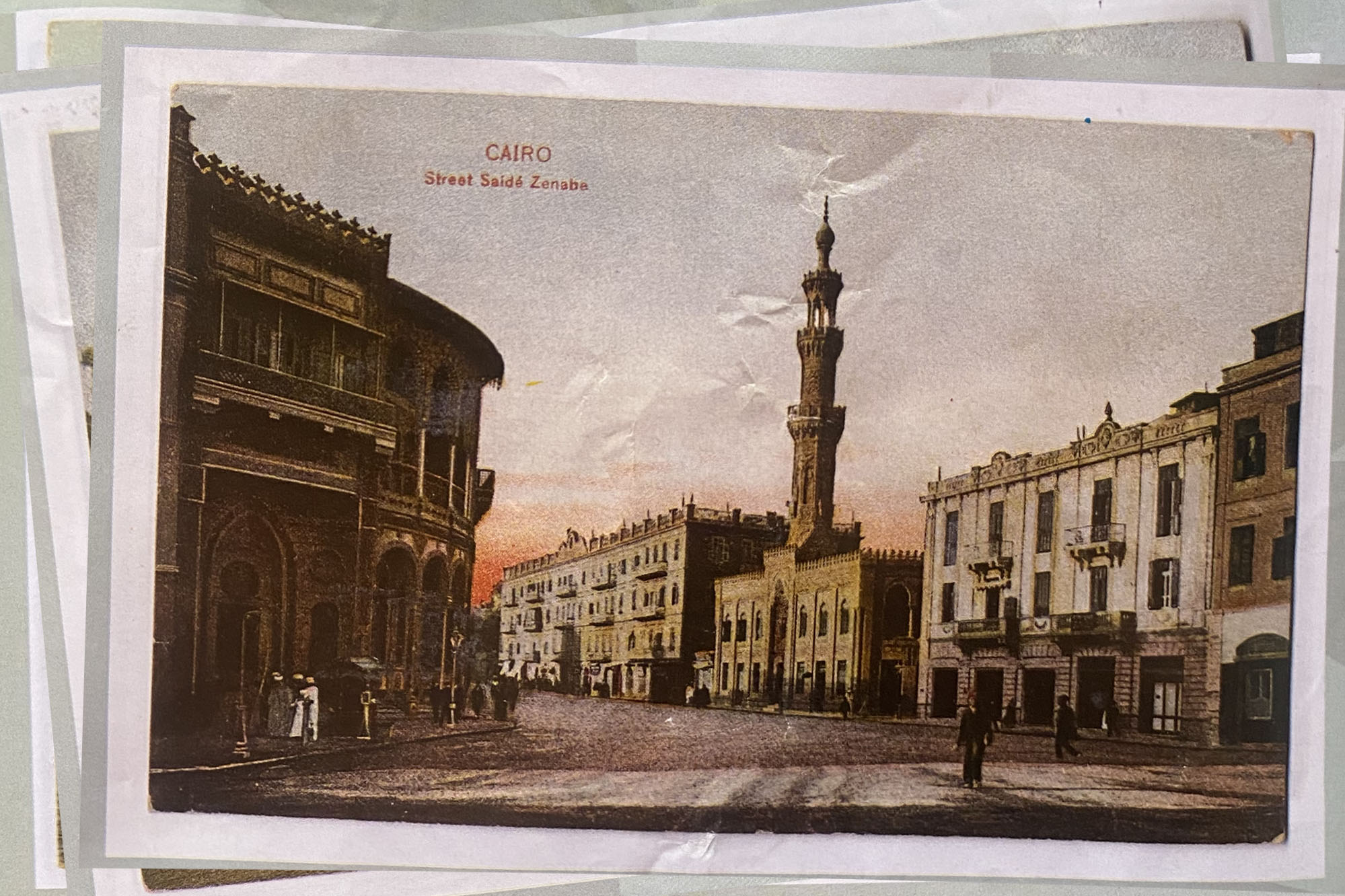
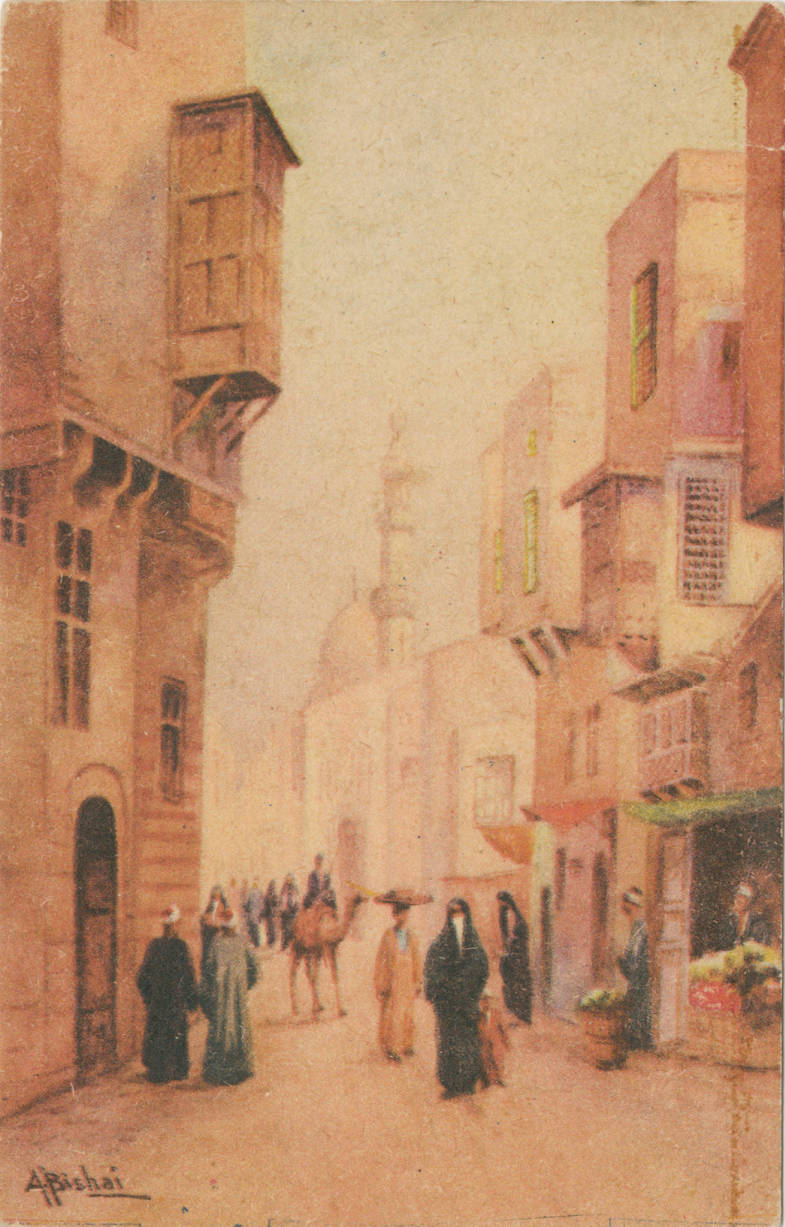
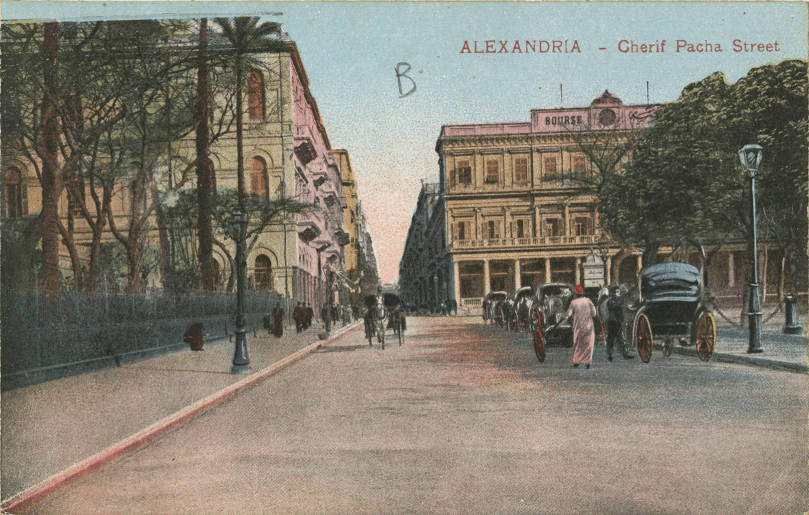
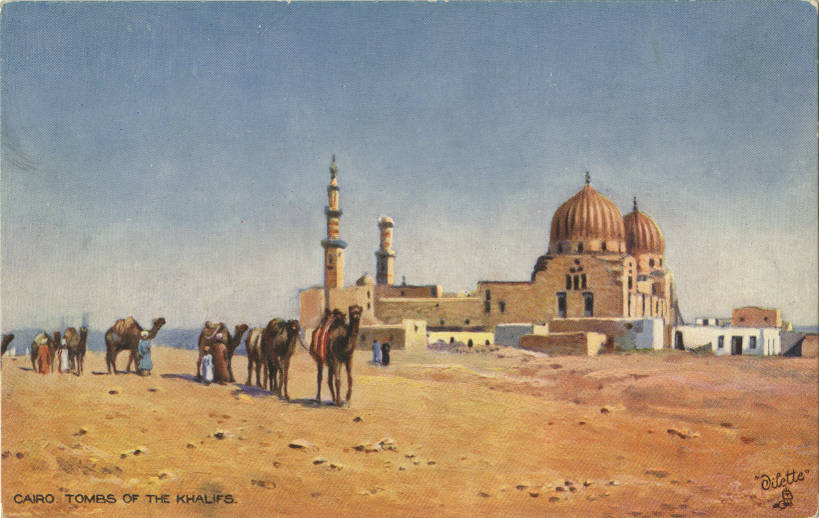
The topics of the Postcards of the time varied widely. Although Egyptomania and monuments were quote a popular topic and abundantly printed, there was also a wide segment of the buyers interested in the modern urbanization of its major cities at the dan of the nineteenth century, specially, but not limited to Cairo, Alexandria, Port Said and the Suez Canal Cities.
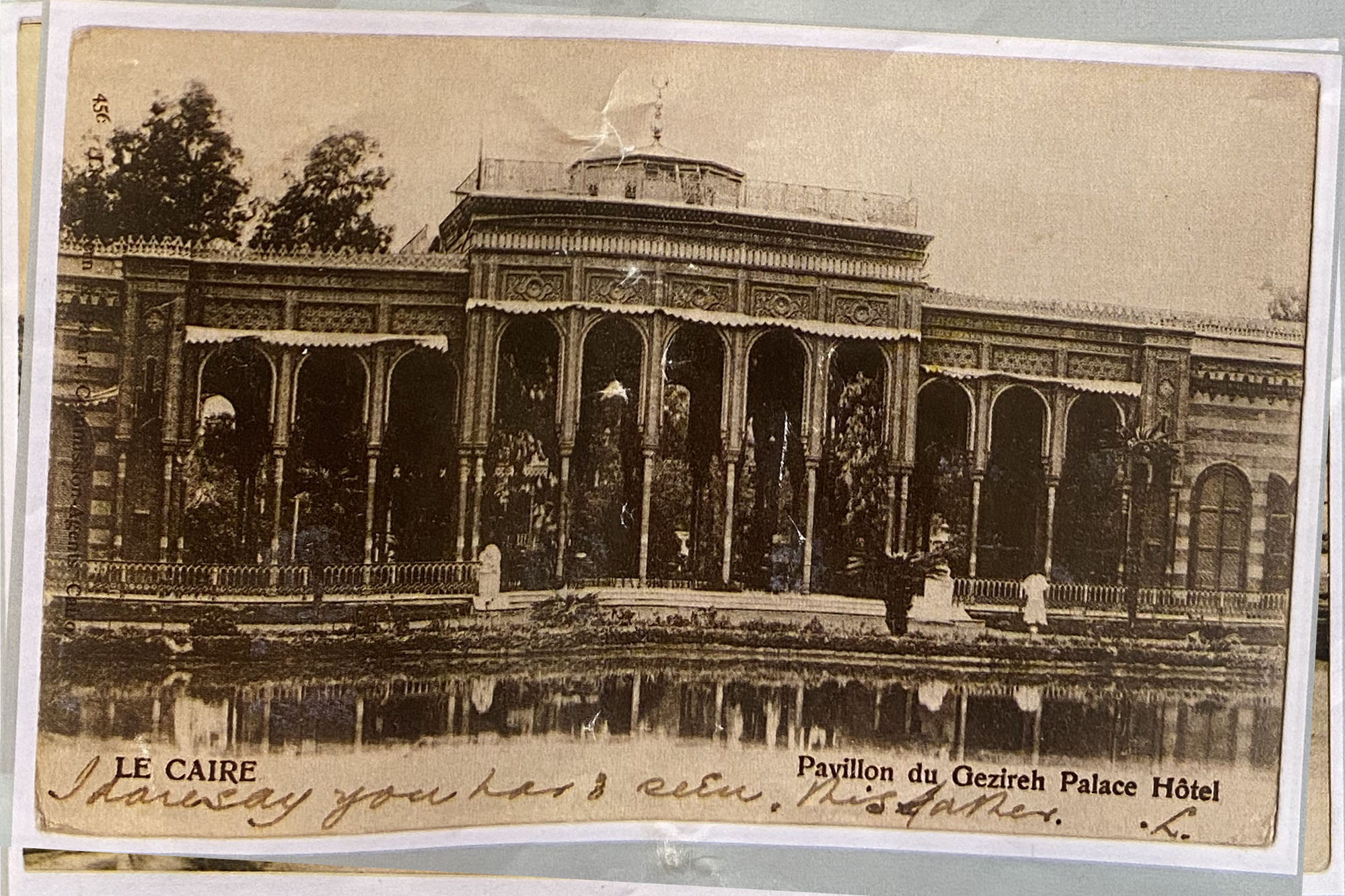
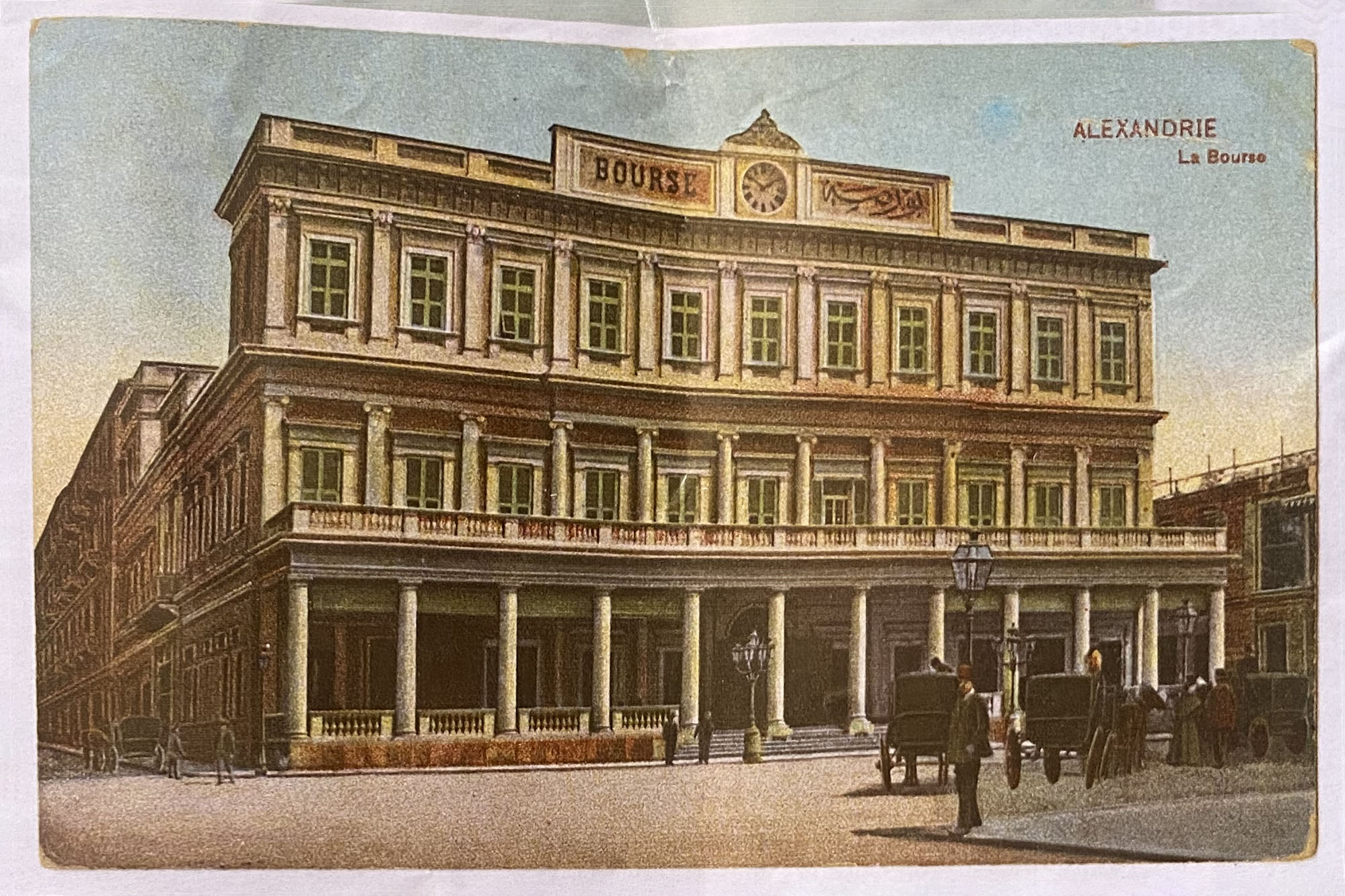
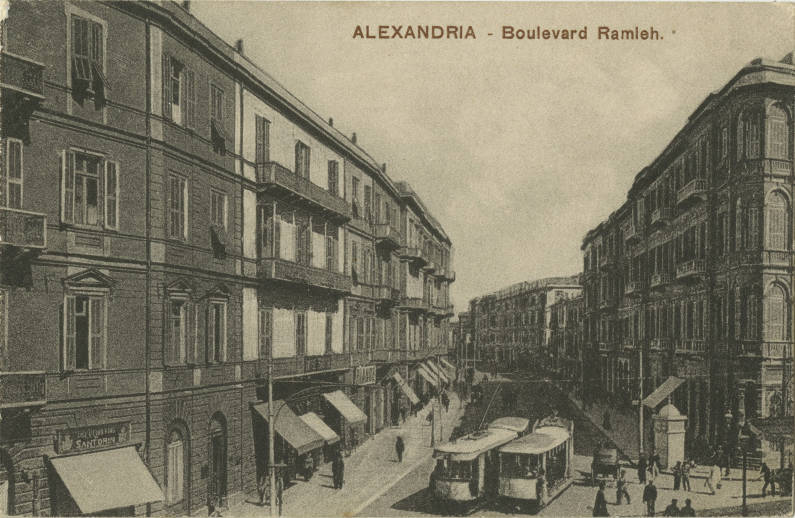
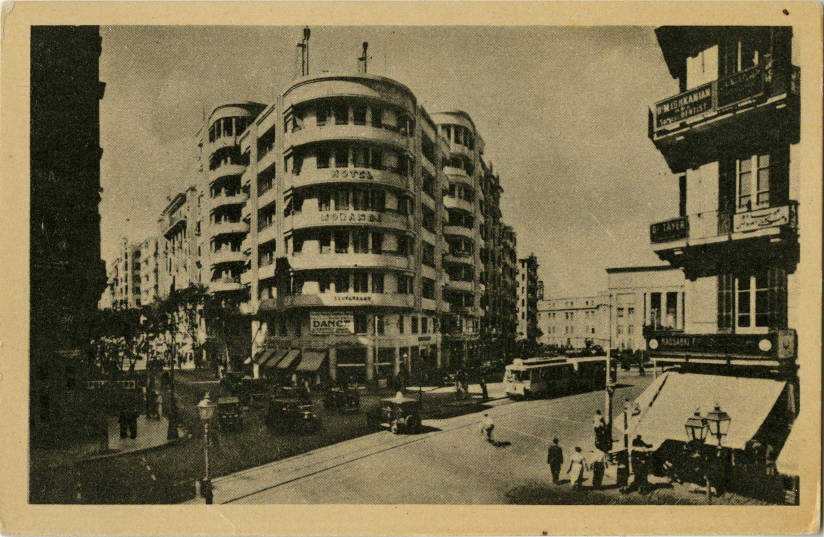
Amon the most popular postcards are typically those which captured a souvenir of the tourists itinerary, including the train stations through which they travelled, the hotels where they stayed, and glimpses of the main streets of the cities.
The repertoire includes the Cairo Railway Station known as Mahattit Masr, the second oldest railways station or the Fleming station in Alexandria, as well as the Bacos line or that of Ramleh district in Alexandria’s remarkable downtown district.
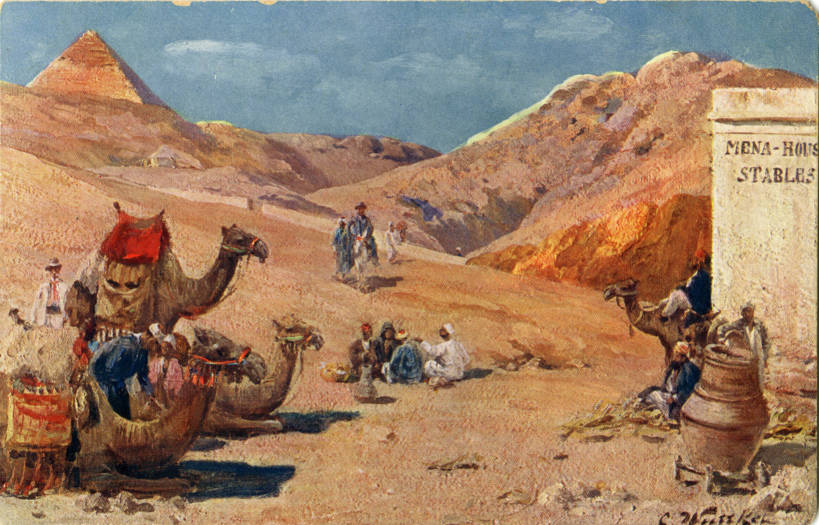
Several leading hotels belonging to the George Nungovitch Co. become the best sellers in the postcards of the era. Both the legendary Shepherd’s which was renewed several times and finally burnt in the riots of 26 January 1952 and the Mens House are considered the most nostalgic in the world of Cairene hospitality. Those were followed by the Continental Hotel, currently being torn down, which had an even better location directly overlooking the Azbakiya Gardens.
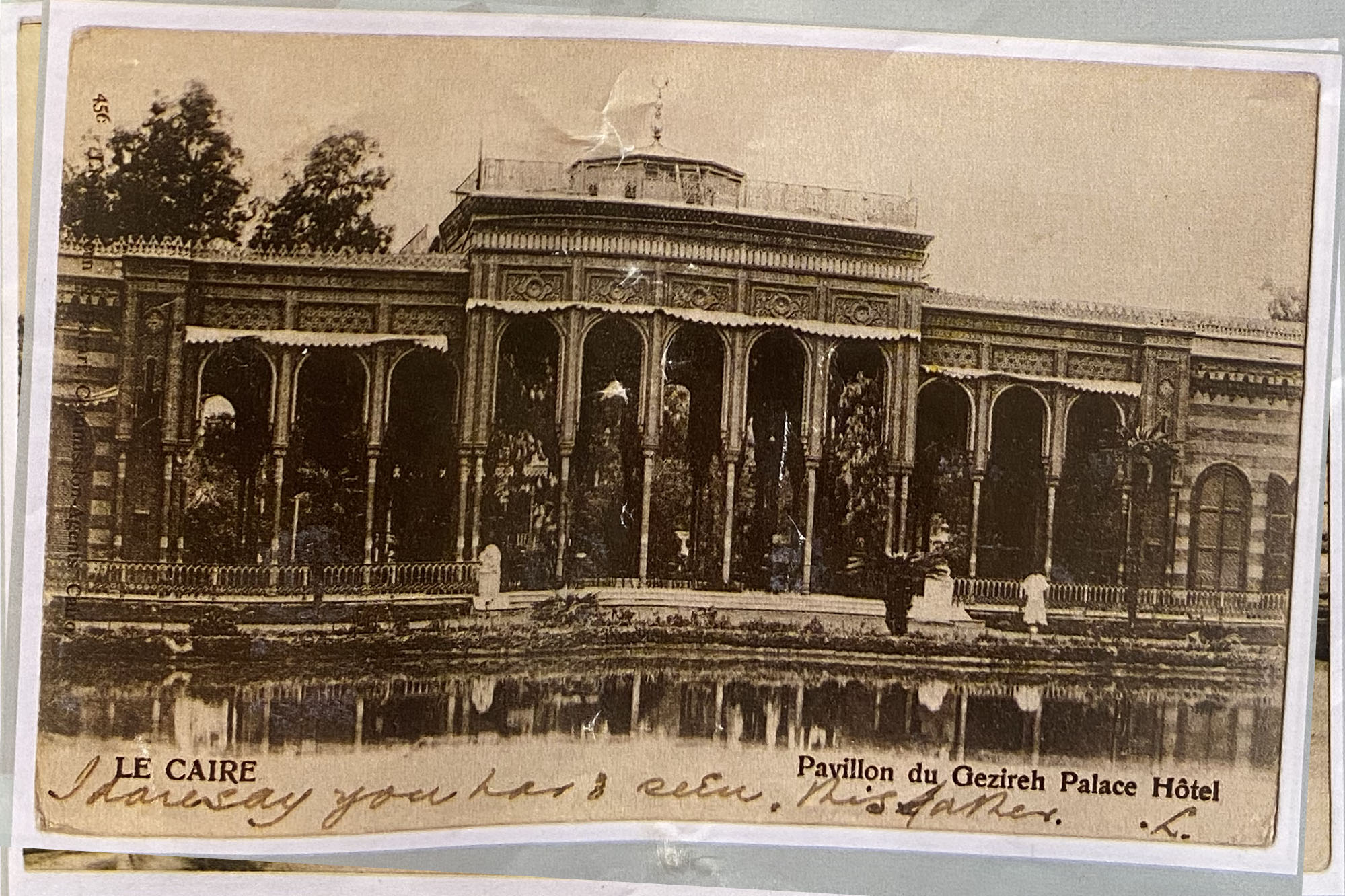
Although occupying a Nile front location, both the Gezira Hotel (now the Marriott) and the Semiramis Hotel are less featured, the steel structure of the Gezira pavilion seemed to catch more attention.
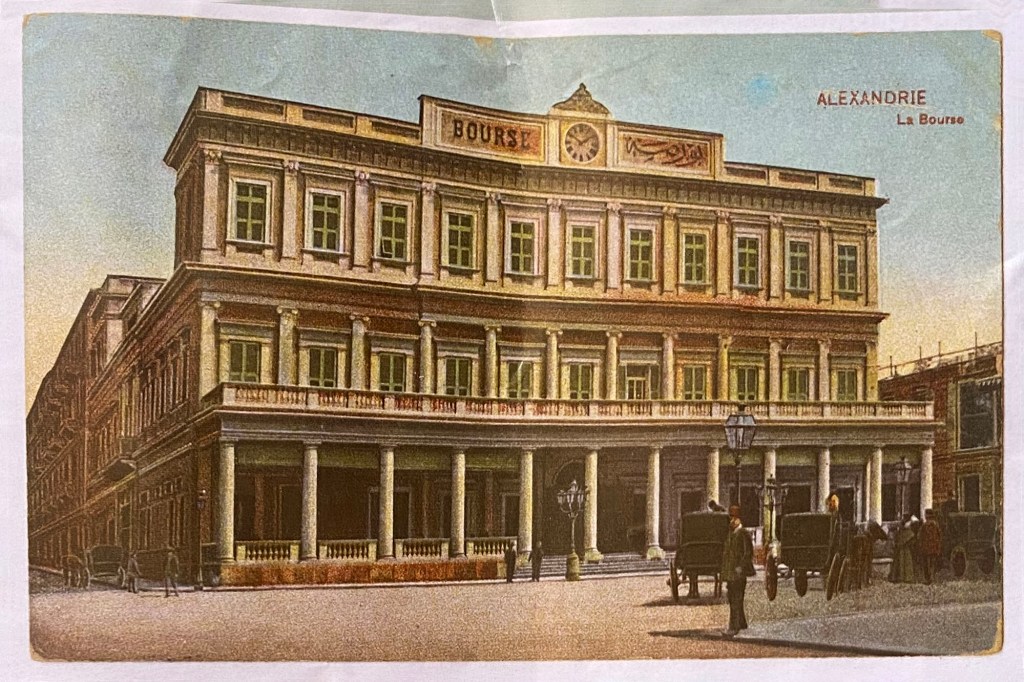
All the above, in addition to the San Stefano Hotel of Alexandria had their own post office inside the hotel which sold stamps and franked the letters with an authorized seal from the Government postal administration.
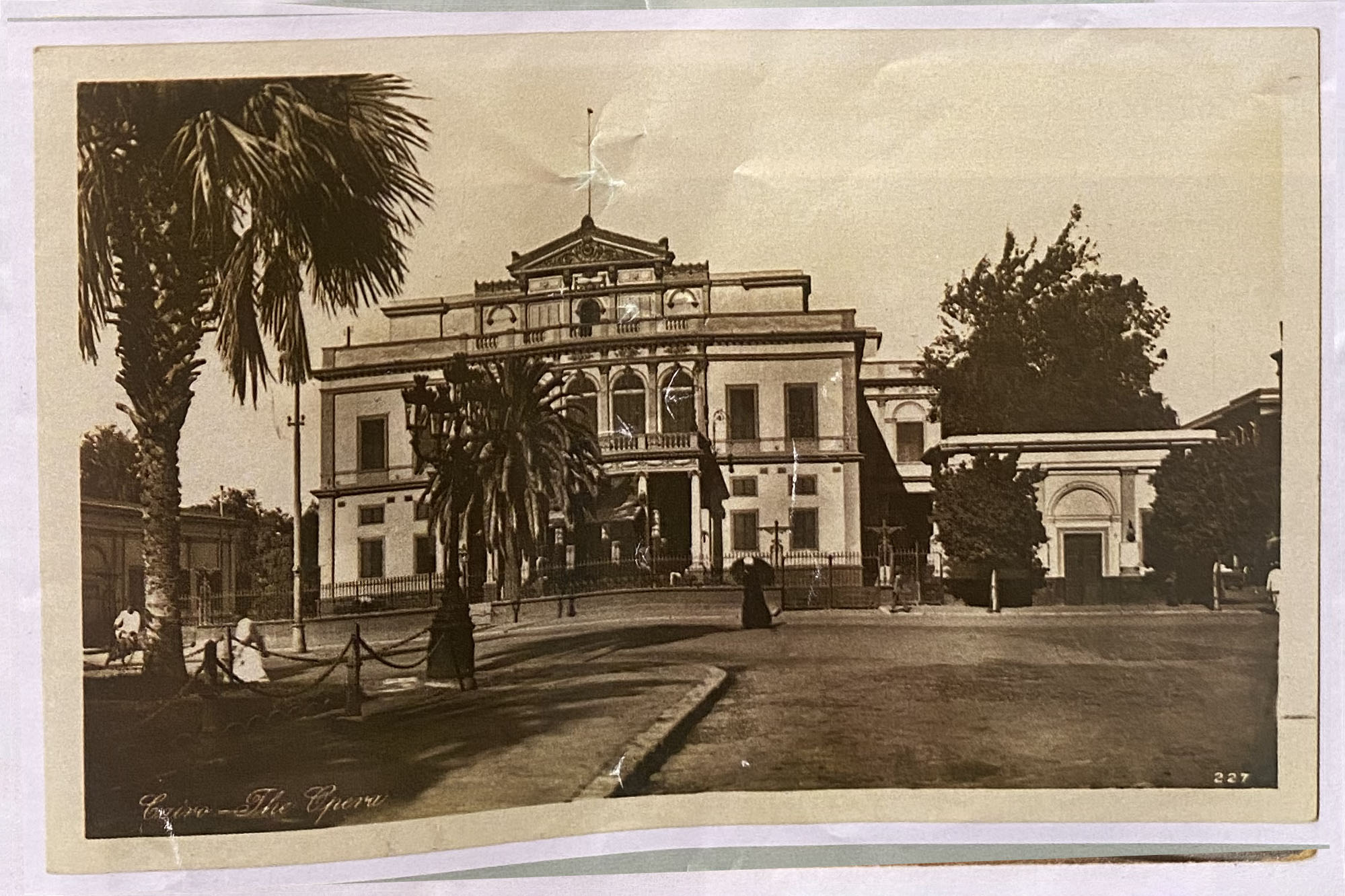
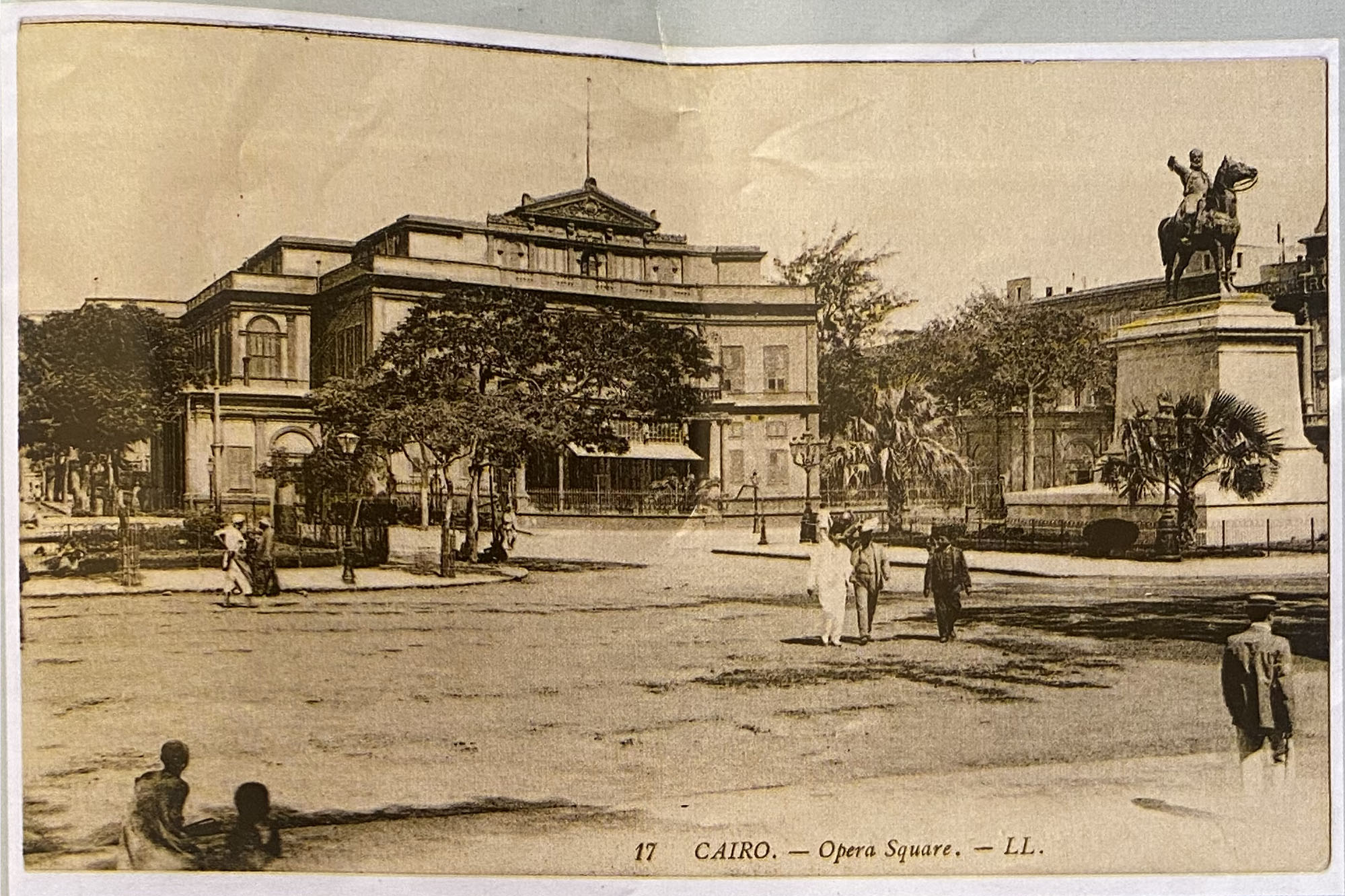
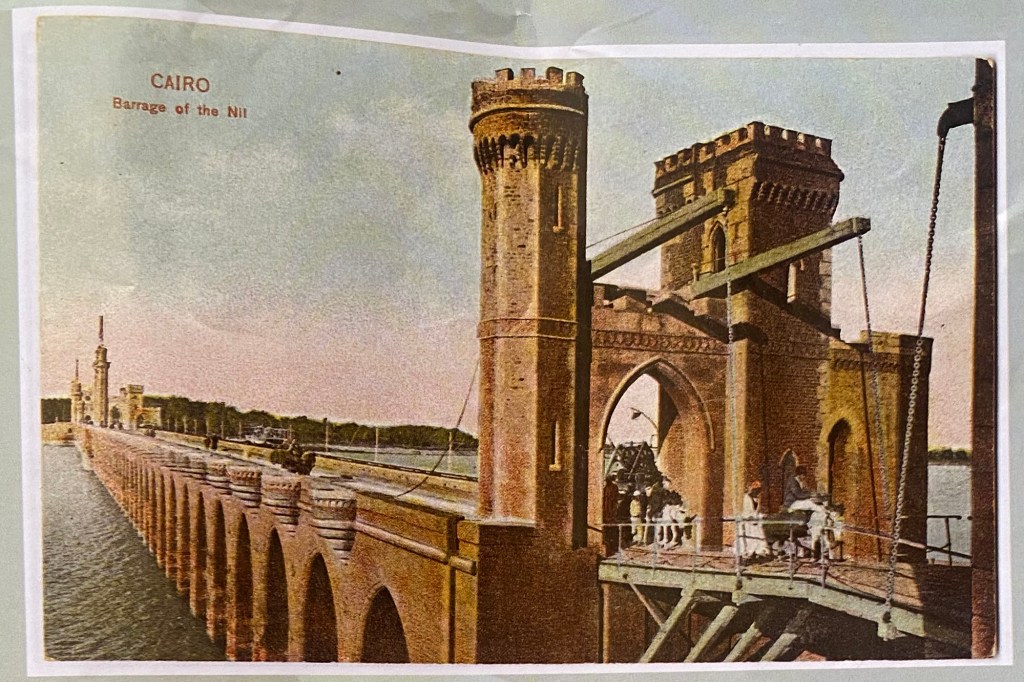
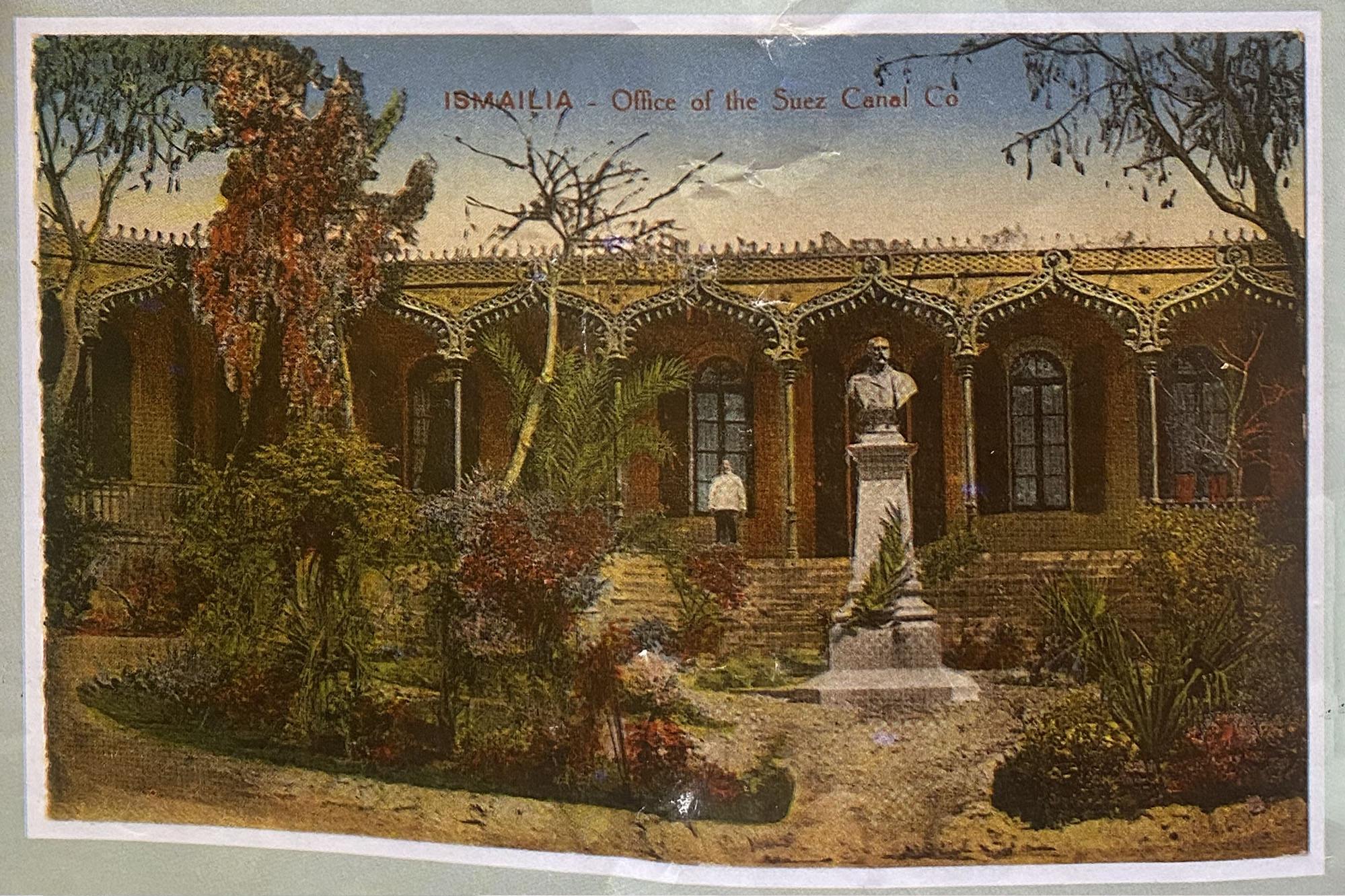
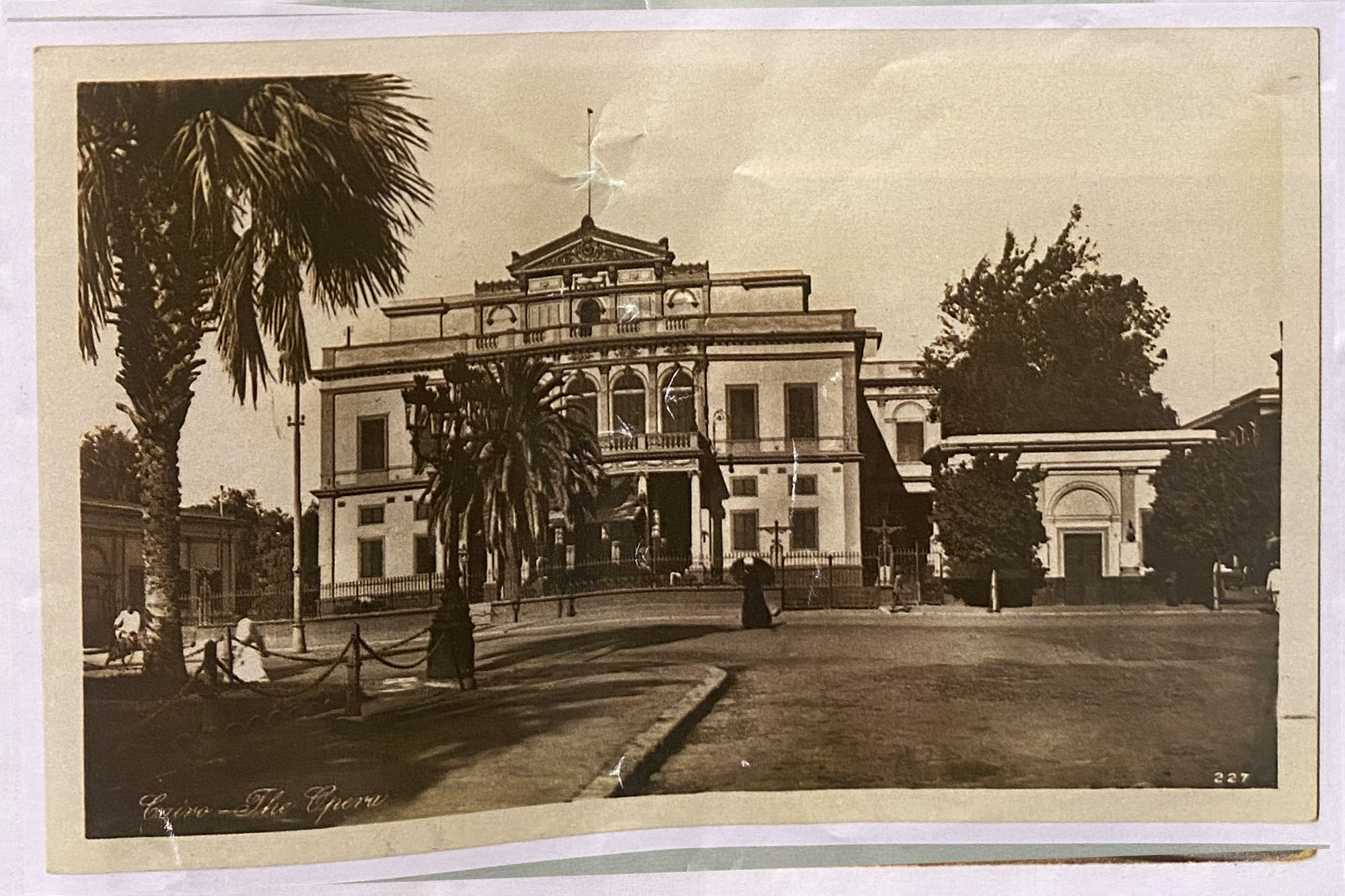
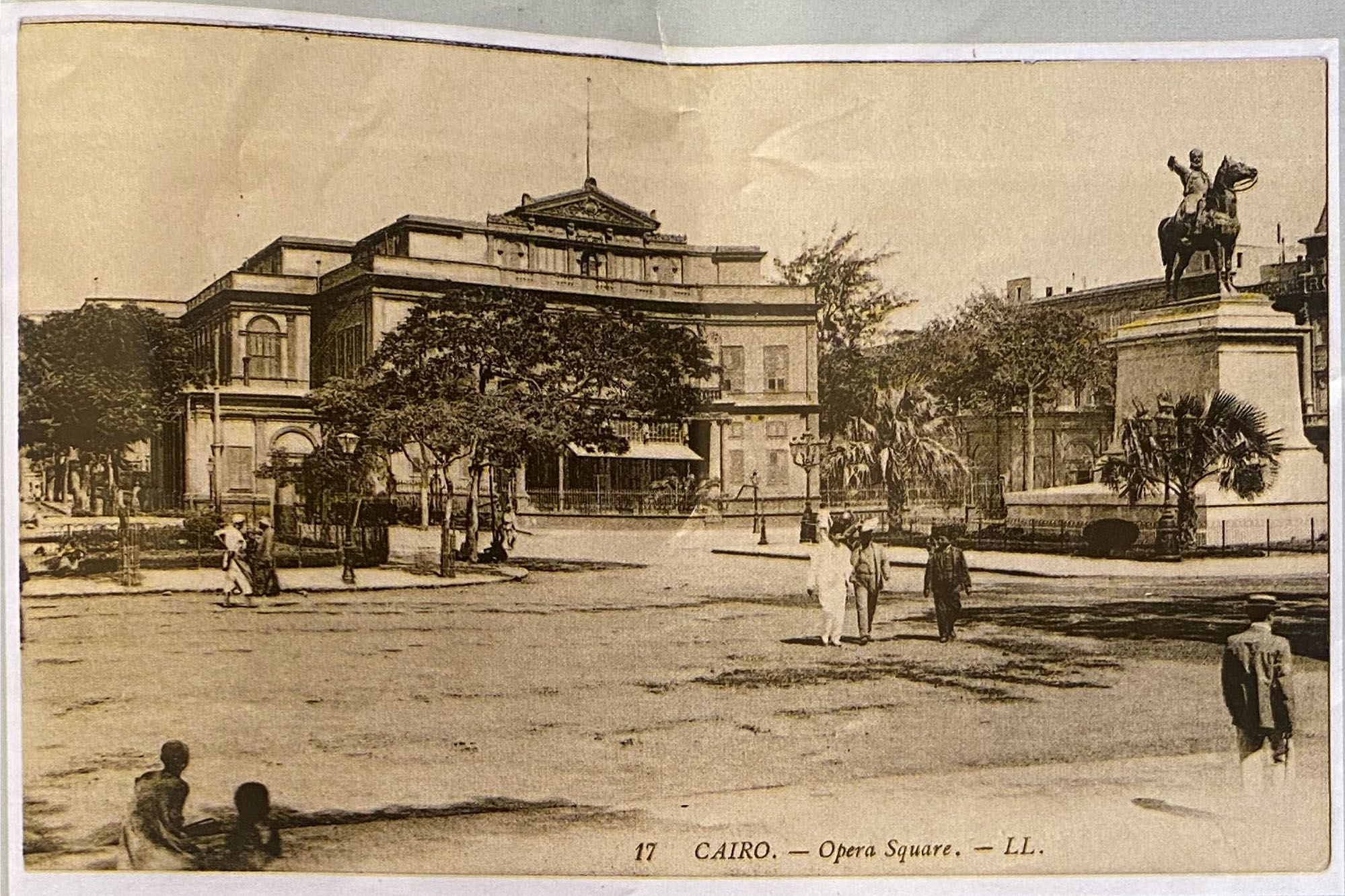
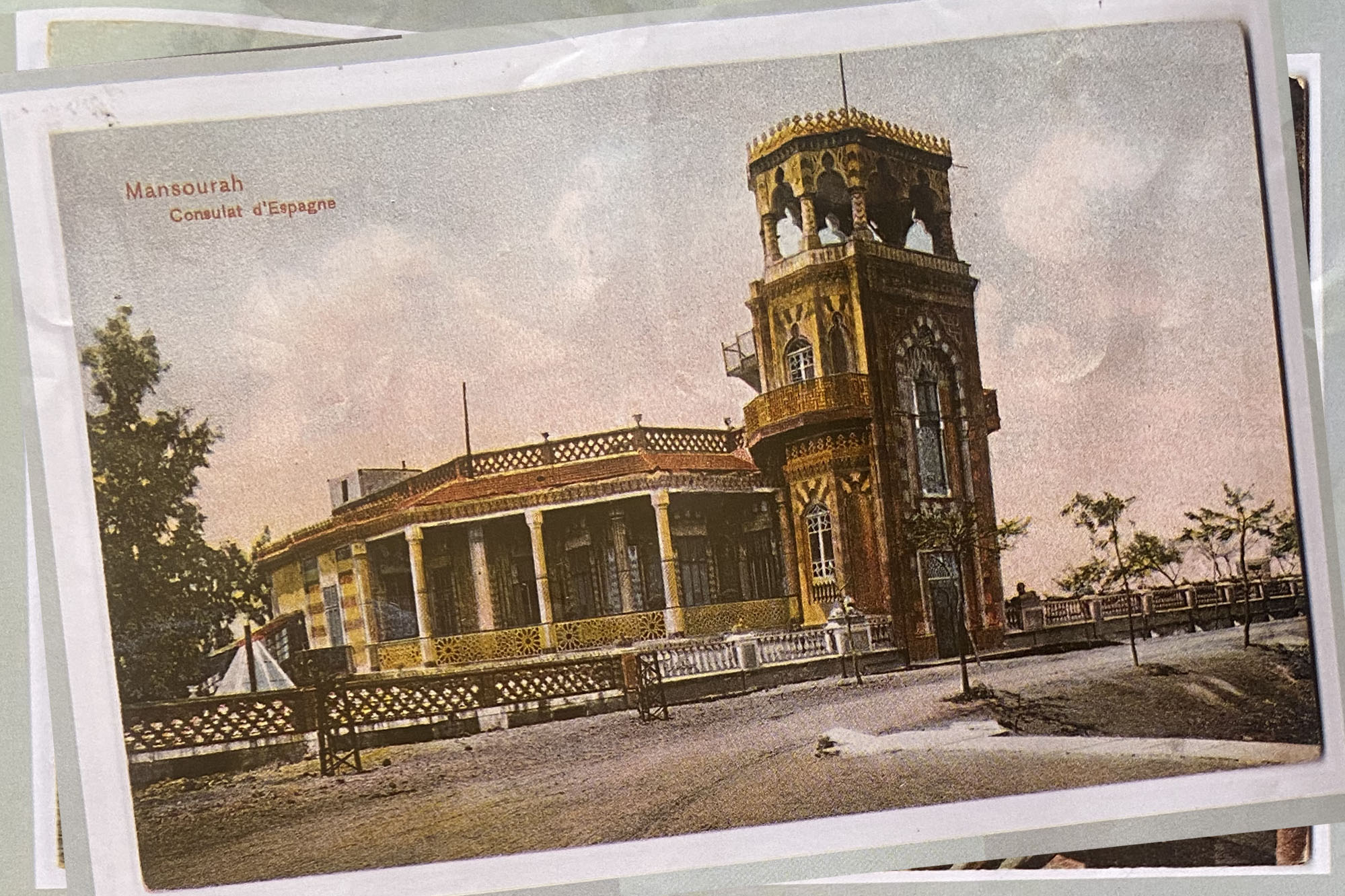
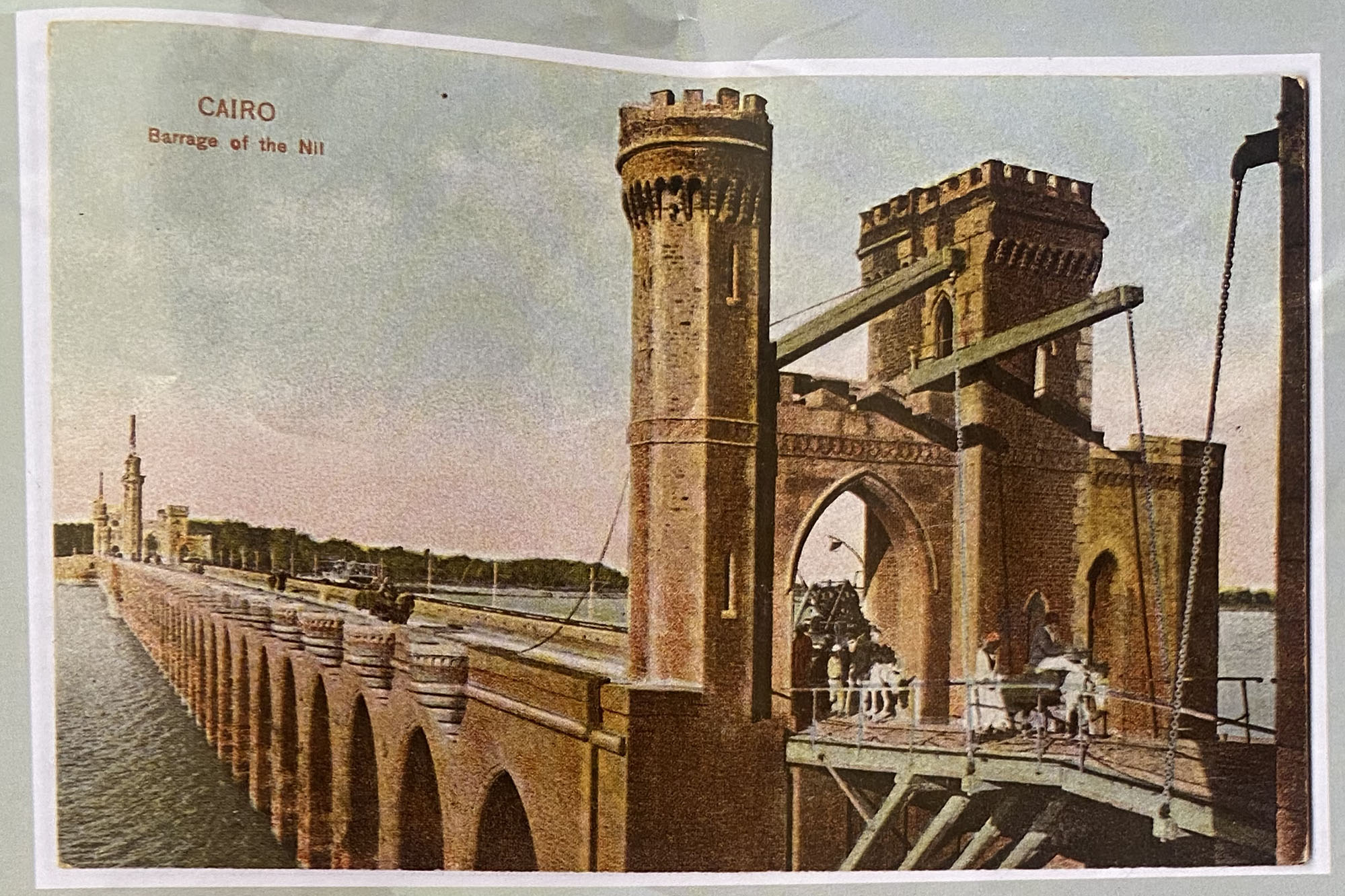
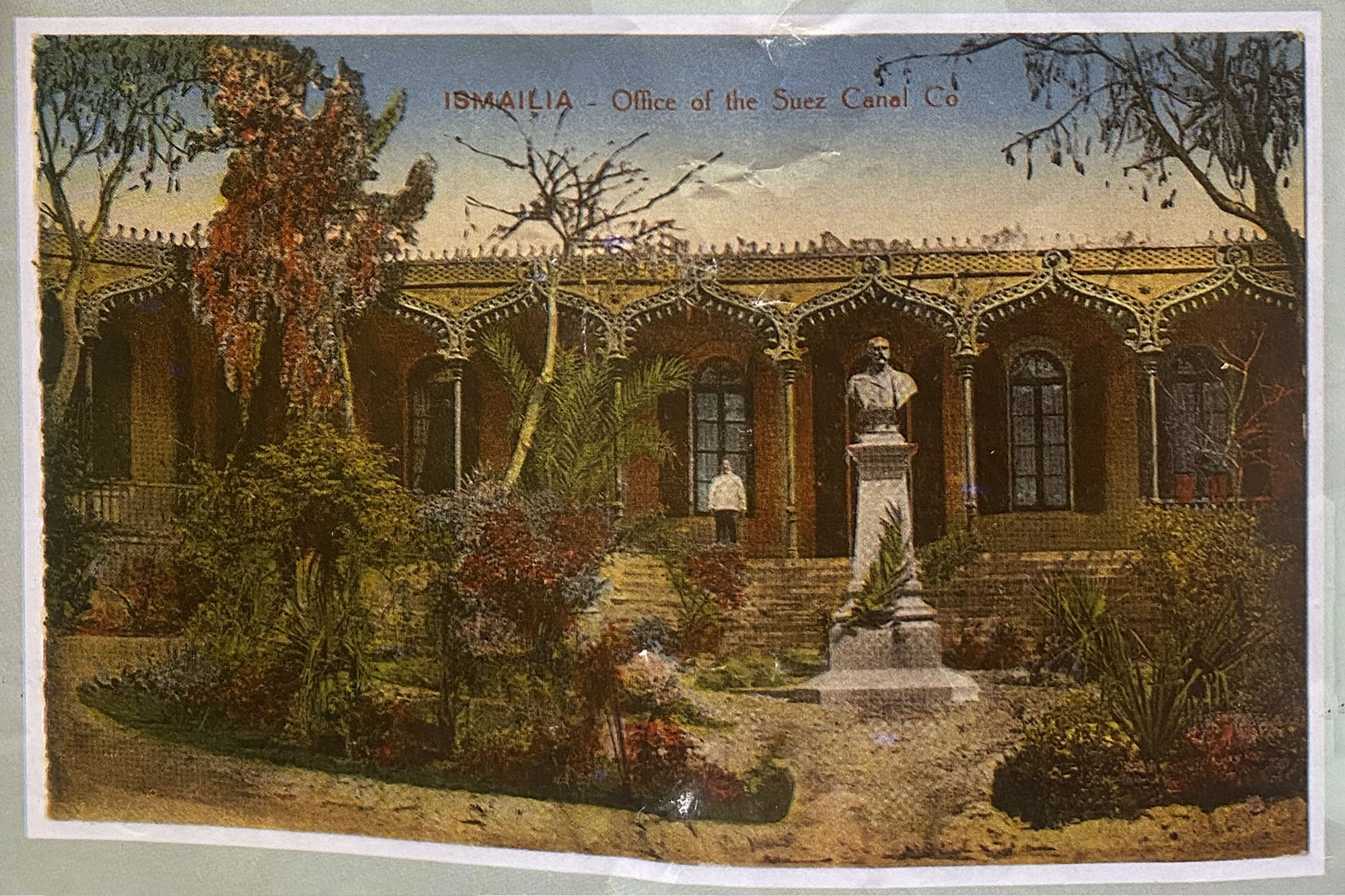
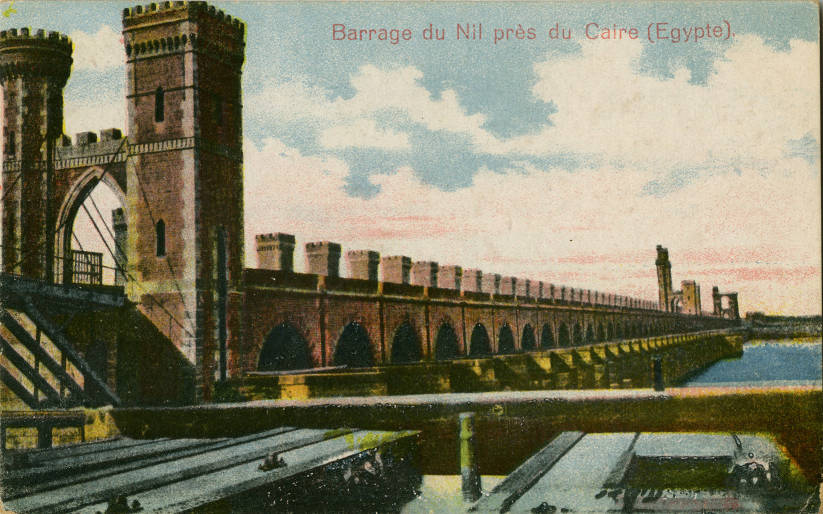
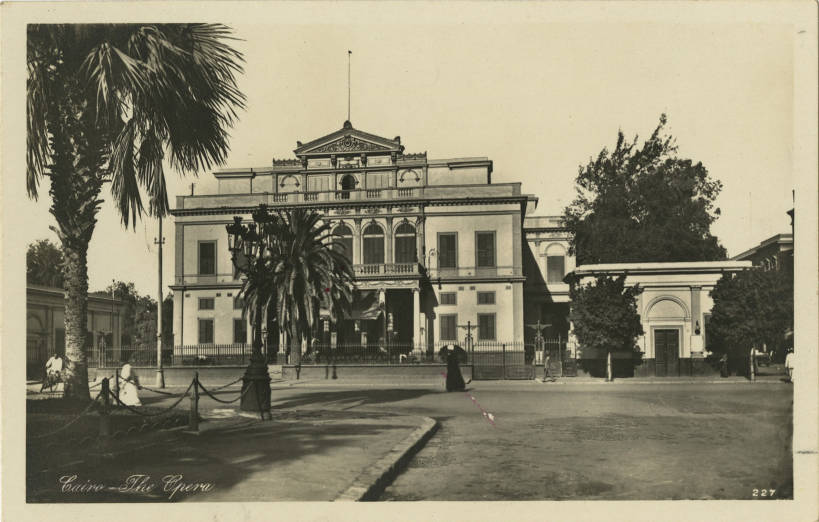
Other landmarks and street scenes include the neo Mamlik house of the Spanish consul to Mansurah, the Barrages to the north of Cairo, the Suez Canal administration building in Port Said flanked by the commemorative statue of Ferdinad Delesseps, its creator and the Khedivial Opera House which late became the Royal Opera House and finally burnt down in 1952.
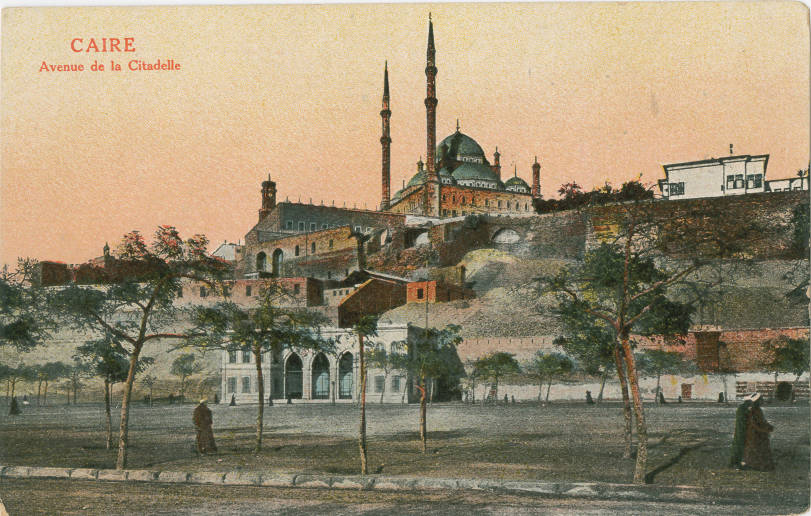
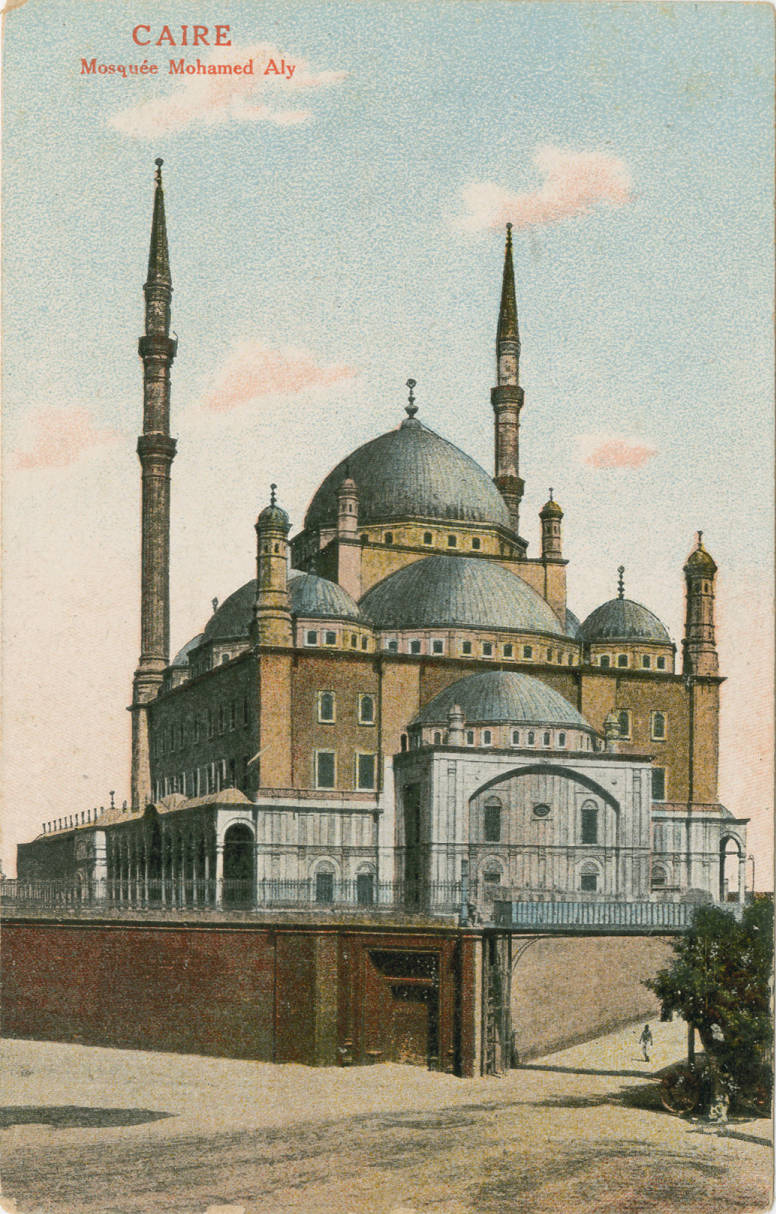
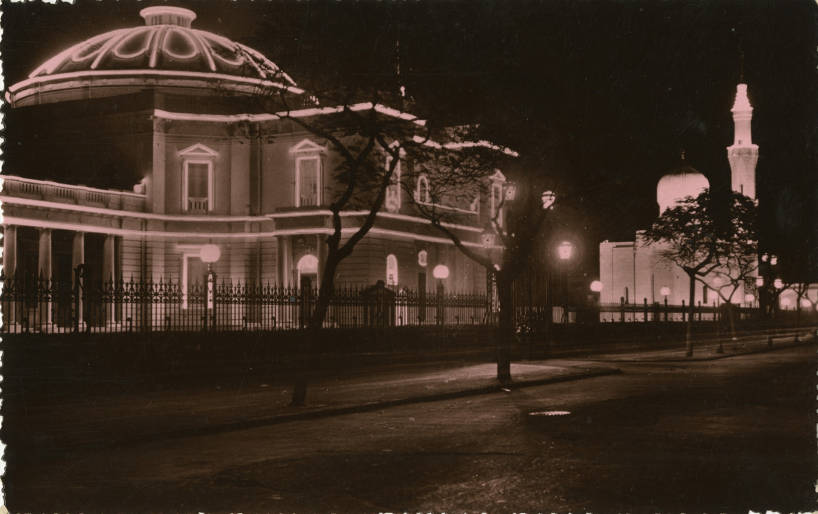
The selection featured here is a glimpse that portrays the colourful near past of Egypt in its cosmopolitan age.
 NOMAD SKETCHBOOK